Hepper is reader-supported. When you buy via links on our site, we may earn an affiliate commission at no cost to you. Learn more.
How to Prevent Back Problems in Dachshunds: 8 Tips & Tricks

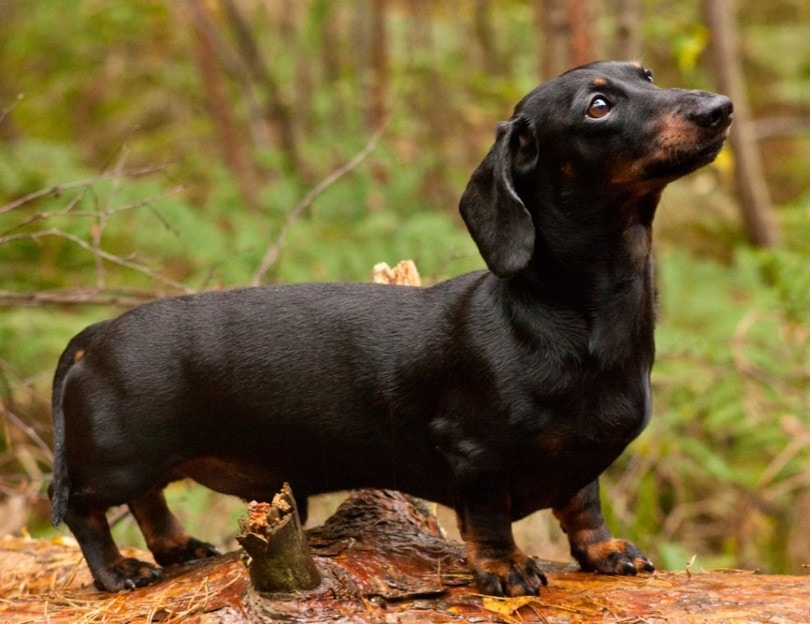
We all love a long, low Dachshund—they have such a cute, recognizable shape! And unlike many extreme-shaped dogs, many Dachshunds live long, healthy lives without pain. Unfortunately, not all do. Many Dachshunds live with terrible spinal pain that gets worse over time. And most of the time, this pain is preventable.
Although Dachshunds can be happy and healthy, excessive strain on their spine will cause spinal disc problems1 and nerve damage that can be irreversible. It’s important to prevent this strain before it starts. Here are eight tips and tricks to help keep your dog safe.

The 8 Tips for Preventing Back Problems in Dachshunds
1. Invest in Furniture Ramps
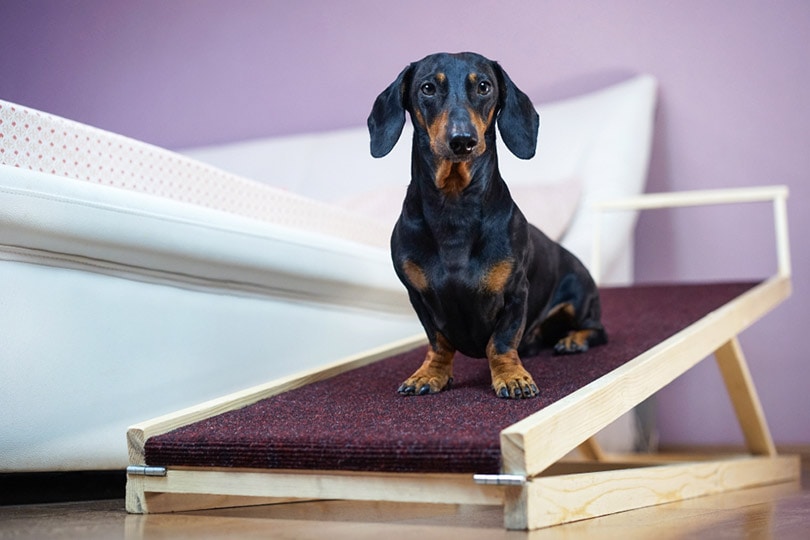
High-impact activities are a big danger to Dachshunds, and jumping up and down on furniture is a number one culprit. If your dog likes to snuggle up on the couch or lay in your bed, it’s important to give him a safe way to get there. There are lots of ramps on the market today for reasonable prices, but the key is to look for a nice, shallow incline. You want your ramp to look more like a wheelchair ramp than a set of stairs.
2. Use Baby Gates to Close Off Stairs
Stairs are built for humans, and they are just too steep to be healthy for Dachshunds. With their close to 45-degree angle and their steps of six inches or more, they put a lot of strain on such a long, stubby-legged dog. However, they aren’t so steep that most Dachshunds will avoid them on their own. That’s why restricting access to stairs is so important, especially when you aren’t home. Baby gates or similar setups can help your dog have a safe space to roam. When you do need to take your dog up or down stairs, it’s best to carry it yourself.
3. Measure Your Dachshund’s Food
Obesity is a major factor in back injuries. For Dachshunds, a difference of fewer than two pounds might be enough to take your dog from perfectly safe to overweight. Use a measuring cup to give your dog the same portions of food every day. If you want to give treats throughout the day, figure out how many calories you will be feeding it and subtract that from mealtimes. There’s nothing wrong with giving your dog treats or tidbits, but uncontrolled feeding is likely to cause ballooning weight.

4. Buy Quality Dog Food
Along with portion control, good quality food is a must for Dachshunds. Look for food with a higher protein content of at least 18% and quality ingredients. Good dog food generally contains real meat as the first ingredient and healthy whole grains. You might also see a mix of healthy fruits and vegetables added to the dog food. Artificial flavors, meat by-products, and other low-quality fillers aren’t ideal. For most dogs, grain-free food or food heavy in potatoes and legumes like peas and lentils isn’t ideal either.
5. Encourage Appropriate Exercise
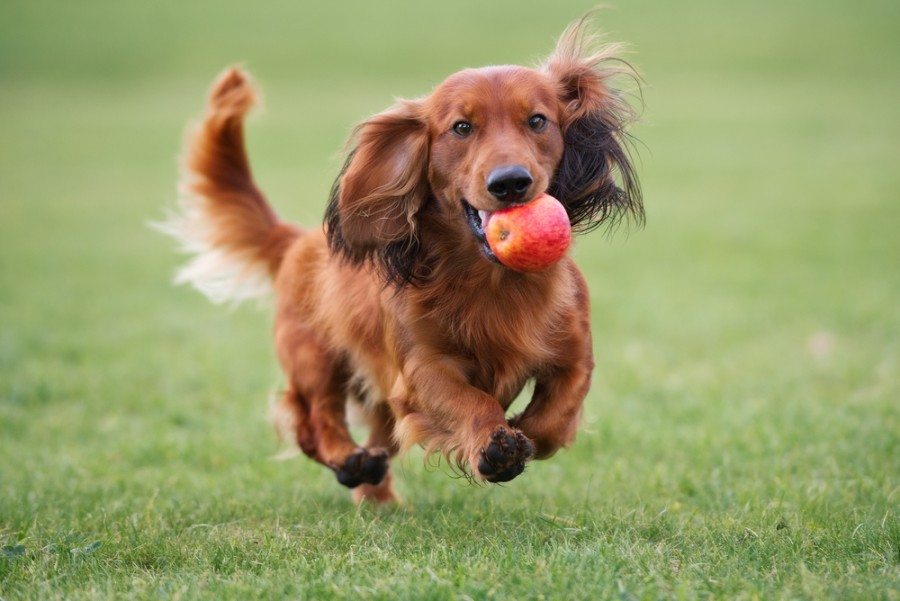
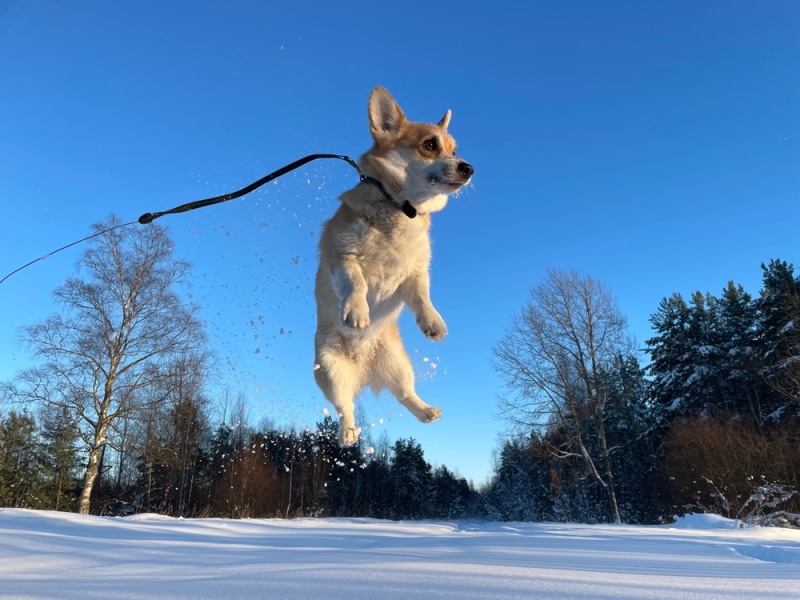
Exercise is so important, but bad exercise might be worse than none at all. Dachshunds need 30–60 minutes of exercise a day. The most common exercise is simply a daily walk, and many love swimming as well. Limit high-impact exercises like sprinting, jumping, hiking through rough terrain, and tug of war as these can cause spinal problems.
6. Use a Harness Collar
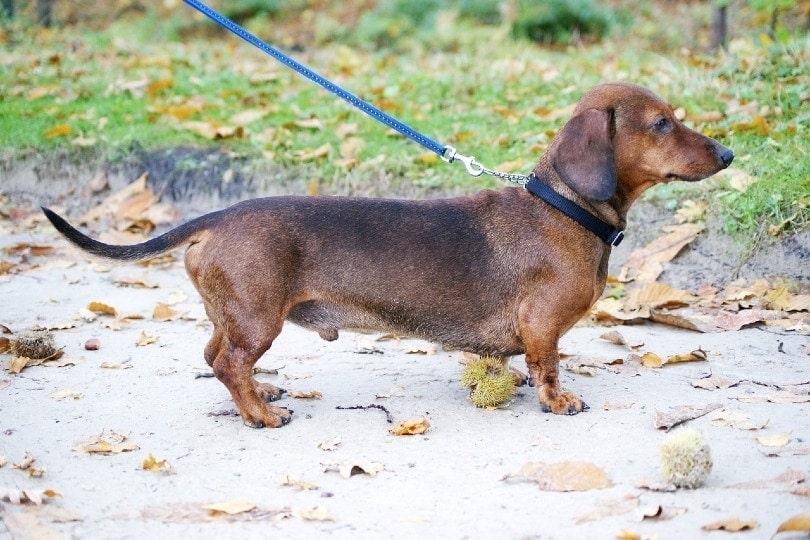
When you walk your Dachshund, collars matter. If your dog has any tendency to pull on the lead, a harness will distribute the pressure across its entire upper body and away from the neck and spine. This will help your dog stay safe and still be able to enjoy a walk. Traditional collars can lead to your dog being jerked around by the neck—not fun for any dog, but especially dangerous for Dachshunds.
7. Pick Up Your Dachshund Safely
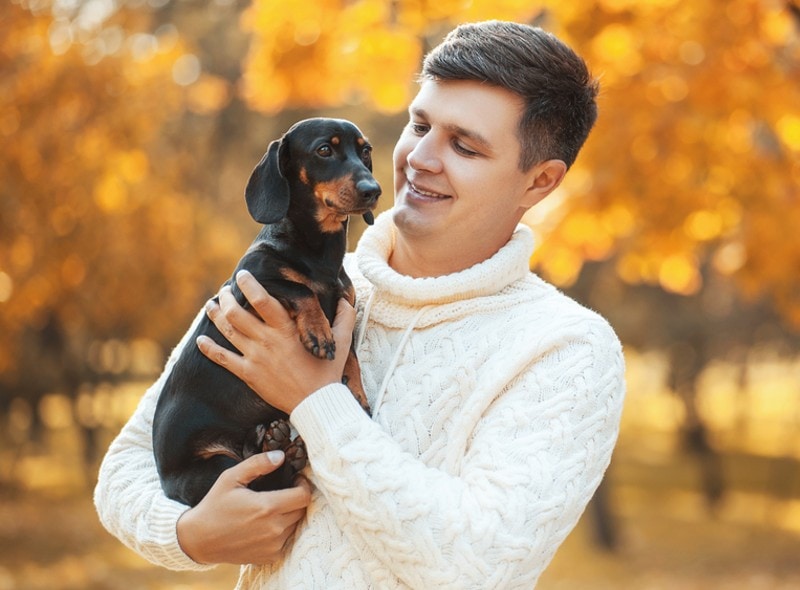
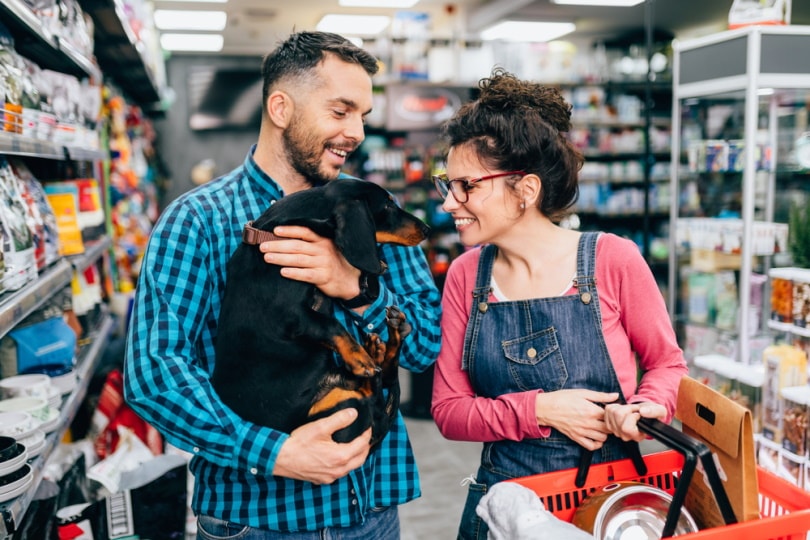
When picking up your Dachshund, the key is good support. You always want to make sure your dog is supported in the front and back. Don’t pick your dog up by the scruff of the neck, by the front section only, or by the middle. Instead, use one hand to support under your dog’s chest or by his front legs and the other to support your dog’s rear legs.
8. Treat Back Pain Immediately
If you do see any sign of back pain, such as stiffness, a change of gait, or inability to use the hindlimbs, act quickly. Often, minor back injuries can become chronic problems because they aren’t allowed to heal. Rest, prescribed pain treatment, and vet care will help small injuries heal before permanent damage sets in. If more serious treatment such as surgery is recommended, don’t wait until your dog can’t walk before going in.

Conclusion
Dachshunds have some unique challenges to consider, but that doesn’t mean they’re insurmountable. This list shows that it’s easy to take steps to reduce the chances of pain for your pet. Each of the items on this list isn’t a big deal to ignore occasionally, but creating good habits will have a huge impact over time.
Sources
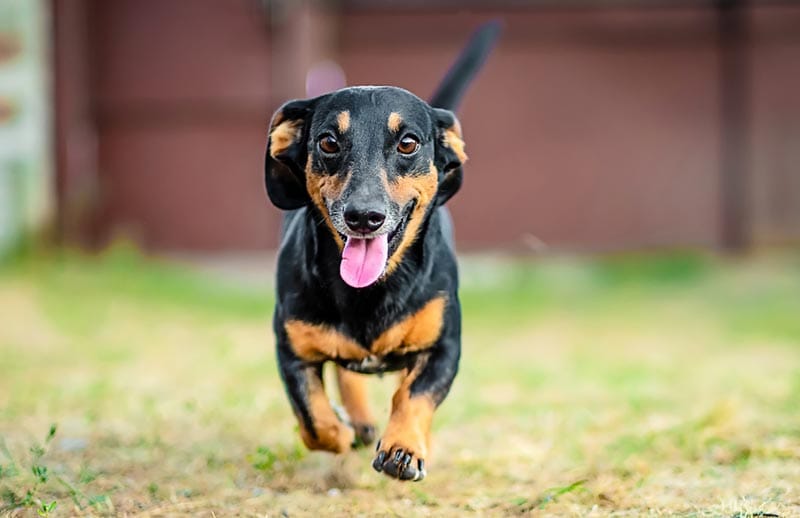
Featured Image Credit: NORRIE3699, Shutterstock
Get Hepper In Your Inbox


Pet care tips from our vets and experts, straight to your inbox.
You may opt-out at any time. View our Privacy Policy for more information.
Chelsea Flake Mortensen is a writer with a passion for pets. She grew up around everything from cats to chameleons and loves working with all kinds of animals. Chelsea has a BA in English and Creative Writing from Brigham Young University.
Chelsea loves reading, writing, sewing, and board games. She's lived in half a dozen US states and two countries. She is currently living in New England with her husband. Her articles have been featured in various magazines and literary journals for children and adults. Her writing has been translated into over 40 languages.
Join the conversation
Ask a question, share your story, or send private feedback.