Hepper is reader-supported. When you buy via links on our site, we may earn an affiliate commission at no cost to you. Learn more.
How To Help a Dog With Hip Dysplasia: 11 Vet-Approved Tips


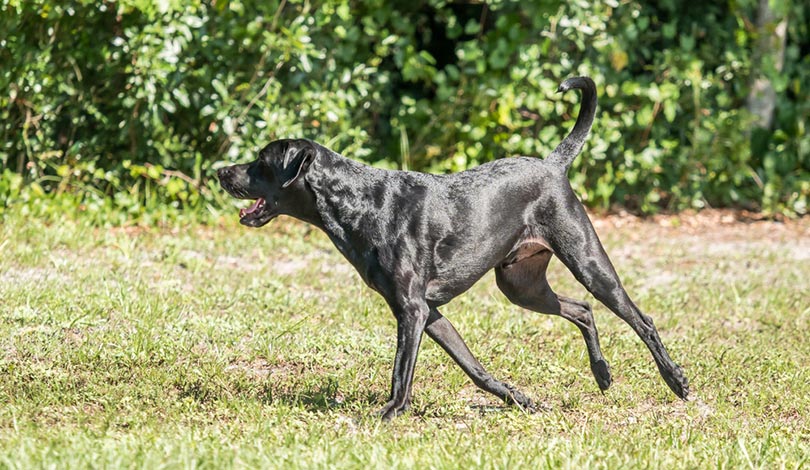
Hip dysplasia is a developmental joint condition more commonly seen in large-breed dogs. It occurs while your dog is growing and essentially results in a hip joint that's not well formed. Over time this is more likely to result in hip arthritis or degenerative joint disease which causes pain.
Hip dysplasia is most often seen in breeds such as German Shepherds, Bernese Mountain Dogs, Golden Retrievers, Labrador Retrievers, Great Danes, Massifs, and St. Bernards. While it's most common in bigger dogs, it's also often seen in Corgis and Bulldogs and can randomly affect just about any pet. Check with your breeder to see if your animal's parents suffered from the condition because it appears to be largely hereditary.
Is there anything you can do to help alleviate the pain from hip dysplasia or improve the symptoms? Yes, and you can read on for 11 ways to help a dog with hip dysplasia.

Top 11 Ways to Help a Dog With Hip Dysplasia:
1. Diet

Overweight canines often struggle with joint pain. Even a few extra pounds can exacerbate arthritis pain and make it more difficult for your dog to get around. Helping your dog shed a few pounds is one of the most effective ways to address the joint pain associated with hip dysplasia.
While it's great to switch your dog to a weight management food, start with assessing their current diet. Look at the feeding guidelines printed on your pet’s food package. Figure out how much your dog needs to eat, and use kitchen scales to ensure you're feeding your pup the right amount. The guidelines are just that, a starting point for your average dog’s needs. Your dog may need to be fed more or more likely less than this amount.
Be honest about extras, does your dog get a biscuit when you are having a cup of coffee, or clean up the floor after the kids? Look for all the extras that your dog is eating and reduce these too.
There are special joint diets that help to control weight and provide joint support nutrients. Chat to your vet or vet tech about your options.
2. Exercise Restrictions
Getting enough exercise is important for dogs' mental and physical well-being. It can be a critical part of any good weight-loss plan and is vital for canine anxiety. Pets that suffer from medical problems such as hip dysplasia need to keep exercising in ways that don't create further joint damage.
If your dog has been diagnosed with hip dysplasia, it's essential to consider factors such as where and how long you exercise your dog. Try to limit your walks to no more than 20 minutes per session. Consider taking your dog on shorter walks, but more often. Avoid games that require your dog to jump, but a little bit of running (if your dog enjoys the activity) is acceptable. You can also go for walks on softer surfaces such as grass, dirt, or your local track instead of sidewalks. Avoid games that involve changing direction quickly such as ball chasing, instead teach your dog to play hide and seek the ball instead.
3. Physical Therapy
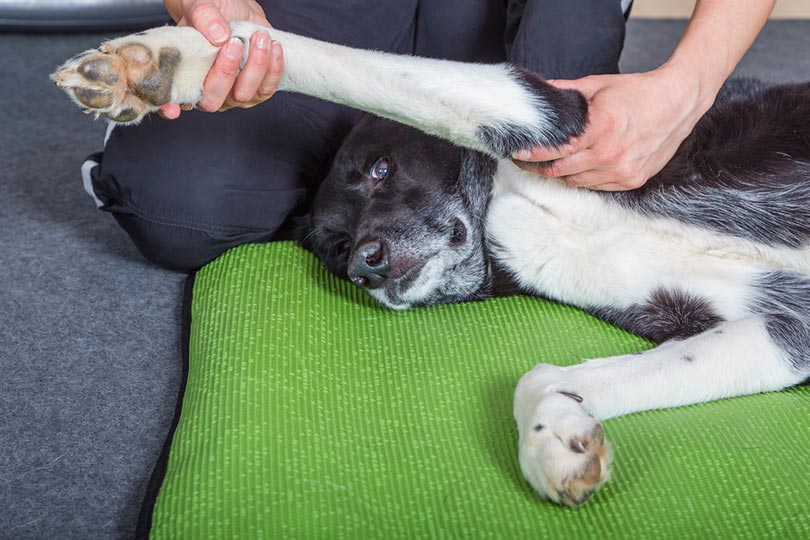
While surgery is an option for severe cases of hip dysplasia, most dogs will benefit from veterinary physiotherapy with a qualified practitioner. Physical therapy can often do wonders to help control your dog's hip dysplasia in the early years. Strengthening weak muscles can help with joint stability, and hip dysplasia is ultimately a condition related to joint instability.
Options include hydrotherapy to strengthen your dog's muscles without placing further stress on their joints, laser therapy for targeted pain reduction, and manual therapy to increase range of motion and help reduce inflammation. There are even canine acupuncturists who specialize in using the ancient technique to improve circulation, reduce pain, and limit inflammation. Potential therapy modalities include underwater treadmills, rotating balance disks, and canine-specific physical therapy balls.
4. Supplements
Many dogs with joint issues benefit from adding supplements to their diet, specifically glucosamine, chondroitin, and green-lipped mussel (GLM) extract. All three are commonly used to improve the symptoms of canine and human arthritis and conditions like hip dysplasia.
Glucosamine reduces joint inflammation, slows cartilage destruction, and supports the repair of old, damaged cartilage. Chondroitin minimizes pain and supports optimal joint function. It's also been shown to help limit further joint degradation. It's a natural substance that comes from fish, shark, pig, and bird cartilage.
GLM extract reduces joint pain and helps prevent further joint degradation. It's full of beneficial nutrients such as omega-3 fatty acids, antioxidants, and amino acids that work together to provide joint support. There are several canine-specific treats and powders to choose from that'll provide your pet with the supplementation they need.
5. Anti-Inflammatory Medications
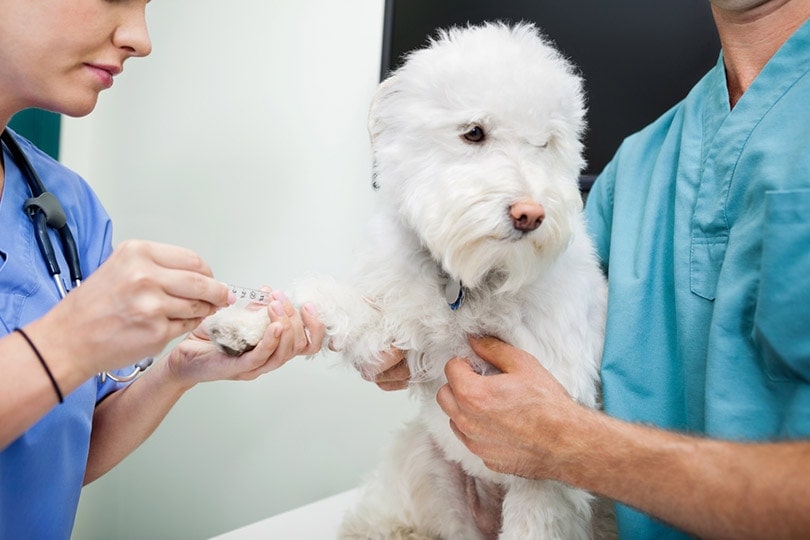
Dogs with joint problems often benefit from anti-inflammatory medications, as they can help reduce the swelling associated with unstable joints and lost cartilage, contribute to effective pain management, and improve mobility.
There are two general types of anti-inflammatory medications: steroidal and non-steroidal. Steroids are powerful medications that can quickly reduce inflammation and provide a great deal of relief from joint pain. Unfortunately, they can come with side effects. Steroids are not commonly used for arthritis caused by hip dysplasia.
Medications such as Previcox, Galliprant, and Novox are just a few of the prescription non-steroidal anti-inflammatory drugs (NSAIDs) available for canines that your vet may prescribe. The medications are generally fine for dogs to take for extended periods. Any long-term medication will require regular checkups by the vet and possibly lab tests to monitor liver and kidney values. Some dogs are more sensitive to digestive issues and typically require you to monitor your pet's overall health closely.
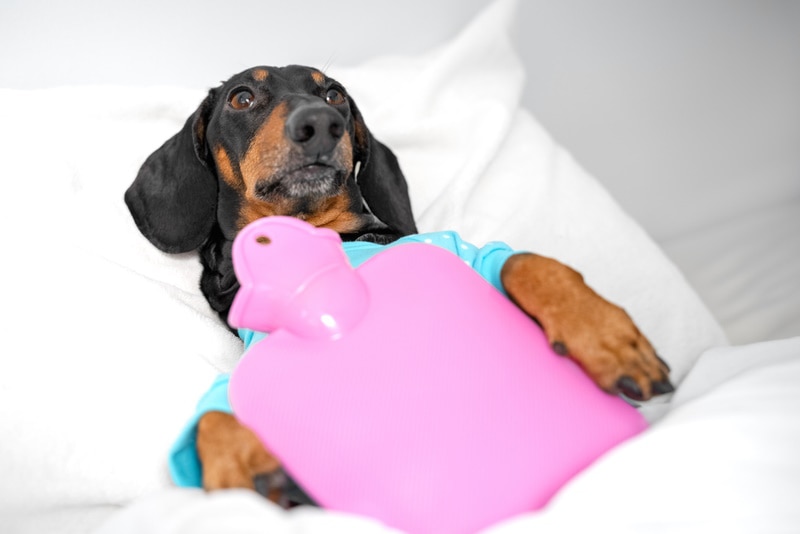
6. Warm Water Bottles
Consider investing in a hot water bottle with a fabric cover to help warm your canine companion's sore joints. Remember, you don't want to use boiling water, which can become too hot and burn your dog. Use warm but not overly hot water to be on the safe side. Allow your pup to relax with the warm water treatment for approximately 15 minutes 2 times a day or so for best results. Your dog must be supervised the entire time with any heated product so as to avoid serious burns.
Rice-filled socks are another safe option! They're easy to make and mold to your dog’s joints, providing all-over comfort. Avoid heating pads as they often become too hot, and if your dog has limited mobility, they might end up with a nasty burn if they can't move away.
Self warming mats that use your dog’s body heat and store it to keep them cozy are also an option.
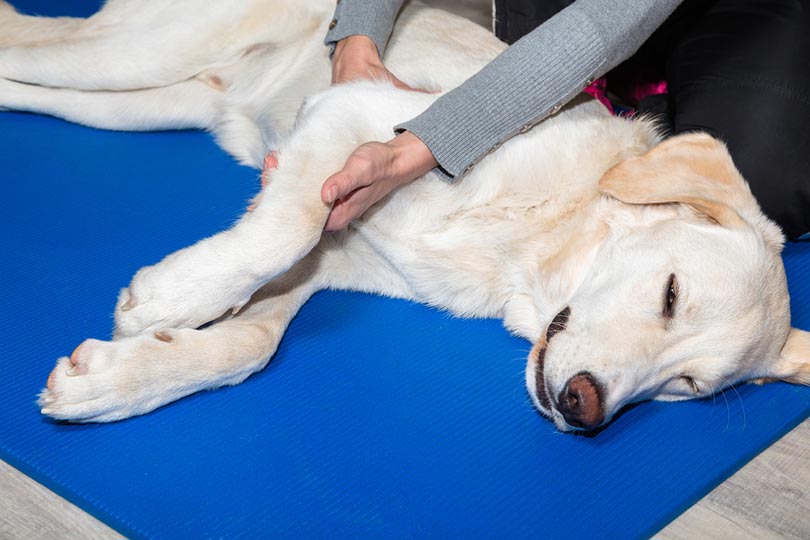
7. Massage

Many veterinarians recommend massaging your dog's hip joints to help stimulate circulation and provide soothing pain relief. While massage helps some dogs, it appears to exacerbate pain in others, so pay close attention to how your dog reacts. Gently run your hands over your dog's hips before you get started and note any sensitive areas. Make sure to avoid pain points during the massage.
If you decide to try massages, limit your efforts to around 10 minutes per day. Use light, gentle strokes and move your hands in a circular motion around your dog's hip joint. If your dog loves the attention and it appears to help, consider reaching out to a canine physical therapist for guidance on the most effective techniques for your dog's condition.
8. Temperature Control
Cold, damp environments are miserable for people and dogs with joint conditions. While no one is suggesting that you move to a different state to find a better climate for your dog, there are ways you can ease the impact of cold, damp weather on your pet.
If you live in an area with cold, wet winters, consider investing in high-quality pet outerwear to keep your dog nice and cozy on walks. A jacket for outdoor adventures and a sweater for indoors can go a long way toward keeping your arthritic friend comfortable.
Make sure to provide blankets and cozy places for your dog to snuggle during the day when you're gone and at night when the temperature drops.
9. Traction and Climbing Support
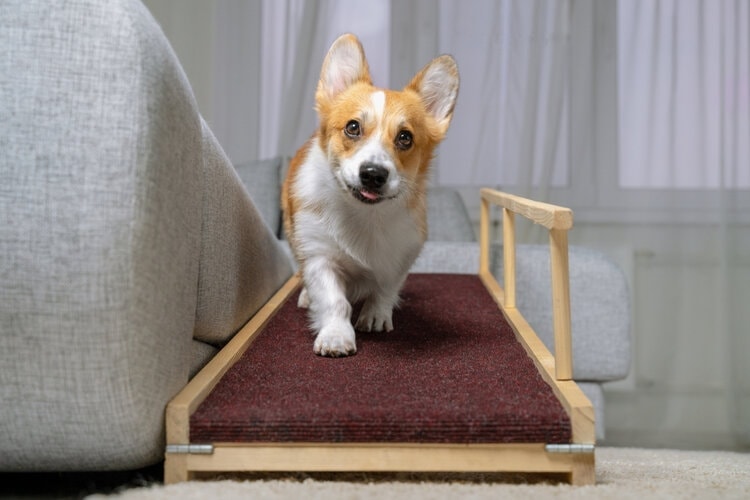
Dogs with joint problems often have trouble maintaining their footing. This has several consequences; many dogs become tentative when they move around, which alters their gait and places further stress on sensitive joints.
Providing traction on slick surfaces can help your dog feel more confident moving around your home. Installing doggie stairs and ramps around the house to help your dog get to high places can keep your pup happy while at the same time minimizing wear and tear on vulnerable joints. There are several easy and cheap DIY ramp and doggie stair plans online you can build in an afternoon.
Ramps are also recommended for getting in and out of the car.
10. Orthopedic Bed
Orthopedic beds for dogs can increase your companion's overall comfort. There are essentially two styles: bolsters and pillows. Bolsters provide an edge for your dog to rest against, while pillows are comfy cushions you put on the floor. You can also find bolsters with one side cut out to make it easy for dogs with severe mobility issues.
Look for products made with human-grade orthopedic foam that distributes your dog's weight. This prevents all of your dog's weight from resting on their sore hip joint and, over time, can help relieve joint pain. Most doggie beds come in various sizes, so try to purchase one that provides your canine enough room to relax in their favorite sleeping positions.
11. Surgery

While conservative treatment options often work wonders for stabilizing the progression of hip dysplasia or reducing the pain associated with the condition, surgery is sometimes the only option.
Double or triple pelvic osteotomy is often recommended for younger dogs. Puppies less than 10 months old are the target group for the procedure that involves operating directly on specific segments of the pelvic bone. Another option, femoral head ostectomy, involves removing the femoral head. The surgery essentially relieves pain by creating a false joint.
Total hip replacement (THR) is the gold standard for treating canine hip joint disease. With THR, your dog receives a new hip ball and socket joint made of either plastic or metal. Remember that your dog must weigh at least 40 pounds to be a candidate for THR surgery. Currently, prostheses are only available in larger sizes.
Final Thoughts
While a hip dysplasia diagnosis can be devastating news, it doesn't mean your dog is condemned to a lifetime of discomfort and pain. The ideal way to treat hip dysplasia is prevention. If you've adopted a pet from a breed prone to developing the condition, work closely with your veterinarian to develop a growth and weight monitoring plan to keep an eye on things while your puppy is young. If your dog does develop hip dysplasia, there are many options to help keep them comfortable for longer.
Sources
https://vcahospitals.com/know-your-pet/steroid-treatment-long-term-effects-in-dogs
https://vcahospitals.com/know-your-pet/steroid-treatment-long-term-effects-in-dogs
https://www.greatpetcare.com/dog-health/10-dog-breeds-prone-to-hip-dysplasia/
https://www.akc.org/expert-advice/health/hip-dysplasia-in-dogs/
https://www.akc.org/expert-advice/health/joint-supplements-help-dogs-arthritis/
https://www.akc.org/expert-advice/health/joint-supplements-help-dogs-arthritis/
https://vcahospitals.com/know-your-pet/steroid-treatment-long-term-effects-in-dogs
Featured Image Credit: Avaniks, Shutterstock
Get Hepper In Your Inbox


Pet care tips from our vets and experts, straight to your inbox.
You may opt-out at any time. View our Privacy Policy for more information.
Lorre Luther a reformed lawyer from the United States, she moved to the Netherlands to follow her dream and become a writer. Currently living in Rotterdam, Lorre enjoys traveling and reveling in the astonishing beauty of our planet. As an animal lover, Lorre is convinced that cats are smarter than humans.
Join the conversation
Ask a question, share your story, or send private feedback.