Hepper is reader-supported. When you buy via links on our site, we may earn an affiliate commission at no cost to you. Learn more.
How to Stop a Dog from Chewing Everything When Home Alone: 15 Effective Tips

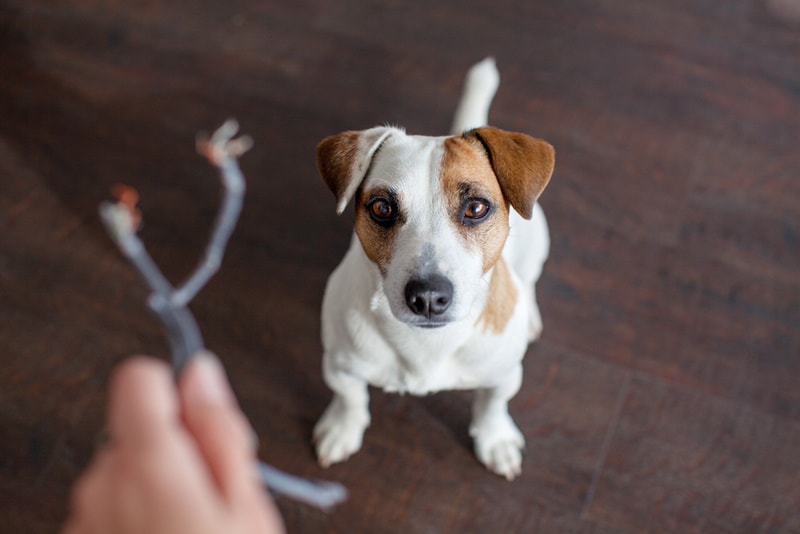
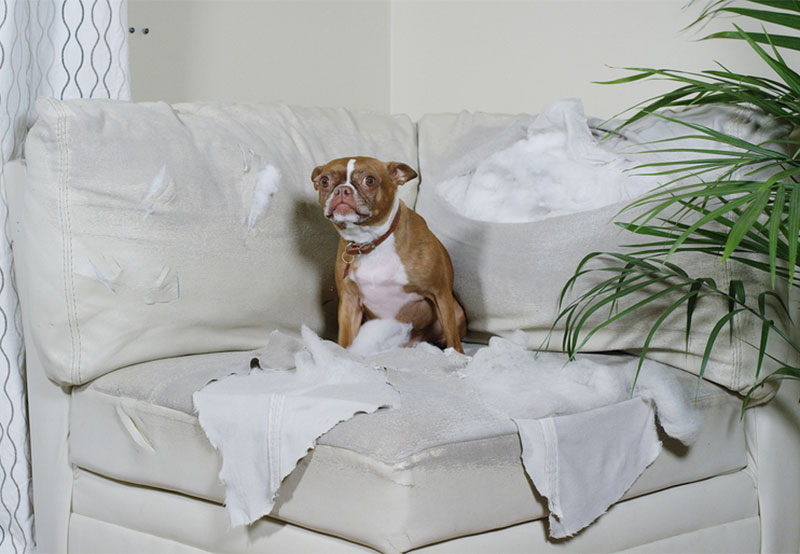
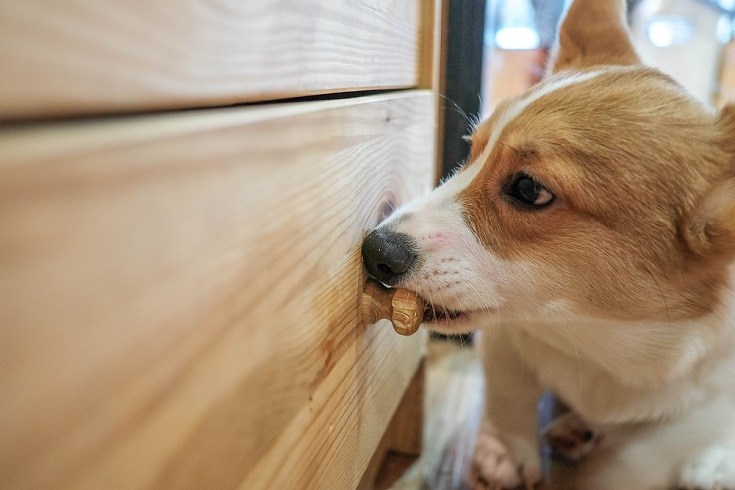
Owning a pet can be a great experience, but when they become destructive and start chewing on furniture, walls, and bedding, it can be frustrating, especially if they do it when you are not home. If this is happening to you, keep reading for several tips and tricks that you can use to get them to stop chewing everything when home alone.
If you need help with training your dog, we suggest speaking with a vet online.

The 15 Tips to Stop Dogs From Chewing When Home Alone
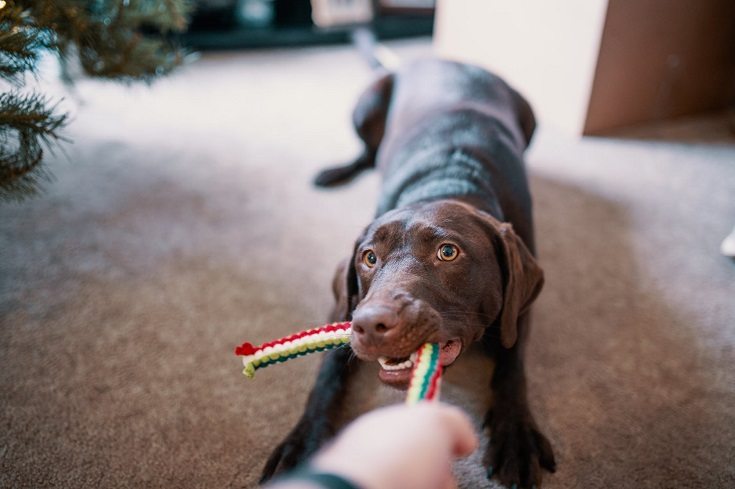
1. Provide Chew Toys
One way to stop your pet from chewing up the house is to provide access to various safe and durable chew toys. Choose ones specifically designed for chewing, such as Kong toys or nylon bones. Offer a variety of textures and shapes to keep your dog interested, and rotate the toys regularly to keep them novel and engaging.
2. Puppy-Proof the Environment
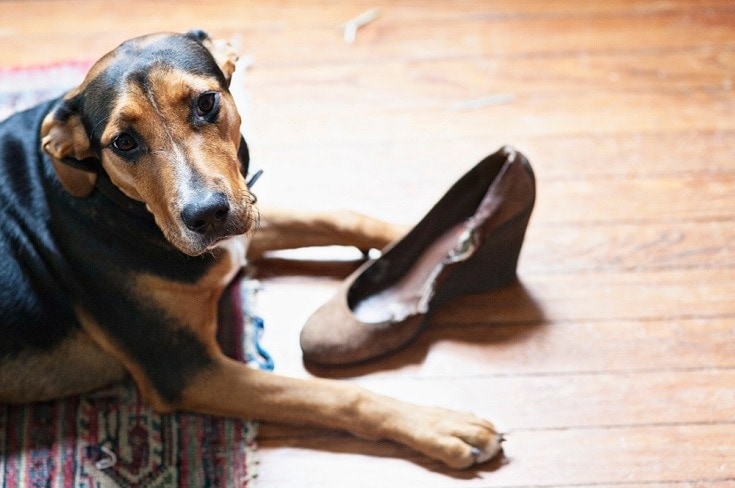
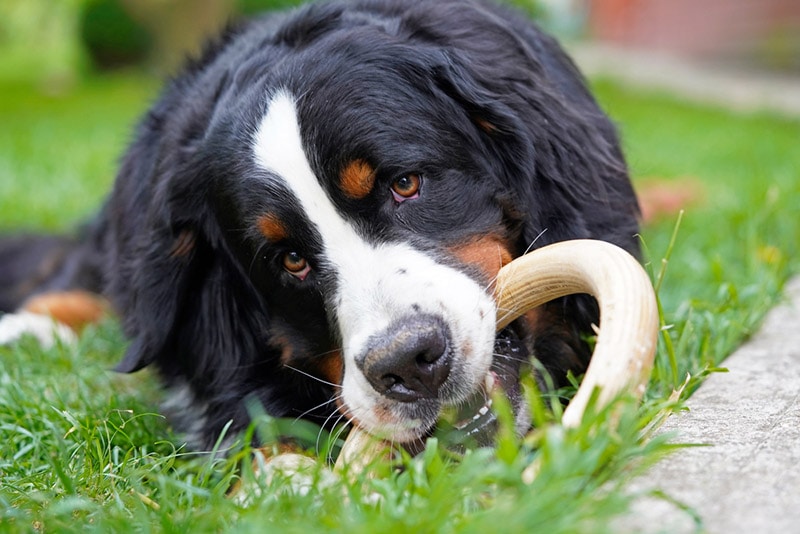
Puppies are curious animals that love to explore their environment, which might lead them to areas where they can find things to chew, like shoes, clothing, and electrical cords. Carefully go over your home to ensure that these items are out of reach, and use baby gates or crate training to confine your dog to a safe area where they cannot access things that they shouldn’t chew.
3. Increase Exercise
A tired dog is less likely to engage in destructive chewing, so take them for a long walk, play fetch, or engage in interactive play sessions before you leave. The more active you can get your dog, the more relaxed they will be later. It will also help them maintain a healthy weight and reduce the risk of health problems associated with obesity.
4. Provide Mental Stimulation
You can stimulate your pet mentally with puzzle toys, treat-dispensing toys, and obedience-training exercises. Like physical activity, mental stimulation can tire out your dog so they are more relaxed when you are gone. Your dog can also continue to play, so they are less likely to become bored or frightened and start chewing.
5. Use Positive Reinforcement
When you catch your dog chewing on their toys or designated items, praise them and offer treats or verbal encouragement. This positive reinforcement helps them associate chewing on appropriate items with positive outcomes, and they will likely spend more time chewing on those items and less on things that don’t get them treats, even when you aren’t around.

6. Consider Deterrents
Various deterrents can help discourage your dog from chewing on inappropriate items, including bitter apple sprays, bitter-tasting chew deterrents, and pet-safe repellents that you can apply to objects that you want to protect. The unpleasant taste or scent can discourage your dog from chewing on inappropriate items without harming them.
7. Avoid Punishment
It’s important to avoid punishing your dog for chewing behavior, especially long after the fact. Dogs live in the present moment, so it’s too late to discipline them if you come home and find something chewed up. Yelling will only create fear and anxiety, and they may begin to associate you being gone with them getting yelled at upon your return, and they might chew even more. Instead, focus on positive reinforcement and redirection.
8. Use Crate Training
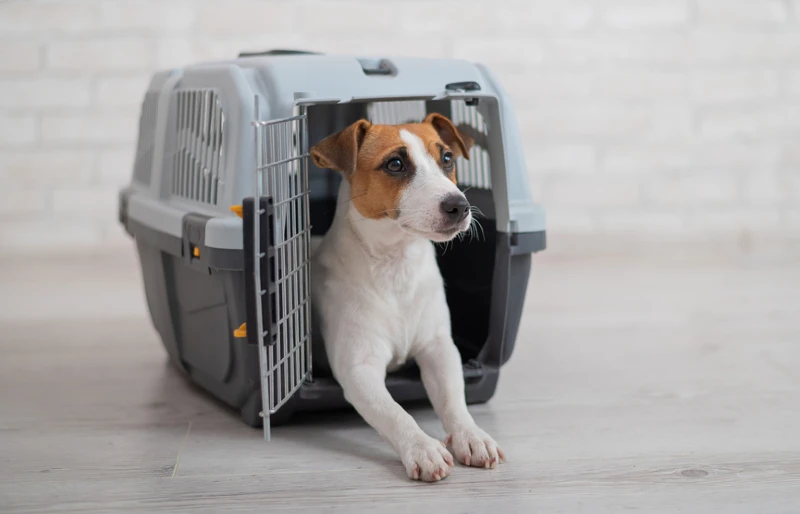
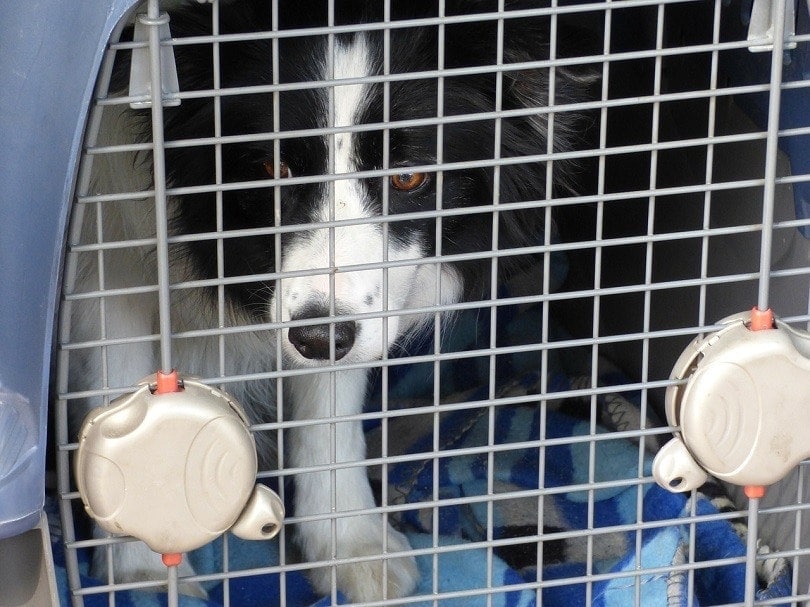
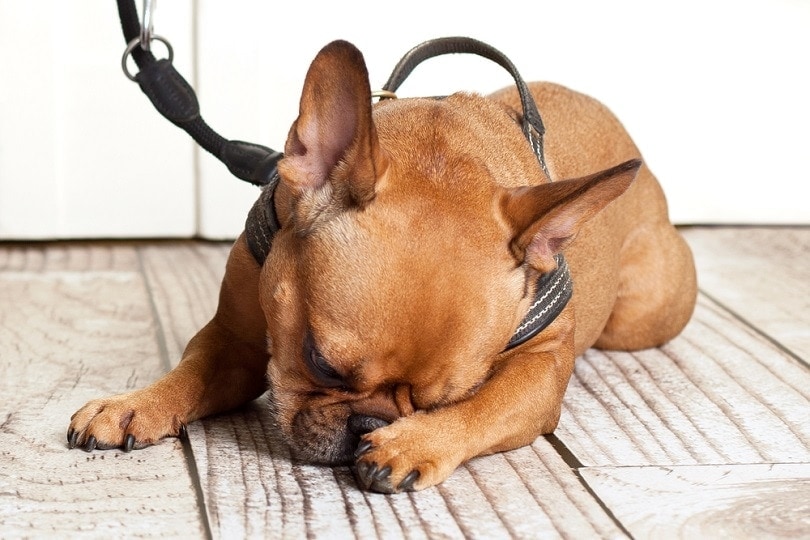
A crate can be a valuable tool to prevent destructive chewing while you’re away. Ensure that it is properly sized and comfortable for your dog, then introduce it gradually, using positive reinforcement to create a positive association. Put enticing toys or chews in the crate to keep your dog occupied and help redirect their chewing behavior.
9. Socialize Them
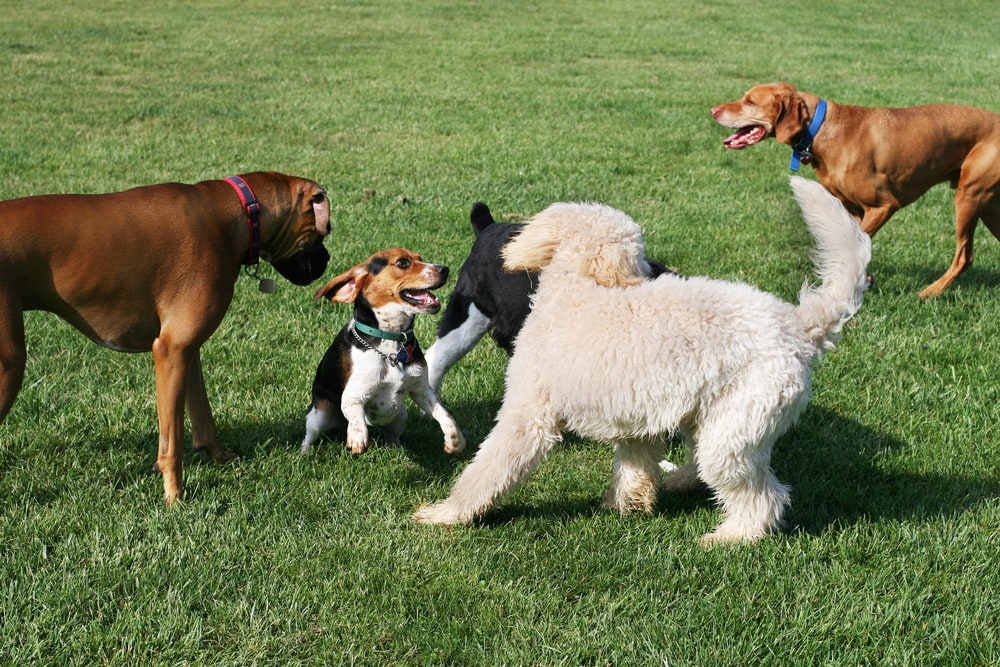
Increase your dog’s socialization by exposing them to new people, environments, and experiences as often as possible, starting when they are still a puppy. This will help build their confidence and reduce anxiety when left alone, which is often the cause of chewing.
10. Provide Distractions
In many cases, distractions like a television or radio can help mask loud and potentially disturbing sounds from outside, helping your dog remain calm when home alone.
11. Provide Plenty of Water
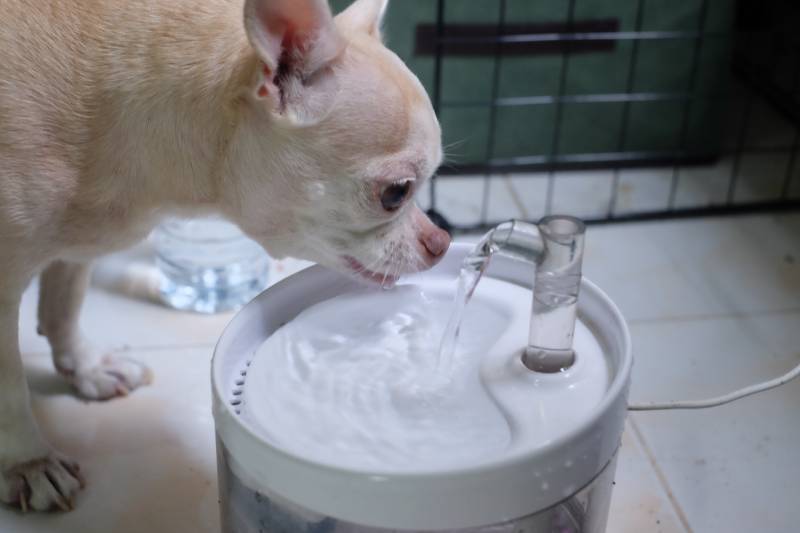
When you are not home, ensure that your pet has plenty of water to stay hydrated. A water fountain can help keep your pet more comfortable and secure when at home alone.
12. Consider Doggy Daycare or a Pet Sitter
If your dog consistently engages in destructive chewing when left alone, consider enrolling them in doggy daycare if you are only gone a few days a week. A pet sitter can also be helpful and often less expensive, so they are a good choice if you need them daily. A sitter will provide them with companionship and stimulation while you’re away, reducing the likelihood of destructive behavior.
13. Address Separation Anxiety
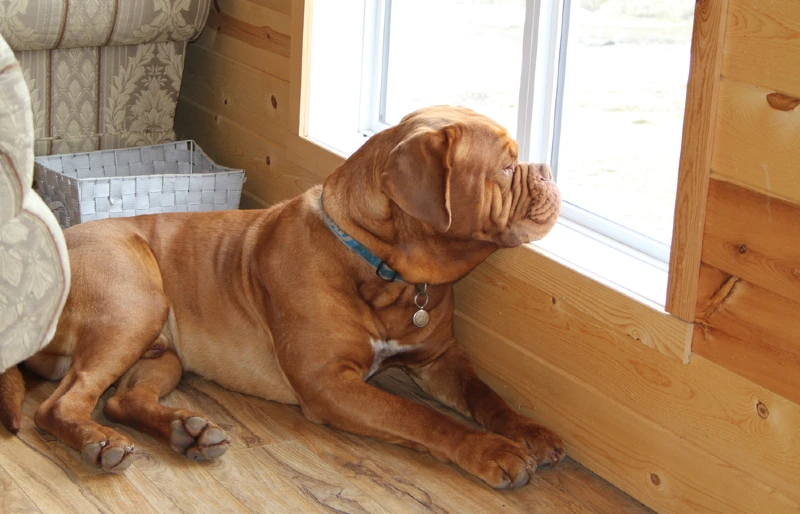
Chewing can indicate separation anxiety in dogs. If your dog displays signs of distress when left alone, such as excessive barking, pacing, or destructive behavior, it’s essential to address the underlying anxiety. Talk it over with a professional dog trainer or behaviorist, and they can help develop a training plan to alleviate separation anxiety.
14. Do Gradual Alone-Time Training
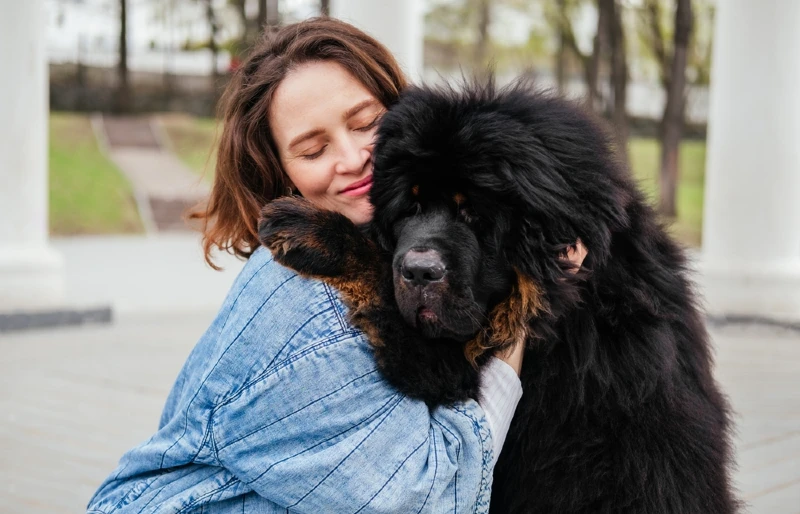
Some dogs may need gradual training to become comfortable with being left alone. Start by leaving your dog alone for short periods and gradually increasing the duration. Use positive reinforcement and rewards when your dog remains calm and doesn’t use destructive chewing to cope with your absence. Be patient and consistent for the best results. After several weeks, you will likely be able to spend more time away from home.
15. Get Professional Help
A professional trainer can provide guidance tailored to your specific situation, and they usually have the experience to make the process move faster. A professional trainer might also be able to provide tips that you can use at home.


Summary
Getting your dog to stop chewing on things when home alone can take a while, but gradual alone-time training can help them adjust. Providing plenty of toys can give them something to do, and taking them for a walk or run before you go can tire them out so they don’t have pent-up energy that they need to release through chewing. Avoid punishing your pet. Instead, use positive reinforcement when they chew on appropriate items to get them to make the connection. If all else fails, hire a professional with the experience to train your pet quickly.
See also:
Featured Image Credit: Gladskikh-Tatiana, Shutterstock
Get Hepper In Your Inbox


Pet care tips from our vets and experts, straight to your inbox.
You may opt-out at any time. View our Privacy Policy for more information.
Ed Malaker is a veteran writer who has contributed to a wide range of blogs that cover pets, tools, guitars, fitness, and computer programming. When he’s not writing, Ed is usually performing DIY projects around the house or working in the garden. He’s also a musician and spends a lot of time helping people fix their guitars and composing music for independent films.
Join the conversation
Ask a question, share your story, or send private feedback.