Hepper is reader-supported. When you buy via links on our site, we may earn an affiliate commission at no cost to you. Learn more.
How to Surrender a Dog: 8 Critical Steps You Need to Know

In this article
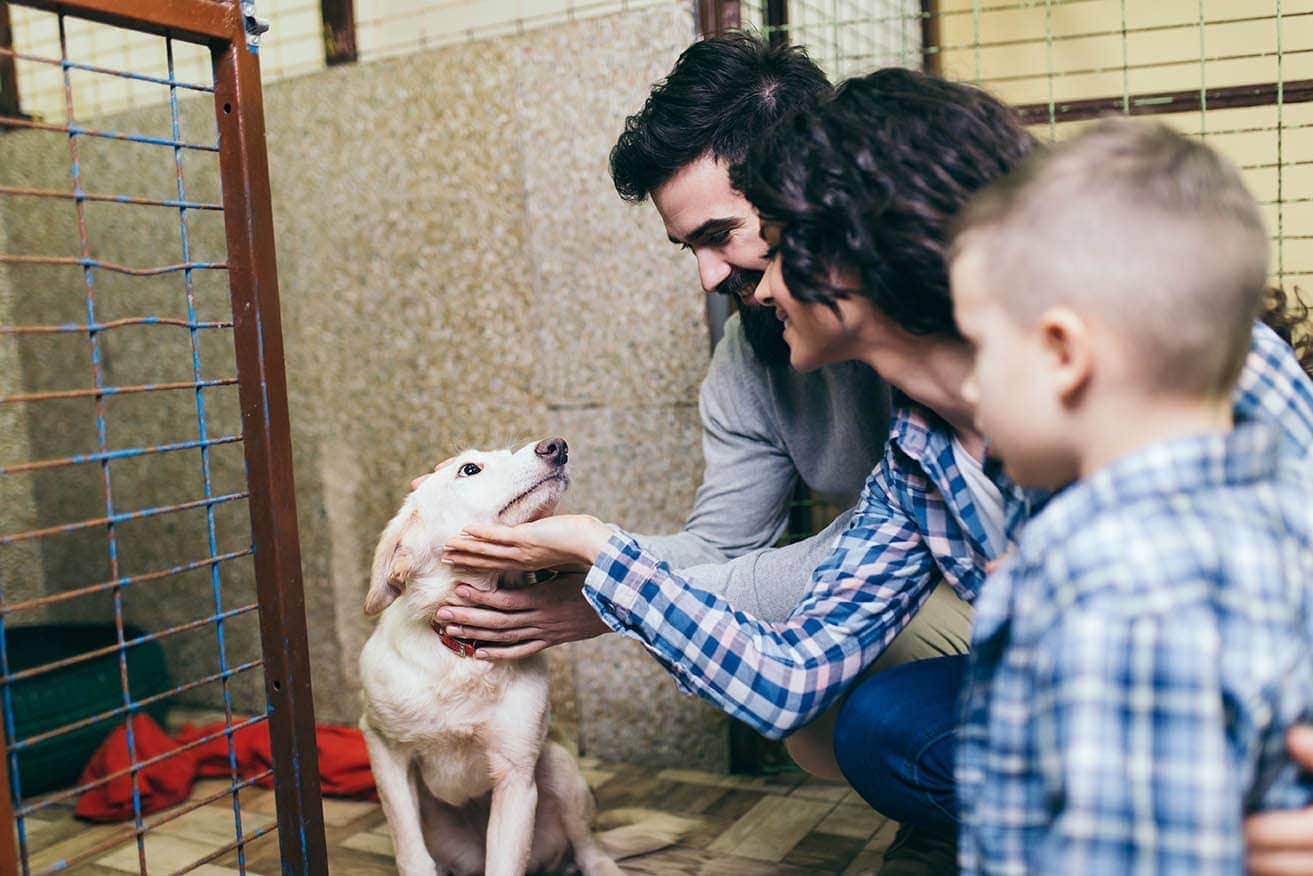
Surrendering a dog is never an easy decision, but sometimes it's the best choice for the dog and owner. Whether due to financial struggles, health issues, or behavioral problems, rehoming your pet might be the most responsible option. This article will outline the critical steps you need to know when surrendering a dog. By following these guidelines, you can ensure a smoother transition for both you and your furry friend.

The 8 Steps for Surrendering Your Dog
1. Assess Your Situation
Before making the difficult decision to surrender your dog, take some time to evaluate your circumstances. Consider whether there are alternative solutions that could keep your pet in your home. These might include:
If, after assessing your situation, you still believe that surrendering your dog is the best choice, proceed with the following steps.

2. Research Local Animal Shelters and Rescues
Start by researching local animal shelters and rescue organizations in your area. Look for reputable organizations with positive reviews and a history of successful adoptions. Be prepared to provide information about your dog, including their breed, age, medical history, and temperament.
Some questions to ask when researching shelters and rescues include:
3. Prepare Your Dog's Paperwork
Gather all relevant paperwork related to your dog's medical history, vaccinations, and any other important documents. This information will be helpful to the shelter or rescue organization and can improve your dog's chances of finding a new home. If your dog is microchipped, be sure to update the contact information on the chip before surrendering them.

4. Gather Your Dog's Belongings
Collect your dog's belongings, such as their bed, toys, leash, collar, and food bowls. Bringing these items with you when surrendering your dog can help ease their transition into a new environment. It can also provide potential adopters with a better understanding of your dog's needs and preferences.
5. Schedule an Appointment with the Shelter or Rescue
Once you have chosen a reputable shelter or rescue organization, contact them to schedule an appointment to surrender your dog. Be prepared to answer questions about your dog's history, behavior, and any medical issues they may have. Transparency is crucial in this process, as it will help the organization find the best possible match for your dog.

6. Spend Quality Time with Your Dog Before the Surrender
Before the day of the surrender, spend some quality time with your dog. Take them for a walk, play with them, and give them plenty of love and attention. This can help reassure your dog during this difficult time and make the transition a little easier for both of you.
7. Be Prepared for Emotions
Surrendering a dog can be an emotional experience for both you and your pet. Allow yourself to feel whatever emotions arise during this process. It's important to remember that you are making this decision in the best interest of your dog, and it's okay to feel sad or overwhelmed.

8. Follow Up with the Shelter or Rescue
After surrendering your dog, it's natural to wonder how they are adjusting to their new environment. Don't hesitate to follow up with the shelter or rescue organization to check on your dog's progress. Many organizations are happy to provide updates and may even share photos or stories of your dog in their new home.

The 10 Situations in Which It's Best to Surrender a Dog
While it's never easy to decide to surrender a dog, there are certain situations where it might be the most responsible choice. Here are ten situations in which it may be best to surrender a dog. In each of these situations, the decision to surrender a dog should not be taken lightly. It's essential to carefully consider all options and make the choice that will best serve the well-being of both you and your beloved pet.
1. Financial Struggles
If you're experiencing financial difficulties and cannot afford to provide your dog with proper food, medical care, and other necessities, rehoming may be the best option for their well-being.

2. Health Issues
If you or a family member develop severe allergies or other health problems that make it impossible to live with or care for a dog, surrendering them may be the best course of action.
3. Behavioral Problems
If your dog has severe behavioral issues, such as aggression or destructive tendencies, that you've been unable to address despite professional help, it may be in everyone's best interest to find a more suitable environment for the dog.

4. Inadequate Living Space
If you live in a small apartment or a home without a yard, it may not be the ideal environment for a large or energetic dog. In this case, rehoming your dog to a place with more space could improve their quality of life.
5. Change in Family Dynamics
Significant life changes, such as divorce, the birth of a child, or the death of a family member, can impact your ability to care for your dog. In these situations, surrendering your dog may be the most responsible decision.
6. Lack of Time
If your work schedule or personal commitments leave you with little time to care for your dog, it may be best to find a new home where they will receive the attention and companionship they need.
7. Incompatibility with Other Pets
If your dog is not getting along with other pets in your household, despite attempts to address the issue, it may be best to rehome your dog to prevent further conflicts and ensure the safety of all animals involved.

8. Relocation
If you are moving to a new city, state, or country with strict pet regulations or where finding pet-friendly housing is difficult, it may be in your dog's best interest to find a new home in their current location.
9. Aging or Disabled Owner
As people age or become disabled, they may no longer be able to provide adequate care for their dogs. In these cases, surrendering the dog to a loving home can ensure they receive proper care and attention.

10. Military Deployment
If you're in the military and face a long-term deployment, it may be challenging to find someone willing to care for your dog during your absence. Surrendering your dog to a reputable organization can help ensure they find a stable, loving home while you're away.
The Emotional Impact of Surrendering a Dog and Prioritizing Their Best Interest
Surrendering a dog is a traumatic experience for both the owner and the pet. It's essential to understand the emotional impact of this decision and ensure that it's made in the best interest of the dog. This section will discuss the emotional aspects of surrendering a dog and highlight the importance of prioritizing their well-being.
Emotional Trauma for the Owner
As a dog owner, you've likely developed a deep bond with your pet, and the thought of parting ways can be heartbreaking. It's normal to experience a range of emotions, including guilt, sadness, and anxiety. You may question whether you've done everything possible to keep your dog or if there are other options you haven't considered. It's important to remember that surrendering a dog is not a sign of failure but rather an acknowledgment that you want what's best for them, even if it means letting them go.

Emotional Trauma for the Dog
Dogs, too, experience emotional trauma when they're separated from their owners. They may feel confused, frightened, and abandoned as they adjust to a new environment without their familiar family. This can lead to depression, anxiety, and behavioral issues. However, dogs are resilient animals, and with time, patience, and love, they can adapt to their new surroundings and form strong bonds with their new families.
Prioritizing the Dog's Best Interest
When faced with the difficult decision to surrender a dog, it's crucial to prioritize their best interest. This means considering factors such as their physical and emotional well-being, compatibility with other pets or family members, and long-term care requirements. It's also essential to research and choose reputable shelters or rescue organizations that will provide a safe, nurturing environment for your dog until they find a loving forever home.
Before making the decision, exhaust all possible avenues to improve the situation, such as seeking professional help for behavioral issues, exploring financial assistance options, or finding temporary housing solutions. If, after careful consideration, it's clear that surrendering your dog is the best option for their well-being, approach the process with a compassionate and responsible mindset.

Conclusion
Surrendering a dog is a difficult decision, but by following these critical steps, you can help ensure a smoother transition for both you and your pet. Remember to assess your situation thoroughly, research local shelters and rescues, prepare necessary paperwork and belongings, and allow yourself to process the emotions that come with this challenging choice. By doing so, you're taking responsible action to improve your dog's quality of life and increase their chances of finding a loving forever home.
Featured Image Credit: dodafoto, Shutterstock
Get Hepper In Your Inbox


Pet care tips from our vets and experts, straight to your inbox.
You may opt-out at any time. View our Privacy Policy for more information.

Nicole is a lover of animals of all sizes but is especially fascinated with the feline variety. She’s the proud mom of Baby, a Burmese, and works every day so he can relax in the sunshine or by the fire. She’s always had a cat in her home and has spent countless days with others, observing behaviors and softening up even the grouchiest of the lot. Nicole wants to share her kitty expertise with you so you and your cat can live happy, healthy, and care-free.
Join the conversation
Ask a question, share your story, or send private feedback.