Hepper is reader-supported. When you buy via links on our site, we may earn an affiliate commission at no cost to you. Learn more.
Do Parrots Have Teeth? Vet-Reviewed Science & Information


In this article
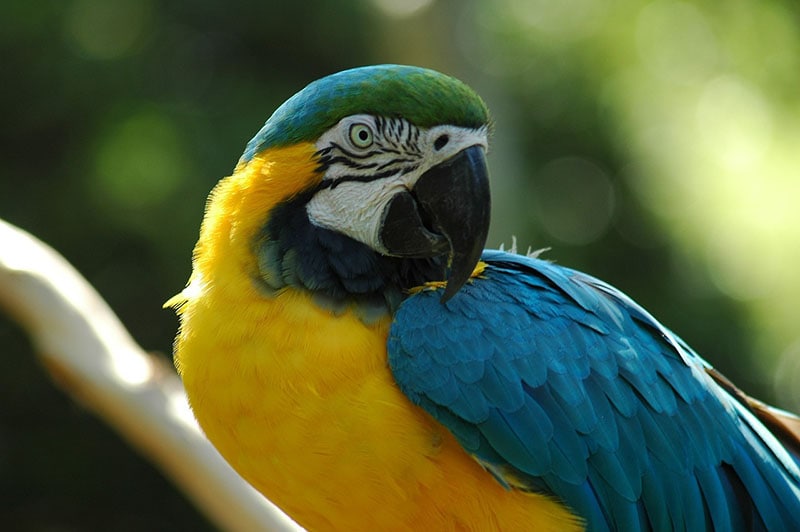
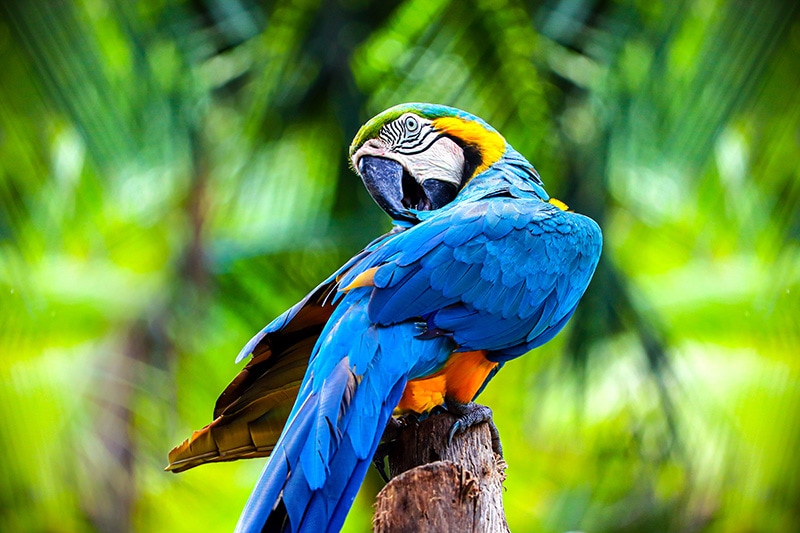
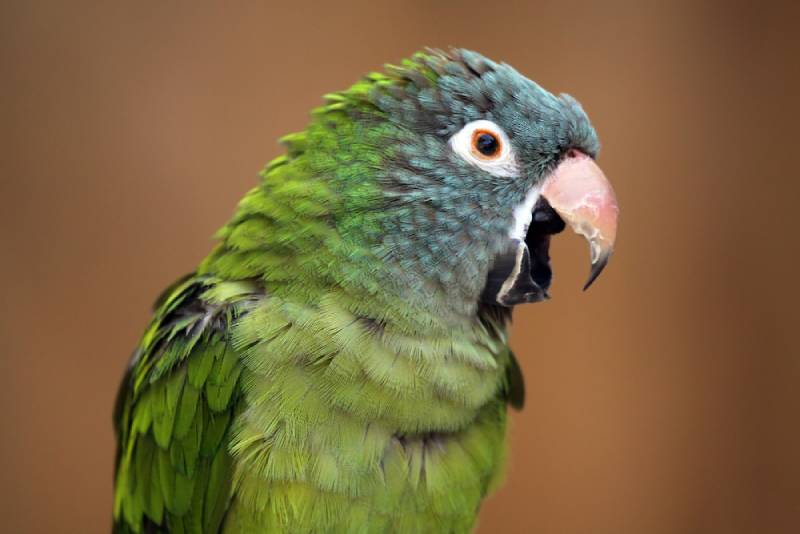
Watching a parrot rip open a walnut shell and eat the insides would make you think they must have teeth. Some birds can crack seeds that we’d have to use a mallet or tool to open. Yet, parrots manage to eat without teeth. Their beaks serve this purpose perfectly well without a set of teeth. The reason lies in evolution, flying, and survival.

Bird Evolution
Birds may have had teeth in the evolutionary past. After all, they are descendants of a group of dinosaurs called theropods. They were non-flying reptiles and related to the fearsome Tyrannosaurus rex. Birds are also part of a subclass known as archosaurs. This group includes crocodiles and all living birds, including parrots. Their ancestors existed during the Middle Triassic period, roughly 246 million years ago.
As we know them, birds evolved during the Late Cretaceous, about 100.5 to 66 million years ago. Somehow, they survived the great extinction event that killed off the non-avian dinosaurs at the end of this period. Today, crocodiles and birds are practically living dinosaurs.
It’s worth noting that some reptiles shared bird-like traits, such as feathers and hollow bones, things we associate only with birds. Scientists theorize they may have provided warmth and insulation for the animals, making them a possible factor in their survival. About 40% of modern-day bird characteristics evolved during the progression from archosaurs.
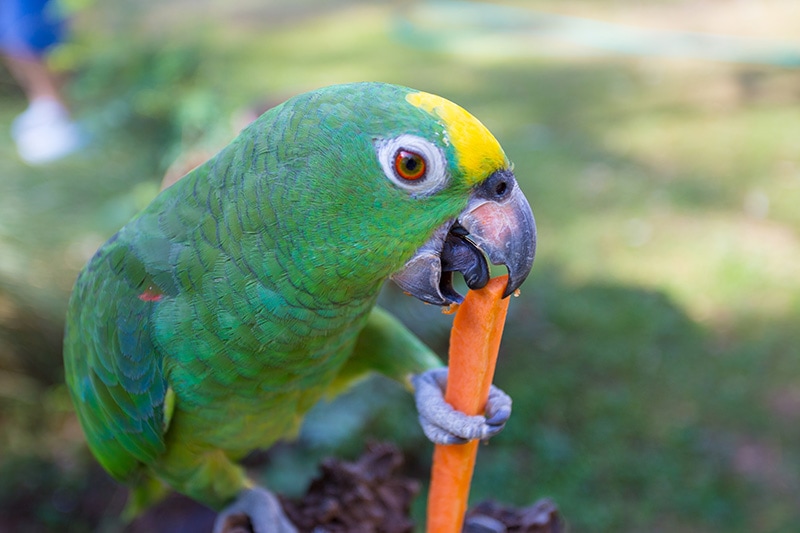
The Loss of Bird Teeth
Birds continued to change through the ages. They acquired the gait they have today. They descended from egg-laying animals and retained this trait. Their avian ancestors also diversified. Some of the critical adaptations involved flight and vision. Science used to subscribe to the theory that the former guided the latter. However, new research suggests it’s the other way around instead.
Most birds, except owls, have eyes on the sides of their head. The area where their vision overlaps is narrow. The driving factors of their evolution are finding food and keeping their eyes peeled for predators or other threats. Flying provides the necessary escape if danger approaches. Scientists also theorize it may have played a role in the evolution of beaks and bills.
We mentioned that birds have a number of hollow bones. That helps to reduce weight and, thus, the energy needed to fly. Teeth and their associated musculature are relatively heavy. However, other flying animals, such as bats, manage just fine with teeth, including Archaeopteryx, the first bird. Flight occurred before our avian friends lost their teeth. Or did they actually?
Researchers scanned the genetic history of birds, looking for two genes involved in the formation of teeth. Their work pinpointed the loss to between 116 and 101 million years ago. It was a two-stage process that coincided with the beak’s formation. The scientists also concluded that weight and flight might not be a definitive cause-and-effect.
While we can’t say for sure why it happened, beaks may have provided a more efficient way of eating, and natural selection kept them. The evolution likely occurred piecemeal. Scientists think it was the same with flight, a chaotic path toward true flight. However, they aren’t as rare as hen’s teeth. Research has shown that the controlling genes are merely turned off and not absent in birds.
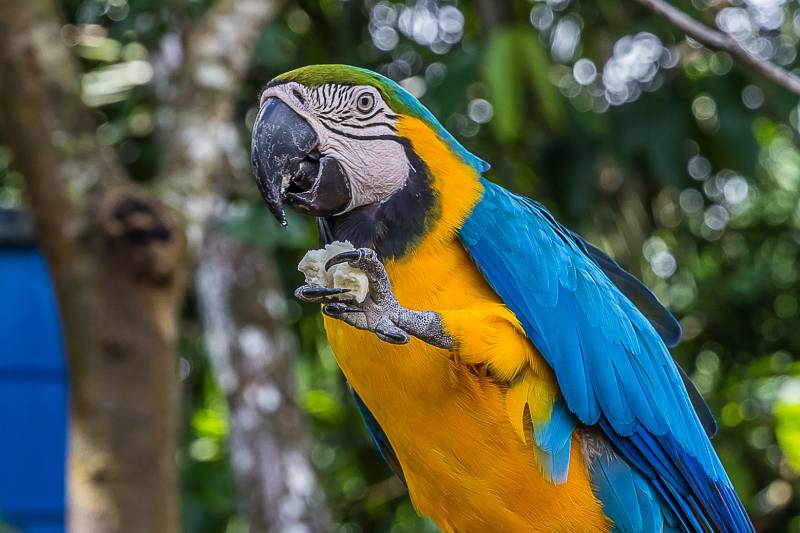
How Birds Eat
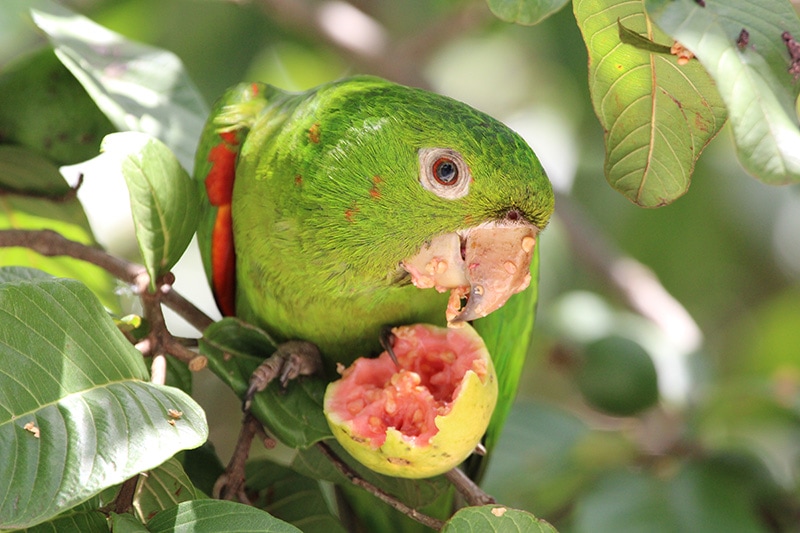
Birds were originally carnivorous. Teeth are valuable for animals that eat meat. However, birds eat a broad spectrum of foods, from seeds to insects to nectar. The differences in their beaks’ shapes are also evident. Remember that parrots do more than simply eat using their beaks. They also help them crack open nuts, use them as a climbing aid, and use them to defend themselves.
After all, parrots may not have teeth, but they sure can bite. However, other parts of their body break down food, making them unnecessary. The animal’s gizzard grinds up what they eat, even if they’re swallowing food whole. The break can tear apart foods. Flight also allows birds to find different things to eat. They can even gather insects on the fly, like purple martins and swallows.
Frequently Asked Questions
Do Any Birds Have Teeth?
Some species, such as mergansers, have ridges on their bills called tomia to help them hold onto their prey better. Hatchlings have a temporary egg tooth to help them crack through the shells.
What Would Bird Teeth Look Like if They Were Present?
They would probably look like the ones their ancestors had and be conical in shape. That’s also the same as a crocodile’s teeth.
Are Beaks Just Modified Teeth?
Beaks are made of keratin and not dentin and enamel, like teeth. They can produce additional layers of keratin as they wear to stay in top shape.

Conclusion
Parrots are fascinating animals to watch, especially when it comes to eating. Observing the birds manipulate their food makes it apparent they aren’t the worst off for not having teeth. The question opens the door to other mysteries about our feathered friends that scientists still have to learn. We do know that they are survivors that beat T. rex at the game of life.
Sources
Featured Image Credit: mlorenz, Shutterstock
Get Hepper In Your Inbox


Pet care tips from our vets and experts, straight to your inbox.
You may opt-out at any time. View our Privacy Policy for more information.
Chris is an experienced pet writer specializing in science topics, with a particular passion for health and the environment. She has been a writer for over 15 years and lives with her husband and three cats in Michigan.
Beyond writing about cats and dogs, Chris loves to learn about wine. She has WSET 1 and 2 certifications and is currently pursuing her Certified Wine Specialist Award (CSW).
Join the conversation
Ask a question, share your story, or send private feedback.