Hepper is reader-supported. When you buy via links on our site, we may earn an affiliate commission at no cost to you. Learn more.
How to Take Care of a Parrot: 12 Vet-Approved Tips


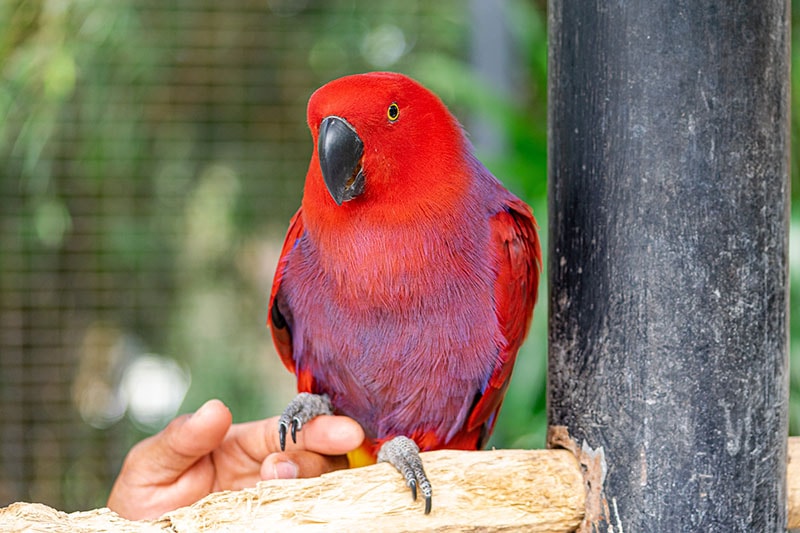
Are you considering bringing a parrot into your home? How exciting! Parrots can make fantastic family companions, but providing care for them is very different from more common household pets like cats or dogs. Parrots need the right home and a highly dedicated owner, so if you’re on the fence about whether adding one to your family is right for you, you’ve come to the right place.
Read on to find our tips on caring for a parrot so it can live the healthiest and longest life possible.

Top 12 Tips on How to Take Care of a Parrot
Note
1. Create a Routine
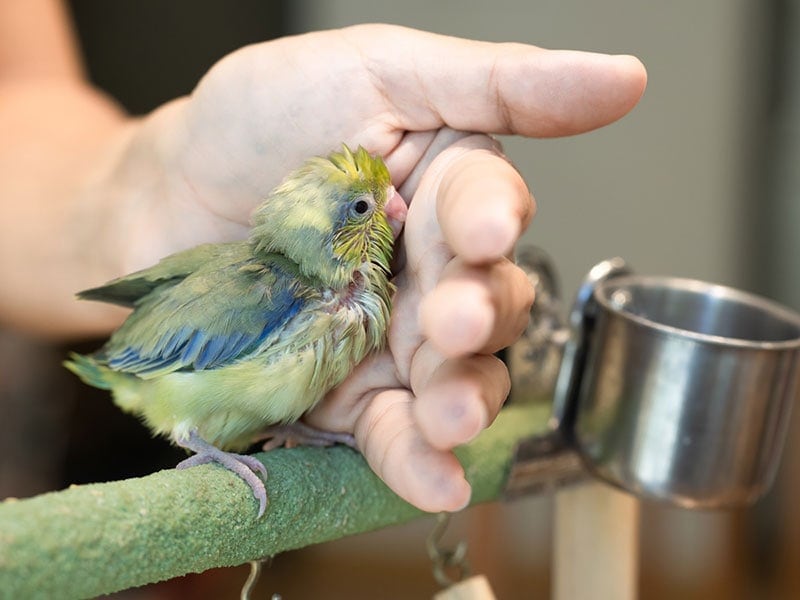
Parrots love and thrive on routine, so establish one when you bring her home. Try to keep her on the same sleep/wake cycles, and ensure you feed, train, and play with her at around the same time daily.
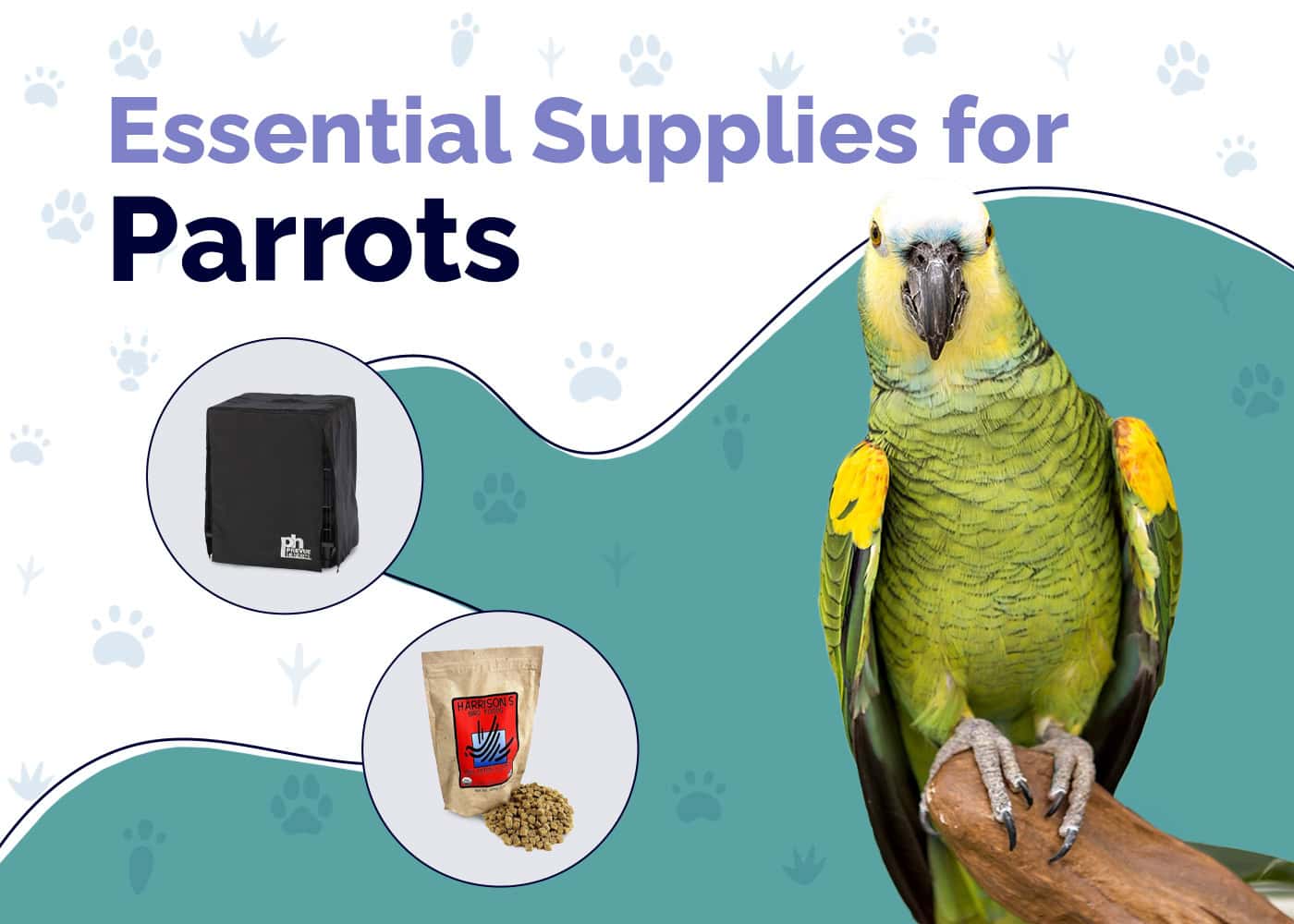
Parrots need around 12 hours of undisturbed sleep nightly, so use a cage cover to help encourage her to sleep. Keep the curtains closed so that a random night light doesn’t disrupt her sleep cycles.
2. Let Her Fly
Providing your parrot with as much outside-of-the-cage time as possible is key to meeting your pet’s exercise needs. Flying allows her to practice activities she would do in her natural habitat and is very good mental and physical stimulation.
Your home must be flight-safe before letting your parrot spread her wings.
Here are some tips to ensuring your room is flight-safe:
3. Get the Right Cage
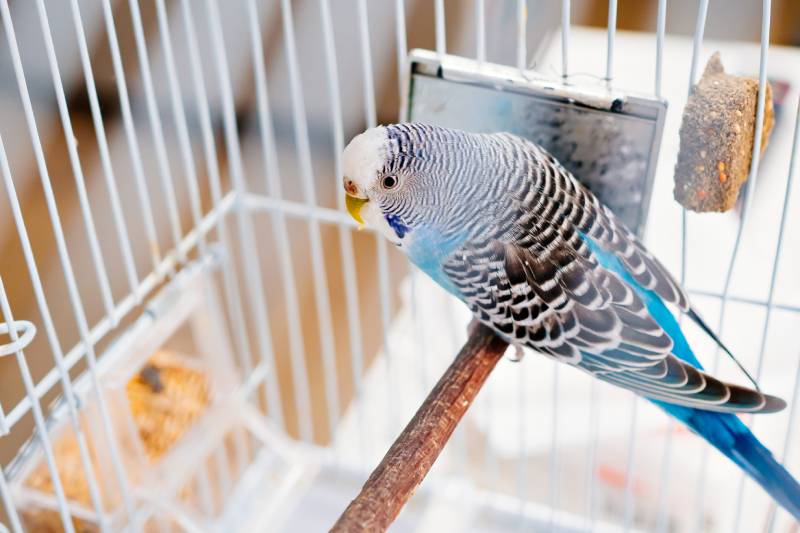
Your parrot needs a safe and spacious enclosure to call home, so the first thing you need to do before adopting a bird is find the perfect cage. They come in infinite shapes and sizes, but not all enclosures will be appropriate for your parrot.
First, consider your bird’s species and full-grown size. The last thing you want is to spend hundreds of dollars on a cage that’ll only be appropriate for your parrot when she’s a baby. The cage needs to be wide enough for her to spread her wings.
Next, look at the locking mechanism of the cage doors. Parrots are extremely intelligent creatures and can make quick work of poor-quality locks.
Bar spacing and gauging are also important factors to consider. The spaces between the bars must be narrow enough to ensure your parrot cannot escape or get her head trapped between them. Gauging refers to the strength of the bars themselves. They must be strong enough to prevent your parrot from bending the welds. The smaller the gauge, the bigger the bar diameter. The appropriate spacing and gauging will depend entirely on your parrot’s species.
Finally, consider the cage’s materials. Stainless steel is the safest and most durable option, though it is often costly.
4. Put the Cage in the Right Spot
Where you place your parrot’s cage will greatly impact her health and happiness. Birds are very sensitive to changes in lighting, temperatures, and things in the air, so they need a space with good ventilation. Fumes from cooking, cleaning chemicals, paints, and cigarettes can harm or even kill your bird. We highly recommend not putting your bird’s cage in the kitchen for these reasons.
Parrots are highly social creatures, requiring constant contact with their flock (AKA you!) to stay happy. If isolated in a room that no one frequents, they can become bored and may develop separation anxiety or destructive behaviors. Parrots enjoy being where the action is; however, this may not always be possible, depending on your living situation.
If you have other pets in the home, you’ll want to keep your parrot’s cage in a room they cannot access, at least when you’re not home to supervise.
5. Provide a Nutritious Diet
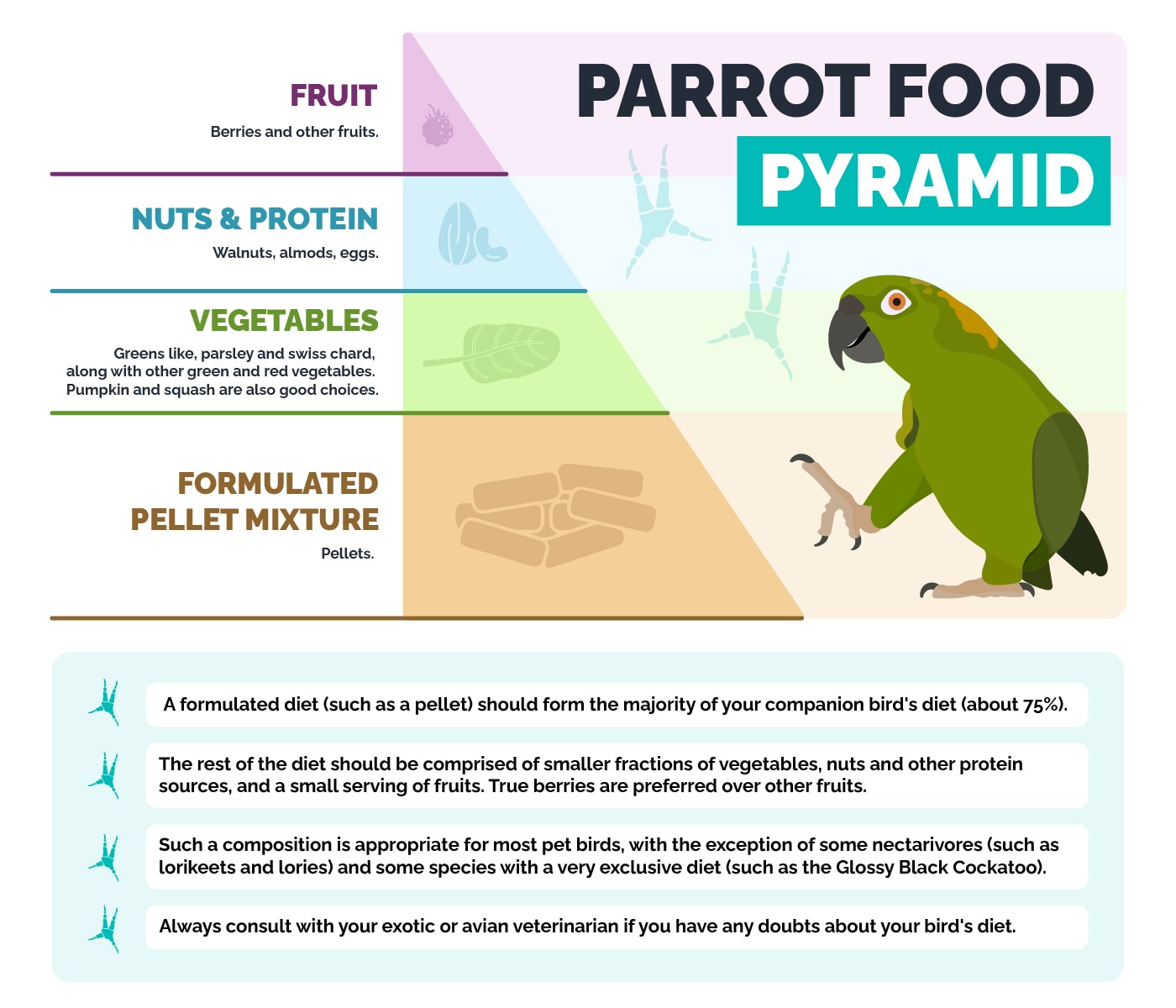
Parrots, like all pets, require a varied diet to ensure all their nutritional needs are being met. While seeds were previously recommended as the bulk of a parrot’s diet, avian nutritionists now know they are far too fatty and lacking in critical nutrients to be offered often.
Most of your pet’s diet should consist of pellets specially formulated for her species; however, she should also be provided with other foods to supplement her diet. Grains, beans, vegetables, and fresh fruits add variety to your parrot’s diet while meeting all her vitamin and mineral needs.
6. Invest in a UV Lighting System
If your parrot doesn’t have access to sunlight, then artificial balanced UV lighting is an important part of parrot husbandry. It improves your bird’s psychological health and may be beneficial if your pet exhibits destructive behaviors like feather plucking. UV lamps replicate natural sunlight, which is especially helpful during the darker, cooler months of the year.
Invest in a UV bulb stand or holder and ensure the electrical cord is nowhere near your bird’s cage, as a curious parrot can easily mistake them for toys and electrocute itself.
7. Buy Various Perches
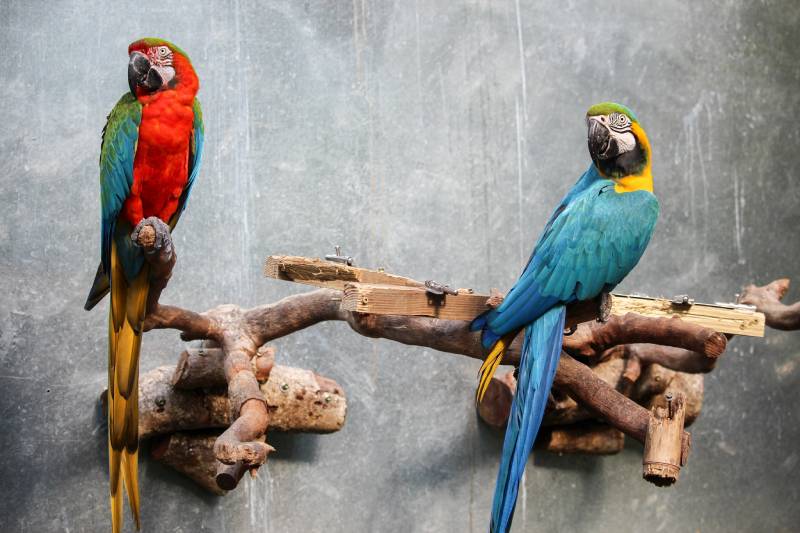
Invest in perches of varying sizes, shapes, and materials to give your parrot plenty of variety. When she isn’t flying, she is standing, so you must have different perches to ensure her feet do not get sores on them.
Unfortunately, not all perches are created equal. The best options include:
Materials to avoid include:
8. Ensure Optimal Air Quality
Parrots, like all birds, have very sensitive respiratory systems. They should never be exposed to certain types of fumes as they can cause sudden or premature death if the exposure is chronic. Before adopting your parrot, familiarize yourself with the airborne contaminants you probably currently use that can cause health problems, including:
Materials to avoid include:
9. Find a Vet
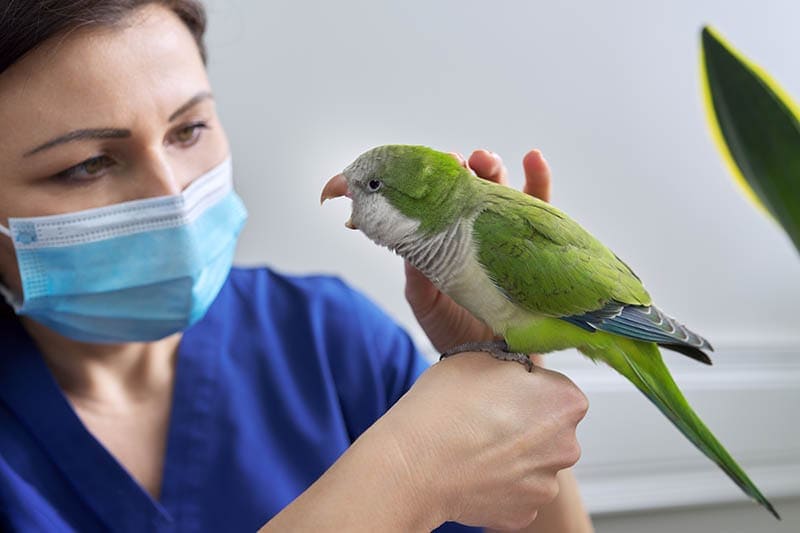
Veterinarians who specialize in avian medicine have better training and expertise to diagnose and treat parrots. Before adopting your new pet, we highly recommend finding an avian vet. Be prepared to pay extra for such specialized veterinary care, too. The additional cost is more than worthwhile as it ensures your parrot is cared for by someone who knows what they’re doing.
We also recommend meeting your new vet when you bring your bird home. This will provide them with a baseline of health and allow them to better treat your pet in the future.
10. Buy Toys
Parrots need ways to prevent boredom when stuck in their cage or home alone for long periods. The right toys will encourage natural behaviors and promote exercise. You’ll want to invest in many different options to switch them out weekly to keep your parrot interested in participating in fun activities in her cage.
The types of toys you should get include:
11. Set a Cleaning Schedule
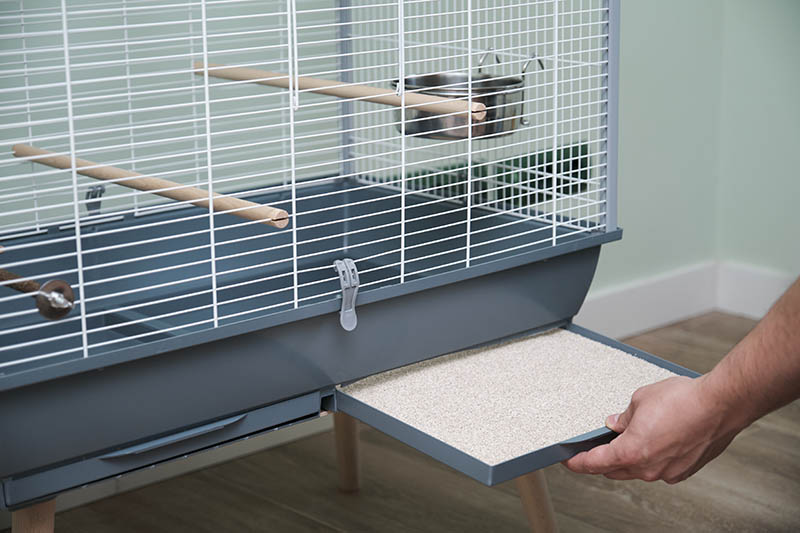
Everyone knows that pet ownership comes with some level of cleaning commitment. Parrots may be small, but they sure can be messy. You’ll need to do a thorough cage cleanout at least weekly, but paper or bedding changes should be done daily. Spot cleaning once a day will make your weekly cleans much easier. Only use bird-safe cleaning supplies.
We recommend cleaning and changing the food and water bowls daily. Fresh food, like veggies, grains, and fruits, shouldn’t be left in the cage for too long as they will begin to spoil and sludge quickly.
12. Give Her Space
It is completely normal for your parrot to be apprehensive in the beginning. You are a stranger to her, after all. During the first few weeks, approach her cage slowly and speak quietly and in soft tones. Don’t make too much eye contact if you sense she’s afraid or stressed out by your presence. The last thing you want to do is make her fearful of you, so give her the space she needs to become accustomed to her new environment and family members.
Conclusion
Though it may seem like a lot, caring for a parrot is easy when you get the gist. You will need to do some research regarding proper nutrition and husbandry, but once you have the basics down, it’ll be smooth sailing.
Featured Image Credit: Mithun Malakar, Shutterstock
Get Hepper In Your Inbox


Pet care tips from our vets and experts, straight to your inbox.
You may opt-out at any time. View our Privacy Policy for more information.
Chantelle's life revolves around two passions: writing and animals. Raised on the prairies of Canada amidst a menagerie of pets, she now lives with five cats, two guinea pigs, and a bearded dragon. Together with her husband and child, Chantelle delights in being an exemplary animal parent, going as far as installing wall-mounted cat shelves to give their cats an indoor playground. When she's not cozying up with her cats or snapping their amusing antics, she enjoys venturing into the Rocky Mountains, binge-watching her favorite Netflix shows, and indulging in spontaneous reading adventures.
Join the conversation
Ask a question, share your story, or send private feedback.