Hepper is reader-supported. When you buy via links on our site, we may earn an affiliate commission at no cost to you. Learn more.
How to Train a Cavalier King Charles Spaniel: 7 Easy Steps


In this article
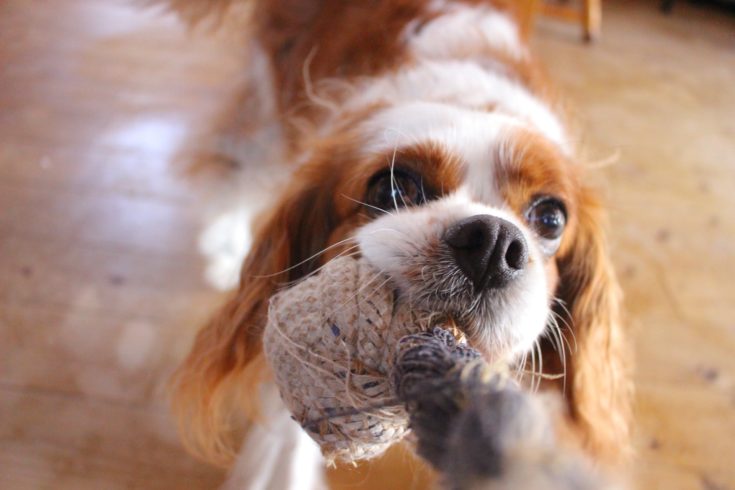
The Cavalier King Charles Spaniel is a loving, sweet dog known to get on with nearly everyone, including other dogs and children, which is probably what makes them so popular with families. They are highly trainable and learn most easily during the first few months of their life.
Cavaliers make wonderful companion dogs and are also used as therapy dogs and competitors in dog sports. We’ve put together everything you might have to think about when training your new Cavalier, so you don't have to!

The 7 Steps on How to Train a Cavalier King Charles Spaniel
1. Preparation Is Key
Before your Cavalier King Charles Spaniel arrives, you can get organized.
Puppy-proof the house by checking each room they will have access to. Look for obvious dangers such as electrical cables and try to tidy them away or make them less accessible.
Get the essentials ready such as food, bowls, beds, puppy gates, or a crate. Research your local veterinary clinics, out-of-hours care providers, training schools, and daycare should you need it.
Having a quiet space to go and rest is very important, especially for puppies who can become overtired and start to behave poorly. A training crate, puppy pen, or under-stairs dog den are all possible ideas. Make sure the area is cozy and inviting and that once there, the dog will be left alone to rest.
2. Socialization
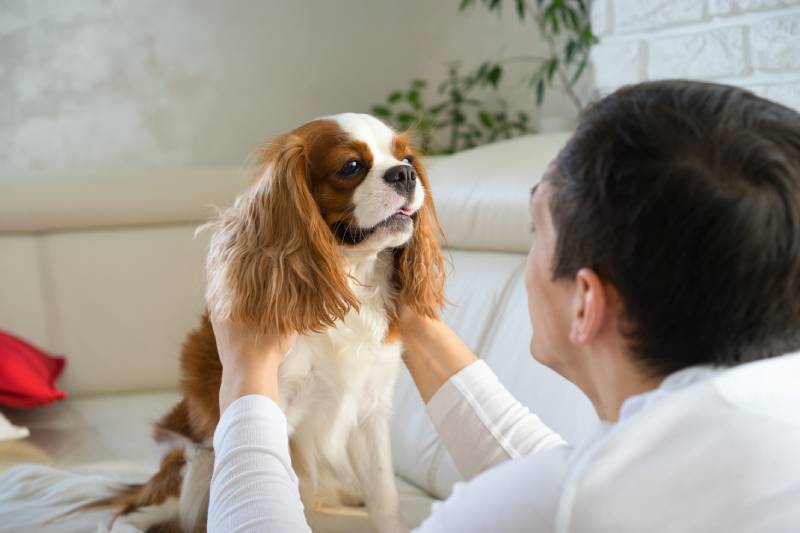
Socialization is vital because, without it, a dog will grow up not knowing how to behave around strangers or in an unfamiliar setting. It might react with fear, defensiveness, or shyness. The socialization period for a dog typically only lasts between 4 to 12 weeks of age. This is the time that they are primed for accepting new experiences and learning the most about the world around them.
Exposing your Cavalier puppy to various other animals, people, and locations and making them fun will create a healthy, well-rounded adult dog. Make sure to give your puppy rewards like an ear scratch, game, or treat when they interact with something or someone new. In time, your puppy will then associate new experiences with a positive reward. You might also consider joining a training club to help socialize your puppy under the guidance of a trained instructor. It is important that during this early time all experiences are positive.
3. Planning
It’s essential to plan your time and training journey. For example, what do you want your Cavalier to learn? Most owners try to discourage jumping on guests, begging at the table, and pulling on the leash when you’re out for a walk. You can start this training immediately once they’re settled but start with the easy commands first, like “sit” and “stay,” before building up. Keep the training sessions short, 5 to 10 minutes long at most, so your Cavalier doesn't get bored or frustrated.
Consistency is key with training, the more often your dog gets to practice the wrong behavior the harder it is to train them to make a good choice instead.
If you need help with training your dog, we suggest speaking with a vet online.
4. Positive Reinforcement
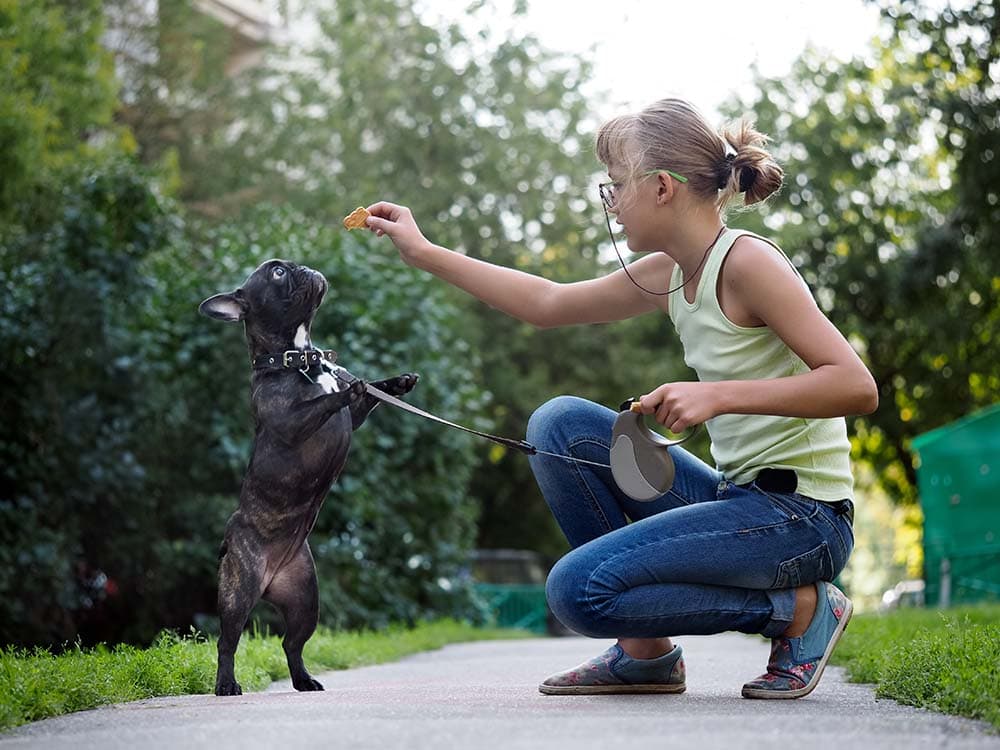
Positive reinforcement is a particularly effective tool when training your dog. Your dog will quickly learn the connection between the action and the reward, which means it’s more likely to obey the command because it knows what comes next. The timing of the reward is key and should be given within 1 second of the desired behavior.
You should, of course, never yell or scare your pet under any circumstances. Instead, positive reinforcement will aid in fast training and strengthen your bond because your dog will associate training with a fun time with its favorite human!
5. Clicker Training
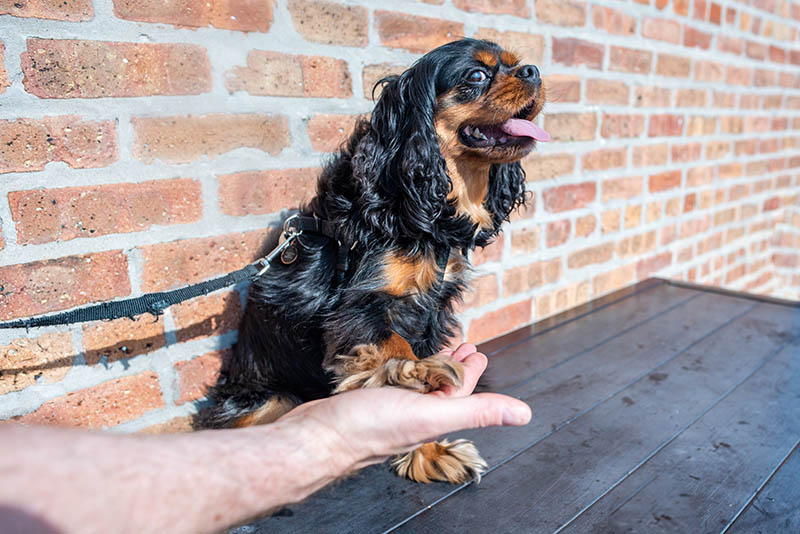
At the beginning of clicker training, the owner will teach their dog to associate the clicker's sound with getting a treat. Once this association is established, the owner will click their clicker when the dog performs the desired behavior or action they are trying to teach. This type of training works exceptionally well with puppies because they are eager to please.
6. Exercise
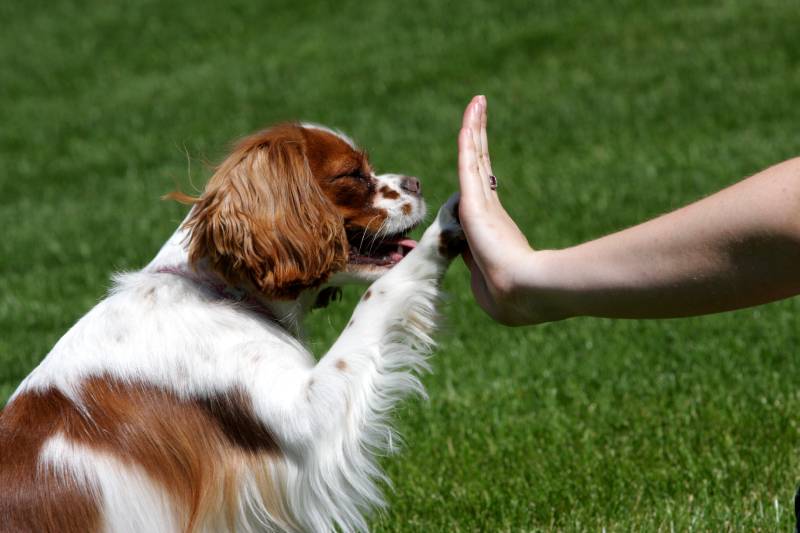
Exercise is crucial for a dog’s overall health, and the Cavalier King Charles Spaniel is an energetic dog with a high prey drive, which means physical activity is particularly important.
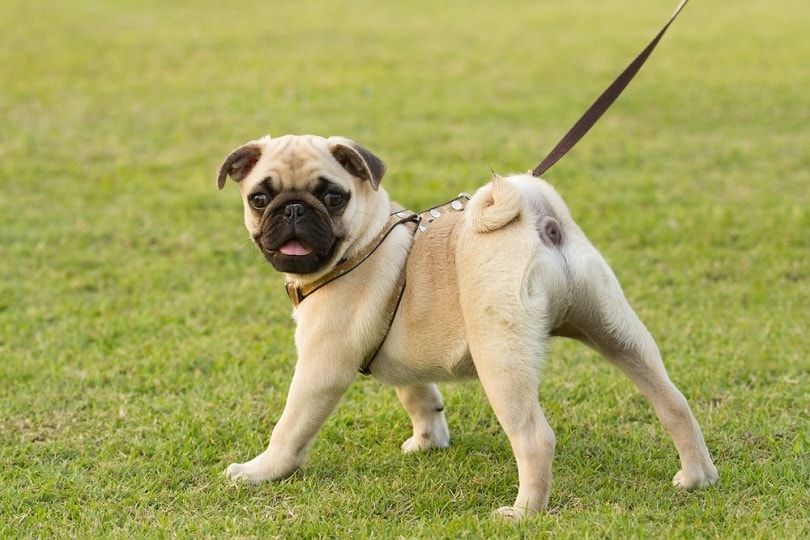
Your Cavalier needs around 40 to 60 minutes of exercise a day, which can be split into two walks with off-leash time in a safe, secure place. Exercising before training is helpful, but if you can weave training in with exercise, your pup may enjoy the experience even more. Going for a walk is a perfect time to practice good leash manners, recall, fetch and many other games.
7. Be Aware of Harmful Techniques
Some training practices not only don't work but can also be harmful to your pet. Punishment in any form is ineffective and cruel. Isolation should be avoided; never crate your dog as a punishment. Crates should be regarded as a safe space for your dog, somewhere they enjoy spending quiet time.
FAQS: People Also Ask
Are Cavalier King Charles Spaniels Vocal Dogs?
Cavaliers are known to be relatively easy-going, and they’re not the most vocal of dogs. How much your dog barks will depend on its personality, experiences and training. Generally, a Cavalier will bark when they’re excited or if there’s someone new at the door. If you find your dog is particularly vocal when people visit, add this to your list of behavior modifications to achieve with training.
Can Your Cavalier Be Left in the House for Long Periods of Time?
Cavaliers can develop separation anxiety if left alone for too long, so you will need to put in some time training them to tolerate your absence. However, remember never to leave your dog alone longer than 4 hours. Cavaliers are especially social and love being with their families, so if you are often out of the house for long periods of time, a Cavalier would probably not be a good fit.
What Shouldn’t You Do When Training a Puppy?
Apart from what we’ve already mentioned about not using punishments or harsh words, there are other things to be mindful of when training. You should be careful about giving your puppy too much freedom too soon. If you aren't around to supervise, your puppy will find its own ways to have fun, which can result in bad habits like biting baseboards or chewing on socks. It’s always easier to prevent a problem than to correct it, which is why we recommend introducing training as soon as possible.
Also, consistency is essential when training your Cavalier. A solid routine will comfort your dog because it minimizes stress and confusion. Keep to a schedule, so your dog knows when it will go for a walk or eat a meal, which will reduce stress-related behavior. It’s also important to be consistent with your expectations in the house.

Conclusion
When training your Cavalier King Charles Spaniel, there is a lot to consider. But you will be fine if you are organized and have a clear idea of what you want to achieve together. Cavaliers are eager to please and highly trainable, so keep your training sessions short and fun, and you’ll ensure your dog doesn't get bored or unhappy.
Sources
Featured Image Credit: Hannah Oliver, Unsplash
Get Hepper In Your Inbox


Pet care tips from our vets and experts, straight to your inbox.
You may opt-out at any time. View our Privacy Policy for more information.
Kerry-Ann lives in Scotland and wishes her garden was bigger so she could have her very own Highland cow. But her dogs probably wouldn’t like that very much. She has a La Chon called Harry who was poorly with a liver shunt when he was a puppy. It wasn't likely he would make it into adulthood, which was difficult, but he beat the odds and is a healthy old man now. She also has a Pug called Maddie who is a big foodie. She’s small, sassy, and every day she finds a new way to mess with her brother.
When she isn’t writing you can find Kerry-Ann going for long walks when the weather isn't bad, reading, or watching cartoons when she should be tidying her house. She would one day like to be a tourist in her own country and travel through the Highlands with her family.
Join the conversation
Ask a question, share your story, or send private feedback.