Hepper is reader-supported. When you buy via links on our site, we may earn an affiliate commission at no cost to you. Learn more.
How to Teach a Dog to Fetch: 3 Effective Steps


In this article
Most pet owners will train their dogs when they're small pups to help them learn basic obedience. However, some pet owners also like to teach their dogs a few tricks to keep them active. One of the best tricks that you can teach your dog is to fetch.
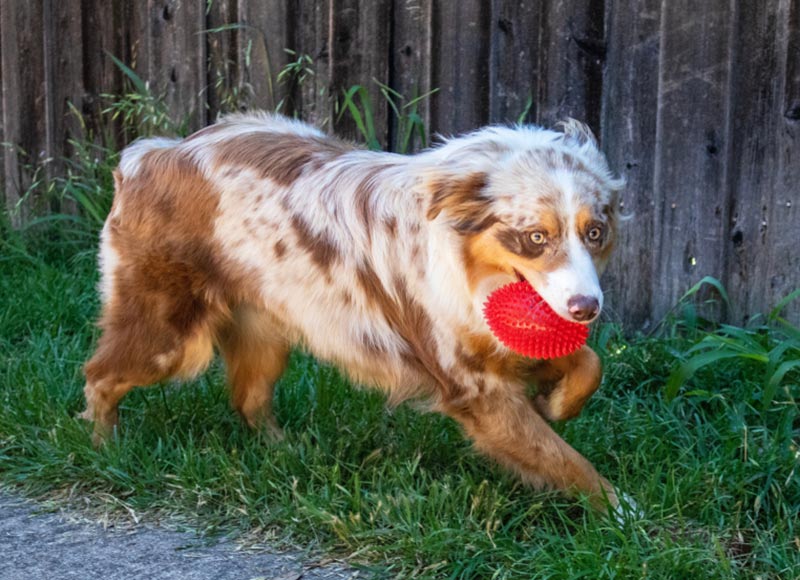
The "fetch" command is simply taking an object (usually a toy) and tossing it several feet away for your dog to retrieve it and place it back in your hand. Not only can this help improve your dog's memory and level of obedience, but it can also help it burn off the puppy chow. So in this article, we are going to discuss how to teach your dog to fetch as well as a few other obedience commands.

The 3 Simple Steps to Teach Your Dog to Fetch
1. Teach It to Pick Up the Toy
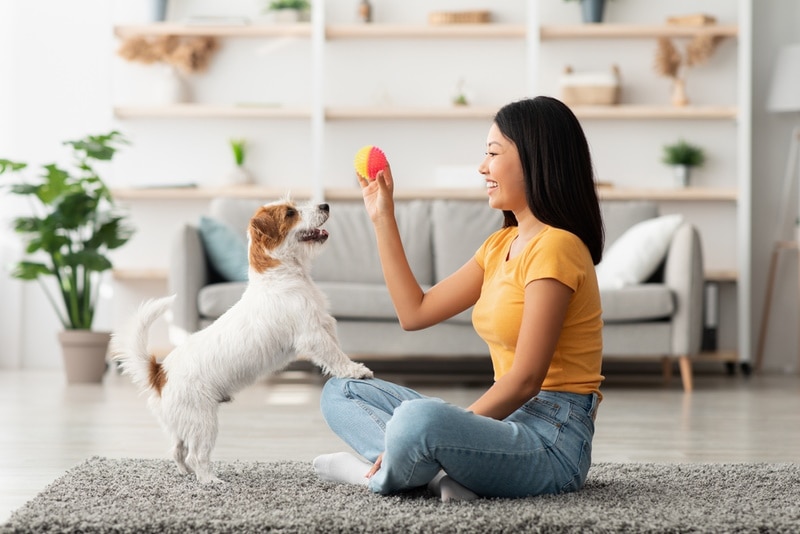
Place a toy close to your dog. Reward your dog for any interaction with the toy (a bite, slap, etc.). A clicker is a great tool to speed up the process as it allows you to be more precise with timing and marking the desired behavior--this will help the dog learn quicker.
Because dogs don't generalize learning, it's possible to help them learn faster by using the same toy (or one similar). But you can repeat these same steps with different toys. Whether you do this initially or later on should really depend on the dog's progress.
After your dog has played with the toy, you can "reset" the dog by taking the toy out (placing it behind your back to illustrate) and then bringing the toy back after a few seconds.
You can build your dog's interaction by allowing your dog to interact more with the toy without your assistance. Ultimately, you want your dog to actually put the toy in its mouth. This may happen instantly or over time depending on how large the toy dog is-though it's best if it's not too big for it to bite.
Then celebrate when your dog picks up the toy. To reinforce his behavior, give it exciting verbal praise and a pat or belly rub.
2. Teach It to Fetch
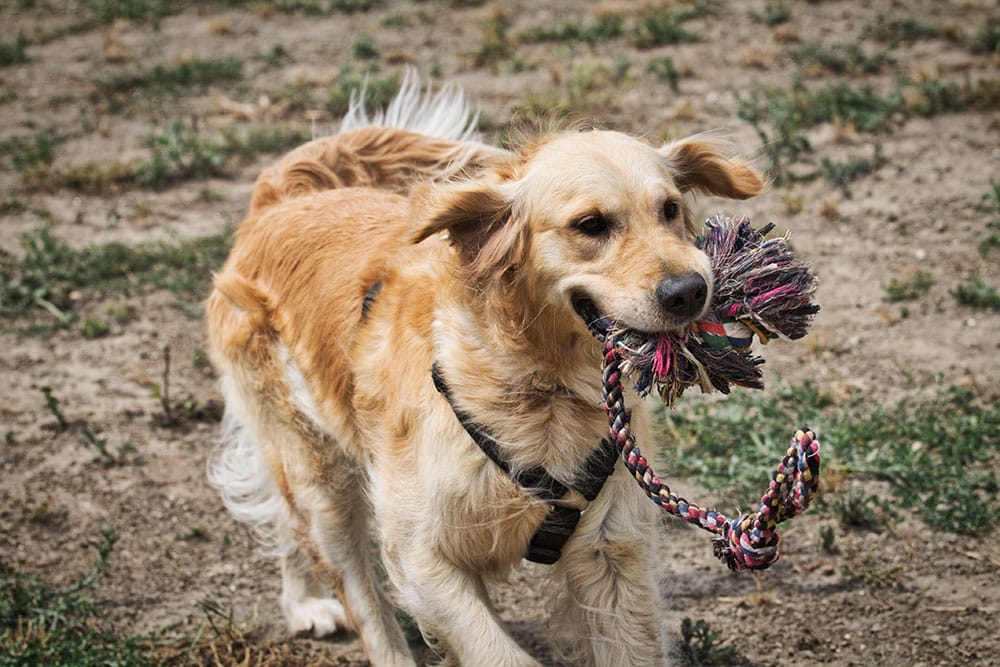
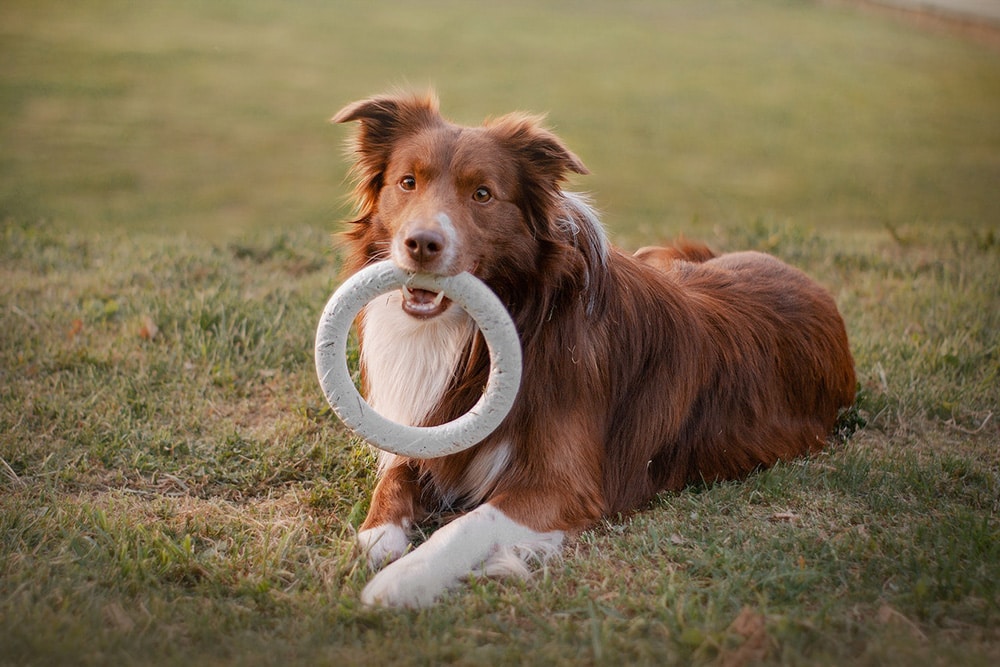
You can now add the initial step in the fetch process. To start, place the toy close to the dog. Then place your hand underneath the toy as soon as your dog grabs it. Many dogs will instinctively drop the toy into your hand, while some may hold on to it or drop it. The former is a good sign! Praise your dog if it places the toy in your hands without dropping it-and a treat will help. If not, keep repeating the previous steps.
To make it easier, you might place your hand half-way under the toy. Keep practicing this until it does it consistently a few times. You can also add verbal cues such as " fetch" and then reward the dog when it does.
3. Teach It to Retrieve
Now that the dog has the initial part of the training down, you can start the training to show the dog how to retrieve it. To do this, toss the toy a few inches away from your dog. Next, say your fetch cue (or you can simply look at the dog if it's been nailing the last step).
If the dog heads for the toy and drops it in your hand, you've done a great job. If not, you may want to continue working on this step until it does. If the dog fails the step three times, it's a sign that it isn't understanding either one or both of the concepts, so you may need to start with the first step again.
Be sure not to push the dog, as every dog will learn at a different pace, and younger pups may take more time to understand these types of concepts. Also, never punish the dog by striking or yelling at it. Instead, simply place the toy in your hand again or toss it closer to your dog to make things easier. You can also simply throw the toy in the dog's direction to help give it a bit of a hint.

Additional Training Tips
Teach Your Dog Social Skills
Social skills are one of the most important things you can teach your puppy. Although it might seem like dogs are naturally social animals and would seek out the company of other dogs, this is not always true. There is a critical window of development between about 4-13 weeks. Please make sure your puppy is fully vaccinated before exposing it to other dogs.
Young pups who haven't been exposed to humans or other dogs long enough, may grow unaccustomed to only a few interactions and become afraid of newer situations later on in their lives.
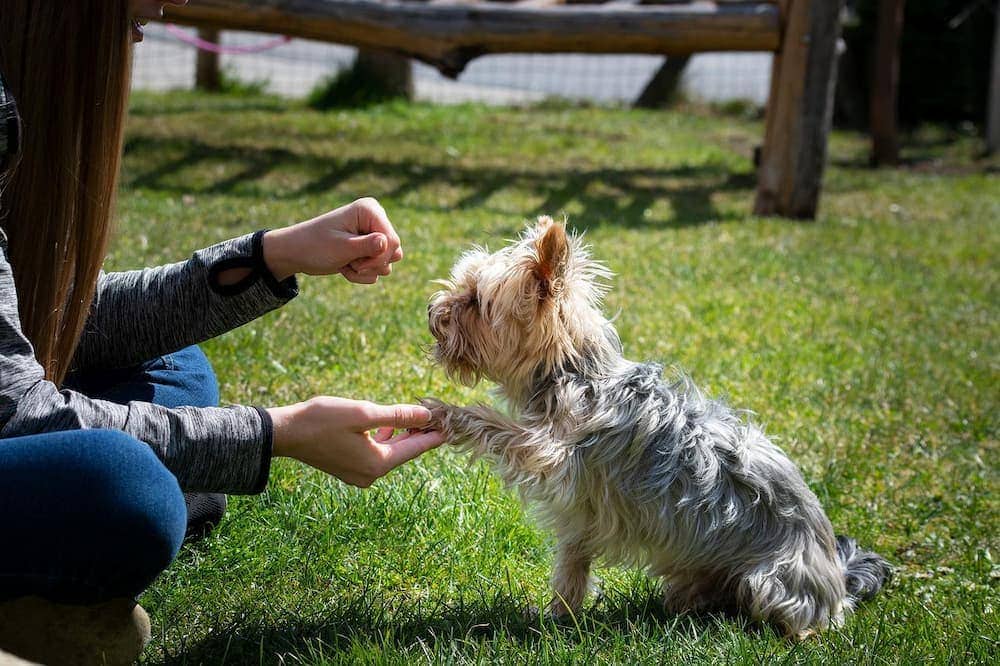
Positive reinforcement is a common training technique, especially for puppies in those first few weeks. It doesn't matter if your puppy is motivated by affection, food/treats, or a favorite chew toy; it's best for them to be rewarded with their favorite thing in the company of other people and dogs.
Day-to-Day House Training
To become fully housebroken, many puppies have to go through a difficult few weeks of serious housetraining. The worst thing about puppies is the random urination in various parts of the home. This is why it's one of the most important new habits that your dog should learn.
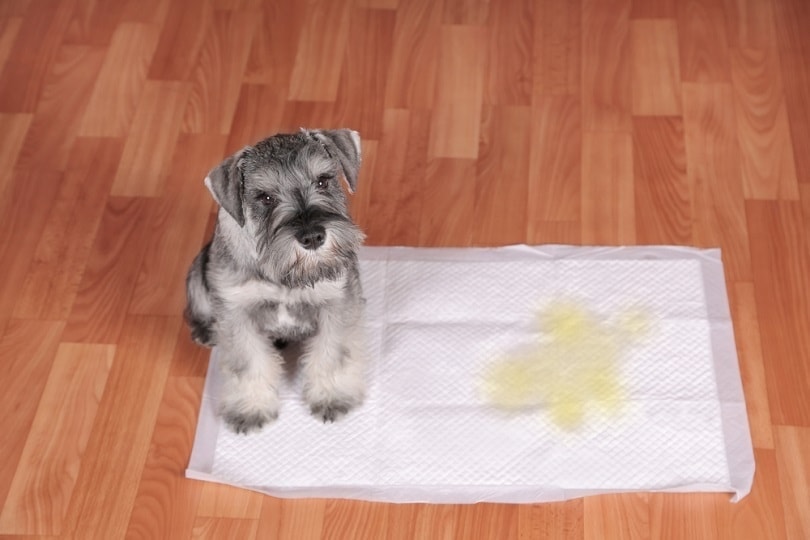
If you don't potty train your puppy early, you may find yourself becoming increasingly frustrated over the next few months. Note that young puppies will urinate everywhere initially but once you begin giving them small rewards, they will learn to go on the pads or the designated areas that you point out.
It just may take them a few weeks to remember the location. To let them know it was a good thing, pet or praise them once they have relieved themselves--and a treat would also be in order. All they need is a little bit of reinforcement and repetition (and praise), and they should be good to go in a few weeks
Some owners (and trainers) may suggest that you rub your pup's nose in the mess after it urinates outside the potty pad, but this is way too aggressive (not to mention abusive), as puppies may get scared to go altogether.
Simple Commands: Stay and Sit, Come, & Heel
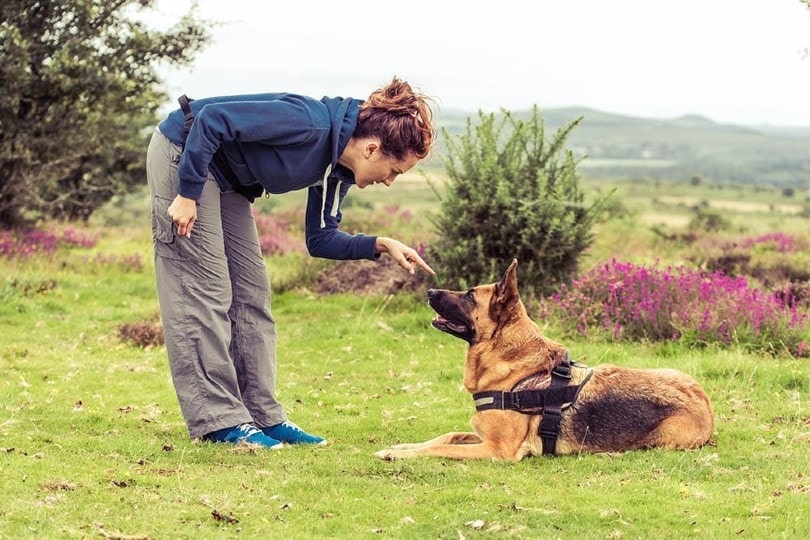
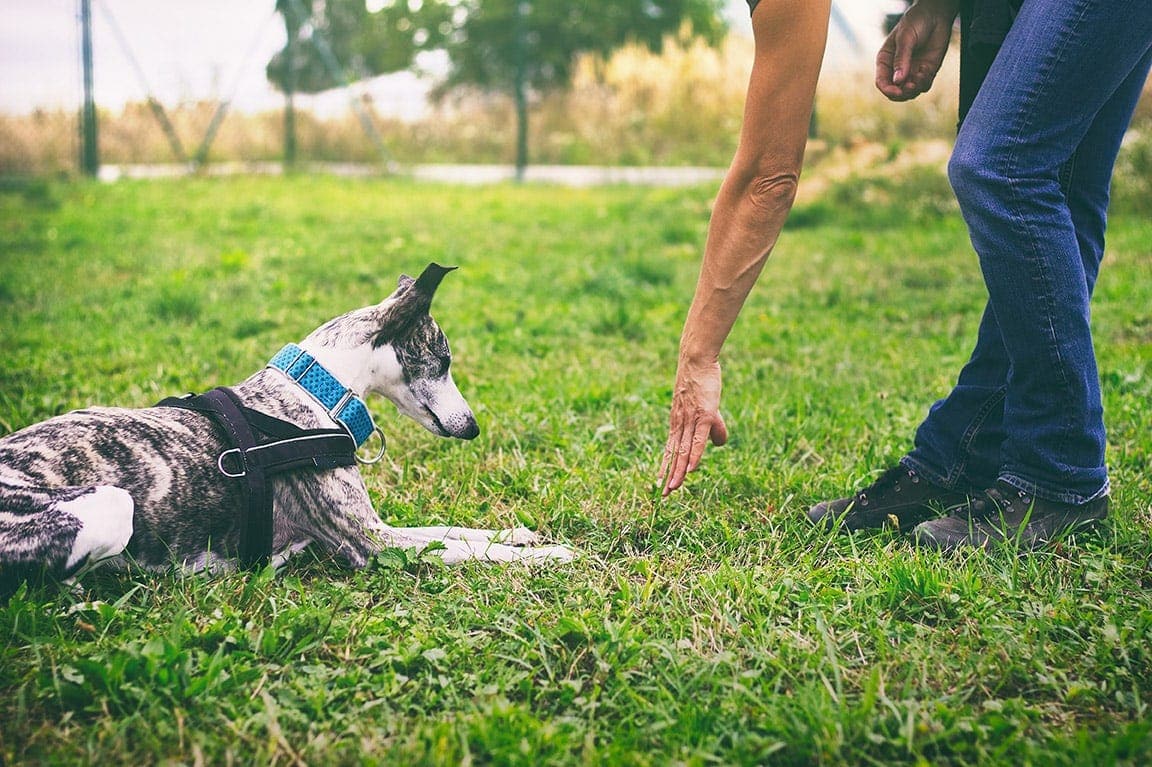
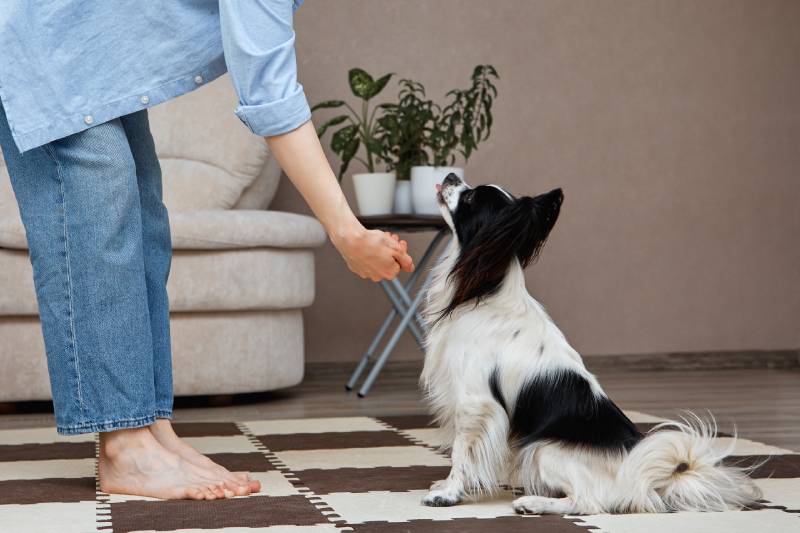
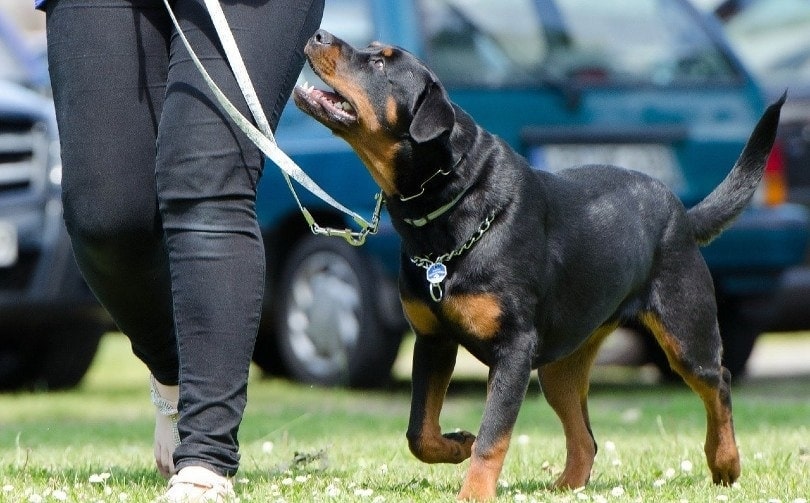
The three most commonly taught commands in beginner pup training classes are stay, sit, heel, and come. They are the basis for dog behavior modification and skills training. Your dog will learn to respect the person at the other end of the leash (you) by learning to come and sit at your command.
It's comforting for dogs to know their position in the social order of your home--not to mention it's safe for you and your family-especially if you have a large dog. This allows dogs to relax, gain confidence and be more focused.
These commands are especially helpful when you walk your dog off the leash or have it in public in general. Your dog should understand that a non-leash moment doesn't mean "dogs gone wild", and at the same time commands should be obeyed.

Conclusion
Teaching a dog to fetch is a really simple process, but it takes repetition. It also takes a great amount of patience and understanding. So be sure to continuously reward your dog when it gets its right, and never force it beyond its current ability--this will only discourage your dog. The best way to reinforce your daily training is to keep it constantly motivated. Good luck!
Related Reads:
Sources
Featured Image Credit: JoshuaMartinTX, Shutterstock
Get Hepper In Your Inbox


Pet care tips from our vets and experts, straight to your inbox.
You may opt-out at any time. View our Privacy Policy for more information.
Nicole is a lover of animals of all sizes but is especially fascinated with the feline variety. She’s the proud mom of Baby, a Burmese, and works every day so he can relax in the sunshine or by the fire. She’s always had a cat in her home and has spent countless days with others, observing behaviors and softening up even the grouchiest of the lot. Nicole wants to share her kitty expertise with you so you and your cat can live happy, healthy, and care-free.
Join the conversation
Ask a question, share your story, or send private feedback.