Hepper is reader-supported. When you buy via links on our site, we may earn an affiliate commission at no cost to you. Learn more.
How to Train a Rhodesian Ridgeback: 14 Expert Tips
In this article
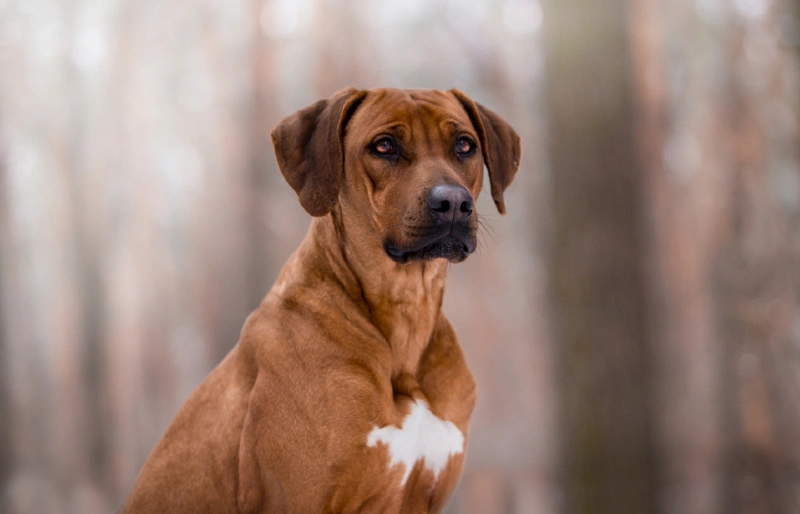
Rhodesian Ridgebacks are majestic, loyal, and intelligent dogs that make excellent companions. However, training them can be a challenge for many pet owners. These dogs are known for their independent nature and strong will, which can sometimes lead to stubborn behavior. But don't worry, with the right training techniques and a little patience, you can teach your Rhodesian Ridgeback to be a well-behaved and obedient canine.
In this article, we'll explore some effective training methods that you can use to train your Rhodesian Ridgeback, from basic obedience commands to more advanced skills. Whether you're a first-time pet owner or an experienced dog trainer, you'll find plenty of useful tips and insights in this guide to help you train your Rhodesian Ridgeback like a pro.

The 14 Tips for Training a Rhodesian Ridgeback
1. Attend a Few Training Classes
Taking one or two professional training classes can be a great way for you to learn how to properly train your Ridgeback. Professionals who have been trained in correcting and moderating behavior for dogs are available to help. Many owners believe they are training their dog correctly, but they make critical mistakes. A class for dog training is a great way of getting feedback and to learn which techniques and strategies work best to train your dog. Find local trainers using sites like Yelp or Foursquare.
If you still need help with training your dog, we suggest speaking to an online vet for tips and tricks.
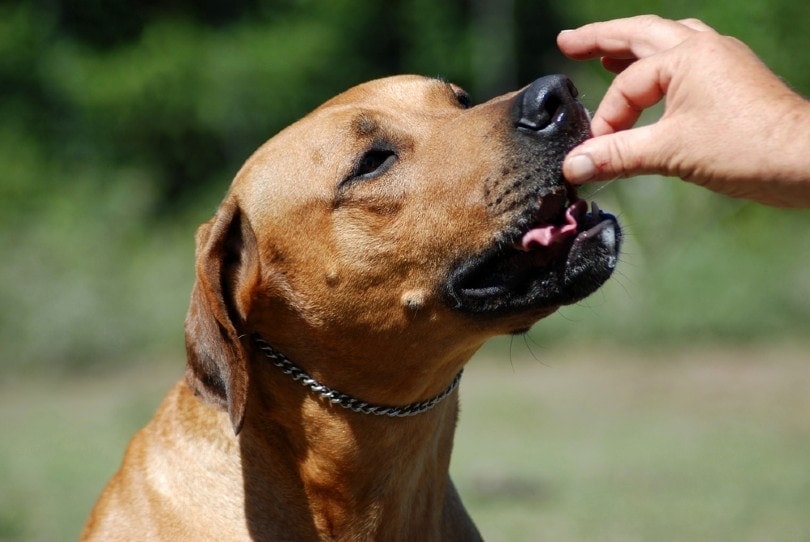
2. Always Reward with Treats
Treats will always be a great way to motivate your canine. But while it may work for a while, you will notice that your dog's ability to focus and stay focused on training begins to decline. When this happens, it's best to try switching to dog treats with a different texture, flavor, or color. Treats such as stick chews, boiled meat, and cut up veggies such as celery or carrots work well.
3. Keep Training Sessions Short
It's best to try to keep training sessions in the 10-to-20-minute time range. Canines may not have the ability to concentrate for much longer than this, especially if you're working with a young pup. The amount of time you spend training your dog will depend on their age, energy level, and environment.
When it comes to training your dog, the truth is that "less is more". Studies show that shorter sessions are more efficient. However, it is possible to tailor it to your needs and preferences. Dogs can become distracted easily, and Ridgebacks are no different. And always stop training if the dog loses focus or attention. You can't force train a dog who is distracted or tired. This will prevent you from training the dog and wasting time when it's not focused.
4. Always Say Your Dog's Name During Training
In training your dog, be sure to constantly refer to them by name, especially if they’re a young dog. Doing this helps dogs associate their name with positive things if you use it correctly. It can be used during training sessions or when rewarding positive behavior with treats. When they respond, call their name with a happy voice. This will help them to associate their name with positive emotions and rewards so that they return to you.
5. Start With Simple Obedience Commands
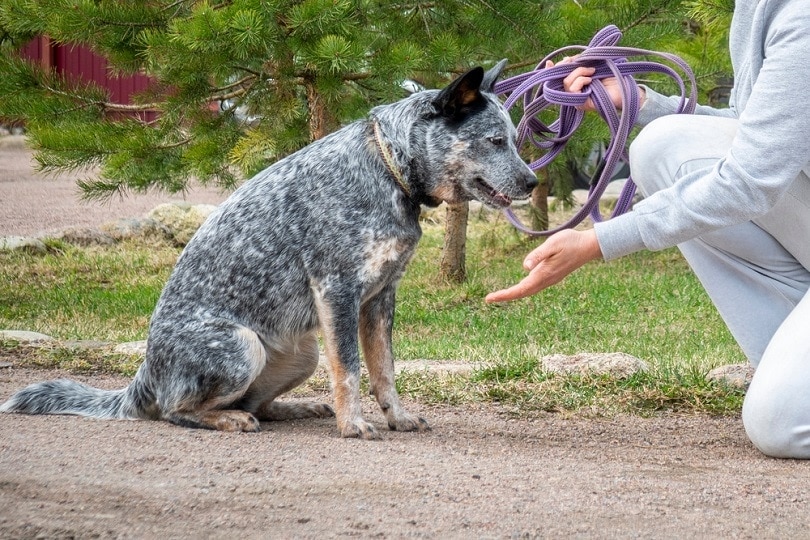
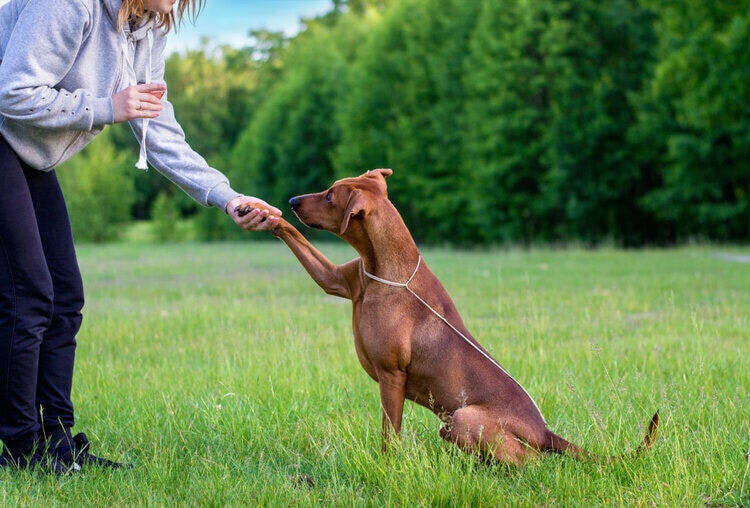
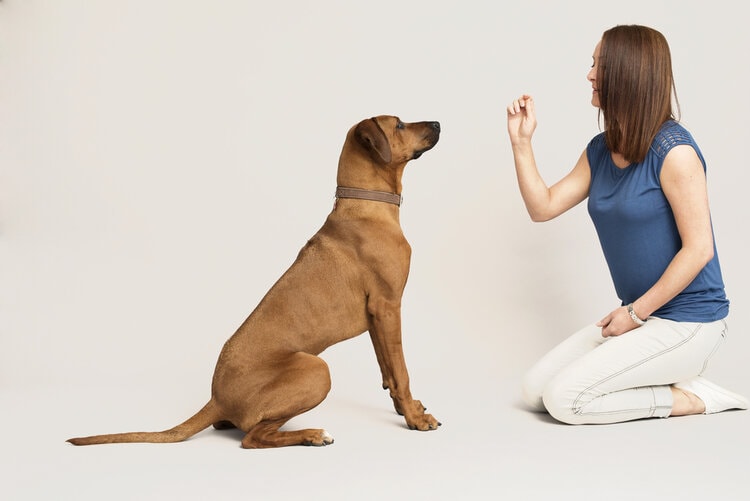
Simple obedience commands such as sit, come, and stay are a great place to start when it comes to obedience training. And these specific commands are essential for a well-trained dog. Be sure to work on each different command individually and ensure that your dog has each one down before you go to the next one.
6. Pay Attention to Non-Verbal Cues
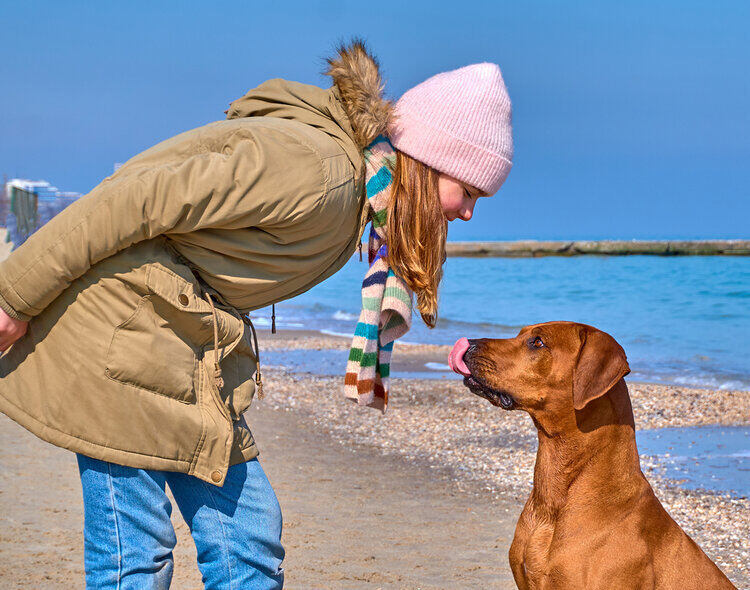
It's not easy to train a dog, especially a young puppy. Since dogs can't talk, you'll need to pay attention to the non-verbal cues that your dog gives you during training. Your dog will always communicate with you in some way. Their body language will be the most obvious. You can learn to read your dog's body language, including their facial expressions, ears, and tail (which is a big sign of their mood). They also have a tendency to tilt their heads, turn their heads, and make sounds.
7. Keep It Playful and Interesting
Remember that dogs don't know that they're being trained to be obedient and easy to handle, so keep things light. Training should be fun and enjoyable for both you and your pup. Note that at times your dog won't cooperate or may not follow your commands (or get distracted). But never try to physically force your dog into performing certain commands. Instead, you should guide them and help them understand and demonstrate good behavior. The best thing you can do is reward them for repeating the same behavior.
8. Stay Consistent & Be Patient
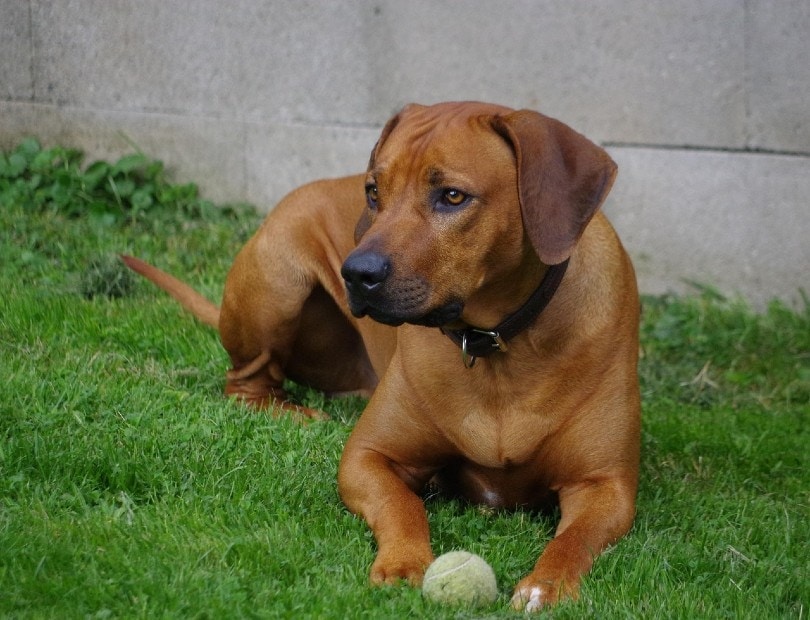
Patience is really the key when it comes to training a dog, regardless of the age. Ridgebacks are fairly intelligent dogs so you can expect to spend no more than a few days teaching a dog a specific command in many cases. But dog training a dog properly is all about building a trusting relationship and a strong bond. The more you reward your dog for being patient, the quicker they'll learn.
9. Always Respond to Their Actions
Remember that dogs don't necessarily have the longest attention span. They really have a short-term memory of about 5 minutes--with some dogs having longer attention spans than others. If you try to discipline them or reward them for good behavior, they will likely forget what they did. This is why consistency is so important, just as is quick follow up. Be sure to quickly reward your dog for good behavior so that they know why they're being rewarded.
10. Create Social Situations
In addition to obedience training, it's also best to socialize your pup so that it can interact with others in a healthy way. Your dog's ability to adapt to other dogs, humans, and social situations early in life is crucial for brain development and social awareness. Exposing them to new environments allows them to adapt, learn, and accommodate. This will help them be more flexible in handling more complicated situations that they may face later in their lives.
11. Know When to Work With a Pro
Sometimes, like if you have a stray or rescue Ridgeback, they may need help from a professional, particularly if they're showing aggression. You may find aggression in your dog's behavior or resistance to training initially – never continue with the training if this is the case, as it can be unsafe for you and your family. It's best to seek professional assistance in aggression training for your dog.
12. Space Things Out
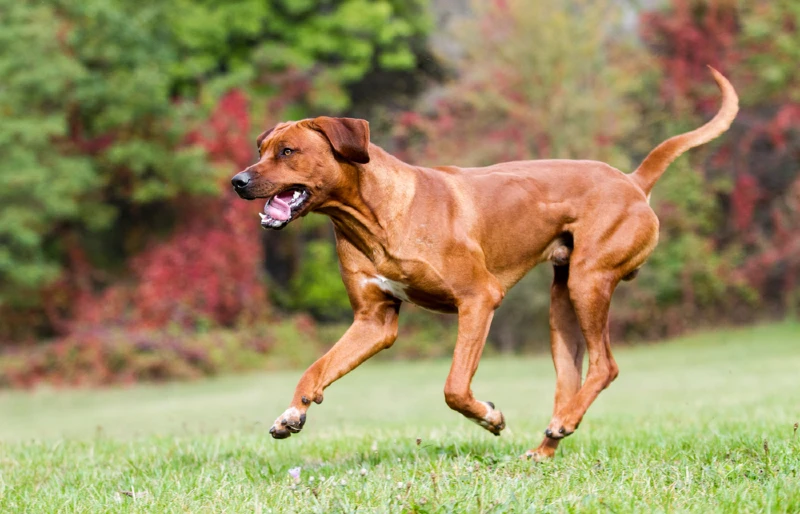
Be sure to have regular breaks for fun and running around. Give your dog some space after training sessions. Let them do what they want, no matter if it's to relax or play, in an area that's allowed to let your dog absorb and relax between training sessions. Giving them room to roam helps keep them from becoming agitated or bored with repetitive training.
13. Discourage Undesired Behavior
Positive reinforcement and rewards are the best ways to train your dog. This can be done by making sure your dog is not rewarded for bad behavior. To assert your motivation, simply take their treats away and use body language. If they try to grab your attention by jumping on you, turn your body away from them and ignore their behavior.
Once they stop their unwelcome behavior, you can return to affection and attention. Never use pain or intimidation as a deterrent. Harming your dog physically can lead to emotional damage that can be permanent and lead to aggressive tendencies.
14. Be Consistent With Rewards & Discouragement
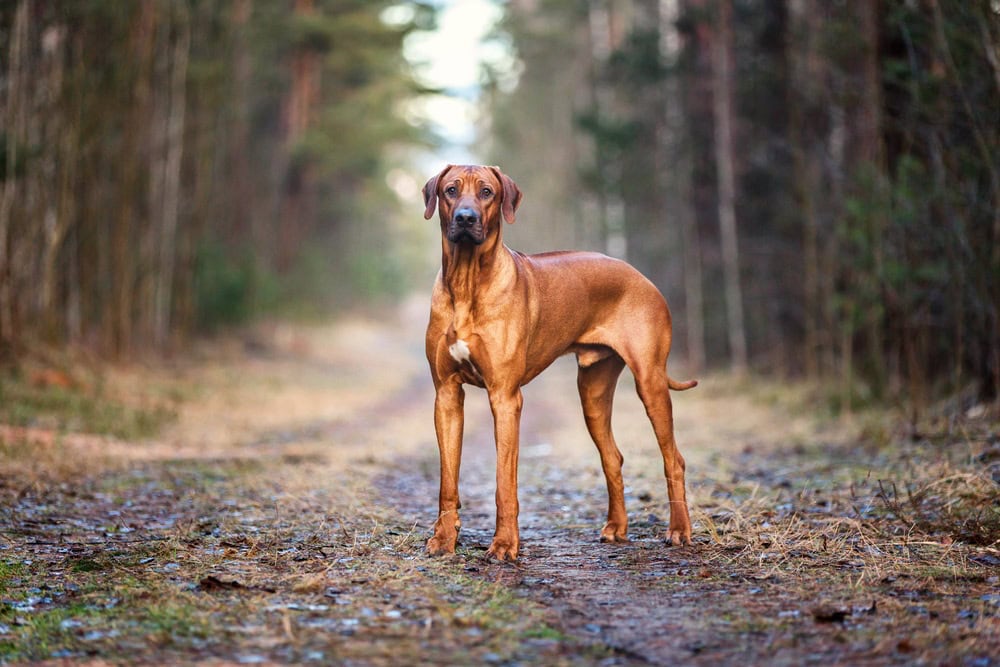
During the training session you should always be either rewarding good behavior or discouraging unwanted behavior. If you want to reward behavior in a positive way, then use treats in a similar manner. You can also use body language to discourage bad behavior if you. For example, you shouldn't yell at your dog one time, then switch to body language the next. This can confuse your pup and make it difficult for them to understand what is happening.
Wrapping Things Up
Training your dog can be a challenging but rewarding experience that strengthens your relationship and creates a well-behaved companion that you can feel comfortable with bringing out in the world. Things like positive reinforcement, consistency, and understanding your dog's behavior and needs are crucial to make training your Ridgeback a success.
Featured Image Credit: Ivan4es, Shutterstock
Get Hepper In Your Inbox


Pet care tips from our vets and experts, straight to your inbox.
You may opt-out at any time. View our Privacy Policy for more information.

Nicole is a lover of animals of all sizes but is especially fascinated with the feline variety. She’s the proud mom of Baby, a Burmese, and works every day so he can relax in the sunshine or by the fire. She’s always had a cat in her home and has spent countless days with others, observing behaviors and softening up even the grouchiest of the lot. Nicole wants to share her kitty expertise with you so you and your cat can live happy, healthy, and care-free.
Join the conversation
Ask a question, share your story, or send private feedback.