Hepper is reader-supported. When you buy via links on our site, we may earn an affiliate commission at no cost to you. Learn more.
How to Teach a Dog to Greet Other Dogs Calmly: 9 Vet-Approved Steps


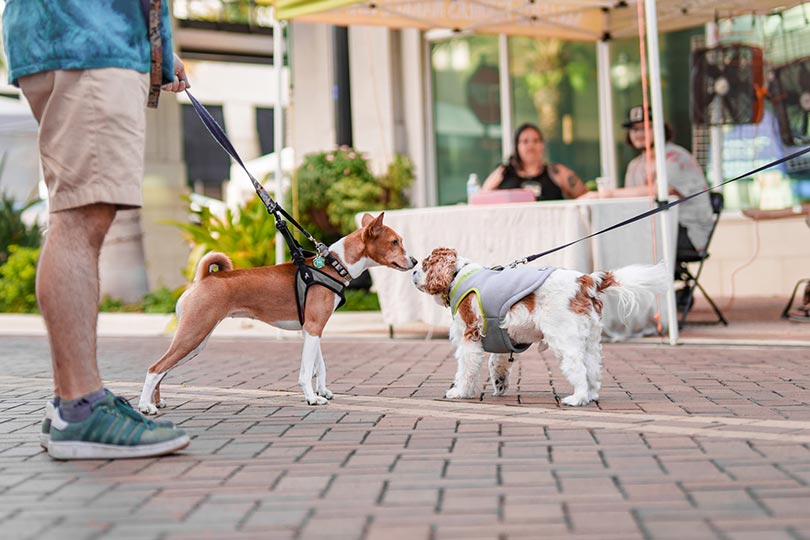
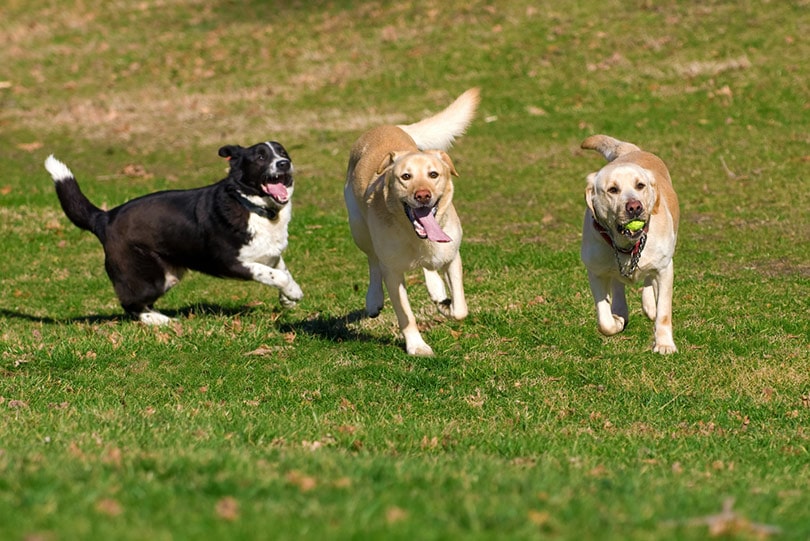
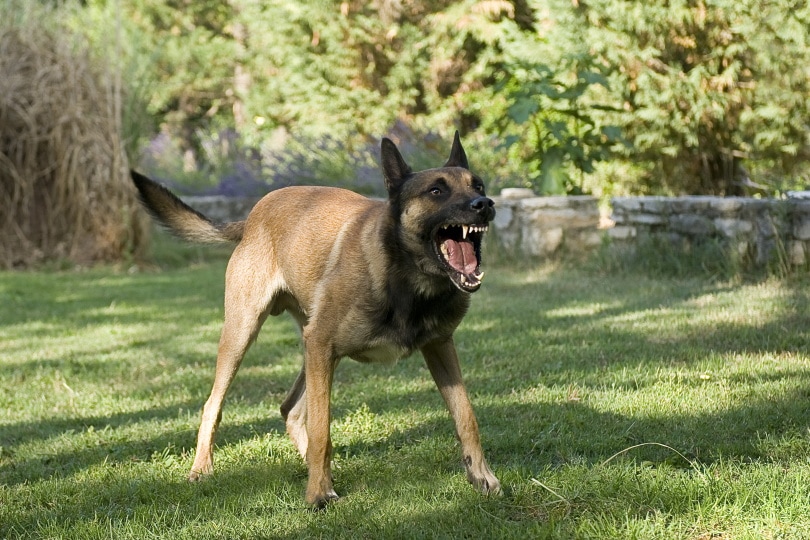
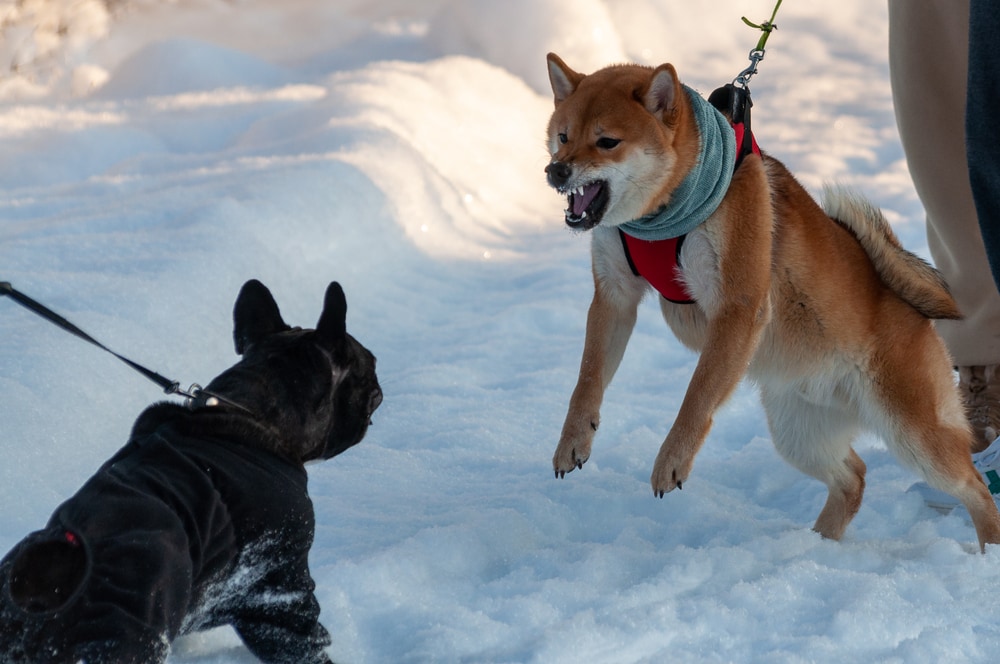
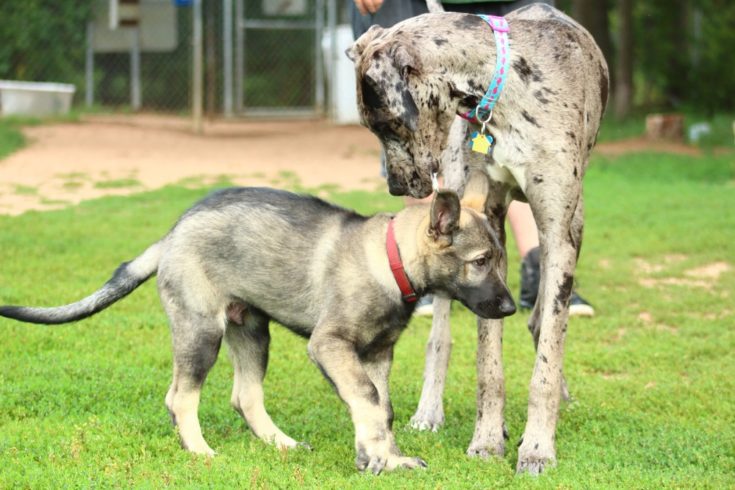
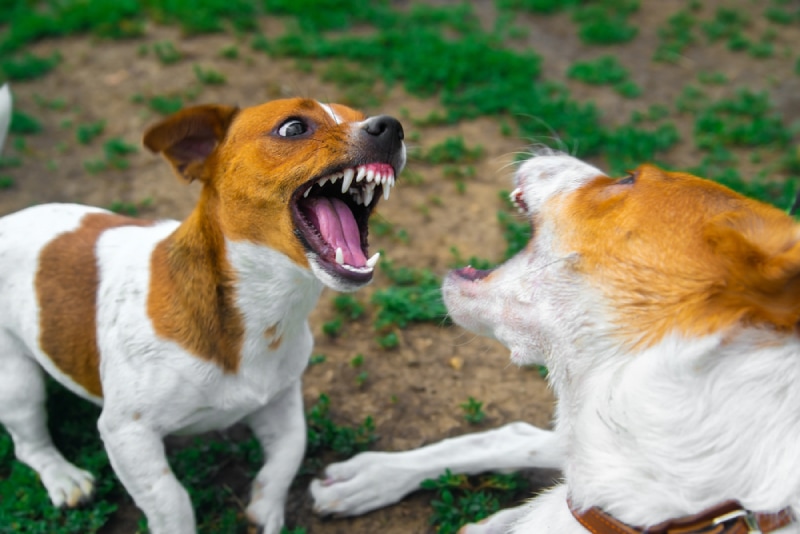
It’s extremely important to teach your dogs the proper manners to approach other dogs. Without proper training, some dogs may approach with overexuberance, leading to undesirable responses from other dogs. Poor dog manners and inappropriate greetings can make it difficult for your dog to make friends, as well as lead to fights and injuries for dogs and people alike.
Some dogs naturally know how to approach other dogs and may not need extra assistance from you. However, if you’re here, you’re likely one of the many dog owners who has a dog that approaches other dogs in an intimidating or overwhelming manner.

Before You Start
Make sure your dog is fully prepared for introductions to other dogs. If your dog has shown tendencies toward aggression, jumping on other dogs or visitors, or other undesirable behaviors, then you need to start with the very basics before you begin working on approaching and greeting other dogs. Your dog should show a strong ability to focus on your commands above all else.
How to Teach Your Dog to Greet Other Dogs
1. Work on the Basics
Before you can even begin to think about teaching your dog to greet other dogs, your dog needs to have a solid grasp of basic commands. “Leave it”, “sit”, and “heel” can all be extremely beneficial during dog greeting sessions. If your dog doesn’t have a good grasp of these commands, then you may risk your dog quickly becoming overwhelmed by the situation, which can lead to bad behavior or a fight.

2. Teach “Watch”
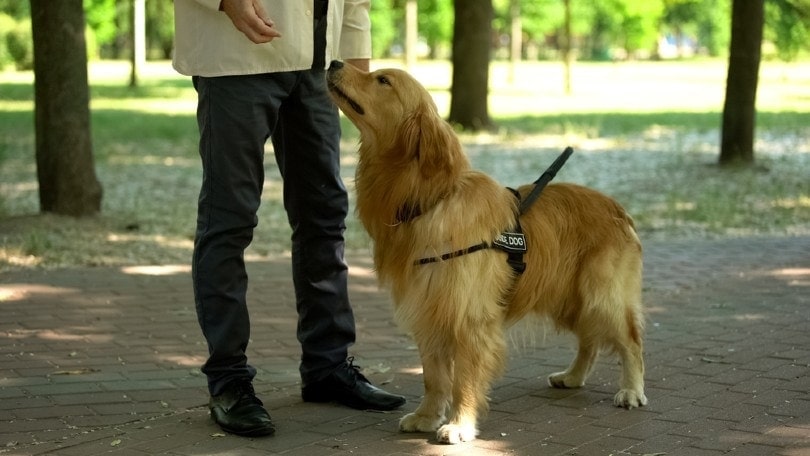
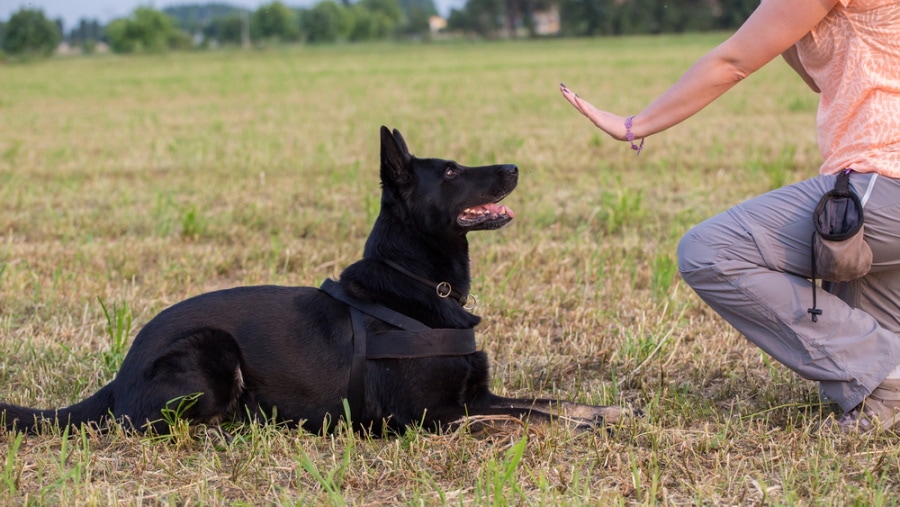
“Watch” is a more complex command for your dog, but the purpose of the command is to tell your dog to look at you and ignore other things that are occurring around them. Teaching this command doesn’t just teach your dog to look at you, but it teaches them to trust that you have a handle on the situation. Your dog should know this command well before you begin attempting to teach them how to greet other dogs properly. This will help your dog stay focused on the training session and lessen the risk of your dog becoming overwhelmed.
If you need help with training your dog, we suggest speaking with a vet online.
3. Find a Friend With a Well-Behaved Dog
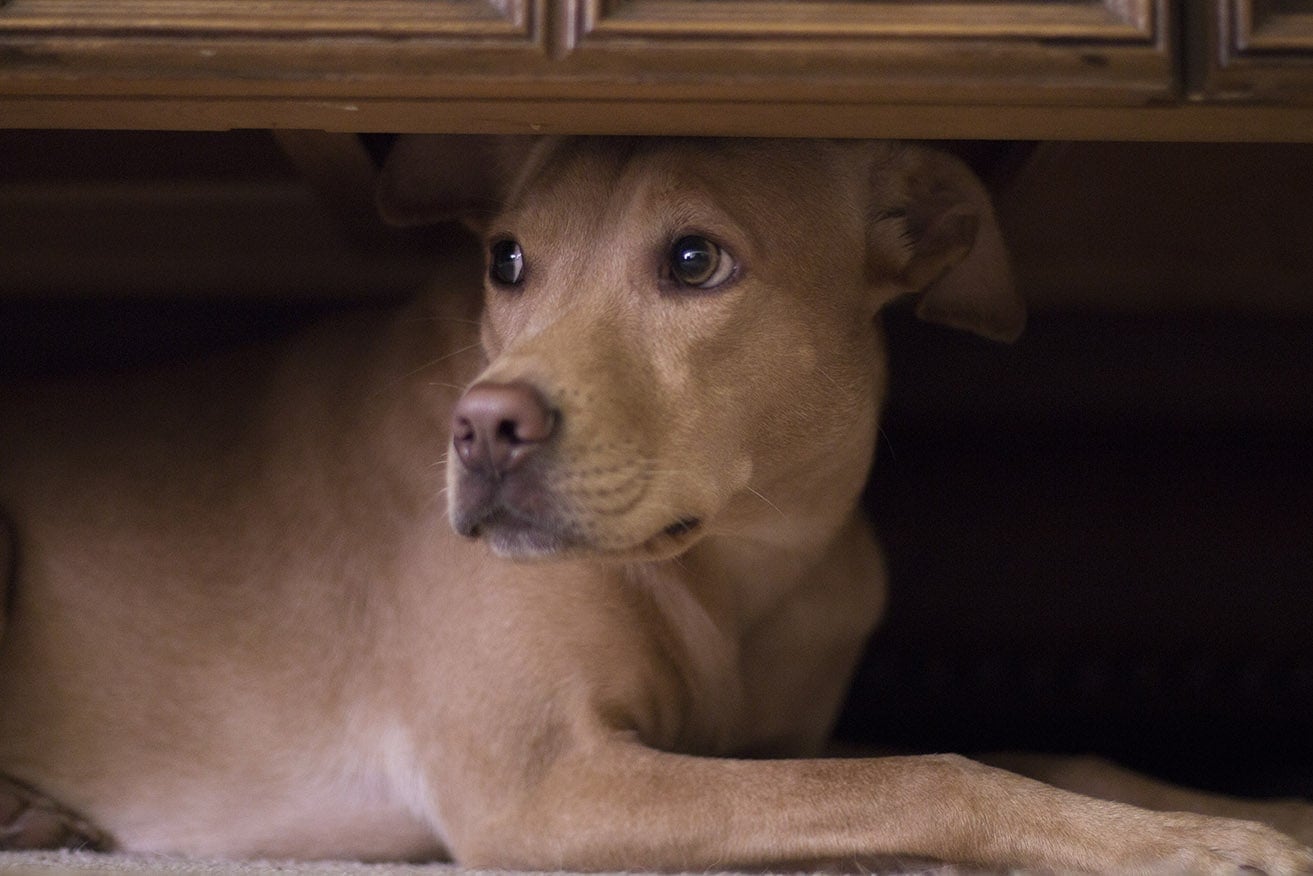
Once you’re ready to start training your dog to greet, you’ll need a well-behaved practice dog. Find a friend with a well-trained dog that is solid in its understanding of commands and that listens, even in chaotic situations. The last thing you want is for your dog’s greeting training sessions to turn into stressful situations that leave your dog feeling afraid of being around other dogs.
4. Prep Your Dog
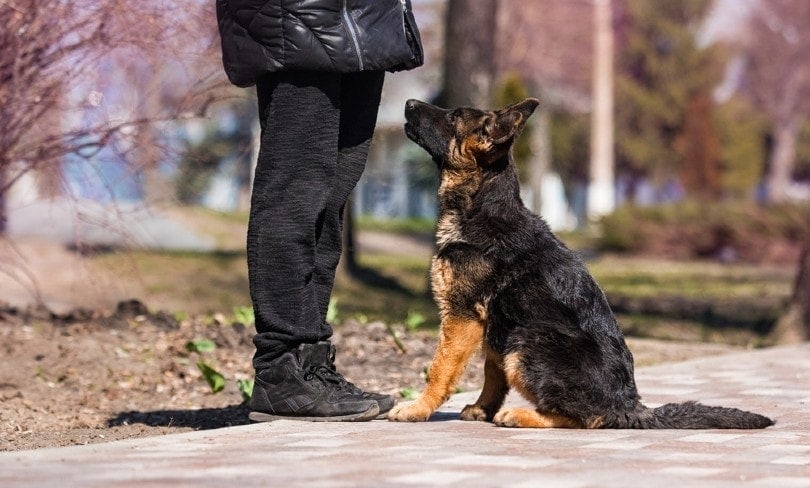
Before the session, put your dog through its training paces. This doesn’t have to be anything too complex or long, but you want to make sure your dog is listening and feeling sharp. Just like with humans, dogs can have an “off” day where they are distracted or anxious, which can make a greeting training session a poor thing to attempt. Running through practice commands and letting your dog know you have some reward treats available will help you start off the training session with your dog’s full attention.
5. Create Space First
Once both dogs are ready to start the training session, start things off with distance between the dogs. The dogs should be able to see each other, but the distance should be at least a few dozen feet apart. This will allow both dogs to see the other dog without getting to react. Try running your dog through a few simple commands once they’ve spotted the other dog to ensure you still have their attention and to distract your dog from an inappropriate reaction.
6. Slowly Advance
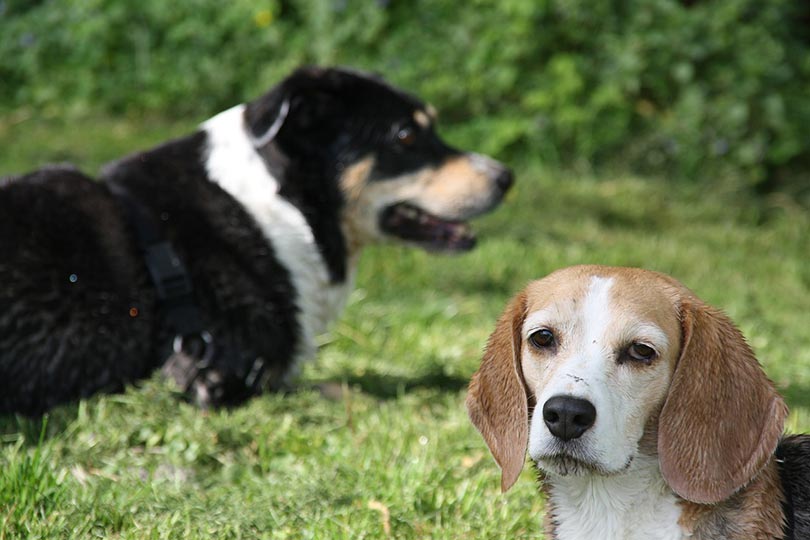
Once your dog hasn’t shown any inappropriate behaviors, like excessive pulling, jumping, or barking, then you can take a couple of steps forward. Once you’ve moved forward a couple of steps, repeat step five over again. Keep repeating steps five and six until the dogs are close enough to sniff each other. If at any point during the advancement your dog begins to act up, take a few steps back and start again. Keep in mind that the first few attempts at greeting another dog may take 30 minutes or more to get the dogs close to each other.
7. Allow a Brief Greeting
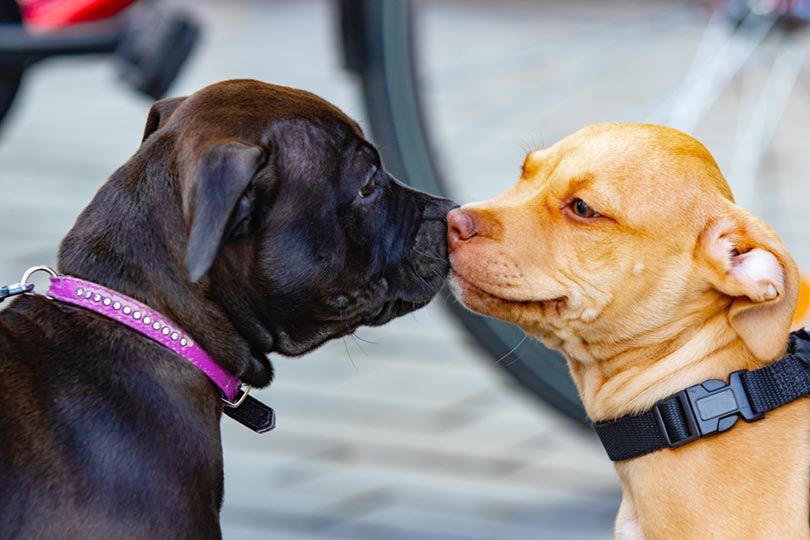
Once the dogs are near enough, let them sniff each other. Once the dogs are getting close to each other, “watch” will come in handy since it tells your dog to look to you for further guidance in the situation. Many people like to teach their dog a command like “say hi” that tells the dog that now is an appropriate time to sniff the other dog. Any barking, jumping, pawing/slapping, or aggressive behavior should put an immediate end to the interaction. If the dogs are both calmly sniffing each other, just give them a brief period to both get a good sniff.
8. End the Interaction
Don’t push it! The greeting period should be brief, likely less than 30–60 seconds. A greeting period that lingers too long can lead to your dog getting overwhelmed or overexcited and exhibiting undesirable behaviors, which can lead to a fight or an overall negative experience for both dogs. If your dog burns bridges with the practice dog, then it may be difficult to find another friend with a well-behaved dog that might be suitable for this type of training session.
9. Continue Practicing
Keep repeating these steps over and over regularly until your dog has exhibited an ability to stay well-behaved, even a couple of minutes into the interaction. This doesn’t have to be a daily training exercise, but one to three greeting training sessions per week can give your dog a great experience with appropriate greetings. As your dog improves their greeting skills, you may have other friends with well-behaved dogs bring their dogs by so you can start the training over with a new dog.
Conclusion
With a little bit of time every week, you can teach your dog to greet other dogs properly. It’s important to keep in mind, though, that dogs don’t necessarily need to be greeting other dogs, especially strange dogs. This type of skill can be used to introduce your dog to dogs belonging to friends, family members, or a new significant other. However, it’s not a good idea to allow your dog to greet every dog they pass on the street. Not every dog likes to be greeted, and you never know if a dog you’ve come across is well-behaved or vaccinated.
See also:
Featured Image Credit: NATHAN MULLET, Unsplash
Get Hepper In Your Inbox


Pet care tips from our vets and experts, straight to your inbox.
You may opt-out at any time. View our Privacy Policy for more information.
After nine years as a veterinary assistant, Brooke Billingsley transitioned to a career as a nurse in 2013. She lives in Arkansas with her boyfriend, sharing their home with three dogs, two cats, five fish, and two snails. A dedicated animal lover, Brooke has a special place in her heart for special needs pets, including a three-legged senior dog and a famous cat with acromegaly and cerebellar hypoplasia. Fish keeping is one of her hobbies, and she is constantly improving her knowledge to care for her aquarium pets. Brooke is an active yoga enthusiast, having obtained her 200-hour yoga teacher certification in 2020. She believes in the importance of continuous learning and dedicates time each day to developing new skills and expanding her knowledge.
Join the conversation
Ask a question, share your story, or send private feedback.