Hepper is reader-supported. When you buy via links on our site, we may earn an affiliate commission at no cost to you. Learn more.
How to Train a Scottish Terrier - 30 Vet Approved Tips



In this article
Training a Scottish Terrier, affectionately known as a Scotty, can be a rewarding experience full of fun and bonding. This breed is known for its bold, confident, and independent nature, making training an interesting task. Here's a complete guide to help you navigate the training process.

Before We Begin
- Develop a Positive Attitude: Training your Scottish Terrier will be much easier if you approach it with a positive attitude and plenty of patience.
- Set Realistic Expectations: Every dog is different, so there's no one-size-fits-all approach to training them. Be prepared to adjust your expectations based on the individual needs of your dog.
- Create a Positive Training Environment: Setting up a positive training environment is essential for successful training. Make sure to get rid of any distractions that could derail the process, such as toys or other pets in the room.
- Positive reinforcement: Use positive reinforcement techniques for training as these are proven to have greater effectiveness and help bonding. Use rewards for desired behaviors.
- Keep it short: Keep training sessions initially to under 5 minutes and increase from there.

Essential Commands and Obedience
1. Teach a cue word or phrase
As you start training your dog it is important to train an easily recognizable word to let them know they're getting it right. Many people simply use “yes” or “good job”. Each time your Scotty does something that you approve of, say “yes” and quickly give a treat. The timing of the treat is really important so that they can associate it with the behavior. Ideally it should be given within a second, so practice this. Another option is to use clicker training instead of a word.
2. Basic Commands
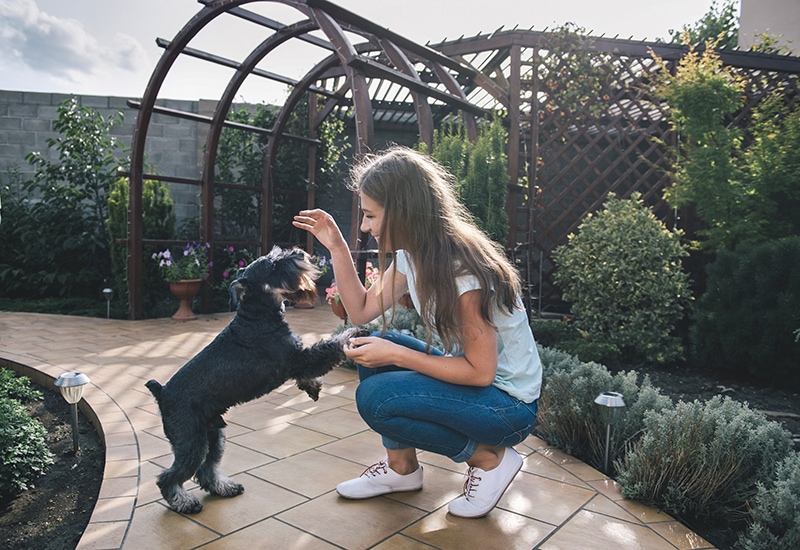
Begin with simple commands such as 'sit', 'stay', 'come', and 'down'. Use treats to get your Scottie to follow your motions and as a reward for following the command. When teaching your Scottie to sit, for example, you may have to gently push on your Scottie’s back just above his tail to get him to sit. Say the sit command so that your dog learns to associate the command with the action.
You can also hold a treat above your Scotty's nose, then move it up over their head. As they look up, they'll naturally sit down. Say 'sit' and give them the treat.
If you need help with training your dog, we suggest speaking with a vet online.
3. Be Consistent
Use the same words and gestures each time you give a command. This consistency helps your Scottie understand and respond correctly. Training with both a word and an associated hand gesture can improve success.

4. Practice Regularly
Short, regular training sessions are more effective than infrequent, lengthy ones. Aim for a few minutes several times a day. If your dog starts to lose interest even with attempts to redirect, stop the training and try again later.
5. Use Positive Reinforcement
Always reward your Scottie for correctly following a command. This could be through verbal praise, treats, or petting. Your Scottie will learn to associate the command with something positive, further reinforcing the idea. Don’t scold or punish your dog for not following the command, just withhold the treat until they get it right. Scolding and punishment may cause your dog to associate the command with something negative instead of something positive.

House Training
1. Establish a Routine
Dogs thrive on routine. Establish specific mealtimes and potty times and stick to them. Typically, a puppy needs to go outside within 15–30 minutes after eating. Having a schedule can help prevent accidents around the home, especially during puppyhood.

2. Regular Outdoor Trips
Take your Scottish Terrier outside frequently. Generally, the rule is that the amount of time between potty breaks should coincide with your dog’s age. For example, a 2-month-old pup should be taken out every 2 hours, 3 hours for a 3-month-old, and so on. Gradually increase the interval as they grow older.
3. Pick a Bathroom Spot
Choose a particular area outside where you want your Scottie to use as their bathroom. Always lead them to this spot when it's time to go. You may even consider fencing off a certain area for them to potty in, and eventually, they will learn where to go every time.
4. Watch closely
Dogs will usually start to be a little more active and start sniffing around when they need to relieve themselves. If you notice your pup starting to snuffle about then take them out for a toilet break just in case.

5. Use a Cue Phrase
As your Scotty is about to relieve themselves, use a cue phrase like "Go potty" or "Do your business". This can help them connect the phrase with the action and learn what you want them to do. It can be useful to have a different phrase for wees and poos.
6. Reward Success
When your Scotty successfully uses the bathroom outside, reward them immediately with praise and a treat. This positive reinforcement will encourage them to repeat the behavior.
7. Handle Accidents Calmly
If an accident happens indoors, clean it thoroughly to remove the scent, which can attract them back to the same spot. Never punish your Scottie for accidents. Instead, redirect them to the correct spot outside. Use an to help get rid of all the scents effectively.

8. Gradual Freedom
As your Scotty becomes reliable in going to the bathroom outside, you can start to give them more freedom inside the house. But remember, this is a gradual process. Don't rush it, and always supervise your Scotty when they're exploring new areas.

Socialization Training
1. Start Early
Initiate the socialization process when your Scotty is a puppy. The best time to start is between 3 and 12 weeks of age.
2. Introduce New Environments, People, and Pets
Your puppies' socialization window is the time that they are developmentally ready to learn about their environment. Start with items and experiences in the home such as hoovers and brushing. Once they are vaccinated, gradually expose your Scottie to different environments like parks, bustling city streets, quiet country paths, etc. This helps them to adapt to various surroundings. Let your Scotty meet people of different ages, sizes, and ethnicities. Always make sure these interactions are positive and safe. If possible, introduce your Scotty to other pets, both dogs and cats. Start with smaller and calmer animals to avoid intimidation. Puppy classes are a great way for your Scotty to socialize with other dogs while learning basic commands.

3. Keep Experiences Positive
Make sure all socialization experiences are positive. Using treats, praise, and toys can help make new experiences enjoyable and less frightening. A frightening experience at this age can have long lasting effects.
4. Monitor Body Language
Keep an eye on your Scotty's body language during socialization. If they show signs of stress or fear, gently remove them from the situation and try again another time. Don't rush the socialization process. Gradually increase the complexity and intensity of exposures.
5. Consistency Is Key
Be consistent. Regular and repeated exposure to new experiences is critical for successful socialization. Remember, socialization is a process. The socialization window for dogs closes around 14 weeks and is the time that they learn the most. If you want them to become comfortable with something that is going to be part of their daily life, like going in the car or the horse yard, then they need to have positive experiences with it before 14 weeks of age. But socialization shouldn’t stop there. You need to continue throughout your Scottish Terrier's life. Keep introducing them to new people, pets, and environments to maintain their social skills and confidence.

6. Variety
Socialization is not just about making doggy friends. It encompasses all the items, people and experiences that your pooch will come across. There are similarities such as trips to the vet, friends coming to the house, riding in the car, vacuum cleaners and so forth. If you have a different lifestyle such as city living or being on a farm they will need to become comfortable with all that entails. Variety is important. This list formulated by Dr Sophia Yin is a great place to start for ideas.

Feeding Routine and Healthy Diet
1. Establish a Schedule
Just like house training, dogs benefit from a consistent feeding schedule. Puppies typically need to be fed three to four times a day, while adult Scottish Terriers may only require feeding twice daily.
2. Choose High-Quality Food
Not all dog foods are created equal. Look for high-quality dog food that lists a specific protein (like chicken, beef, or fish) as the first ingredient, not a grain or filler or generic ingredients such as “meat meal” or “meat by-products.” Avoid foods with artificial colors, flavors, or preservatives.

3. Portion Control
Overfeeding is a common problem that can lead to obesity and other health issues. Refer to the feeding guide on your dog food packaging and adjust the amount based on your Scottish Terrier's size, age, and activity level. Use a standard measuring cup to measure your Scotty's meals or even better weigh portions out. This will help you ensure you're not overfeeding.
4. Limit Treats
Treats are a great training tool, but they shouldn't make up more than 10% of your Scotty's daily calorie intake. Too many treats can lead to weight gain and nutrient imbalances. Remember, a healthy diet is essential for your Scottish Terrier's overall well-being. As a general rule, the better-quality nutrition your dog gets, the healthier they will be.
Getting Your Scottie Used to Grooming
1. Regular Brushing
Brush your Scotty's coat at least twice a week to prevent tangles and matting. Use a high-quality slicker brush or a pin brush for best results. Always brush in the direction of hair growth, not against it. While grooming, take the opportunity to check your Scotty's skin. Look out for fleas, ticks, or any unusual bumps or lumps. If you notice anything unusual, consult with your vet.

2. Bathing
Bath your Scotty every 4 to 6 weeks, or as needed. Use a dog-friendly shampoo and conditioner to keep their coat clean and healthy. Be sure to rinse thoroughly to prevent residue build-up, which can irritate the skin.
3. Ear Cleaning
Regularly check your Scotty's ears for any signs of infection like redness, swelling, or foul odor. Clean them using a vet-approved ear cleaner and a soft cloth. Always be gentle to avoid causing any harm.
4. Teeth Cleaning
Dental health is crucial. Brush your Scotty's teeth at least three times a week using a dog-friendly toothpaste and a soft toothbrush. Regular brushing can prevent gum disease and bad breath.

5. Nail Trimming
Trim your Scotty's nails every 3 to 4 weeks. If you hear their nails clicking on the floor, it's time for a trim. Be careful not to cut into the quick, the sensitive part of the nail, as it can cause pain and bleeding.
6. Hair Trimming
Scotties require regular trimming to maintain their distinctive look. You may want to consider taking your Scotty to a professional groomer for this, as it can be quite complex.
7. Always Praise and Reward
Make grooming a positive experience for your Scotty. Offer lots of praise and some treats during and after the session. Remember, grooming is a great opportunity to bond with your Scottish Terrier. It not only keeps them looking their best, but it's also essential for their overall health and well-being.

Conclusion
Training your Scottish Terrier, like any other pet, is a journey filled with ups and downs. There will be days of great progress and others where it seems like you're going two steps back. But take heart! With patience, consistency, and lots of love, you'll help your Scottie become a well-adjusted, obedient, and happy member of your family. Remember, the bond you're building during this process is priceless.
Featured Image Credit: Pavel Shlykov, Shutterstock
Get Hepper In Your Inbox


Pet care tips from our vets and experts, straight to your inbox.
You may opt-out at any time. View our Privacy Policy for more information.
Nicole is a lover of animals of all sizes but is especially fascinated with the feline variety. She’s the proud mom of Baby, a Burmese, and works every day so he can relax in the sunshine or by the fire. She’s always had a cat in her home and has spent countless days with others, observing behaviors and softening up even the grouchiest of the lot. Nicole wants to share her kitty expertise with you so you and your cat can live happy, healthy, and care-free.
Join the conversation
Ask a question, share your story, or send private feedback.