Hepper is reader-supported. When you buy via links on our site, we may earn an affiliate commission at no cost to you. Learn more.
How to Train an Akita: 9 Vet-Approved Tips


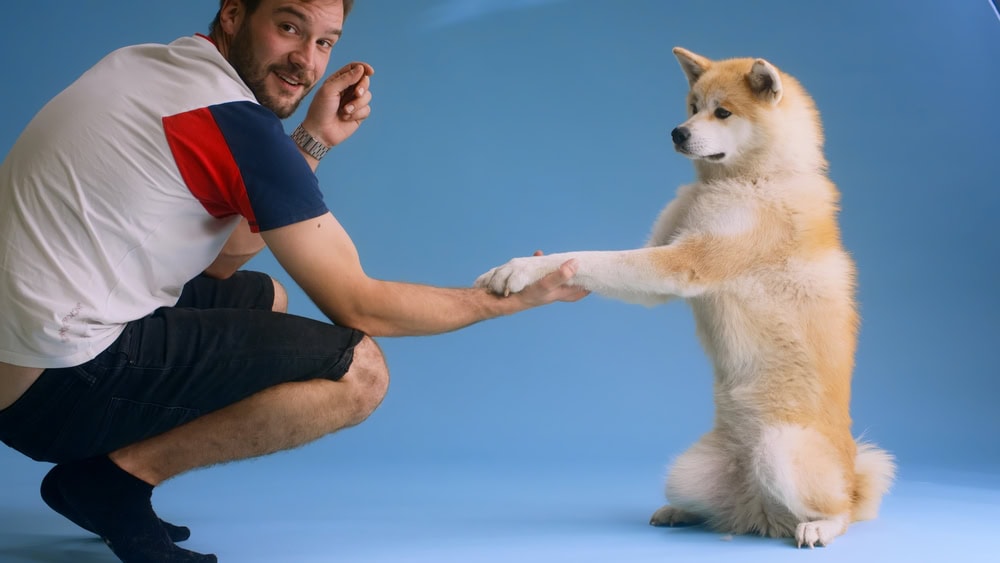
Teaching your dog proper behavior may seem like a daunting task. However, if you approach it the right way and persevere, you can feel confident in training your furry friend and take advantage of the opportunity to develop a great relationship.
It takes time and effort to train an Akita, but owners can use the breed’s intelligence to help them become remarkably well-behaved pets. Here are nine vet-approved tips for training Akita dogs!

Before You Start
With large breeds like the Akita, the ideal time to start training them is under 6 months of age. Plan training sessions immediately when you bring your dog home and start working on them as soon as possible. Of course, this is after giving them a couple of days to get used to the new environment.
You may find dog training exciting, but you need to understand the details of what you're doing—don't arbitrarily teach anything that comes to mind. To train effectively, you should pick a suitable location, acquire the necessary tools, prepare, use wholesome rewards, deliver reinforcement with good timing, and organize your training plans and commands beforehand.
The 9 Tips for Training an Akita
1. Use Positive Reinforcement
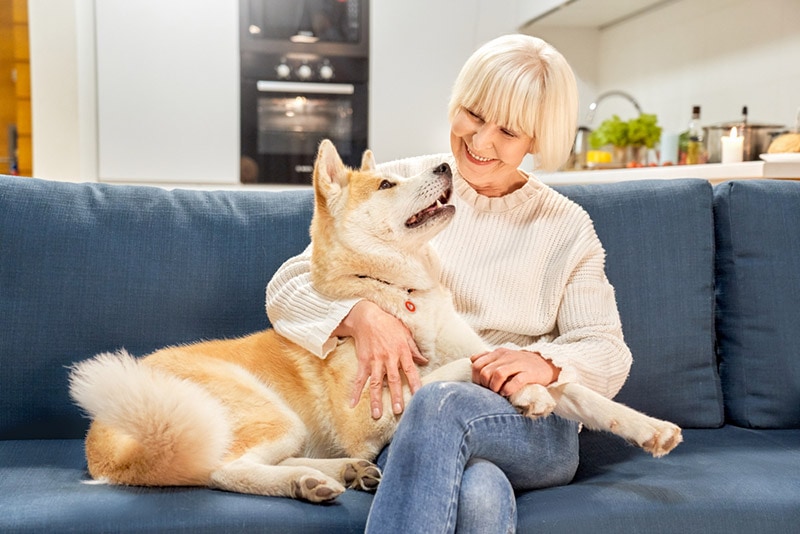
In basic terms, positive reinforcement training emphasizes rewarding your dog for appropriate behavior rather than punishing bad behavior. It helps increase the likelihood of good behavior being repeated by offering a positive consequence, like a reinforcer or reward. Most professional trainers or veterinarians recognize the outstanding effectiveness of this method, so you may want to apply it to your Akita.
If you need help with training your dog, we suggest speaking with a vet online.
2. Pick the Right Reinforcer
Some dogs are highly motivated by food and respond positively to any kind of edible reward, while others have more refined tastes. For example, they may favor soft, chewy treats over crunchy ones. However, there are also a few Akitas who might be more motivated by other reinforcers rather than food. If your dog is in this group, try testing different rewards, such as a brief game of fetch with their favorite toy or even just lots of affection.
3. Have Realistic Expectations
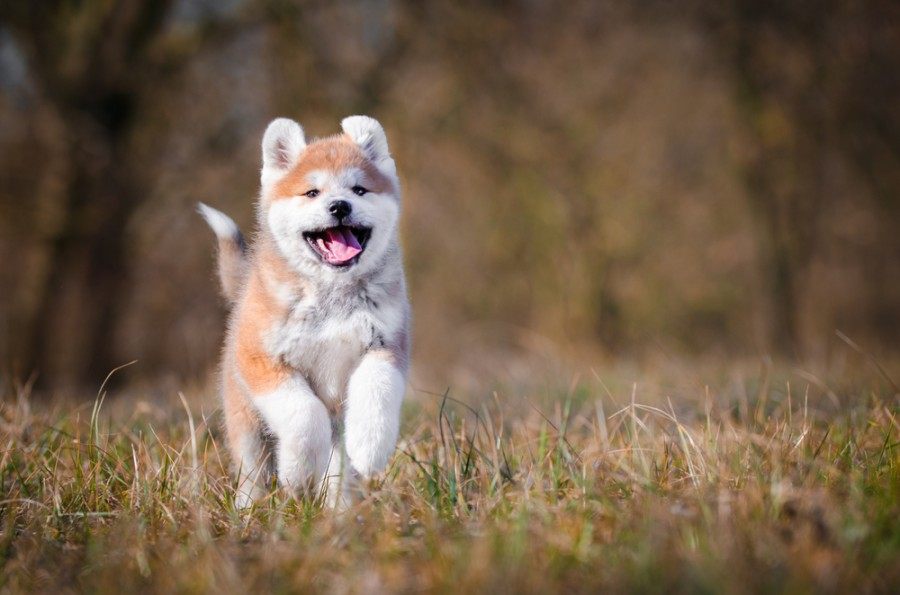
You should have realistic expectations about your dog's behavior and the time needed to correct undesirable behaviors. Barking, jumping, and digging are frequently the "normal" manners that take the longest.
Think about how long your dog has practiced the behavior. For instance, if your Akita has been jumping up on people to say hi for the past 5 years, and you decide that you don't want them to do that any longer, it will take much longer to extinguish that behavior than if you had addressed it when they were puppies.
4. Consistency Is Key
It's crucial to maintain consistency in your training. This includes being consistent with how you train your dog, such as using the same words and intonation every time you give instructions.
5. Train Little and Often
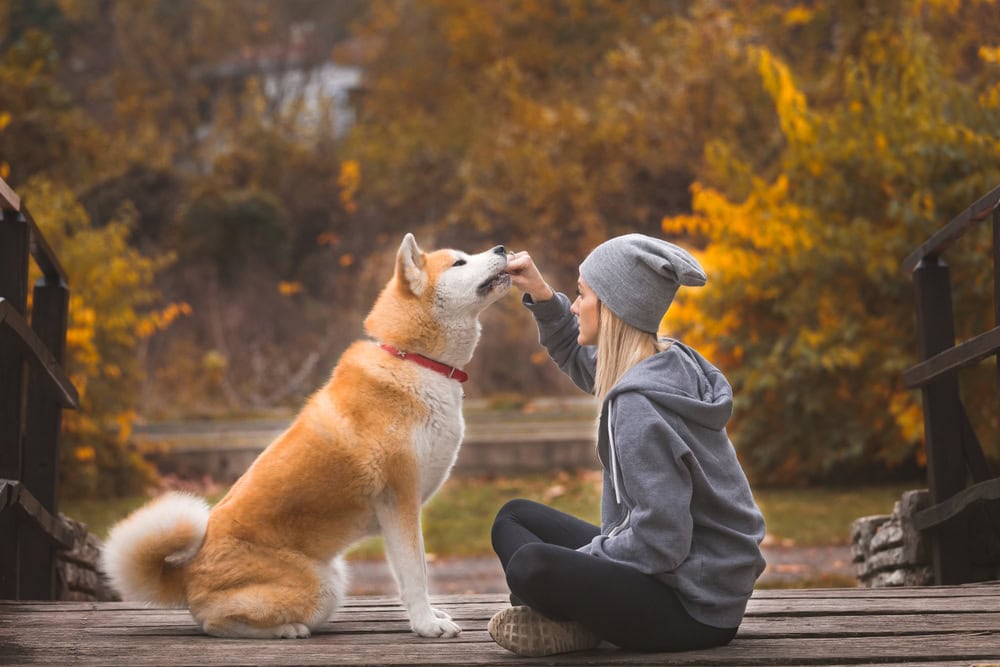
Training sessions should be short and fun. Keep your sessions to a maximum of 5 minutes because any longer could cause your Akita to become distracted or even frustrated.
It is better to do three 5-minute sessions in the day than a single 15-minute session. Please ensure your Akita ends up winning each time by setting your goals and expectations clearly and realistically for each session.
6. Build Up in Stages
The benefits of starting small are particularly evident when addressing more complex behaviors such as "stay" or behavior modification (when you're trying to eliminate undesirable behavior).
If you're teaching your dog to "come," give them praise and treats even if they take only one step further in your direction. As soon as they begin to get the hang of a behavior, adding additional steps and building up to the entire behavior will be much easier.
7. Make It Fun

You and your Akita should enjoy the training process! Always be positive and mix things up to keep sessions interesting. For example, you can include brief playtime breaks between repetitions. Along with regular obedience training, you might also want to think about teaching your dog new tricks.
8. Start Without Distractions
During the first stages of each new behavior, it is important to minimize distractions by staying in a controlled environment. Once the dog successfully responds to a command in a controlled environment, this should be moved to different locations.
Dogs frequently find it tough to follow commands in different locations or circumstances, so it's helpful to repeat your training sessions in various settings with many types of people and levels of distraction so that your pet can learn to respond correctly to the same command every time.
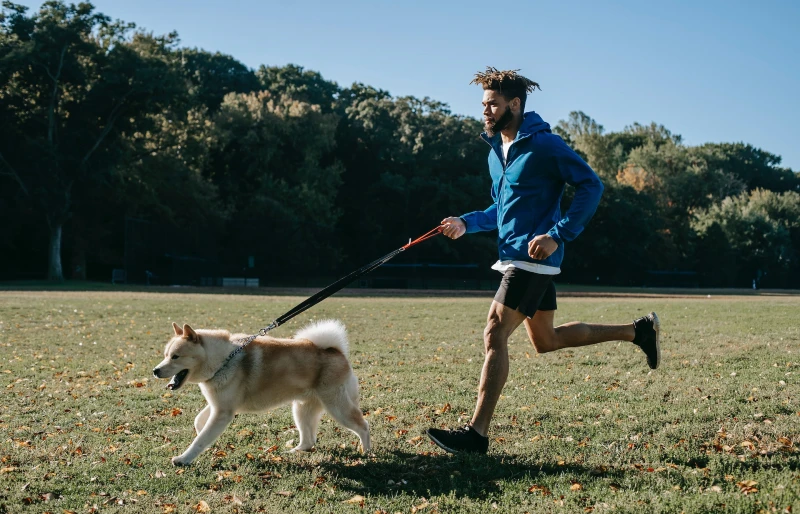
9. Train With a Leash
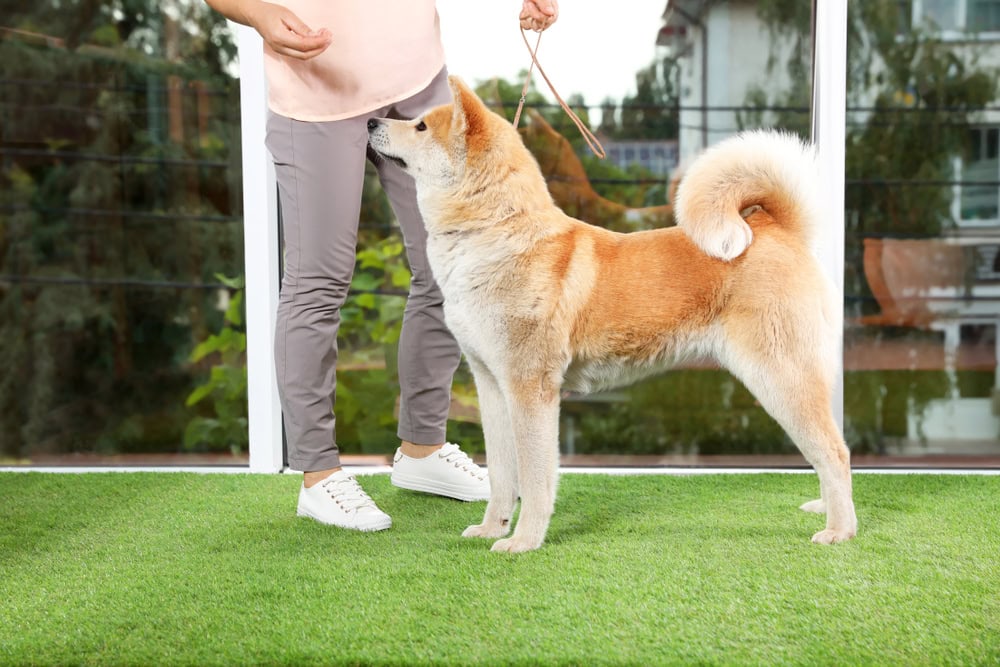
Control is the foundation of all training. A controlled dog is alert, calm, and focused—ready to pay attention to and carry out instructions. You can consider training your dog while they wear a leash because this gives you more control over them and calmly keeps their attention.

Conclusion
The Akita is a loyal and intelligent dog, but their independent nature and stubbornness can become a big problem if you don't train them well. These cuddly puppies will develop into powerful canines, so training should begin early and be repeated frequently. Calmness, consistency, and positive reinforcement are essential for successful sessions.
Sources
Featured Image Credit: MrClips, Shutterstock
Get Hepper In Your Inbox


Pet care tips from our vets and experts, straight to your inbox.
You may opt-out at any time. View our Privacy Policy for more information.
Hanh is a freelance writer living in Vietnam. She has a big love for working online and writing about animals, especially dogs. She finds happiness in helping pet parents across the globe have a fulfilling life with their pets by sharing her knowledge and that of other experts. When not writing, she enjoys traveling and experiencing different cultures.
Join the conversation
Ask a question, share your story, or send private feedback.