Hepper is reader-supported. When you buy via links on our site, we may earn an affiliate commission at no cost to you. Learn more.
How to Transition Your Dog to a Raw Food Diet: Vet-Approved Tips

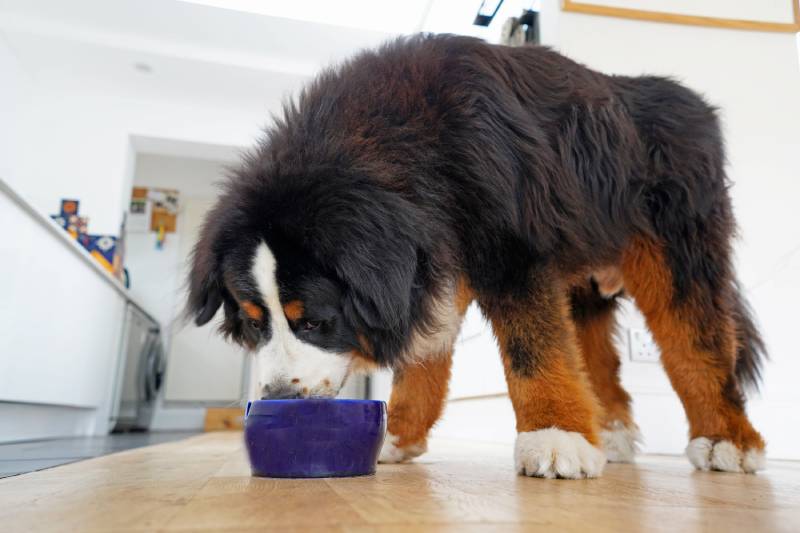
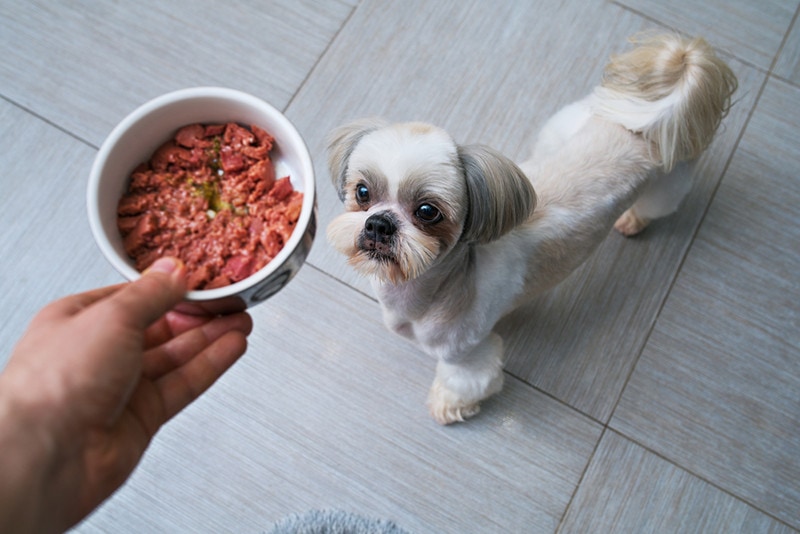
If you want to change your dog’s diet, you must do it correctly to prevent digestive upset. This is especially important if you switch your dog from kibble to a raw food diet because they’re so different.
In this article, we’ll discuss how to transition your dog to a raw food diet as smooth as possible, including safety tips for handling uncooked items. We’ll also look at what the experts say about the safety and health of raw food diets so you can decide what’s best for your pet.

Before You Start
Before starting the transition to a raw diet, the first question you should be asking is “what is the purpose of this change”. Raw feeding has become fashionable over the last few years or so, but there is little solid information to support that this type of diet is more beneficial than high quality commercial foods. Dogs with certain dietary intolerances or allergies may respond well to a raw diet, but we must be careful not to assume that raw = better. If you are keen to explore raw feeding for your dog, we recommend consulting your veterinarian to ensure the new food still provides your dog with complete and balanced nutrition. Don’t attempt to make your pet’s meals at home without veterinary guidance because they may lack essential nutrients and put your dog’s health at risk.
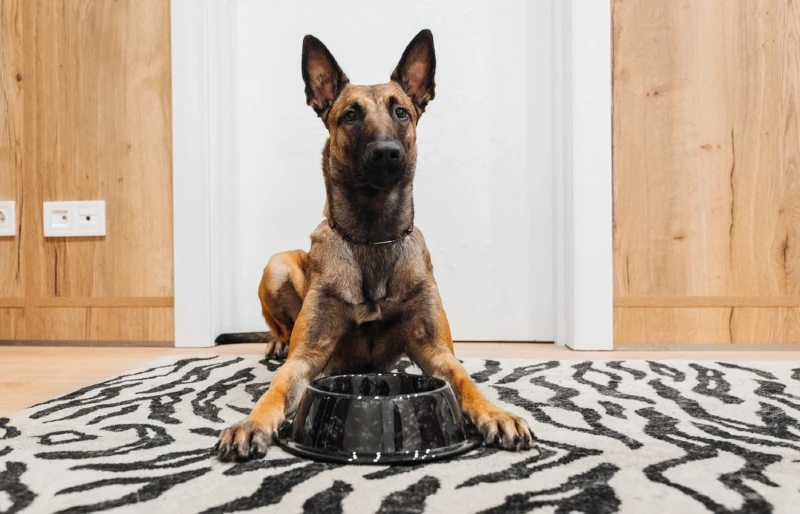
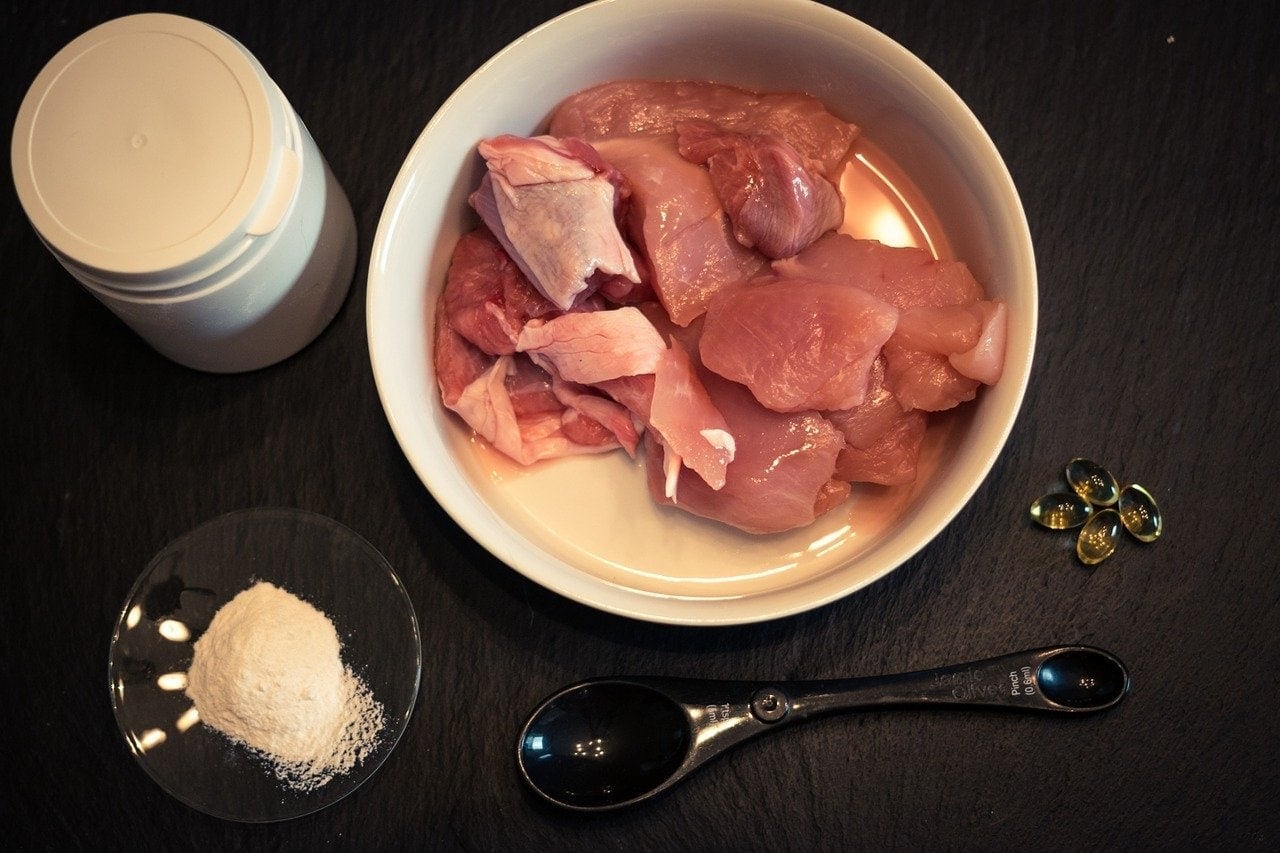
To transition to raw food as safely as possible, you will need the following supplies:

The 6 Tips for Transitioning Your Dog to a Raw Food Diet
1. Replace about 10% of Your Dog’s Old Diet with the New Raw Food Each Day
Ideally, slowly transitioning your dog to any new diet, including raw food, should take at least a week. On the first day, feed your dog 90% old food and 10% raw food. Decrease the old food and increase the raw diet by another 10% each day until you’ve made a complete switch.
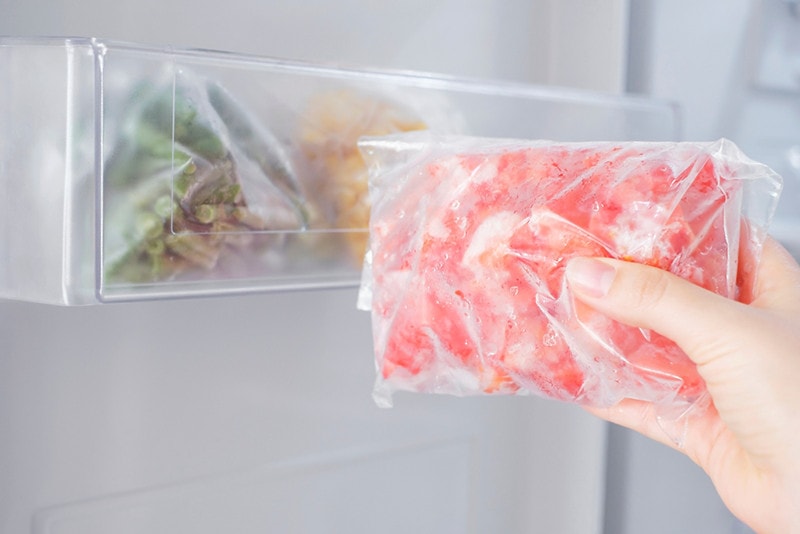
2. Keep the Raw Food Frozen Until Ready to Use
For safety, raw dog food should be kept frozen, with each meal stored separately until ready to use. Thaw the food in the refrigerator or microwave on defrost mode, just as you would with frozen raw meat intended for human consumption. Only thaw the food your dog will be eating that day and keep the rest frozen.
3. Follow Good Sanitization Practices
When handling raw dog food, it is essential that you do so with clean hands, or gloves if you would prefer. Not only can we pick up harmful bacteria from raw meat, but we can also transfer contaminants to the food that will not be removed by cooking. Be sure to wash your hands thoroughly after feeding your dog, even if you wear gloves, and immediately wash any food prep items that come into contact with the raw food. Sanitize your countertops or other surfaces after preparing raw dog food.
4. Monitor Your Dog’s Reaction as You Transition to Raw Food
Dogs vary widely in their response to new food items. Some dogs may tolerate the transition pace described in the previous step with no digestive side effects. If your dog has a more sensitive stomach, you may need to work slower.
Watch for signs such as belly pain, vomiting, diarrhea, or increased gassiness. If noted, pause your transition, and consult your veterinarian for advice. You may need to switch back to their previous food or transition to an alternative food if your dog is not tolerating a raw diet.
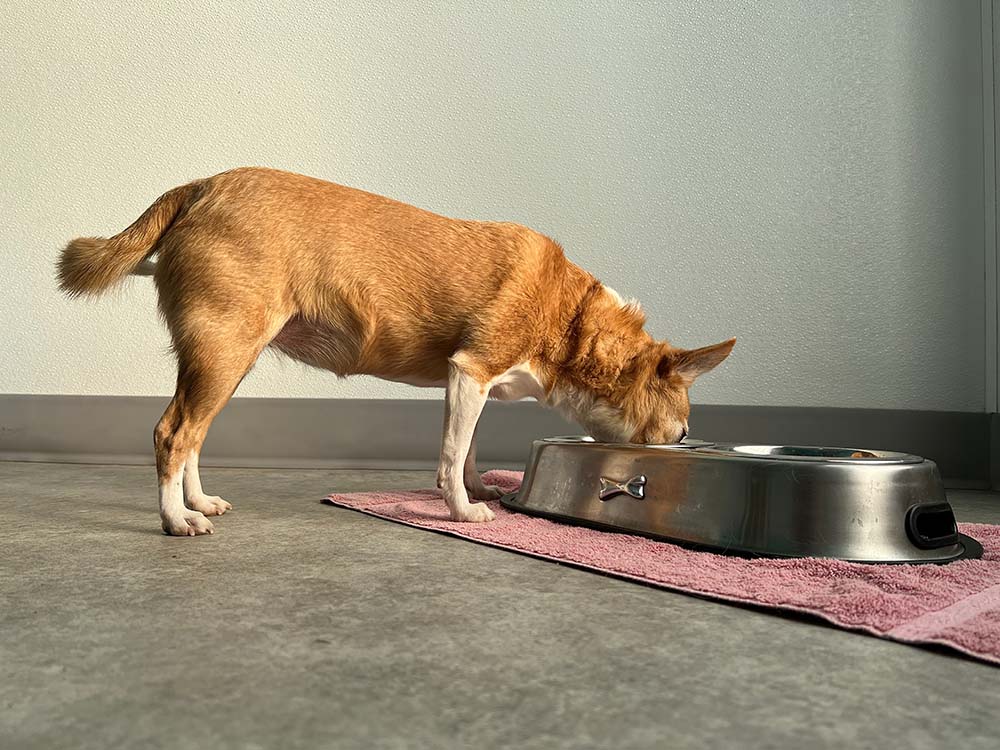
5. Handle Leftovers Safely
If you have leftover raw food, cover it tightly and refrigerate until your dog’s next meal. Don’t refreeze and rethaw the product. Alternatively, you can safely trash the leftovers and offer your dog fresh raw food. Wash your dog’s empty bowl with hot water and dish soap separately from other items. Again, wash your own hands after handling raw dog food.
6. Say No to Puppy Kisses and Yes to regular worming
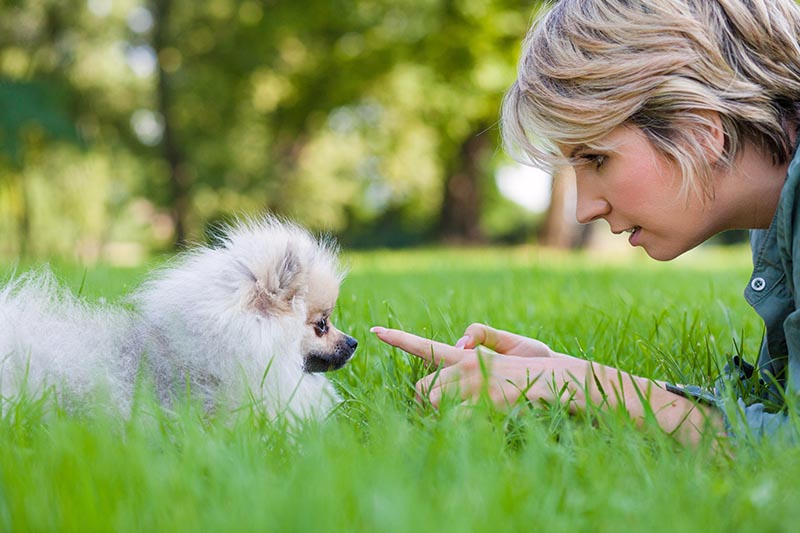
For safety reasons, don’t let your dog lick you or on the face after transitioning to a raw food diet, especially right after meals. If you pet your pup after a meal, wash your hands thoroughly. It is also essential that you keep up with a regular worming regime if you decide to feed raw, as meat can contain parasites that can be harmful to your dog and to humans.
What Science and the Experts Say About Raw Food Diets
Both human and animal scientists caution that feeding raw food diets poses safety concerns for humans and dogs. Raw food diets often contain harmful bacteria responsible for food-borne illnesses like Salmonella and Listeria. Dogs can become sick or become carriers of these bacteria and pass them on to humans. Raw meat is also more likely to harbor harmful parasites such as the tapeworm Echinococcus.
Children, the elderly, and people with weak immune systems are all at risk of becoming seriously ill from the bacteria that may be present in raw dog food. Following the safety tips we mentioned in our step-by-step transition directions can help, but won’t eliminate the risk.
Raw dog food containing bones may also put your dog at risk of a blockage or injury to its intestines. Chewing these bones can damage your dog’s teeth as well. They could also pose a choking hazard. Many pre-prepared raw diets contain a relatively high percentage of bone content which can accumulate in the intestines and lead to painful constipation.
Research has yet to show clear evidence for the health benefits of feeding raw food to dogs. Domestic dogs don’t have the same dietary needs as wild canines like wolves, as hundreds of years of selective breeding and domestication have altered their nutritional needs . I’m sure you can see why the dietary needs of a wolf would vary greatly from that of a chihuahua or French bulldog, for example! Replace about 10% of Your Dog’s Old Diet with the New Raw Food Each Day
Ideally, slowly transitioning your dog to any new diet, including raw food, should take at least a week. On the first day, feed your dog 90% old food and 10% raw food. Decrease the old food and increase the raw diet by another 10% each day until you’ve made a complete switch.
Quite often, most of the desired results of raw feeding can be achieved by transitioning to a higher quality commercial food that is higher in digestible energy and lower in grains and carbohydrates. It is also important to note that raw feeding involves more than just feeding raw meat; a diet consisting only of meat will lead to dangerous nutritional deficiencies in dogs.


Conclusion
Because of the potential health risks of feeding a raw food diet, it’s essential to discuss the transition with your veterinarian first. Your vet can discuss the challenges of transitioning to a raw food diet, the potential health impacts for your dog, and how to ensure your dog’s diet remains nutritionally balanced. If you decide to go ahead with the switch, the steps and tips outlined in this article can help you transition your dog to a raw food diet.
Sources
Featured Image Credit: Kristesoro, Shutterstock
Get Hepper In Your Inbox


Pet care tips from our vets and experts, straight to your inbox.
You may opt-out at any time. View our Privacy Policy for more information.
A lifelong lover of all creatures great and small, Elizabeth got her first cat at 5 years old and at 14, she started working for her local veterinarian. After spending more than 20 years working as a veterinary nurse, Elizabeth decided to step away to become a stay-at-home parent to her daughter. Now, she is excited to share her knowledge with our pet parents. Elizabeth lives in Iowa with her family, including her two fur kids, Linnard, a husky mix and Algernon, the worldʻs most patient cat. When not writing, she enjoys reading, watching soccer, and spending time outdoors with her family.
Join the conversation
Ask a question, share your story, or send private feedback.