Hepper is reader-supported. When you buy via links on our site, we may earn an affiliate commission at no cost to you. Learn more.
How To Store Homemade Dog Food: 6 Vet-Approved Tips


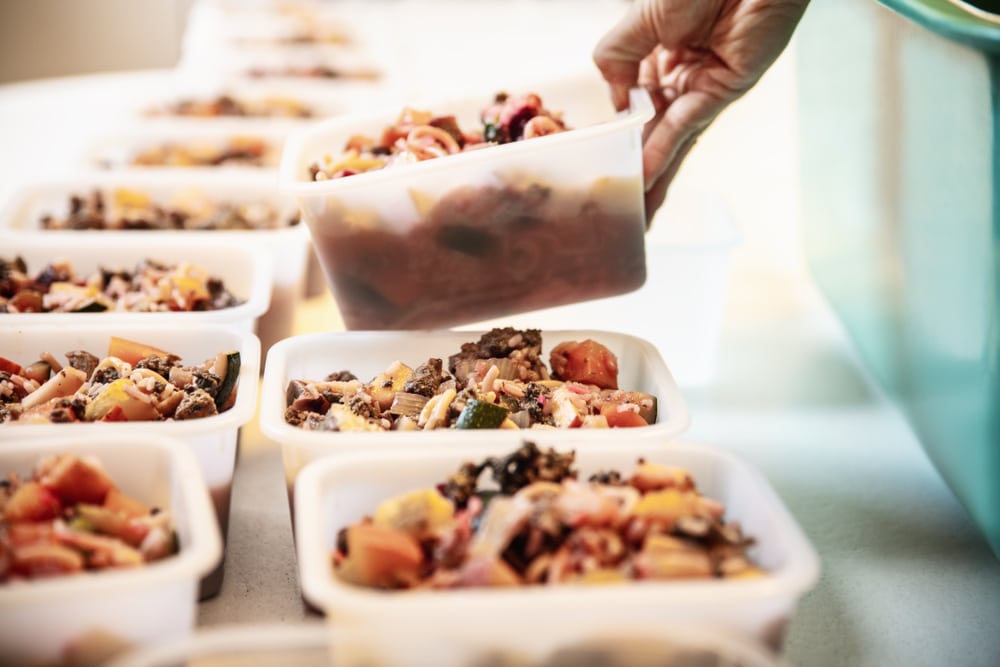
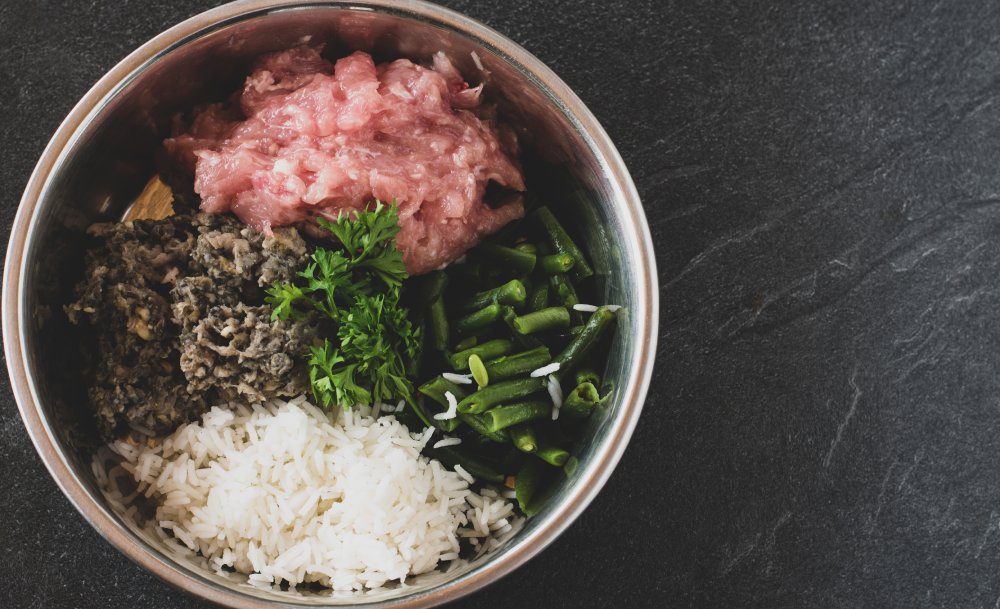
These days, more owners are choosing to make their pet’s food themselves. Like human food, making homemade dog food involves planning, shopping, cutting, chopping, mixing, and many other food preparation tasks.
Before you get started, do your research to make sure you are providing a nutritionally balanced meal for your dogs, with the right amount of protein, fat, carbohydrates, minerals and vitamins. Alternatively, you can combine homemade food with a high-quality commercial food to ensure they are getting everything they need.
Considering the time and energy it takes, the last thing you want is for this delicious and nutritious food to spoil and have to be thrown out. To help you prevent that, we have six expert storage tips for homemade dog food below. They will give you all the answers and advice you need to ensure your pet’s homemade food lasts as long as possible. The benefit of feeding homemade food to your dog is the freshness; the downside is that it lacks the preservatives found in commercial foods, so careful storage is essential.
If you are thinking of making bulk volumes to store, try your dog with a small portion first - it would be a shame to create a large batch of food that your doggo refuses to eat! It is also important to make sure that all meat products are cooked thoroughly before feeding them to your dog.

The 6 Tips to Store Homemade Dog Food Properly
1. Store Homemade Food in the Fridge for 4 Days Maximum
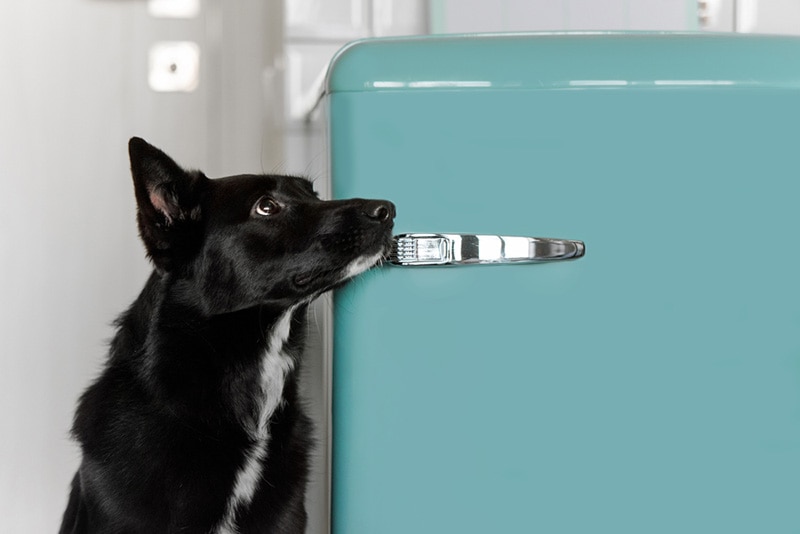
Many homemade dog foods have ingredients that can “go bad” quickly. Red meat, chicken, pork, and fish are the worst culprits. Refrigeration will slow bacterial growth in meat, but won’t stop it completely. For this reason, never store your homemade dog food in the fridge for longer than 4 days.
2. Never Serve Wet Food in a Timed Dog Feeder
Many dog owners have feeders timed to release food at different intervals throughout the day. If you’re away from home during the day, never put wet food in your timed feeder. That includes beef, pork, chicken, fish, and any other type of meat. Meat spoils too quickly to be trusted in a timed feeder, even those with chilled compartments. Only use dry dog food in a timed feeder, and feed the homemade food to your dog when you’re home. That way, you can ensure they eat everything, and nothing is left behind to spoil.
3. Store Bulk Dog Food in Your Freezer
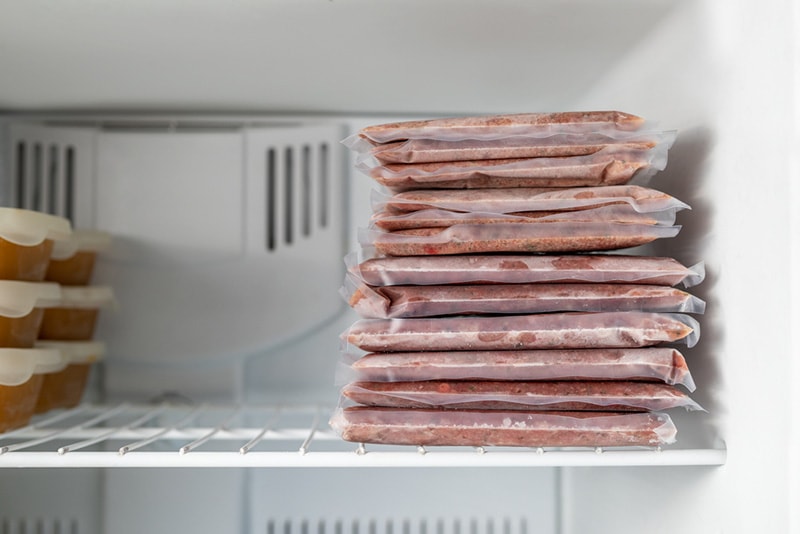
If you’re making homemade dog food in bulk and want it to last as long as possible, freezing it is your best choice. Freezing stops microbes, bacteria, and germs from growing. You can use freezer-safe containers or heavy-duty freezer bags for this task, which are cheap and easy to find. As long as you’re not storing the dog food for more than 6 months, it should be fine when thawed.
4. Thaw Frozen Homemade Dog Food in Your Refrigerator
Thawing your pet’s food on the counter doesn’t seem like a bad idea, but it truly is. Any bacteria present in the food before you freeze it can start multiplying rapidly as the temperature rises. If it’s on the counter for 8 hours, that will give bacteria 6 to 7 hours to get busy procreating and could cause stomach problems for your pet. So, it’s best to thaw homemade dog food in the fridge. It takes longer, but it is safer.
You can also thaw frozen food in the microwave, but it is important to check the temperature before serving it to your dog. If it’s hot to touch, it’s too hot to serve.
5. Make Sure No Homemade Food Is Left Over
This tip is critical if you make homemade dog food because, if left out for more than an hour or 2, it can spoil quickly. It also requires watching your pet every time they eat. If anything is left behind, you can clean it up quickly and toss the leftovers. For this reason, it is important to store food in individual servings, so you only thaw what you feed that day.
6. Use Containers with an Airtight Seal
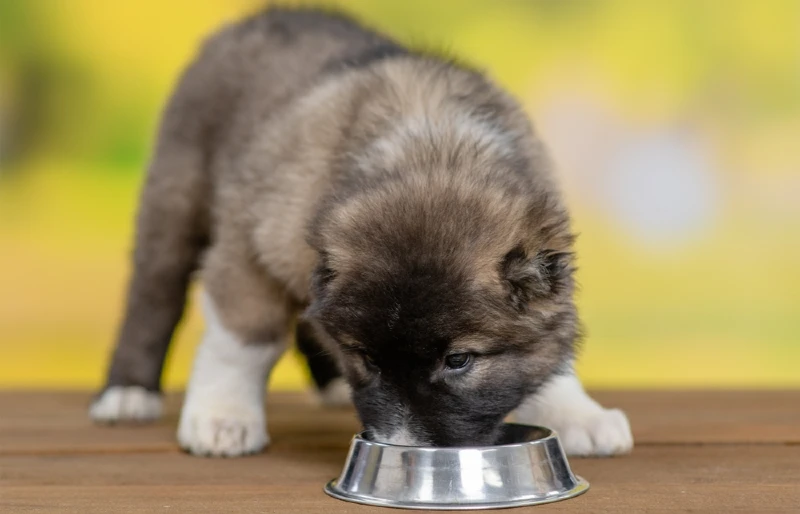
This last tip is crucial. No matter where you store your dog’s homemade food, it should be stored in an airtight container. Oxygen helps food rot faster by letting bacteria grow, along with mold, yeast, and other microorganisms that can cause problems for your pup.
It might be worth investing in a vacuum-sealing device if you’re truly into making homemade food for your pup in bulk. With a vacuum sealer, all the oxygen that can allow spoilage is removed. Your homemade dog food will last even longer in the freezer when packaged in a vacuum-sealed bag, which could end up saving you money and time. Plus, vacuum-sealing machines cost less than $100, so it’s not a huge expense if you’re committing to homemade pet food.
Additional Tip: Wash Your Hands Well After Handling Homemade Dog Food
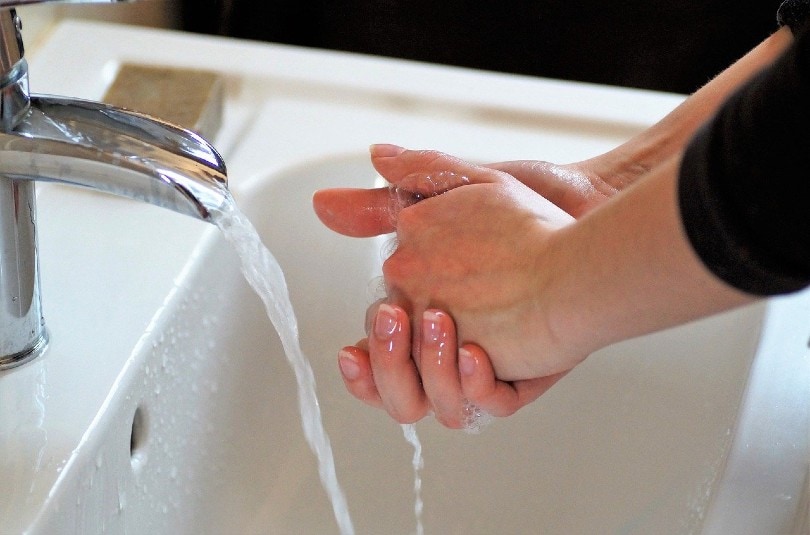
This tip isn’t about storing homemade dog food, per se, but it is still critical for your health and your dog’s health. Just like handling meat in your kitchen for your human family, you should wash your hands thoroughly after handling homemade dog food, especially raw meat. Any germs or bacteria on the food won’t be transferred to your mouth, eyes, other family members, or your dog. Contrary to popular belief, dogs can get food poisoning and become very ill from the bacteria found in most protein sources.
Final Thoughts
Preparing homemade dog food for your dog is a nice way to ensure you know exactly what is going into their bowls and their tummies, but it is a bit more complicated than it initially seems. Apart from ensuring they are getting the right balance of nutrients, homemade food requires a bit more preparation and storage considerations so that it doesn’t spoil and cause gastrointestinal issues for your dog.
The good news is that, by following the expert tips above, your homemade dog food will last longer and cause fewer health issues for your favorite canine. Best of luck in the kitchen, and we hope your furry friend likes what you make!
Sources
Featured Image Credit: Miriam Doerr Martin Frommherz, Shutterstock
Get Hepper In Your Inbox


Pet care tips from our vets and experts, straight to your inbox.
You may opt-out at any time. View our Privacy Policy for more information.
Greg Iacono is a self-taught writer and former chiropractor who, ironically, retired early due to back problems. He spends his time writing scintillating content on a wide variety of subjects. Greg is also an accomplished video script writer known for his ability to take a complex subject and make it accessible for the layperson.
Join the conversation
Ask a question, share your story, or send private feedback.