Hepper is reader-supported. When you buy via links on our site, we may earn an affiliate commission at no cost to you. Learn more.
Imodium for Dogs: Dosage and Usage (Vet Answer)

In this article
Your dog has been keeping you up all night because they are dealing with diarrhea, and it is still several hours before your veterinarian opens for you to call. You have Imodium on hand. Is that something you can give your dog, and if so, how much do you give?

What Is Imodium?
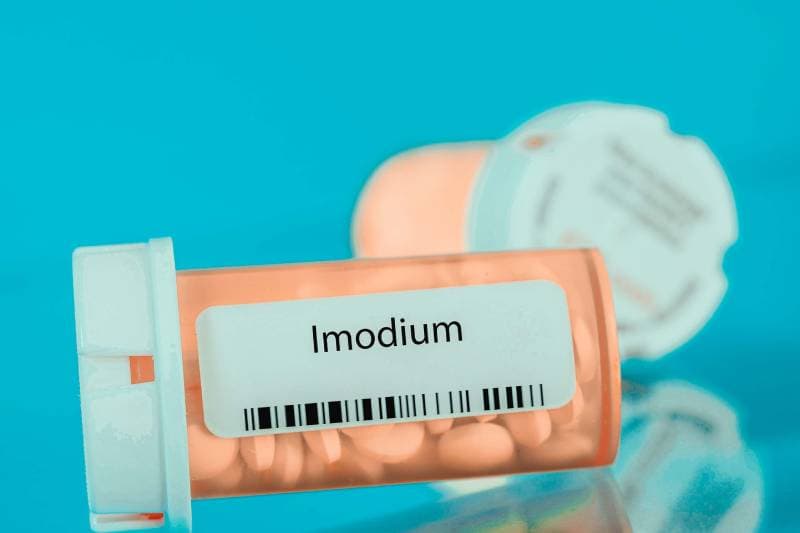
Imodium is the brand name for a medication called loperamide. In addition to being available as a generic, you can find it as:
- Imodium
- Anti-diarrheal
- Diamode
Imodium treats diarrhea. It is used off-label or extra-label in dogs, which means it isn't FDA-approved for them. You should only give loperamide if your veterinarian recommends it because it does have potential side effects.
Imodium slows gut motility by acting on smooth muscle in the gastrointestinal tract. In addition to slowing gut transit time, having more time in your dog's gut allows your pup's body to reabsorb water and nutrients, so the stool shouldn't be as loose.
According to the Mayo Clinic, you should store the medication in a closed container, in a dry place at room temperature, away from excessive heat or cold and direct light.
How Is Imodium Given?
Imodium or loperamide is available in several forms: a liquid suspension, tablet, or capsule.
In its article on treating colitis in pets, the Merck Veterinary Manual lists the dosage for loperamide as 0.1–0.2 milligrams per kilogram of body weight, given every 6 to 12 hours.
It is best not to give loperamide except under the direction of your veterinarian. While it can help with diarrhea, it shouldn't be used in cases of infectious diarrhea, such as intestinal parasites or Salmonella infections. Your veterinarian will need to perform testing to help determine the underlying cause.
What Happens if You Miss a Dose of Imodium for Your Dog?
If you miss a dose of loperamide, give it as soon as you remember. However, don't give two doses together and wait the recommended period between doses (usually 6 to 12 hours).
Potential Side Effects of Imodium in Dogs
The most common side effect of Imodium in dogs is constipation. This effect is especially common after multiple doses of Imodium, so your veterinarian will likely direct you to stop the medication as soon as your dog's diarrhea stops.
Other side effects include the following:
Unfortunately, some dogs have a specific gene that makes them more susceptible to the effects of loperamide. These dogs have an MDR1 mutation or multi-drug resistance gene.
Certain breeds more commonly have this gene, such as:
These dogs are likely to experience toxic side effects from the loperamide.

Frequently Asked Questions (FAQs)
Why can't dogs have Imodium?
Many dogs can take Imodium, but it should only be given under the supervision and advice of a veterinarian. Some dogs may have genetic sensitivity to the medication if they have an MDR1 gene, but it can also have side effects or drug Interactions for other dogs.
Will one Imodium hurt my dog?
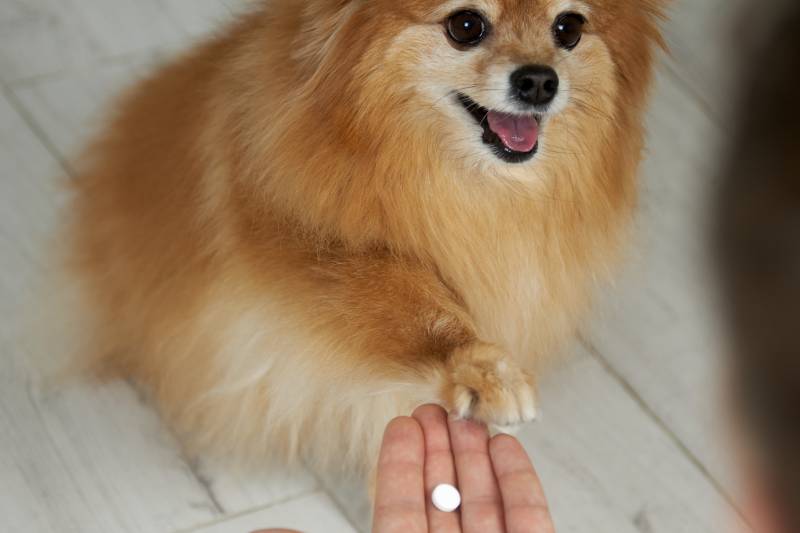
While one Imodium tablet isn't likely to hurt your dog if they’re a medium to large breed dog, you should still be careful when giving it. Unfortunately, it can be challenging to dose small dogs because the recommended dosage is about 1 milligram per 20 pounds. (A regular Imodium tablet contains 2 milligrams.)
What can I give my dog to stop diarrhea?
If your dog has diarrhea, you should have it examined by a veterinarian to ensure it doesn't have something more severe than a soft stool. In the meantime, you can offer your dog a bland diet of chicken and rice or lean ground beef and rice.
Probiotics are often very beneficial for our dogs. A commonly used brand is Purina's Forti-flora. For anxious dogs, Purina Calming Care can be a helpful probiotic.
Conclusion
It is normal to want to reach for something in our medicine cabinets to treat our dogs, especially when they have bad diarrhea. While Imodium is generally safe, you should only administer it at your veterinarian's recommendation.
Sources
Featured Image Credit: Creative Cat Studio, Shutterstock
Get Hepper In Your Inbox


Pet care tips from our vets and experts, straight to your inbox.
You may opt-out at any time. View our Privacy Policy for more information.
Dr. Samantha Devine is a veterinarian who loves sharing her knowledge about animal species and their care with others. Whether it's a guinea pig question or a pressing matter about something your dog ate, Dr. Devine is always striving to provide clear and helpful answers.
Dr. Devine received her degree from the Virginia Maryland Regional College of Veterinary Medicine.
Dr. Devine has been practicing veterinary medicine for over 12 years and has spent a great deal of that time writing online to educate pet parents. She is particularly passionate about preventative care.
Join the conversation
Ask a question, share your story, or send private feedback.