Hepper is reader-supported. When you buy via links on our site, we may earn an affiliate commission at no cost to you. Learn more.
Why Does My Puppy Have Diarrhea? 6 Vet Reviewed Causes, Types & Diagnosis


In this article
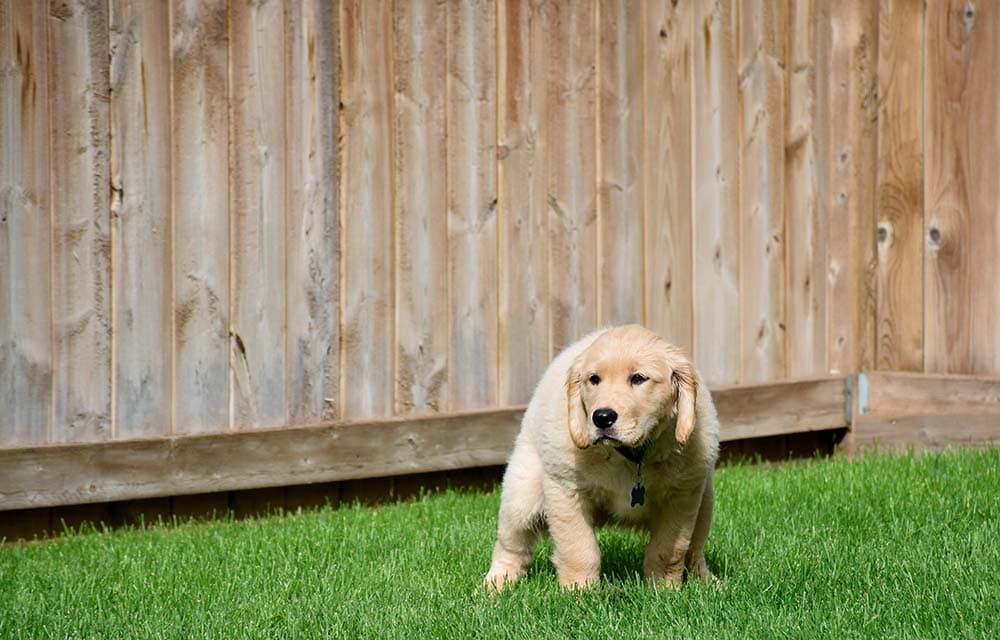
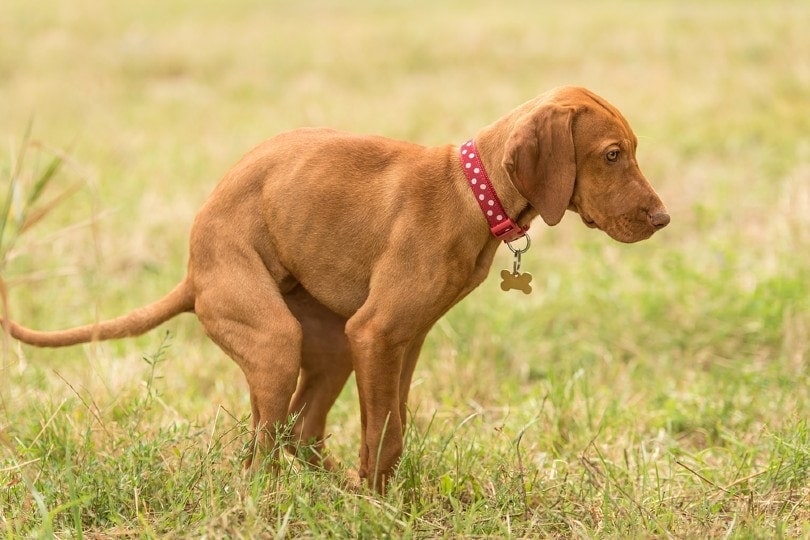
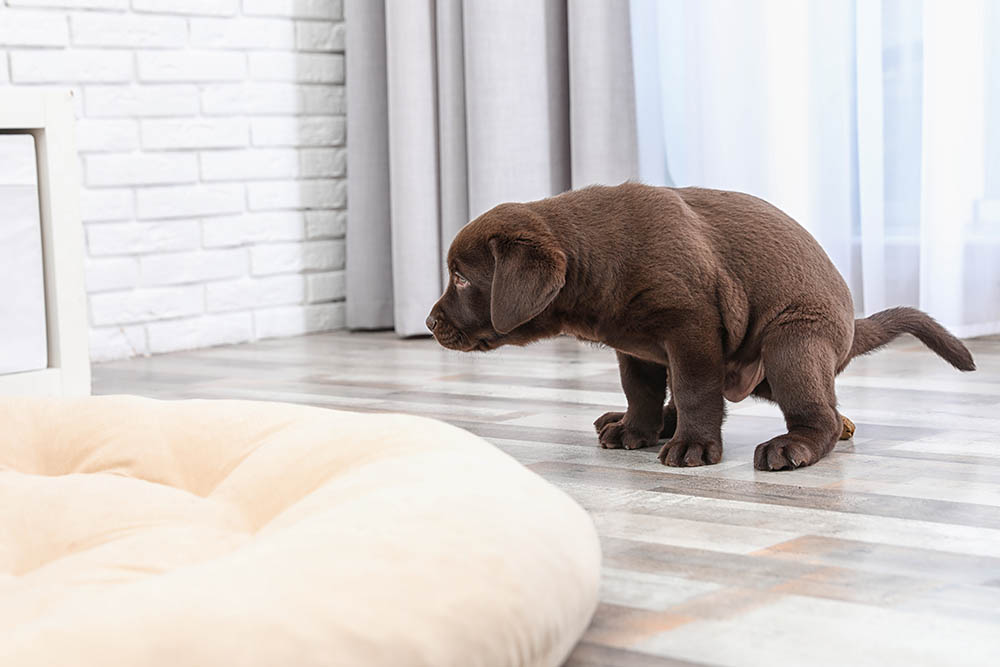
Puppies and accidents go hand in hand, but diarrhea can be concerning. It can happen for several reasons - especially in puppies - ranging from a change in diet to a potentially serious virus, with a myriad of causes in between. A visit to “Dr. Google” can bring up many alarming options, so to help get a clearer view of when it is time for you to visit a vet, we’ll discuss six common reasons puppies experience diarrhea.

The 6 Reasons Why Your Puppy Has Diarrhea
1. Diet
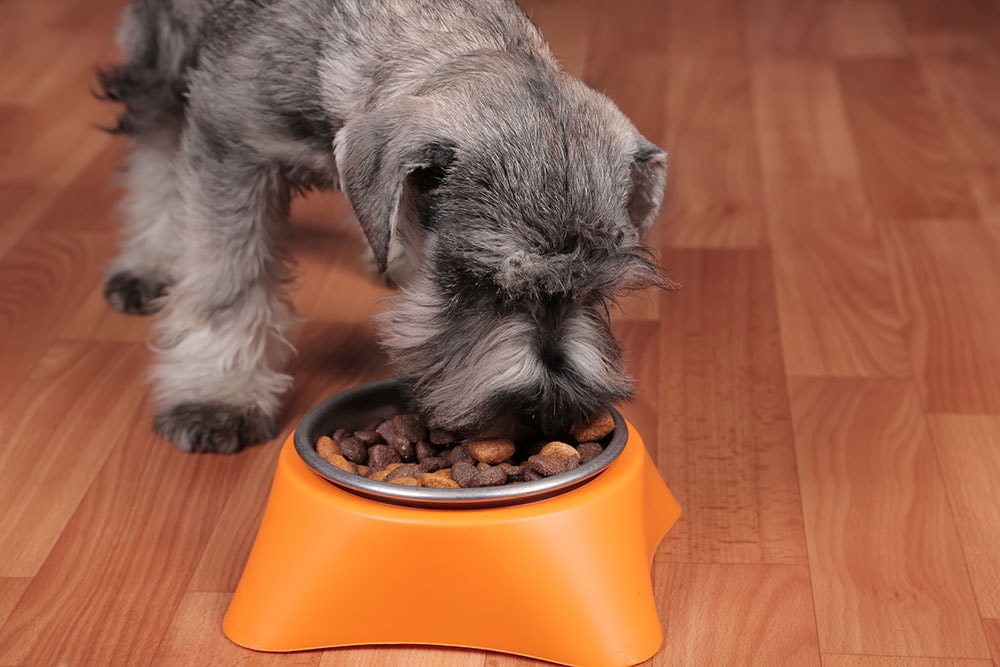
Puppies benefit significantly from routine, and their gastrointestinal systems operate the same way. Think back to a couple of days ago and try to determine if your puppy ate something different. Perhaps your puppy snuck something from your plate, which could have led to an upset stomach, or perhaps it sniffed its way into the trash and found something it liked. The puppy’s digestive system may become unsettled as a result of these dietary mistakes, especially since their digestive systems are still developing.
Perhaps you changed up your puppy’s food because you wanted a higher-quality diet, or your store ran out of your usual brand of puppy food. Whatever the cause, even a minor diet change can result in diarrhea in pups. The issue could also be with your pup’s present diet. Puppies can occasionally become sensitive to specific foods or ingredients, and foods that are of a lower quality will often result in unhappy poops.
When you first bring your new pup home, you should initially keep them on the same food they were having with the breeder. Transitioning to a new environment can be stressful enough without adding a change of diet into the mix. If you do wish to introduce a different type/brand of food, do so gradually over 1-2 weeks once they have settled in.
For mild to moderate cases of dietary intolerance, eliminating the food item, converting to a bland or new protein diet, and receiving probiotic therapy are often sufficient remedies.
2. Internal Parasites
One of the most common causes of diarrhea in young puppies is intestinal parasites. Roundworms, hookworms, whipworms, coccidia, and giardia are just a few parasites that can cause diarrhea in pups and need to be treated by a veterinarian, whether they are acquired from the environment or are present at birth.
Gastrointestinal parasites can range in appearance from microscopic protozoa and coccidia that can only be seen under a microscope to worms that occasionally appear in the feces. Even though the worms might not be visible, their eggs are often visible in their feces. A fecal examination is one of the first procedures a veterinarian will perform on a puppy who has diarrhea because of these parasites. Often worms aren’t seen until the puppy has been treated and they are then expelled from the body, so just because you can’t see worms, it doesn’t mean they aren’t there.
As dogs age, they typically develop natural resistance to intestinal parasites, but puppies are helpless against them. These parasites deplete a puppy's nutrients and may result in signs such as:
- Unhealthy coat
- Slow growth
- Bloated stomach
- Vomiting
Anti-parasitic drugs treat the issue, and probiotics are often used to increase the healthy gut microbiome to fight against infection.
3. Eating Something Dangerous
Puppies like exploring everything they can, inside and outside, and will use their mouths and noses to investigate. While exploring their new environment, it is possible they could have eaten something dangerous such as plastic, poisonous plants, or a poisonous substance. Ingested toxins and foreign objects can cause soft stools or watery diarrhea in puppies.
Toxins are often not fully diagnosed unless they are known to be ingested. Smaller foreign items often pass through, and oral medications can be used if there is any stomach upset. Larger foreign items might need to be removed endoscopically from the stomach or through exploratory surgery in the abdomen.
4. Viral Infection
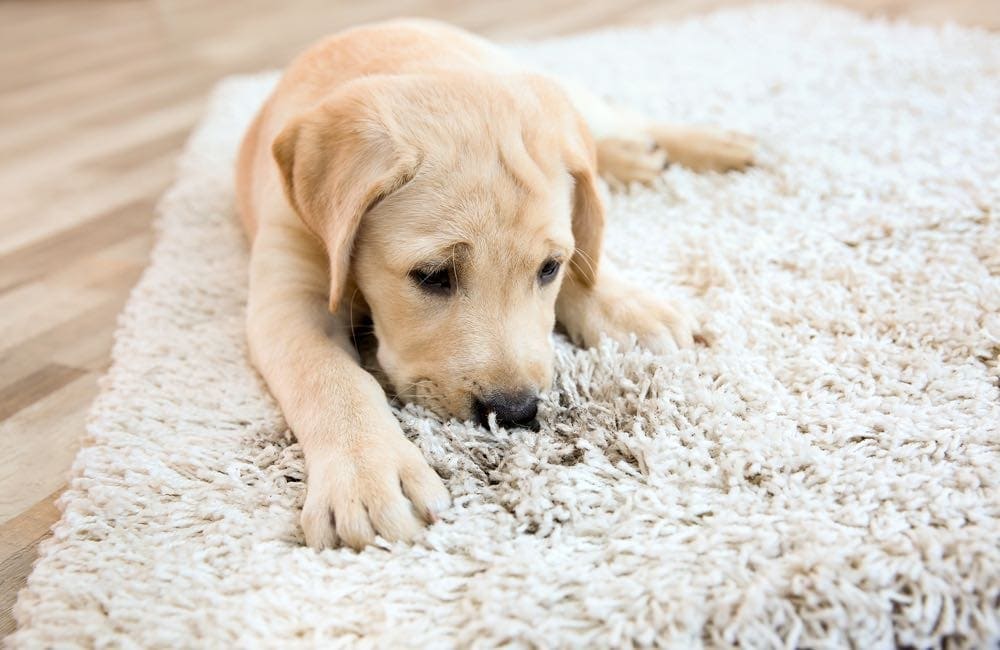
The most concerning factor causing puppy diarrhea is a viral illness. The most well-known viral illness that causes diarrhea in pups is parvovirus. It is often fatal without proper treatment and is spread by direct dog-to-dog contact, or contact with contaminated environments, people, or feces. Parvovirus is a particularly resilient virus and can remain infectious in the environment for around two years. Canine distemper virus, canine adenovirus 1, and canine coronavirus are additional infections that can cause diarrhea in puppies.
Puppies need several booster vaccinations at various developmental stages to ensure their immune systems can mount a good defense against viruses they encounters. The distemper vaccine aids in preventing these viruses, which can be lethal if ignored. The parvovirus vaccine has historically been extremely effective and could have even eliminated the virus if all dogs were vaccinated. Sadly, there have been recent reports of a potential new strain of parvovirus emerging, with vets urging owners of puppies and adult dogs to ensure they remain fully vaccinated against this horrible disease.
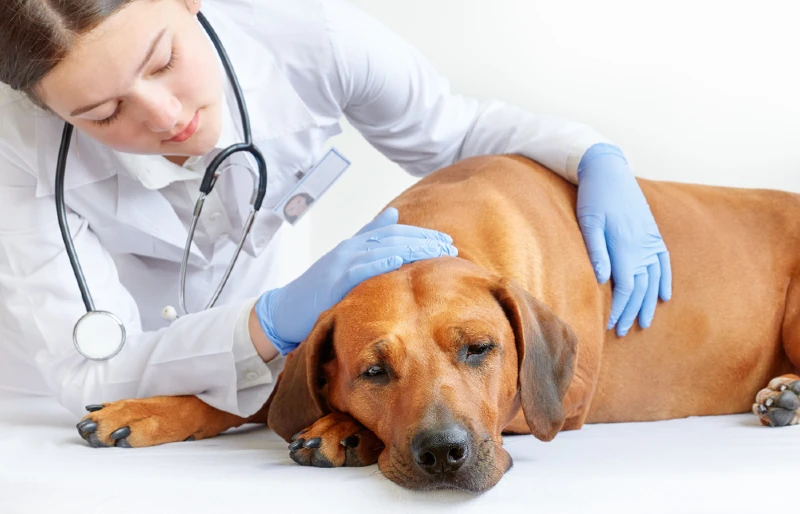
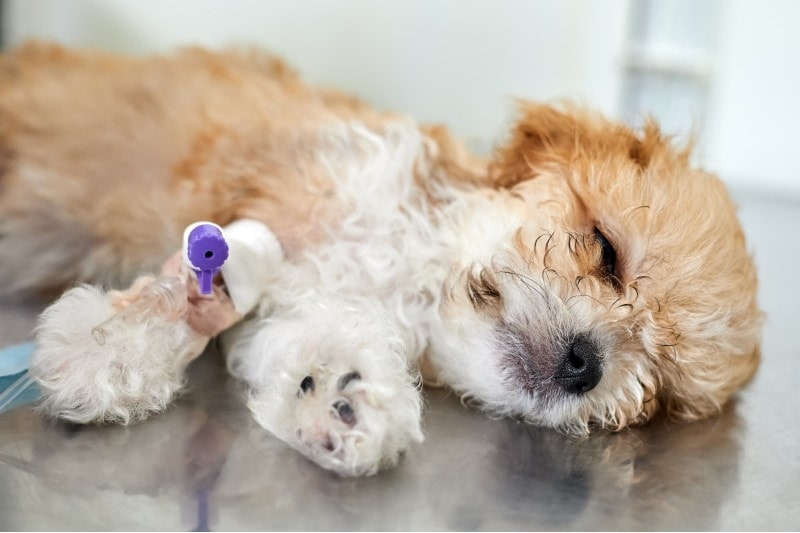
Puppies are much more susceptible to the effects of dehydration and protein loss from diarrhea, so it is not uncommon for your vet to recommend hospitalization for intravenous fluid therapy in more severe cases of diarrhea, and if parvovirus is detected, be prepared for your pup to have a lengthy hospital stay.
5. Bacterial Infection
Puppies are more vulnerable to bacterial illnesses than adult dogs because they have more naive immune systems. Puppies commonly consume contaminated food or drink contaminated water, which results in the development of bacterial illnesses in their gastrointestinal tracts. Puppy diarrhea and other dangerous symptoms can be caused by salmonella, listeria, clostridium, E. coli, and other bacterial species.
These illnesses are dangerous and typically come with additional signs like vomiting, fever, bloody diarrhea, and appetite loss. Oral antibiotics treat mild cases, but intravenous fluids and antibiotics may be administered during hospitalization in more severe cases.
6. Stress
A puppy's sensitive digestive system might be affected by anything as simple as stress, which can result in diarrhea. Your puppy is constantly making new friends and discovering new things, and just getting used to the family's routine might occasionally be stressful enough to cause diarrhea.
Stress, anxiety, and fear can cause inflammation of the colon, which can result in nausea, vomiting, and diarrhea. If your puppy experiences a stressful event, such as a vet visit, you may notice that their stool changes consistency and becomes soft, wet, or liquid. It is comparable to irritable bowel syndrome, which has been proven to have a component connected to stress. You can alleviate your pet’s stress by identifying the source, but you can contact your veterinarian for help if your pet still seems stressed.

Types of Puppy Diarrhea
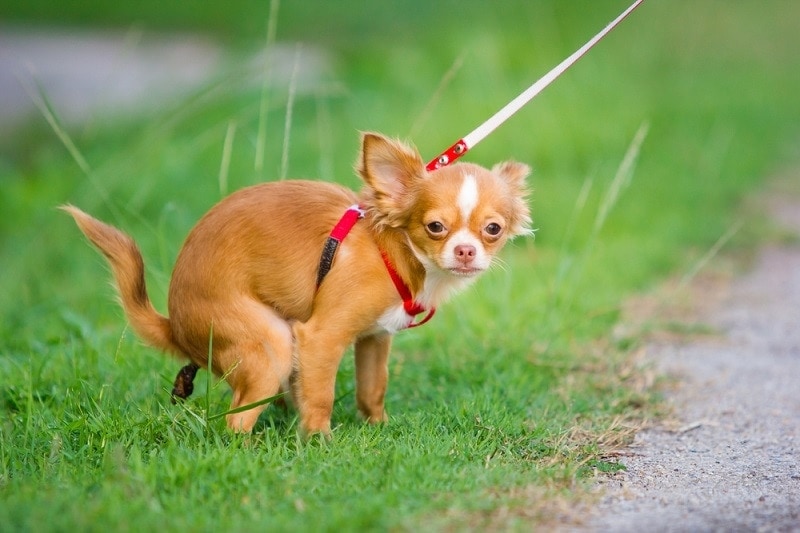
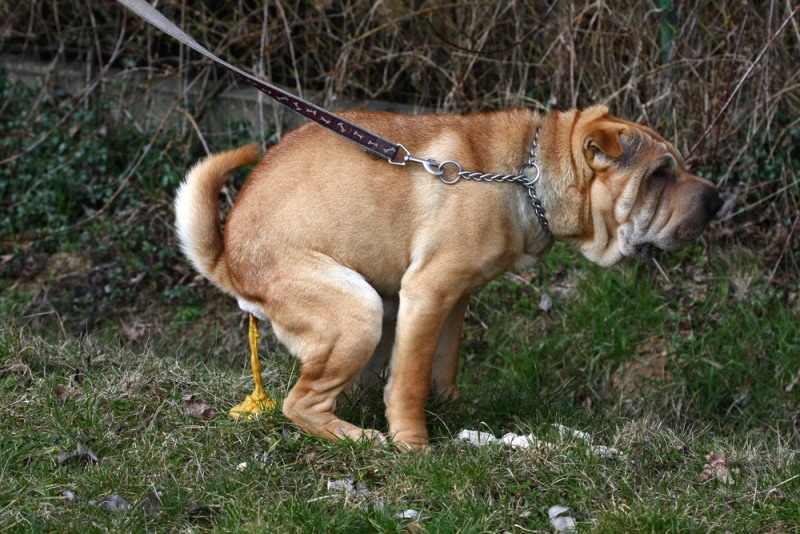
Your puppy’s diarrhea can range from just softer than usual to runny and may vary in color. It can show up differently, and it’s important to be able to be able to identify how serious it may potentially be. Here are some of the types of diarrhea your puppy can experience:
Soft stool: Soft stools are common in pups and usually occur before diarrhea. Taking your puppy to the vet is generally unnecessary if the soft feces doesn't include blood and they are still active, eating normally, and not throwing up. However, it is helpful to talk to your vet so they can help guide you on what to do next.
Bloody Diarrhea: Bloody diarrhea can terrify a new puppy owner. Although it usually indicates colonic inflammation, it can also be a sign of a severe medical condition. Intestinal parasites, foods that shouldn’t be eaten, or conditions like parvovirus can all result in bloody diarrhea.
If there is a lot of bright red blood or the stool appears black, and your puppy is experiencing other signs such as lethargy and vomiting, you should head to your vet immediately.
Yellow Diarrhea: Yellow diarrhea may be a sign of intestinal inflammation-related hypermotility. Any of the medical disorders previously listed can cause this color of diarrhea.
If you're giving your puppy chicken and rice to soothe an upset stomach, its stool may also appear yellow. Knowing this is crucial because a chicken and rice diet is frequently suggested when your puppy has tummy problems.
Mucus in the Diarrhea: No matter the cause of the disease, puppy diarrhea often includes mucus because the colon's walls are inflamed. A little mucus is nothing to worry about, but if you also notice other alarming signs, take your puppy to the vet for a checkup.
Diarrhea and Vomiting: Besides vomiting, any of the aforementioned medical disorders might cause diarrhea in puppies. Once the stomach and upper small intestines have been affected by inflammation, vomiting can also occur. If your puppy starts vomiting and diarrhea, take it to the vet immediately since dehydration can occur and can be fatal.
How is the Cause of Puppy Diarrhea Diagnosed?
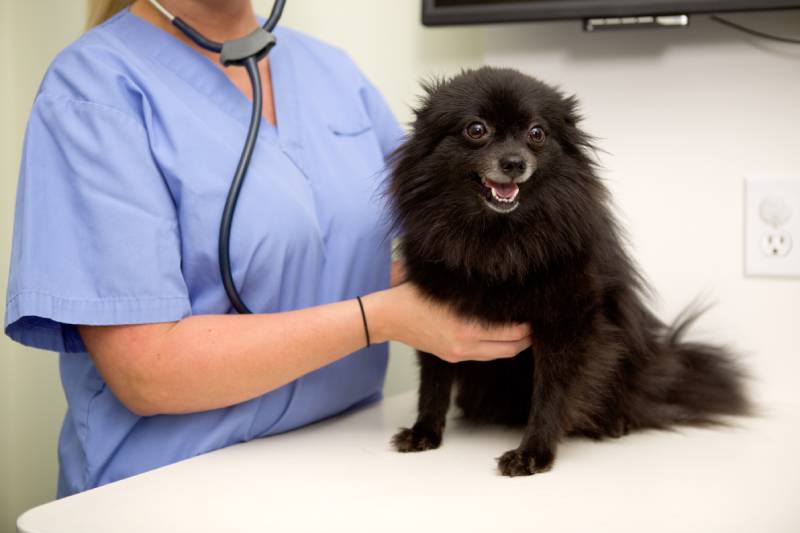
Your doctor will probably inquire about the signs your puppy is experiencing at home, when they began, how and when they developed, where your puppy is in the vaccine schedule, whether there have been any recent dietary changes, and whether your dog has lately interacted with other dogs. They will want to know what the diarrhea looks like or if it has changed in color and consistency, and how often your pup is passing feces. Photos can be a helpful tool here. Your puppy may also need to undergo some tests, such as:
- Fecal ova, parasite, and Giardia testing
- Viral testing
- Full blood work
- Fecal smear
- X-rays
- Ultrasound
Conclusion
There are a few common reasons your puppy will experience diarrhea, but no matter the reason, it can be alarming for an owner, especially if your pup is young and has not received vaccinations. If the diarrhea is caused by something minor such as stress or a change in food, it will likely pass within 48 hours. You should consult your veterinarian if their diarrhea persists for longer or is accompanied by other unsettling signs such as blood in their feces, vomiting, lethargy or inappetence.
Sources
Featured Image Credit: New Africa, Shutterstock
Get Hepper In Your Inbox


Pet care tips from our vets and experts, straight to your inbox.
You may opt-out at any time. View our Privacy Policy for more information.
Nicole is a lover of animals of all sizes but is especially fascinated with the feline variety. She’s the proud mom of Baby, a Burmese, and works every day so he can relax in the sunshine or by the fire. She’s always had a cat in her home and has spent countless days with others, observing behaviors and softening up even the grouchiest of the lot. Nicole wants to share her kitty expertise with you so you and your cat can live happy, healthy, and care-free.
Join the conversation
Ask a question, share your story, or send private feedback.