Hepper is reader-supported. When you buy via links on our site, we may earn an affiliate commission at no cost to you. Learn more.
How to Help Dogs with Diarrhea: Vet-Approved Treatment Tips & Causes


In this article
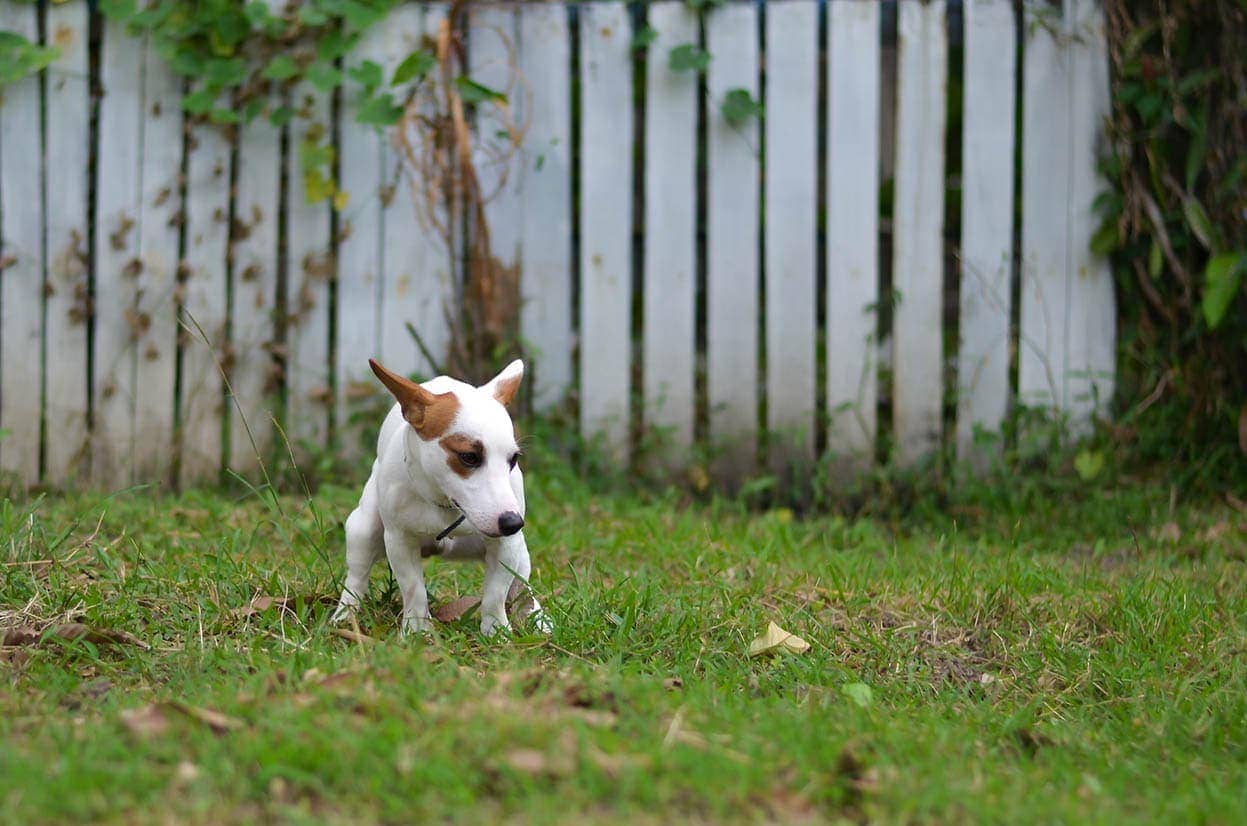
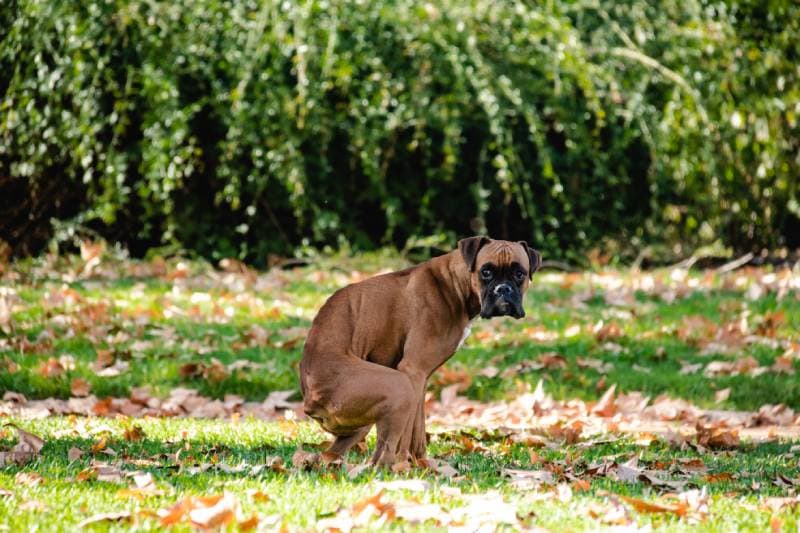
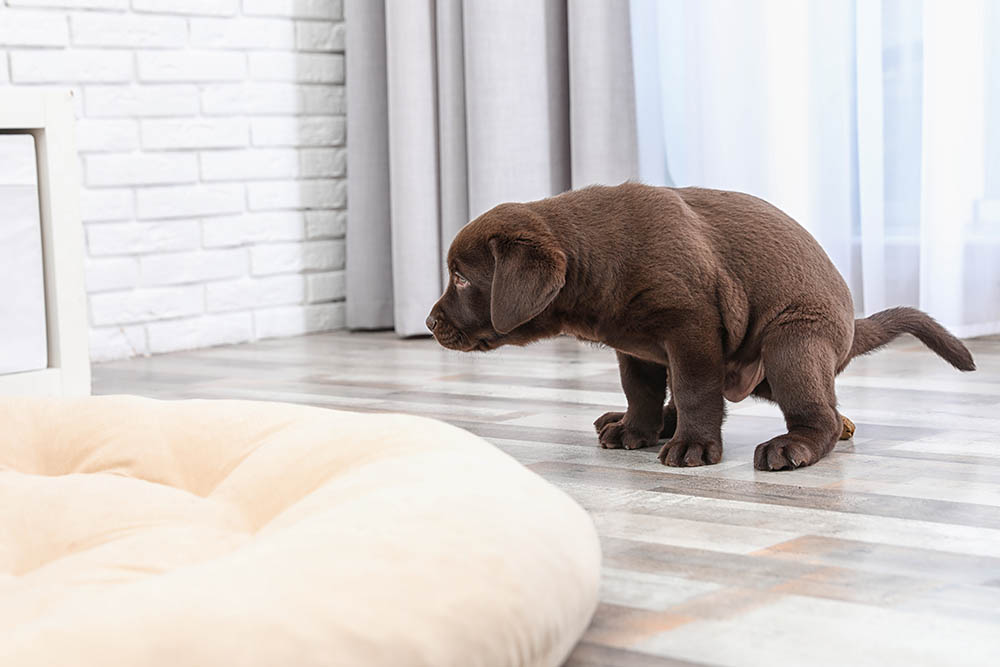
At some point, nearly every dog owner has woken up or come home to find their pup suffering from diarrhea. Crated dogs may “finger paint” the walls of their enclosure, or your carpets may be in need of a good scrubbing. No one wants their pet to be sick or unhappy, so what can you do to help?
In this article, you’ll find a step-by-step guide for how to help dogs with diarrhea. We’ll also discuss when you should be worried about your pup’s loose stool and when it’s time to call the vet. Finally, we’ll cover some common causes of diarrhea.

Before You Start
If your dog has diarrhea, if possible separate them from other canines in the house. Some causes of diarrhea are infectious, and you don’t want to risk your other pups catching it. Don’t allow the healthy dogs to encounter the sick dog’s poop either.
Never take a dog with diarrhea to the dog park or doggy daycare to prevent infecting other canines. Wash your hands after handling your sick dog or their poop.
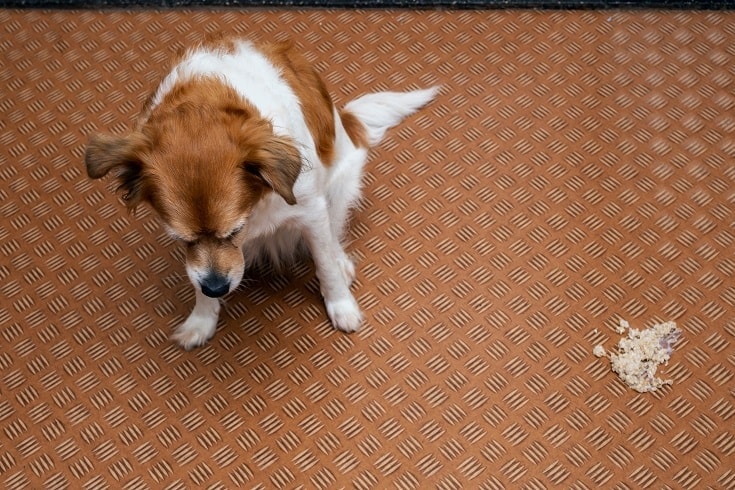

How to Help Dogs with Diarrhea
1. Know When to Call the Vet
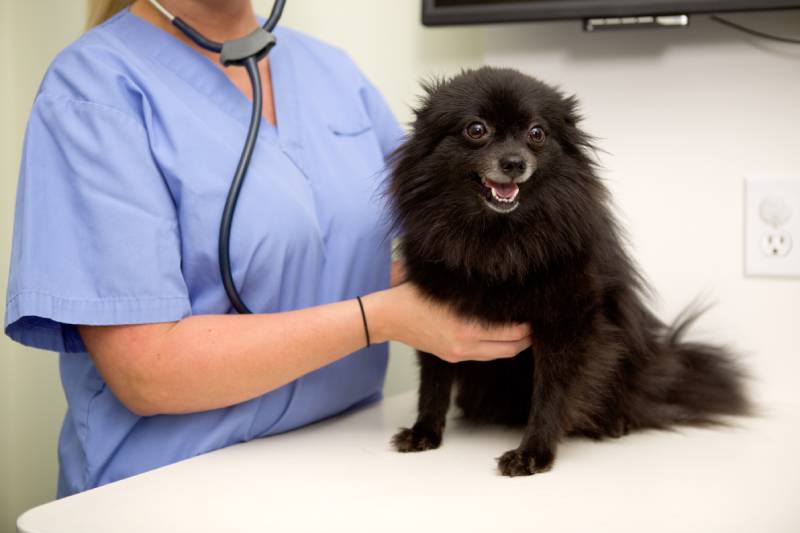
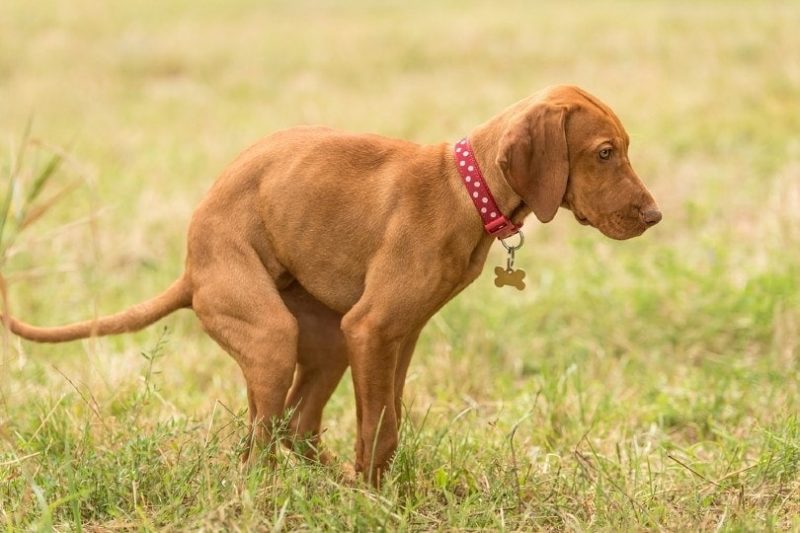
Diarrhea is an extremely common issue in dogs, with multiple possible causes. Mild cases of diarrhea may not need treatment by a vet. At the same time, diarrhea can be a sign of serious medical issues or lead to dehydration if it lasts too long.
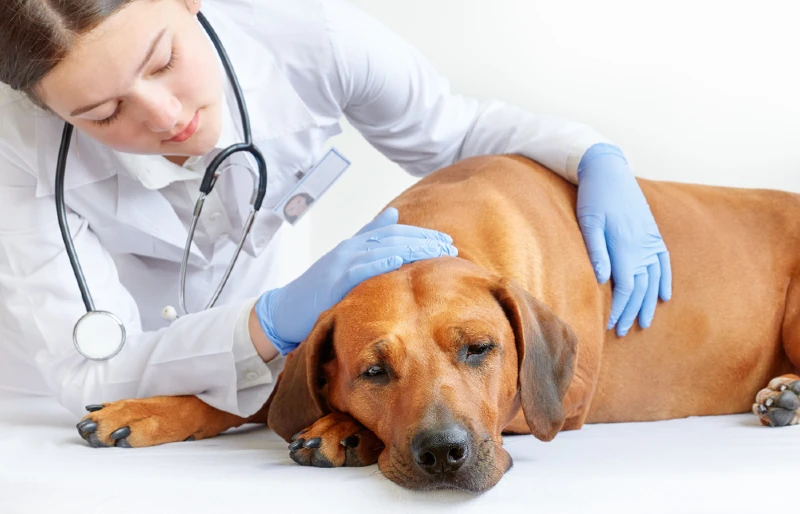
The first step in helping a dog with diarrhea is knowing when you need help from a vet.
Typically, you should call the vet if you notice any of the following:
If your dog has only had a few instances of diarrhea and is still behaving normally, you may be okay to try some of the other steps in our guide first. However, it’s always a good idea to check in with your vet to be sure. If your dog has any type of underlying medical condition or is a puppy or senior dog, call your vet before attempting any sort of home care.
2. Feed a Bland, Easily Digestible Diet
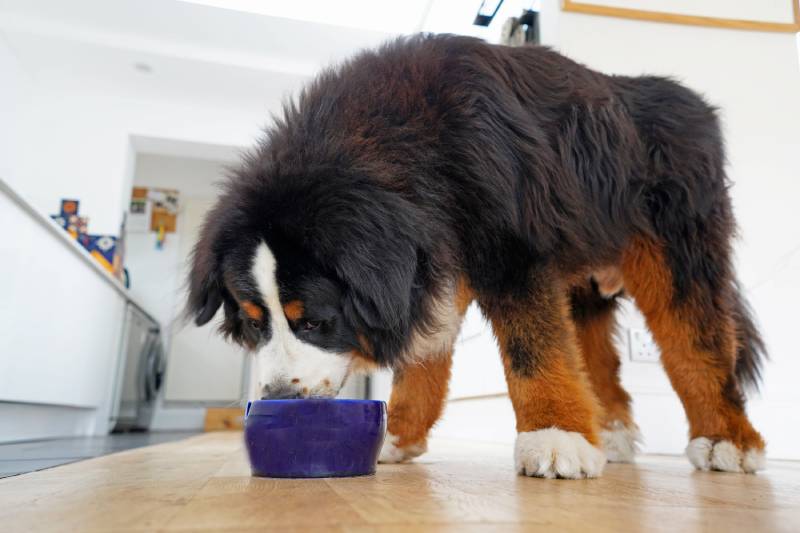
Unless combined with repeated vomiting, for most dogs it is no longer recommended to fast them when they have diarrhea, but instead feed a highly digestible diet little and often.
Prescription gastrointestinal (GI) diets are aimed at restoring the gut’s normal function, providing an enriched layer of nutrients to replenish what is lost through diarrhea and providing symptomatic relief of gastrointestinal issues. Examples of these are Hill’s I/D and Purina E/N.
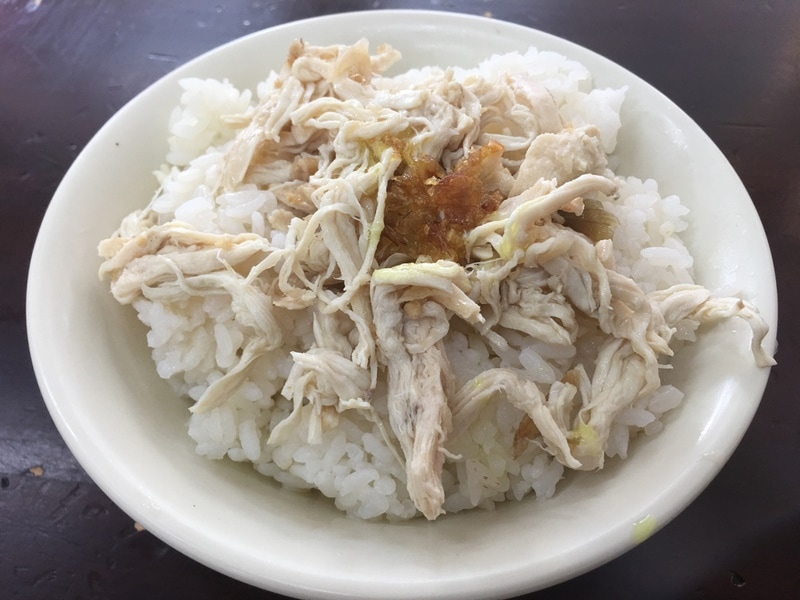
You can instead feed a home-cooked, low-fat, easily digestible diet for short periods, but it’s important to remember these are not nutritionally balanced to feed longer term. Plain, boiled chicken or white fish paired with white rice or pasta is the traditional and easiest home cooked food to offer your pup. Start with small amounts, usually three or four times a day.
Until the diarrhea has resolved, avoid any treats or extras and make sure your dog has ready access to water. Adding water to their food can also help keep them hydrated, as diarrhea means they are losing more water from their body than normal.
Once your dog’s stools have gone back to normal, slowly switch back to their regular food when your vet says it’s okay.
3. Consider a Probiotic
There is increasing awareness in people of the importance of the gut microbiome and it’s the same for our dogs. This is like a mini ecosystem of bacteria in their guts that is unique to them. Dysbiosis is an imbalance of the good and bad bacteria in the gut, which often occurs alongside diarrhea.
Giving your dog a probiotic supplement can be very helpful when they have diarrhea. Probiotics are the addition of good bacteria , to out compete the bad bacteria and help produce a healthy balance. Live yogurt is often used, however it is designed for humans and with many dogs being lactose intolerant, it’s best to stick to a commercial supplement formulated for dogs.
Prebiotics are also available and these are foods for ‘good’ bacteria which can help them re-establish. These are usually fiber sources and are found in many prescription GI foods.
4. Keep Your Dog Clean
While your dog is dealing with diarrhea, keep their tail and rear clean of the loose mess. This step is especially vital if your dog has trouble moving around and can’t escape a mess they made in their bed. Diarrhea can irritate the skin and be very uncomfortable.
Common Causes of Diarrhea
As mentioned earlier, diarrhea is common among dogs of all ages and breeds. It may indicate a severe medical condition or be a sign of a passing problem.
Temporary causes of diarrhea may include:
Potentially more serious or long-term causes of diarrhea could include:
If treatment is necessary for your dog’s diarrhea, the specific recommendations will depend on the cause of the problem. Your vet may ask you to try a highly digestible diet, as we already discussed, or you may need to deworm your pup.
More serious causes of diarrhea may require long-term medications, hospitalization, or permanent diet changes. Because diarrhea is such a non-specific sign, diagnosing the exact cause can require some investigation.
Conclusion
As we’ve learned, there are several steps you can take at home to help dogs with diarrhea. Just because diarrhea is common doesn’t mean you shouldn’t take it seriously. Your dog can get dehydrated or suffer other complications. The safest course of action is to call your veterinarian anytime you notice abnormal signs or behavior from your dog.
See Also:
Sources
Featured Image Credit: SasaStock, Shutterstock
Get Hepper In Your Inbox


Pet care tips from our vets and experts, straight to your inbox.
You may opt-out at any time. View our Privacy Policy for more information.
A lifelong lover of all creatures great and small, Elizabeth got her first cat at 5 years old and at 14, she started working for her local veterinarian. After spending more than 20 years working as a veterinary nurse, Elizabeth decided to step away to become a stay-at-home parent to her daughter. Now, she is excited to share her knowledge with our pet parents. Elizabeth lives in Iowa with her family, including her two fur kids, Linnard, a husky mix and Algernon, the worldʻs most patient cat. When not writing, she enjoys reading, watching soccer, and spending time outdoors with her family.
Join the conversation
Ask a question, share your story, or send private feedback.