Hepper is reader-supported. When you buy via links on our site, we may earn an affiliate commission at no cost to you. Learn more.
Is Neosporin Safe for Dogs? Vet-Approved Facts & Tips


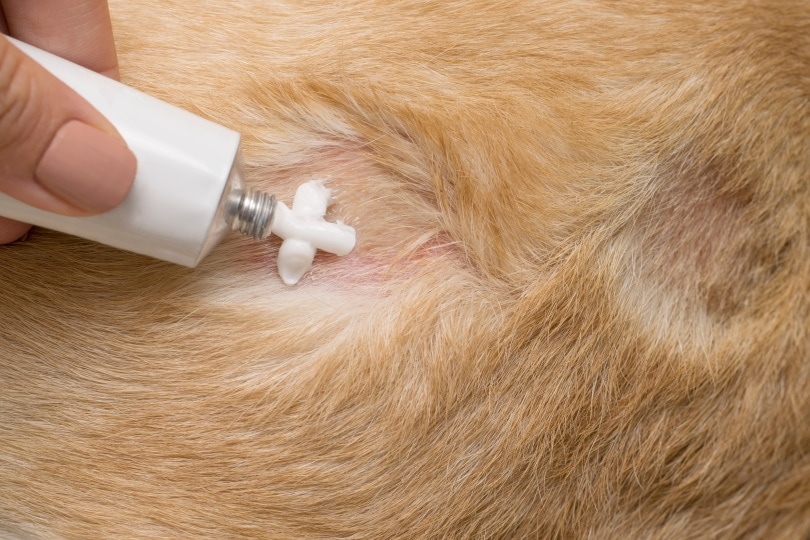
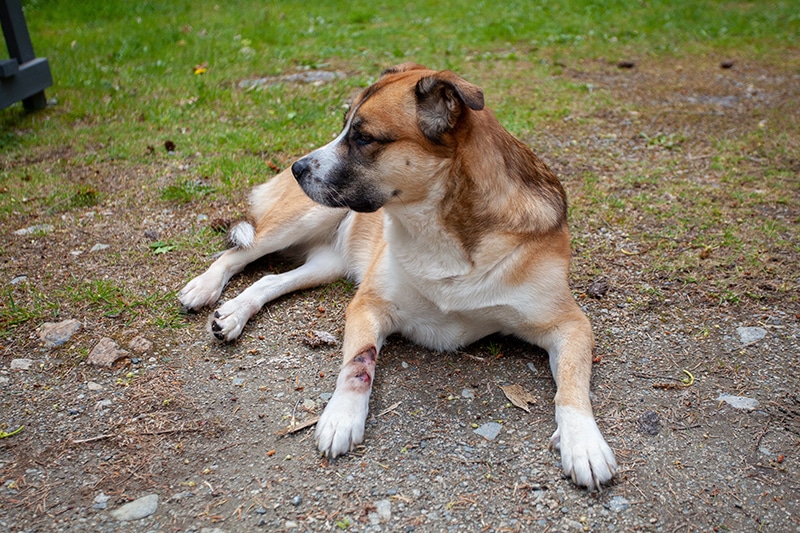
As you probably know from watching your dog, canines are curious animals that like to explore, and sometimes, their adventures, whether in the home or outside, lead them into trouble. A minor cut or scrape is usually not a cause for alarm, but it’s important to clean the wound immediately and treat it with an antimicrobial ointment to prevent infection. Can you use Neosporin to treat your dog’s cuts? While Neosporin is safe in small amounts, it’s a good idea to contact your vet before applying this ointment.
Neosporin can prevent infection and speed up healing, but one of its ingredients can be harmful to canines. It’s made with three antibiotics: neomycin, bacitracin, and polymyxin B. Bacitracin and polymyxin B. are entirely safe for dogs, and several topical ointments designed for treating dog wounds contain the antibiotics. Intravenous neomycin has been linked to hearing loss in dogs, and since it has a cumulative effect your vet may recommend, depending on the animal’s medical history, to use another product without neomycin.

Precautions When Using Neosporin On Your Dog
If your best friend has a deep wound, a bite from an animal, or a wound covered with pus, do not use Neosporin or any other topical antibiotic. A deep gash needs immediate attention from a veterinarian. Neosporin can help with minor wounds but be sure only to apply the original formula.
Here are some of the other antibiotics made by Neosporin that you should avoid.
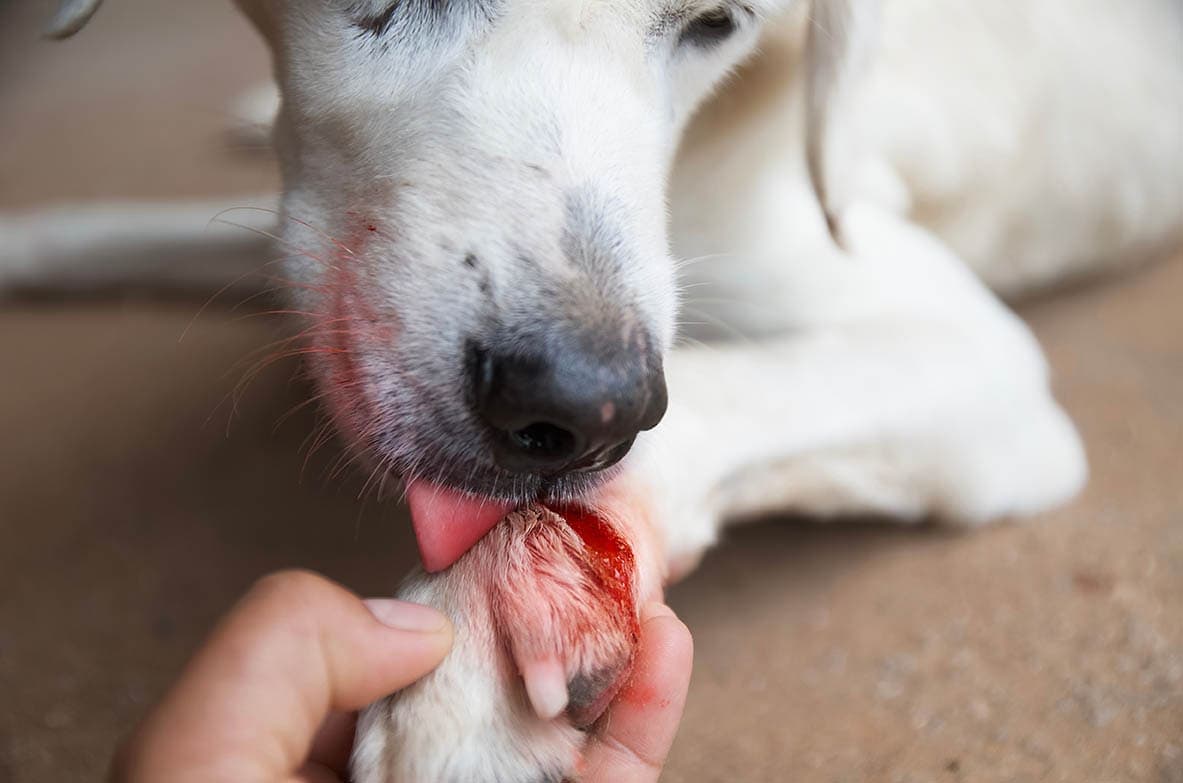
The company also makes Neosporin Spray which contains the original formula, and some dog owners prefer it to the cream because it takes less time to absorb. Dogs are also less likely to ingest the antibiotic when you use the spray. If a dog eats Neosporin, it may experience diarrhea, vomiting, or more serious conditions such as kidney problems and hearing loss. Instead of risking a reaction from your pet licking the medication, you can purchase a topical treatment designed for dogs that do not cause adverse reactions if licked.
Some of the highest-rated products for treating wounds on Chewy include:

The 8 Steps for Treating Wounds with Ointment
Before using a topical ointment on your pup, you can test a small area of skin to ensure your pet is not allergic to any of the active ingredients. Apply a tiny amount on bare skin and wait 15 to 20 minutes for any signs of a rash or redness. If you do not see a reaction, you can gather supplies to clean and treat the wound.
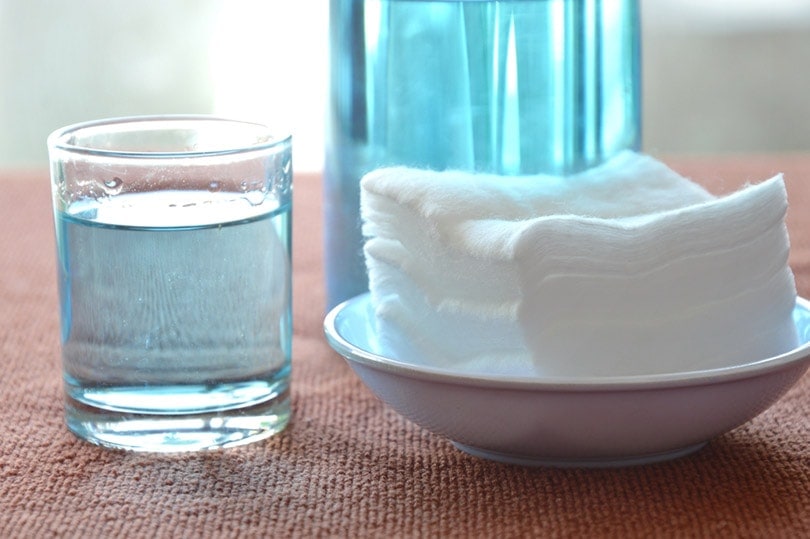
You’ll need clean towels, an antiseptic solution (2% chlorhexidine), a water-based lubricant like KY jelly, electric clippers, and antibiotic ointment. If the wound is located on bare skin, you will not need the trimmers.
1. Ask Family or a Friend to Assist
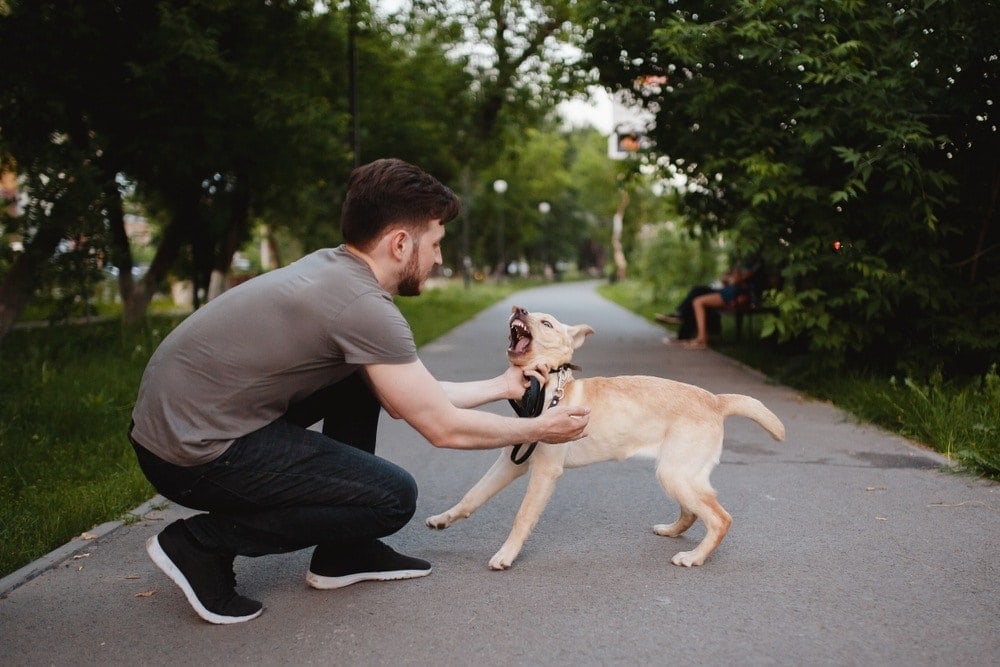
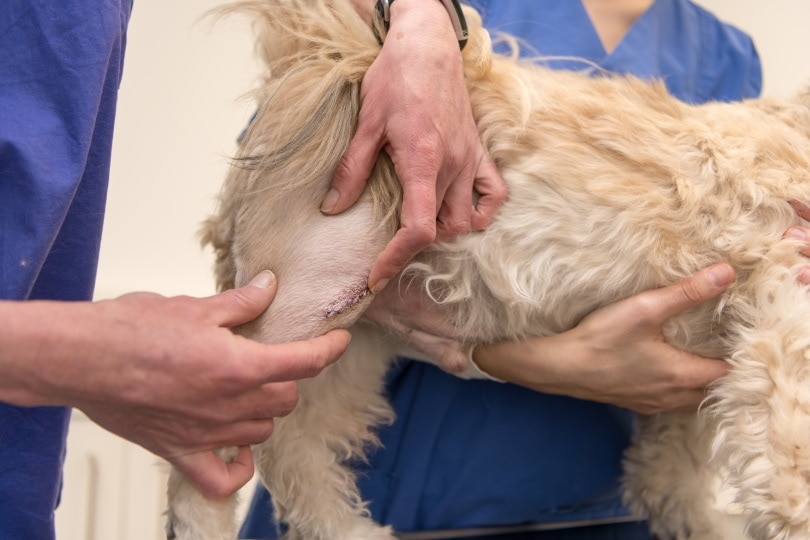
If your dog is calm during grooming, you may not need assistance, but since you’re dealing with an injury, it helps to have a partner. For wounds buried in thick fur, it’s wise to have someone steady or calm the dog while you use the clippers.
2. Apply the Water-Based Lubricant
Cover the wound and surrounding area with water-based lubricant. It will reduce contamination and make it less troublesome to remove shaved hair.
3. Shave the Area Near the Wound
Give your dog a treat for standing still, and carefully shave the hair with clippers. You can also use scissors to remove thick hair but be careful not to poke the cut with the tips of the scissors. After trimming, wipe the lubricant and excess hair away with a clean towel.
4. Wash the Area with Water
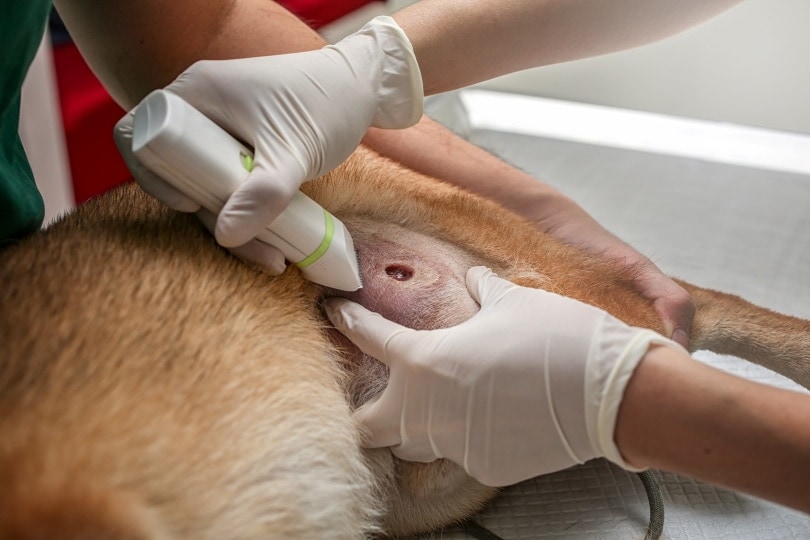
Ensure that the water is only lukewarm to prevent irritation and wash away the tiny bits of debris and any remaining lubricant. Use a clean towel to dry the wound gently.
5. Apply the Antiseptic Solution
Chlorhexidine 02% solution is an effective and widely available antiseptic, but you can also use a Povidone-iodine solution, which means it needs to be diluted before using it to sanitize the wound area.
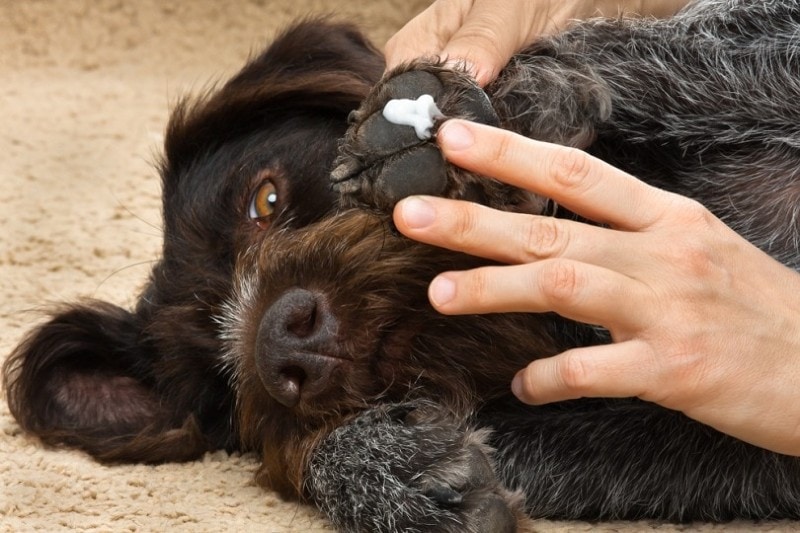
6. Apply Topical Antibiotic
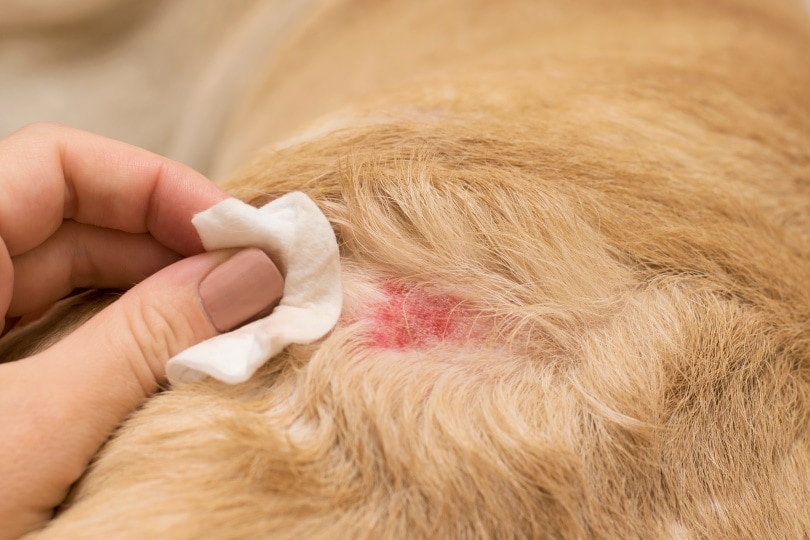
Use the spray or cream to treat the wound but avoid leaving excess antibiotics on the fur to prevent accidental ingestion. Avoid getting the product in the dog’s eyes or ears and make sure the product does not contain corticoids.
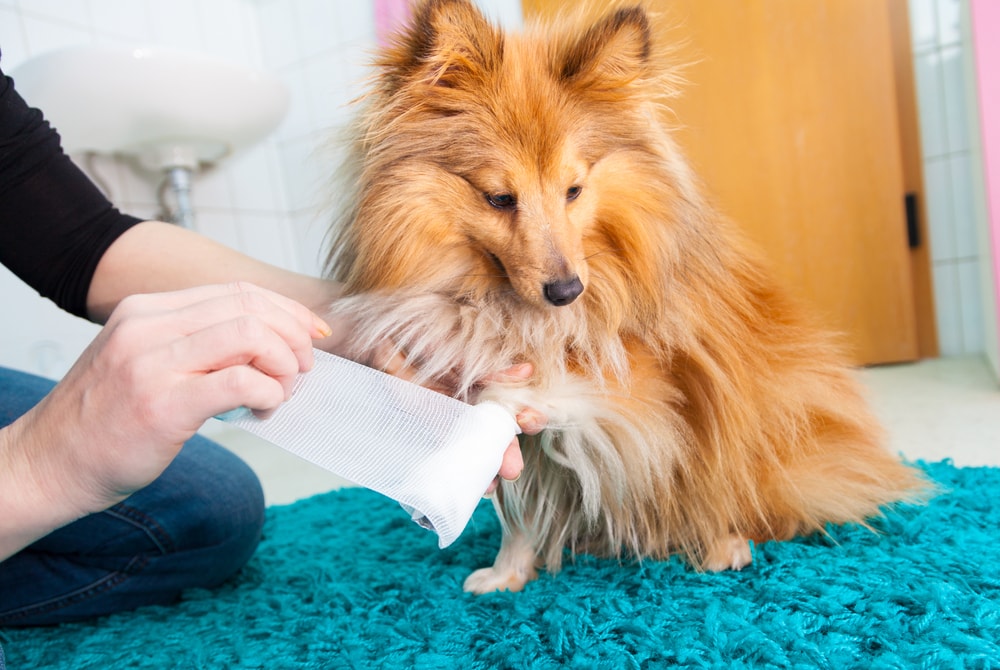
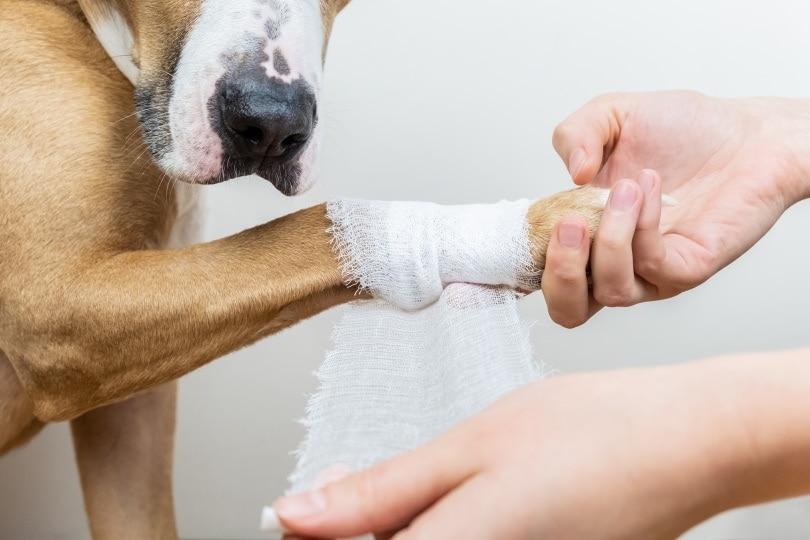
7. Cover the Wound with Gauze
Covering the injury is not essential for healing, but it can keep your dog from licking the wound and eating the antibiotic. Watch your dog for 15 minutes or longer to ensure it does not remove the bandage. After that time, you can remove the gauze and check the wound.
8. Reapply the Antiseptic and Antibiotic
To accelerate healing and prevent infection, you should treat the wound with antiseptic and antibiotics at least two or three times a day. If the injury does not look better after a couple of days, take your pet to the veterinarian.

Alternatives to Commercial Antibiotics
Antibiotics can prevent your pet from contracting an infection from a wound, but some dog lovers prefer natural treatments. However, like any DIY or holistic treatment, you should check with a veterinarian before treating your pup.
Manuka Honey
Organic Manuka honey has antiviral, antimicrobial, and antifungal properties, and it’s the active ingredient in the Honey Cure Natural Veterinary Wound Care antibiotic mentioned earlier. Although it helps prevent infections, Manuka honey has not been proven to accelerate the healing process.
Calendula
Calendula is a Mediterranean herb that can cleanse wounds and prevent infection. It also has anti-inflammatory properties and helps with healing.
Healing Clay
Some of the materials known as “healing clays” include Montmorillonite, Illite, Redmond clay, and Bentonite. The clays can inhibit bleeding and scabbing, prevent infections, and stop itching.
Final Thoughts
Treating a small cut or scrape on your dog should not require a veterinarian’s help, but it’s vital to contact the vet if your dog has an adverse reaction to any antibiotic or topical ointment. Neosporin can help heal a dog’s wound and minimize the healing period but requires extra precautions to ensure the cream or spray is not ingested. Although a few licks are not harmful, a more significant amount can cause digestive issues.
When you use a medication specifically designed for dogs, you do not have to worry as much about a negative reaction but still need to follow the recommendations.
See Also:
Featured Image By: fetrinka, Shutterstock
Get Hepper In Your Inbox


Pet care tips from our vets and experts, straight to your inbox.
You may opt-out at any time. View our Privacy Policy for more information.
Nicole is a lover of animals of all sizes but is especially fascinated with the feline variety. She’s the proud mom of Baby, a Burmese, and works every day so he can relax in the sunshine or by the fire. She’s always had a cat in her home and has spent countless days with others, observing behaviors and softening up even the grouchiest of the lot. Nicole wants to share her kitty expertise with you so you and your cat can live happy, healthy, and care-free.
Join the conversation
Ask a question, share your story, or send private feedback.