Hepper is reader-supported. When you buy via links on our site, we may earn an affiliate commission at no cost to you. Learn more.
King Shepherd: Info, Pictures, Care Guide, Temperament & Traits

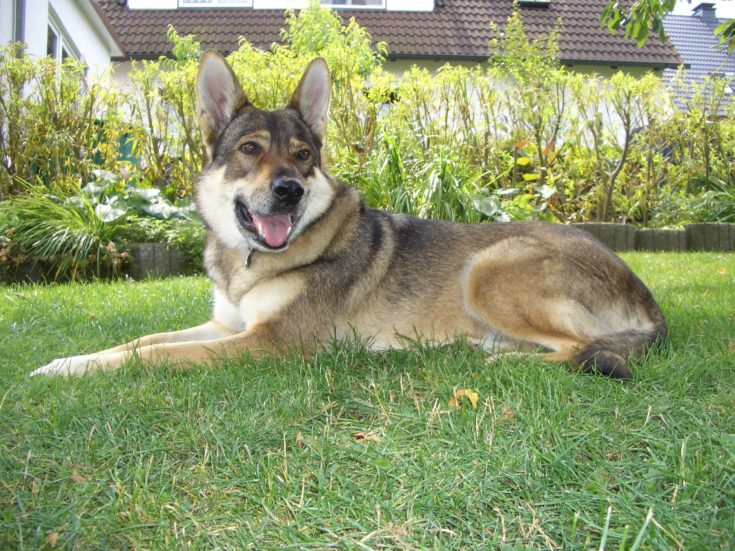
For those seeking a loyal and intelligent companion, the King Shepherd dog breed is a top contender. This majestic breed is known for its striking appearance, impressive intelligence, and loving nature. Let's dive deeper into understanding this fascinating breed.
Breed Overview
Height:
Weight:
Lifespan:
Colors:
Suitable for:
Temperament:
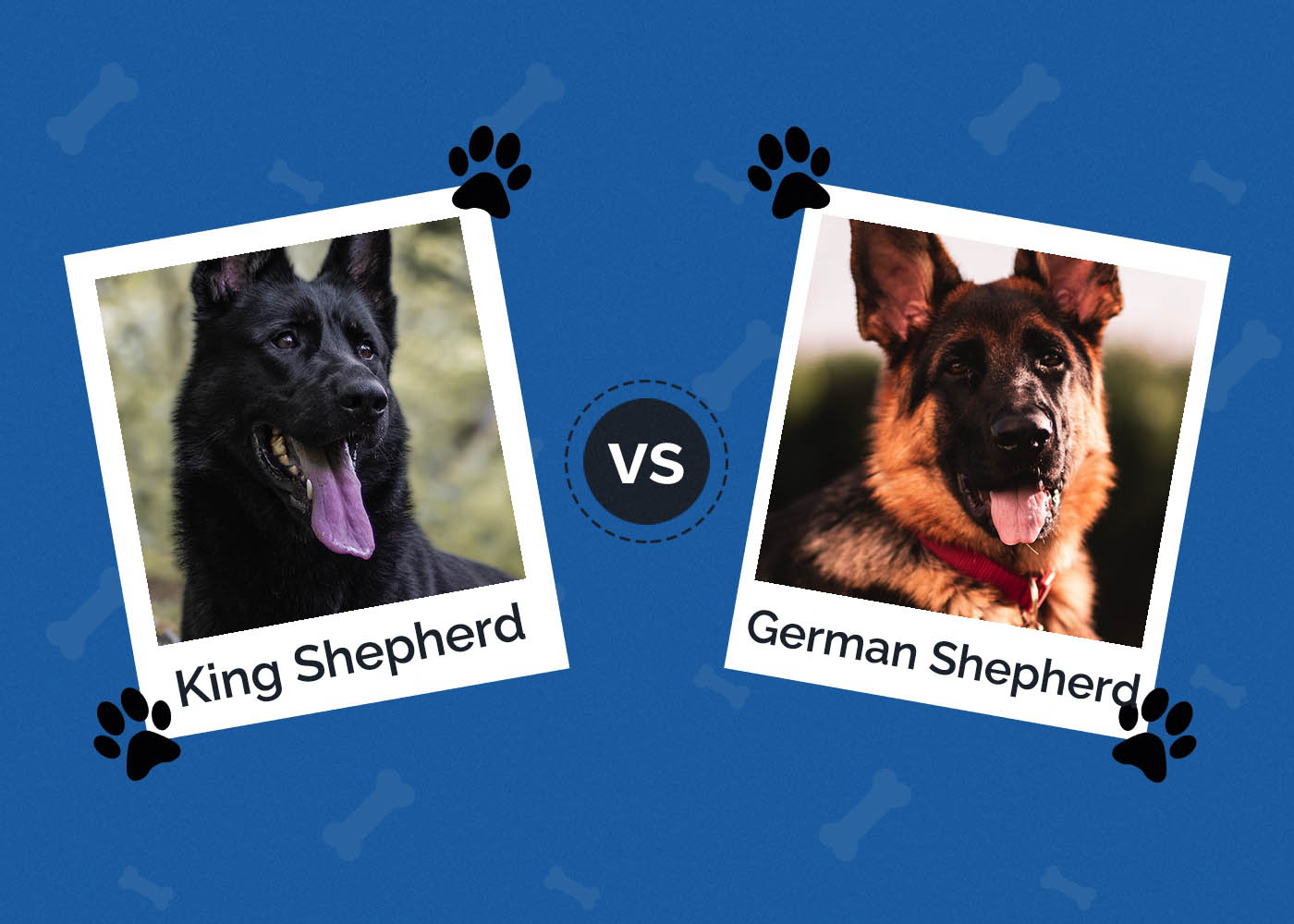
The King Shepherd is a larger variant of the German Shepherd breed. It was developed in the United States by breeders looking to create a Shepherd with a less intense drive and a more relaxed demeanor. The result is a breed that combines the loyalty, intelligence, and versatility of the German Shepherd with a slightly calmer and more family-friendly temperament.
King Shepherd Breed Characteristics

King Shepherd Puppies
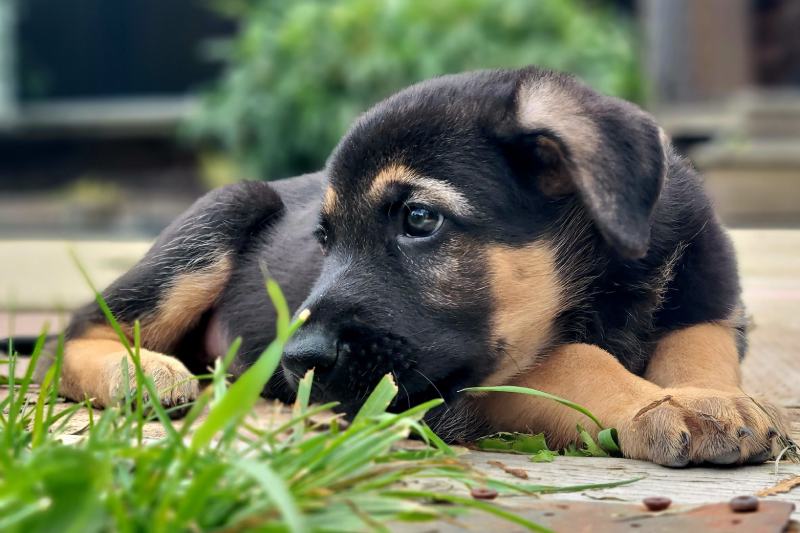
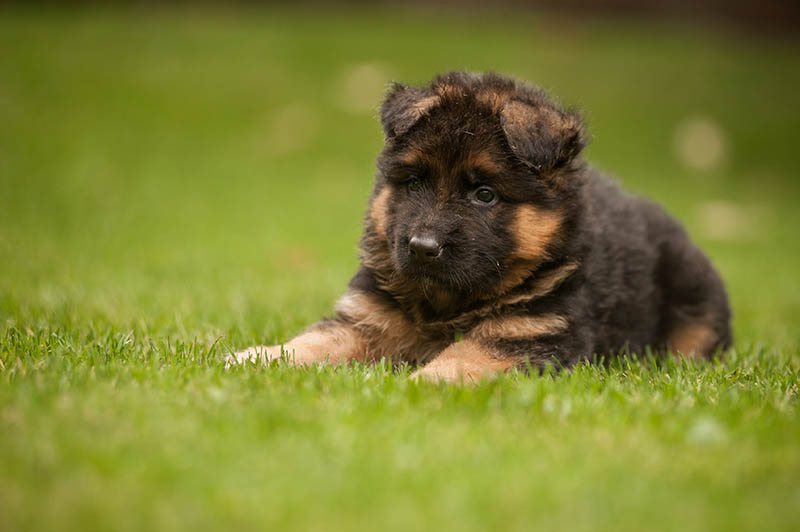
King Shepherd puppies are adorable balls of energy. They grow rapidly and need plenty of nutrition to support their development. During their puppy stage, early socialization and training are crucial. Finding a King Shepherd puppy might require some effort as they are not as common as other breeds, and you might need to contact specialized breeders.

Temperament & Intelligence of the King Shepherd
King Shepherds are known for their exceptional intelligence and keen problem-solving abilities. They are quick learners and eager to please, which makes training a rewarding experience. Their temperament is typically calm and they are known to be very loyal to their families.
Are These Dogs Good for Families? 👪
Yes, King Shepherds make excellent family pets. They are protective, patient, and gentle with children. However, due to their size, supervision is recommended when they are around small children. It’s also important to teach children how to interact with dogs properly, to avoid any unwanted aggression or the kids accidentally harming the dog or vice versa.
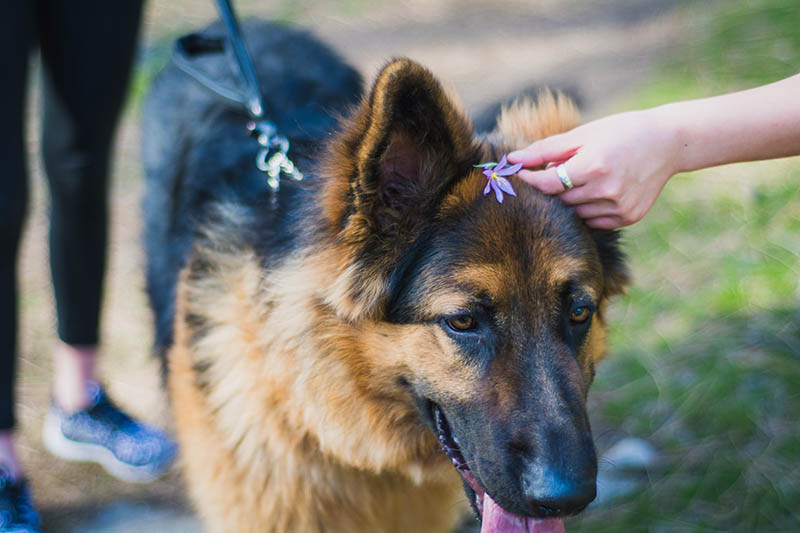
Does This Breed Get Along With Other Pets?
King Shepherds usually get along well with other pets, especially if they are socialized from a young age. They are known to live peacefully with other dogs and even cats. However, it’s best to minimize interactions at first and make introductions gradual to make sure that neither pet is stressed when you bring a King Shepherd into the home. It’s also important to watch small animals closely, like hamsters and guinea pigs, so that the King Shepherd doesn’t see them as prey.

Things to Know When Owning a King Shepherd:
Owning a King Shepherd means being aware of all aspects of their care to keep them at their happiest. Here are some important things to know.
Food & Diet Requirements
A King Shepherd's diet is a crucial component of its overall health and well-being. Given their large size and high energy levels, these dogs need a nutrient-rich diet to support their physical needs.
King Shepherds require a diet rich in protein to support muscle growth and repair. This protein should come from high-quality animal sources like chicken, beef, or fish. They also need a balanced intake of carbohydrates for energy, fiber for digestion, and fats for a healthy coat.
The amount of food a King Shepherd needs can vary based on their age, size, metabolism, and activity level. However, on average, they usually require about 3 to 4 cups of dry food per day, divided into two meals. It's always best to consult with your vet to determine the best feeding schedule and portion sizes for your specific dog.
When choosing a dog food brand, look for one that lists a quality source of protein as the first ingredient. Avoid foods with unnamed meat meals or by-products, as well as those with artificial colors, flavors, or preservatives.
Exercise 🐕
King Shepherds, with their large size and high energy levels, necessitate a routine of regular exercise to ensure their physical health and emotional well-being. A lack of sufficient exercise can lead to obesity, joint issues, and even behavioral problems such as excessive barking or chewing. Therefore, incorporating a consistent and varied exercise regimen into your King Shepherd's life is crucial for maintaining their overall happiness and longevity.
Creating an ideal exercise routine for a King Shepherd involves more than just physical activity—it should also cater to their mental needs. These dogs are not only physically robust but also highly intelligent, so their exercise regimen should combine both physical and mental stimulation.
Physical activities might include long walks or jogs, play sessions in a secure yard, or even swimming if they enjoy water. These activities help burn off their abundant energy and keep them fit. Aim for at least an hour of physical activity each day to keep your King Shepherd in peak condition.
King Shepherds have a keen intellect that thrives on mental challenges. Keeping their minds active and engaged is just as important as physical exercise. Training sessions are a great way to provide mental stimulation, but you can also incorporate puzzle toys, interactive games, and even tasks around the house. These activities can prevent boredom and promote a healthy, balanced lifestyle for your King Shepherd.

Training 🎾
Renowned for their intelligence and desire to please, King Shepherds are highly trainable dogs. They are quick learners and can grasp new commands and tricks with relative ease. However, their training should be consistent and positive, focusing on rewarding good behavior rather than punishing mistakes.
Begin your King Shepherd's training journey with basic obedience commands like "sit," "stay," "come," and "leave it." These foundational commands are essential for managing your dog's behavior and ensuring they can interact safely with other people and animals. King Shepherds typically respond well to positive reinforcement techniques. Rewarding them with treats, praise, or playtime when they follow a command can motivate them to learn and behave well.
Given their intelligence and agility, King Shepherds can excel at more advanced training exercises. Activities such as agility courses, tracking exercises, and herding drills can provide both physical exercise and mental stimulation. These activities can challenge your King Shepherd, keeping their minds sharp and bodies active.
Grooming ✂️
King Shepherds boast a thick double coat that requires regular upkeep to stay healthy and look its best. Regular grooming not only keeps your King Shepherd looking good but also allows you to check for any skin issues or parasites.
Your King Shepherd's dense double coat should be brushed at least once or twice a week to remove loose hairs, prevent matting, and distribute natural oils for a healthy shine. During shedding seasons, which typically occur in spring and fall, you may need to brush your King Shepherd daily to manage the increased shedding.
While King Shepherds don't require frequent baths, it's important to keep them clean. A bath every few months, or whenever they get particularly dirty, should suffice. Overbathing can strip their coat of natural oils and lead to dry, itchy skin. Always use a dog-specific shampoo to maintain the pH balance of their skin.
Health and Conditions 🏥
Like all breeds, King Shepherds are susceptible to certain health conditions. Being aware of these potential issues can help you detect any early signs and seek timely veterinary care.
Like every breed, King Shepherds may be susceptible to minor health issues. These include common conditions like allergies, which can be triggered by a variety of environmental factors or certain foods, and can usually be managed with medication and lifestyle adjustments. Hip and elbow dysplasia, conditions in which the dog's joints develop incorrectly and result in arthritis, can also occur but are less severe in King Shepherds than in some other breeds. Regular check-ups and early detection can greatly contribute to your dog's quality of life.
More serious health conditions that King Shepherds may face include gastric torsion, also known as bloat, a life-threatening condition that requires immediate veterinary attention. Degenerative myelopathy, a progressive disease of the spinal cord, is another serious concern, along with heart disease.
Regular veterinary check-ups can help detect these conditions early, and treatment plans can be implemented to manage them effectively. Despite these potential health concerns, with proper care, King Shepherds have a lifespan of 10–14 years, which is relatively long for dogs of their size.
Male vs Female
There are some differences between male and female King Shepherds that potential owners should take into account. Males often grow larger and are generally more assertive and territorial than females. They tend to be strong-willed and require a confident trainer who can establish themselves as the leader.
On the other hand, females are usually easier to train and more sensitive to their owner's emotions. They are often more affectionate and can be more protective of their families. Both males and females make excellent pets, but the choice between the two will largely depend on your personal preference and lifestyle.
3 Little-Known Facts About The King Shepherd
1. Despite their name, King Shepherds are not recognized by the American Kennel Club
They are, however, recognized by the American Rare Breed Association.
2. The King Shepherd is not just a bigger version of the German Shepherd
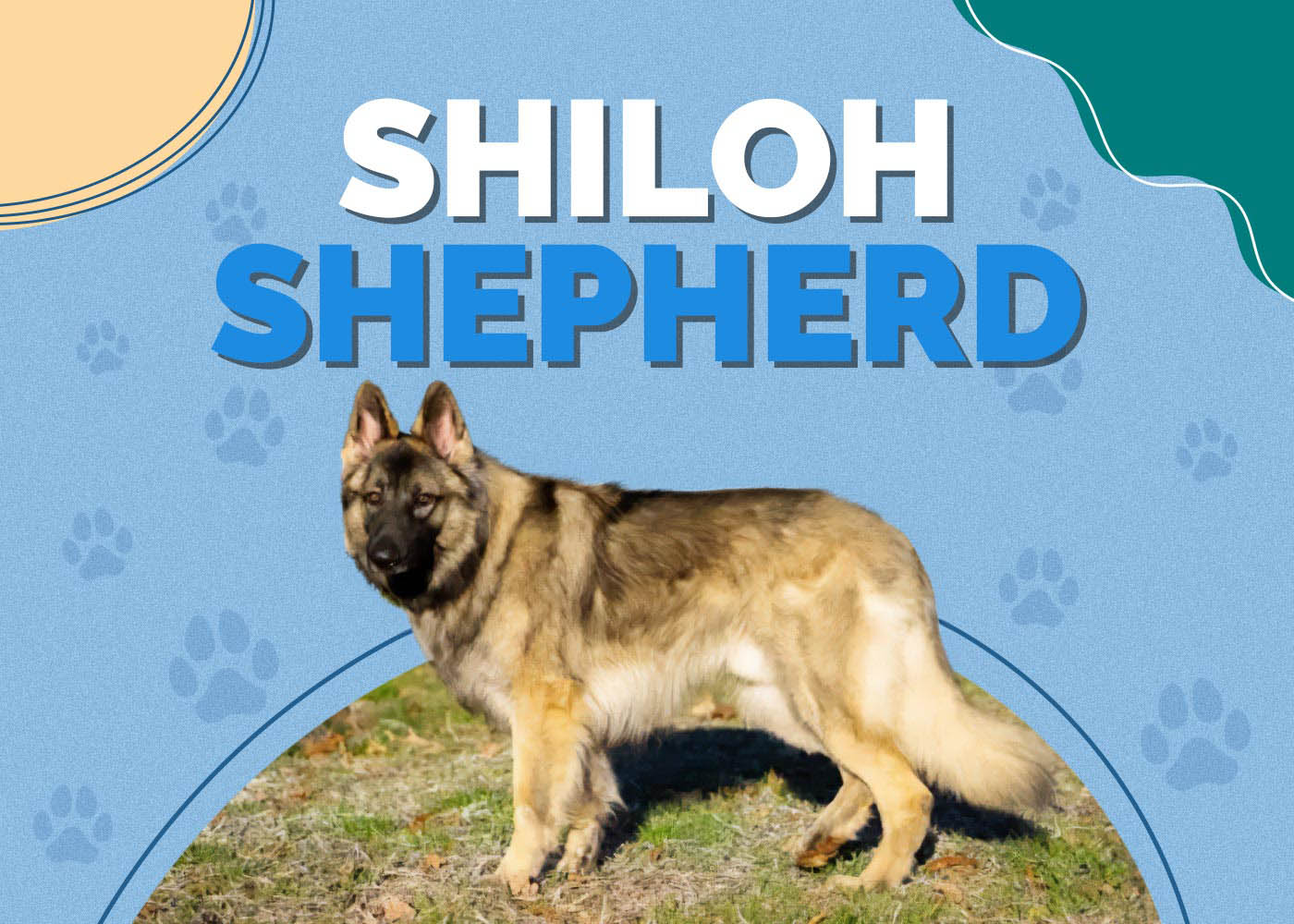
They were created by mixing Shiloh Shepherds (themselves a mix of German Shepherds and Alaskan Malamutes) with German Shepherds.
3. King Shepherds have starred in movies!
A King Shepherd named "Butch" starred in the film "Cats & Dogs."

Final Thoughts
The King Shepherd is a magnificent breed that offers the best of both worlds: the loyalty and versatility of a German Shepherd and the gentle, family-friendly nature of a Shiloh Shepherd. If you're looking for a big, beautiful dog that is intelligent, trainable, and good with families and other pets, the King Shepherd could be the perfect fit for you. Just remember that this breed requires plenty of exercise, mental stimulation, and regular grooming, so make sure you’re up for the commitment before bringing one of these majestic dogs into your home.
See Also:
Featured Image Credit: Vach cameraman, Shutterstock
Get Hepper In Your Inbox


Pet care tips from our vets and experts, straight to your inbox.
You may opt-out at any time. View our Privacy Policy for more information.

Nicole is a lover of animals of all sizes but is especially fascinated with the feline variety. She’s the proud mom of Baby, a Burmese, and works every day so he can relax in the sunshine or by the fire. She’s always had a cat in her home and has spent countless days with others, observing behaviors and softening up even the grouchiest of the lot. Nicole wants to share her kitty expertise with you so you and your cat can live happy, healthy, and care-free.
Join the conversation
Ask a question, share your story, or send private feedback.