Hepper is reader-supported. When you buy via links on our site, we may earn an affiliate commission at no cost to you. Learn more.
Kuvasz Dog Breed Info: Pictures, Characteristics & Facts
In this article
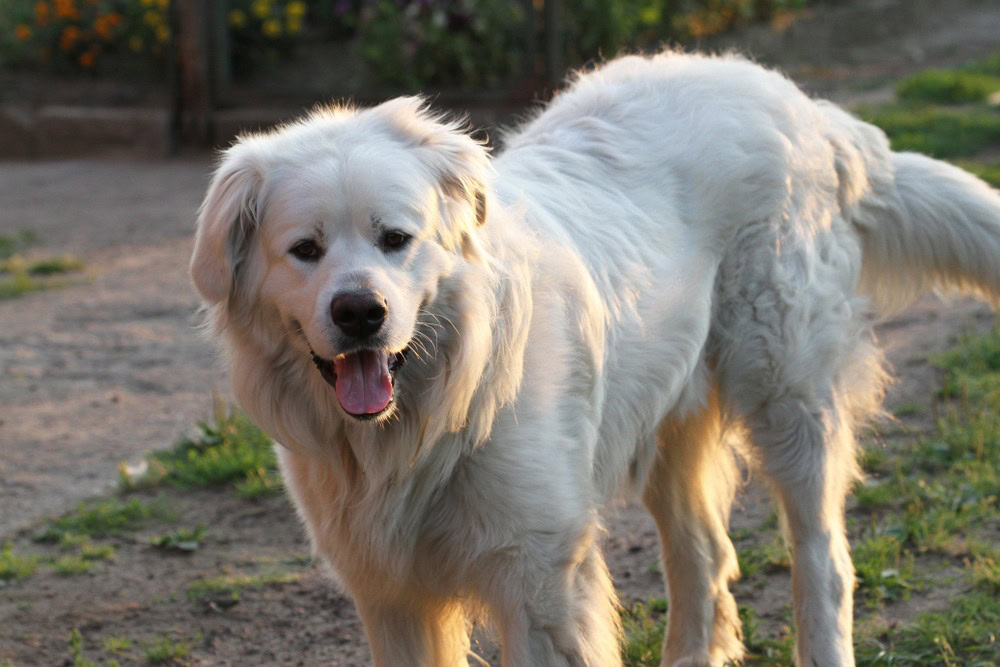
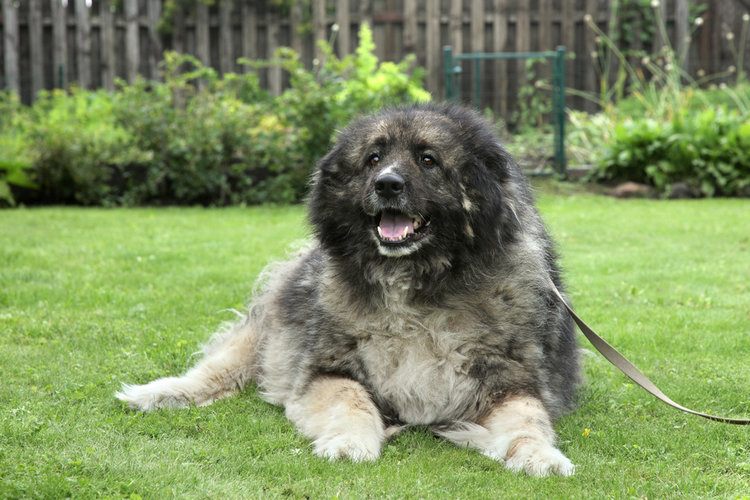
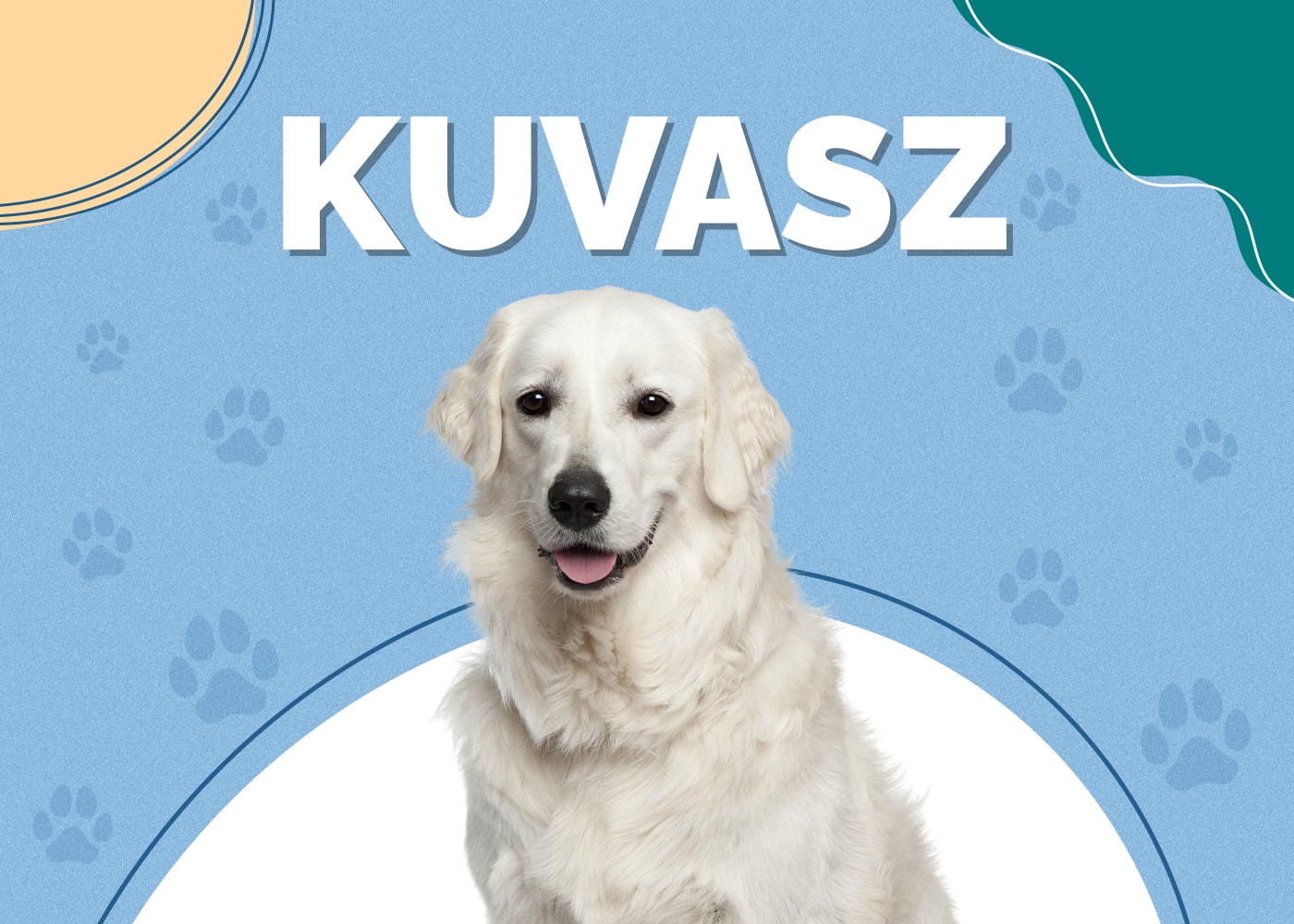
The Kuvasz is a flock-guarding dog that originates from Hungary. When kept as a pet, they are very protective of their humans. They need plenty of space, however, and while they do not necessarily need lots of long walks or runs every day, they do need the opportunity to charge around once or twice a day.
Breed Overview
Height:
Weight:
Lifespan:
Colors:
Suitable for:
Temperament:
They are not suited to life in an apartment, and given their need to inform you of anything and everything that might be approaching, they are best suited to properties that are not near their neighbors. Despite this, they are kind and gentle dogs and patient with their owners.
They are also highly independent and tend to do best when allowed to think for themselves. As a result, they can prove difficult to train. They are not considered suitable for first-time owners, because of this combination of guarding and independence.

Kuvasz Characteristics
Kuvasz Puppies
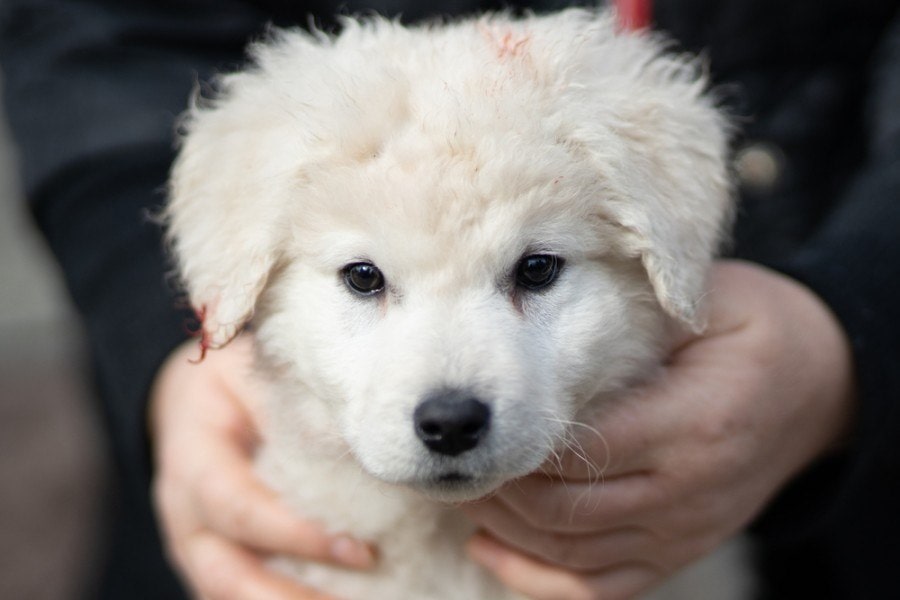
The Kuvasz is not a particularly well-known breed, although they are still a popular working dog in their home country of Hungary. As such, they can be a difficult dog to find. They are large, and this combined with their independence means that you may find one in a shelter; however, this is unlikely simply because there are not too many of this breed around.
When buying a Kuvasz, you will probably have to travel. You should also do your homework to ensure that you use a reputable breeder. They will ensure that the parents have had proper health screening, and they will keep parents and puppies in good condition in a good environment. This breed is an independent dog, and if they are not socialized and do not learn good socialization skills from their mother when they are young, they can be very difficult to handle when they get older, too.
Do not be afraid to ask the breeder any questions you have about the breed, in general, or the puppy itself. They should be happy to answer any queries, and they likely will want to ask you questions to ensure that you are a suitable owner for the breed.

Temperament & Intelligence of the Kuvasz 🧠
The primary trait of the Kuvasz is that of the protector. They will do everything they can to ensure their family is protected. They will do this independently, which means that you will need to set boundaries early to ensure that they integrate well into the family. With that said, they can become a loyal member of your family unit.
Are These Dogs Good for Families? 🏡
The Kuvasz is an independent dog, but they have long been prized for their ability to guard and protect their family. This trait remains strong today, and they will form a close bond with their owners, even if they aren't particularly interested in love and cuddles.
They can be very protective over family members, so they need to be taught boundaries, otherwise, they can become aggressive toward strangers. This includes friends of the family and friends of your children.
Their size means they might not be suitable for living with small children. If you do have small children, ensure that any time between them and your new dog is supervised to ensure that no accidents happen.
Does This Breed Get Along With Other Pets? 🐶 😽
The Kuvasz is independent. They will not usually get along with other dogs, whether at home or while on walks. They may not be aggressive, but they will not show any interest in meeting other dogs and they may do what they can to get away from them. If you do intend to introduce them to another family dog, try to ensure they are both young and always ensure that the meeting is calm and slow.
Similarly, the Kuvasz can live with cats, in fact, they may well look to protect them because they will view them as being part of their herd. Slow introductions are necessary because the Kuvasz’ stature means that he can be intimidating to cats and other smaller animals.

Things to Know When Owning a Kuvasz:
The size and independence of the Kuvasz breed mean that he is not suitable for all owners. Before buying one of this unique breed, consider the following factors:
Food & Diet Requirements
The Kuvasz is a big dog, and they have reasonably high energy requirements. As such, they can eat a lot and you should expect to feed around 3.5 cups of food each day, ideally split into two or three meals. Don’t leave food in their bowl, or they may act to protect it.
Exercise 🐕
The breed is very large and requires a lot of exercise, but they will prefer independent exercise. Ideally, they will be allowed to prowl over large areas of territory, which can include the backyard, but this will need to be securely fenced to prevent them from getting out and prowling elsewhere. You should also provide your Kuvasz with at least an hour of walking each day, ideally more than this. If they are left indoors, they can become restless, especially if they are alone, and a restless Kuvasz can quickly destroy your property.
Training 🦮
The Kuvasz is a very independent dog. They have been prized for their ability to make their own decisions when left alone to look after herds, and they maintain this level of independence today. This means that it can be a serious challenge to train this breed, and you will need to show consistency and be a leader. Be patient, make learning fun, and ensure that they get plenty of socialization as well as training from a young age. This training difficulty is one reason why the breed is not considered a suitable dog for first-time owners.
Grooming ✂️
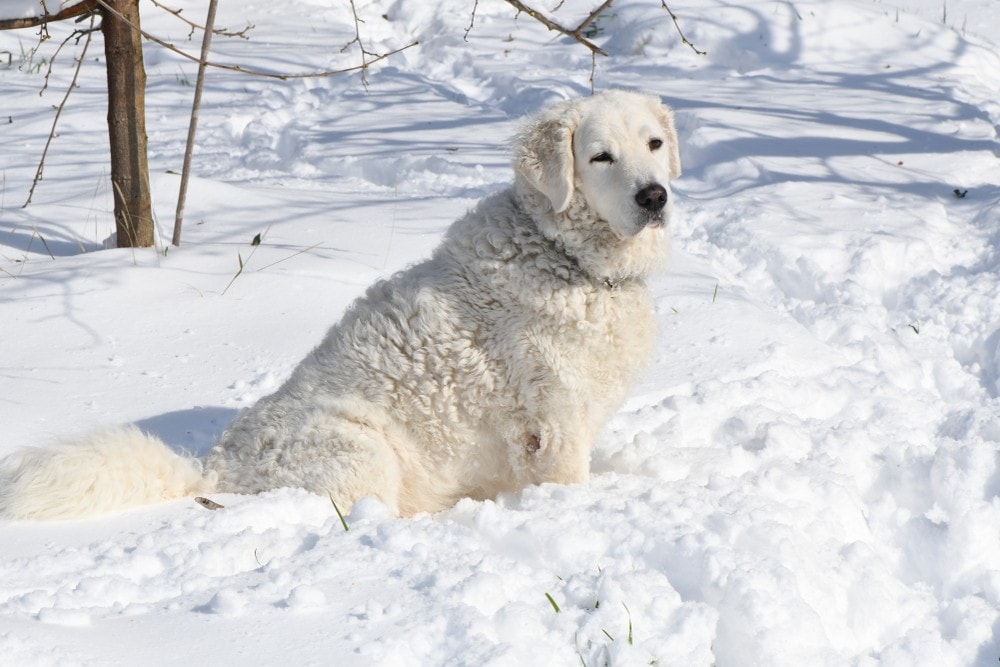
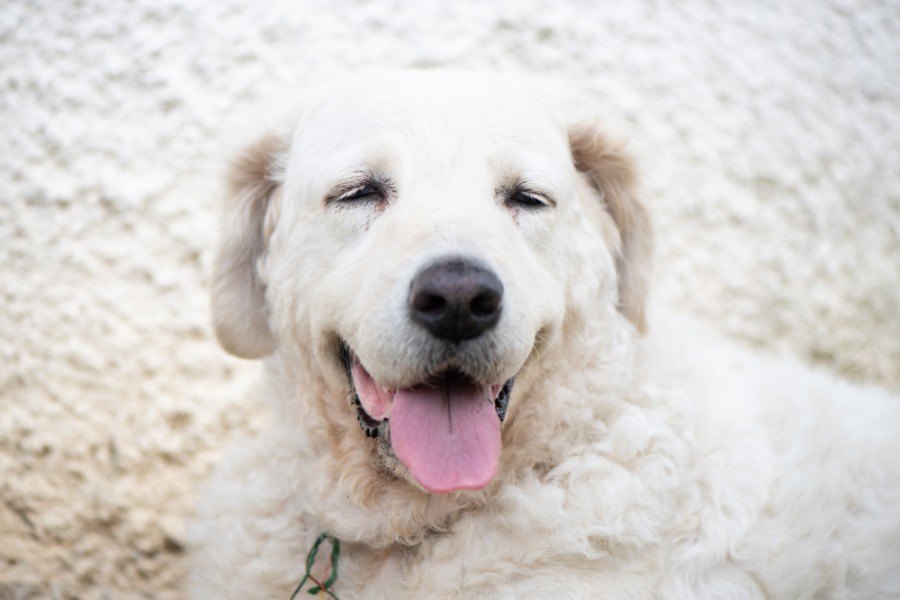
The coat of a Kuvasz can grow as long as 6 inches. It is used to protect him from the cold and rain, but it can become matted and knotted if it is left. You should brush once a week, and consider a conditioning spray to help keep your dog in the best possible condition. They will shed heavily in the spring and will require more frequent brushing during this time.
You will also have to clean their teeth, ideally three times a week, and clip their nails if you can hear them making a loud noise on hard floors.
Happily, their coat repels water, dirt, and odors, and you should not bathe the Kuvasz unless it is absolutely essential. Regular bathing can strip the coat of natural oils that protect it from damage and that helps protect the skin.
You might want to check this out: 11 Best Dog Wipes: Reviews & Top Picks
Health and Conditions ❤️

Male vs Female
The male of the breed can grow larger than the female, both in height and weight, but there are few known differences in temperament and behavior between genders.
3 Little-Known Facts About the Kuvasz
1. They are originally from Tibet.
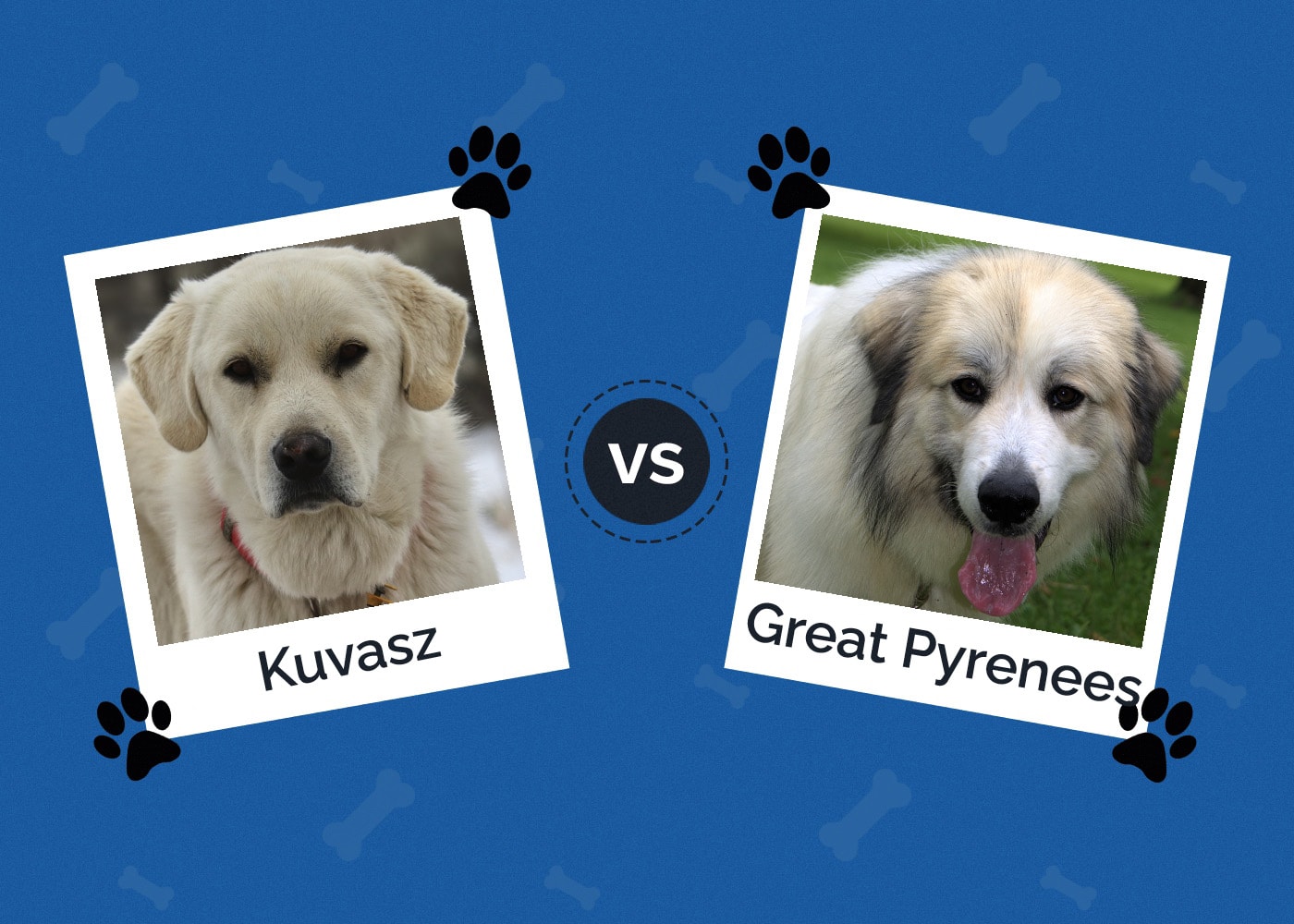
Although it is now known as a Hungarian breed, the Kuvasz originates from Tibet. They were known as the Ku Assa, which means the dog of the horse and were taken to Hungary in 2000 B.C. by the Magyar tribes. The Hungarian farmers then bred the dog to be bigger and they were used to guard livestock against predators. Their size was intimidating, while their fierce loyalty meant that they would easily protect any animals in their charge.
2. They didn’t just guard livestock.
While they were known for guarding livestock, the Kuvasz also guarded members of the Hungarian Royal Family. Matthias Corvinus, the former king of Hungary, admired the dog so much that he would only allow certain members of noble families to own them. He trusted them more than his own guards because it was common for guards and people to attempt to assassinate royalty at the time.
3. They almost became extinct.
During World War II, this incredible breed almost became extinct in Hungary. The breed was known to protect their families, so invading soldiers hunted the dogs down and killed them. It is believed that less than 30 of the breed were left after the end of the war. Although they still remain quite rare, their numbers have increased since that time. However, the Kuvasz is still a rare site outside the borders of Hungary.
Conclusion
The Kuvasz is a Hungarian breed prized for their protectiveness and independence. However, these traits can make them a difficult family pet to own and will make them a challenge to train. You will need to start training from a young age, ensure that he is well socialized, and provide him with jobs and exercise daily to keep him well adjusted. If you do that, though, you can end up with a loving and protective member of the family who will get on with the children and protect your home.
This breed is not considered suitable for first-time owners and they will not do well in an apartment because of their size and their desire for time outdoors. They will thrive in a property that has a large, fenced-in yard where they can prowl and walk around. Prepare to feed them plenty and also be prepared for considerable brushing, especially during the spring, as well as admiring looks and comments.
Featured Image Credit: Bogerr, Shutterstock
Get Hepper In Your Inbox


Pet care tips from our vets and experts, straight to your inbox.
You may opt-out at any time. View our Privacy Policy for more information.

Nicole is a lover of animals of all sizes but is especially fascinated with the feline variety. She’s the proud mom of Baby, a Burmese, and works every day so he can relax in the sunshine or by the fire. She’s always had a cat in her home and has spent countless days with others, observing behaviors and softening up even the grouchiest of the lot. Nicole wants to share her kitty expertise with you so you and your cat can live happy, healthy, and care-free.
Join the conversation
Ask a question, share your story, or send private feedback.