Hepper is reader-supported. When you buy via links on our site, we may earn an affiliate commission at no cost to you. Learn more.
How to Manage an Overprotective Dog: 7 Vet Approved Methods


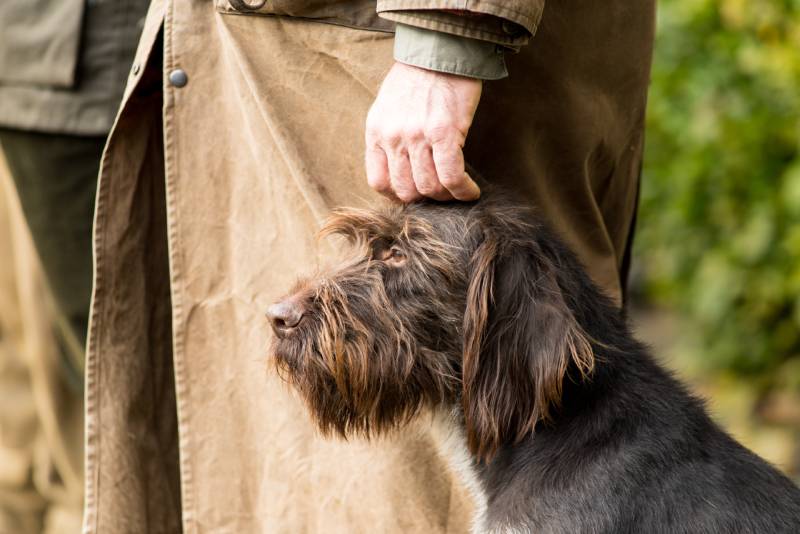
In the past, different dog breeds were bred for guarding purposes. Prior to the popularity of high-tech alarm systems and security cameras, getting a guard dog was one of the few ways that you could defend your property and family. A lock might not have stopped a common criminal, but a large dog on the other side of the door probably would.
Today, many dog breeds are still used for protection. Retired police dogs are also used as guard dogs, and some people may raise guard dogs to defend their homes and livestock.
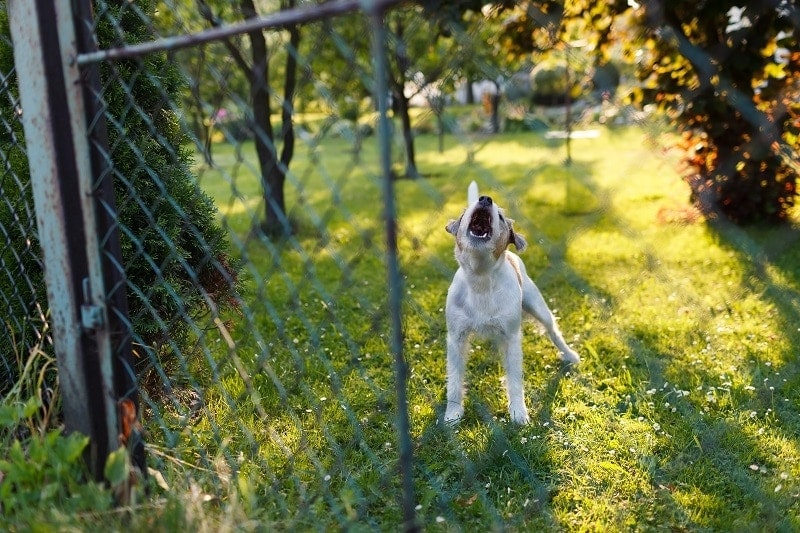
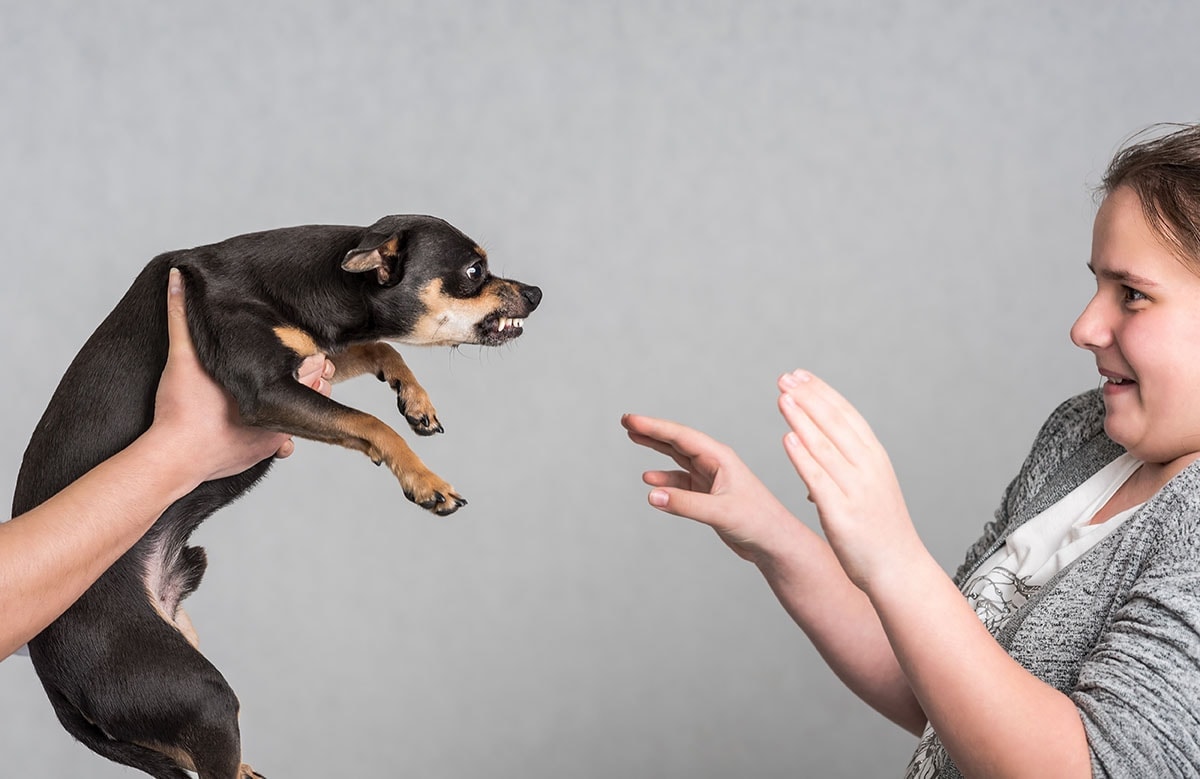
Though having a protective nature is desirable for some breeds, an overprotective dog (of any breed) can prove to be problematic. Some dogs can be territorial and a bit too protective of their owners. These dogs require special care and management.
Luckily, most dogs can be easily managed and make great companion animals if socialized and trained properly. In this article, we discuss how to do this, along with a few other tips.

The 7 Methods to Manage an Overprotective Dog
1. Overprotective Dog Training
It's never too early to start training your canine. If you have a puppy and are afraid that they may grow to be overly protective (or you are already seeing the signs at a young age), it's important to get them into training as soon as possible. We recommend puppy classes for canines that are still young enough for them. These classes introduce many basic commands and socialize your dog with other puppies and people. This is exactly what a potentially overprotective dog needs.
If your dog is older, we recommend one-on-one training with an experienced trainer. This will help get your dog somewhat under control and socialize them with an understanding participant. This trainer can also help your dog socialize with other canines and people. This is the first step toward a calmer and more confident dog.

2. Structure and Routine For Dogs
You should introduce plenty of structure and routine into your dog’s day. Similar to children, dogs often feel calmer if they know the boundaries of the home and what is coming next. If a dog never knows when they are getting fed again, they can be understandably stressed. You should try to keep your dog on the same general schedule.
You should also establish simple rules. Perhaps you want your dog to pause and let you walk out the door first. Or maybe they must sit to get their food. Whatever you decide to do, the boundaries will provide your dog with expectations of behavior. These help your dog know what to expect and set them up for success. You can’t expect your dog to behave if you’ve never told them how. For example, you can’t get mad at your dog for jumping on the couch if you’ve never told them not to.
Commands and boundaries will also help keep your dog mentally stimulated, which is essential for your dog’s health and behavior.
3. Learn Dog Body Language
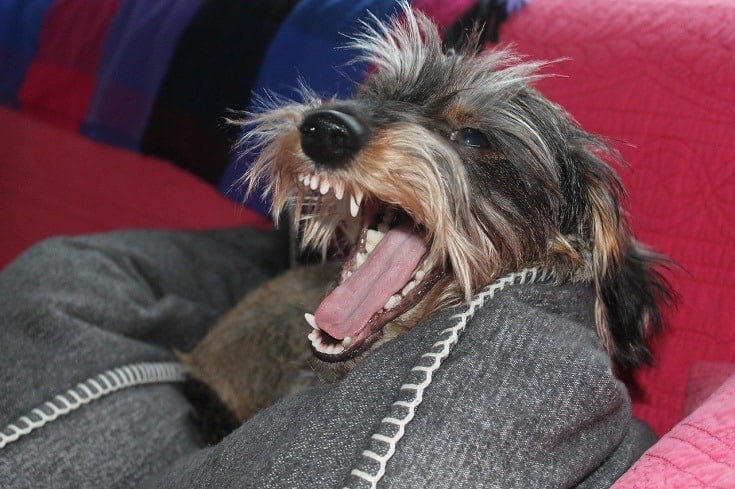
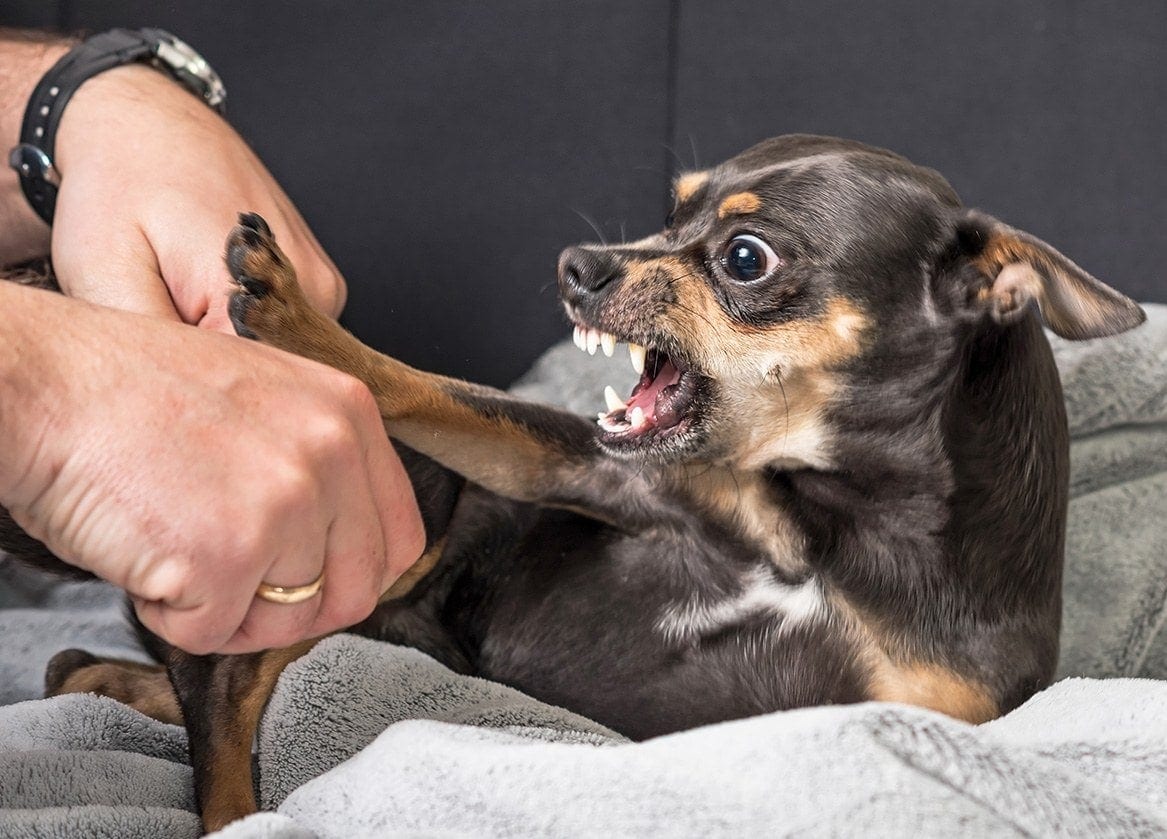
When a dog is uncomfortable with a situation, they will often tell you in many subtle ways. They may hold their body stiffly, even if they are wagging their tail. Their ears may remain perked up in an alert fashion. They may even pace or start panting if they become anxious.
These behaviors are early warning signs that your canine may need to be removed from the situation. If you allow them to stay, they may become even more stressed and potentially aggressive. Until your dog is well socialized and trained, your main goal should be to prevent unnecessary aggression and other problems. Paying attention to these signs is essential.
Plan on removing your dog from any stressful situation before they potentially react negatively. Not only can this lead to injury, but it can also make dogs fall into a habit of lashing out, which is the opposite of what you want. Remember that habits are hard to break.

4. Establish Socializing Exercises
A big part of retraining your dog is getting them to practice their socializing skills with people who are aware of your dog's woes, and dogs that are trained to help other dogs. Starting off socialization interactions with people and animals who are aware of your dog's social problems is key to gradually establishing good habits in your dog.
5. Stay Calm & Assertive For Your Dog
Dogs will often feed on our emotions. If you’re nervous and anxious, your dog will likely notice that something is wrong. This will make them nervous and anxious, which can cause aggression and agitation. While it can be difficult to remain calm when dealing with an overprotective dog, it's essential to your canine’s success. Remember that a big part of retraining an overprotective dog is retraining yourself as well. Though it may be challenging at first, it will be worth it in the long run.
If you need a break, feel free to remove yourself from any potential situation with your canine and take a breather. You shouldn’t plan on remaining in potentially challenging situations for long when you first begin to socialize your dog. Short socialization trips are often best, as they prevent everyone from becoming too stressed.

6. Dog Stimulation
All dogs need mental and physical stimulation. Otherwise, they can become restless and stressed. This is often the cause of behavioral problems. We highly recommend increasing your dog’s mental and physical exercise if they are showing signs of being overly protective. Walks are a great way to do this, especially if you allow plenty of time for your canine to sniff around. Sniffing is a naturally mentally stimulating activity for dogs.
You may want to use puzzle toys for extra mental activity during the day. Obedience training is also a solid way to get your dog worn out mentally.
7. Consider a Muzzle
You should always use a leash with your dog whenever you're outdoors. This is both for your safety and your dog's safety, and may also be a legal requirement in your area of residence.For an overprotective dog, a muzzle may be a great addition too, as it provides you with additional control over your canine buddy in case they suddenly choose to lash out at a person or another dog.
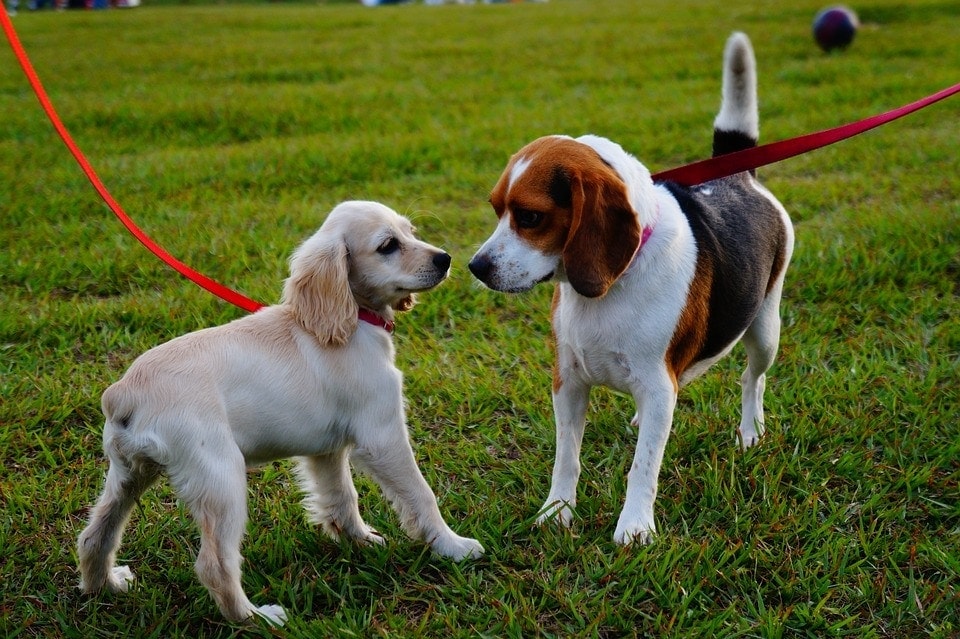
One word of caution, though: leashes can make it difficult for dogs to understand each other. When two dogs meet, pulling on the leash can make your dog tense up, which the other dog may interpret as aggression. You should keep your dog on a leash, but be careful not to hold it too tight when other dogs are around so your dog can use their body to communicate. Leashes should be kept short, but loose.

Final Thoughts
No matter their breed, any dog can become protective. Typically, this happens when the dog is not socialized properly as a puppy. However, some dogs may be more prone to aggressive behaviors than others.
We highly recommend that anyone with a dog properly socialize and train them, as this will prevent many problems from occurring. Correct mental and physical exercise is also essential. A bored dog is often not a well-behaved dog.
Featured Image Credit: Piotr Wawrzyniuk, Shutterstock
Get Hepper In Your Inbox


Pet care tips from our vets and experts, straight to your inbox.
You may opt-out at any time. View our Privacy Policy for more information.
Kristin is passionate about helping pet parents create a fulfilling life with their pets by informing them on the latest scientific research and helping them choose the best products for their pets. She currently resides in Tennessee with four dogs, three cats, two fish, and a lizard, though she has dreams of owning chickens one-day!
Join the conversation
Ask a question, share your story, or send private feedback.