Hepper is reader-supported. When you buy via links on our site, we may earn an affiliate commission at no cost to you. Learn more.
Labradoodle vs Bernedoodle: The Differences (With Pictures)

In this article
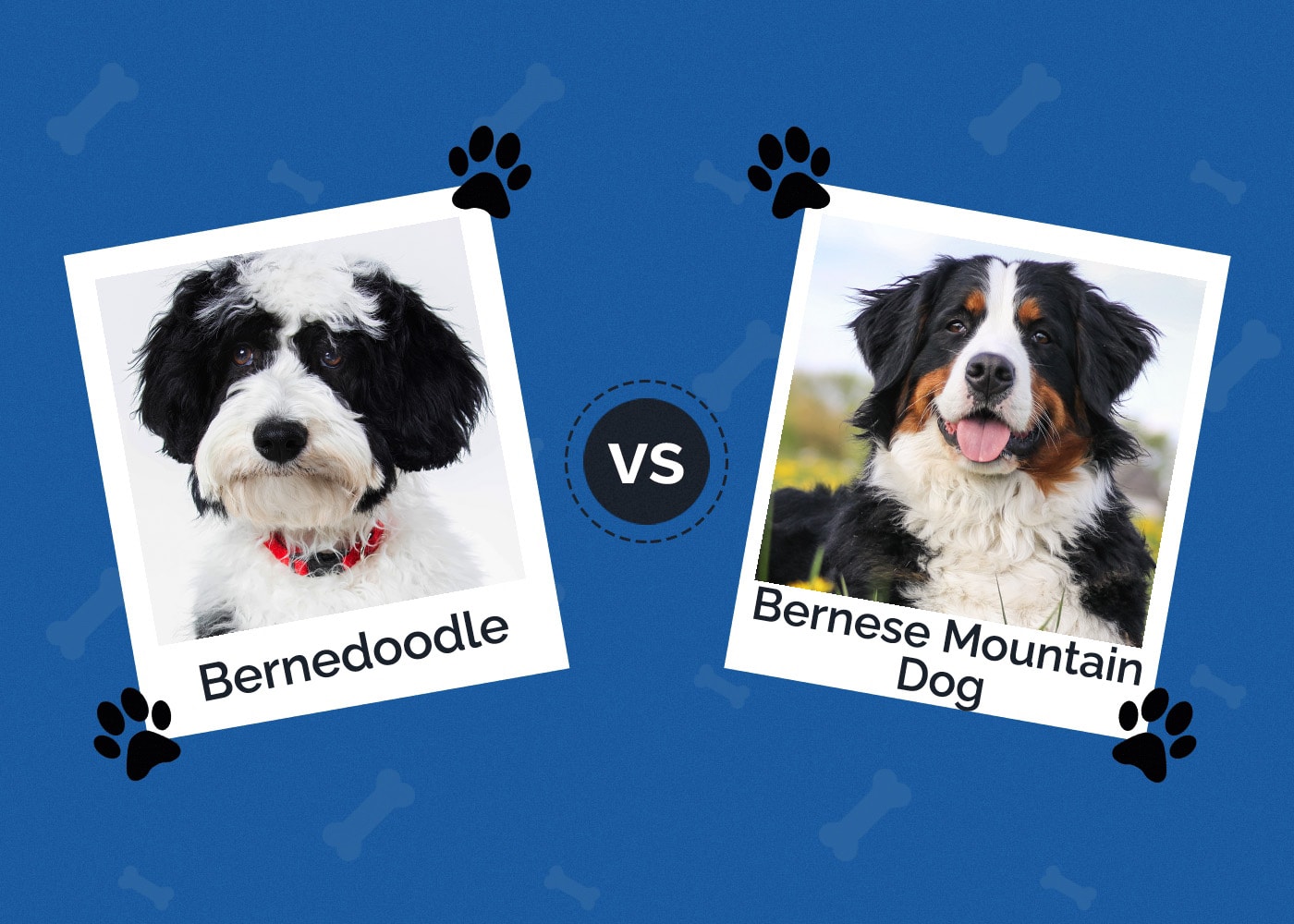
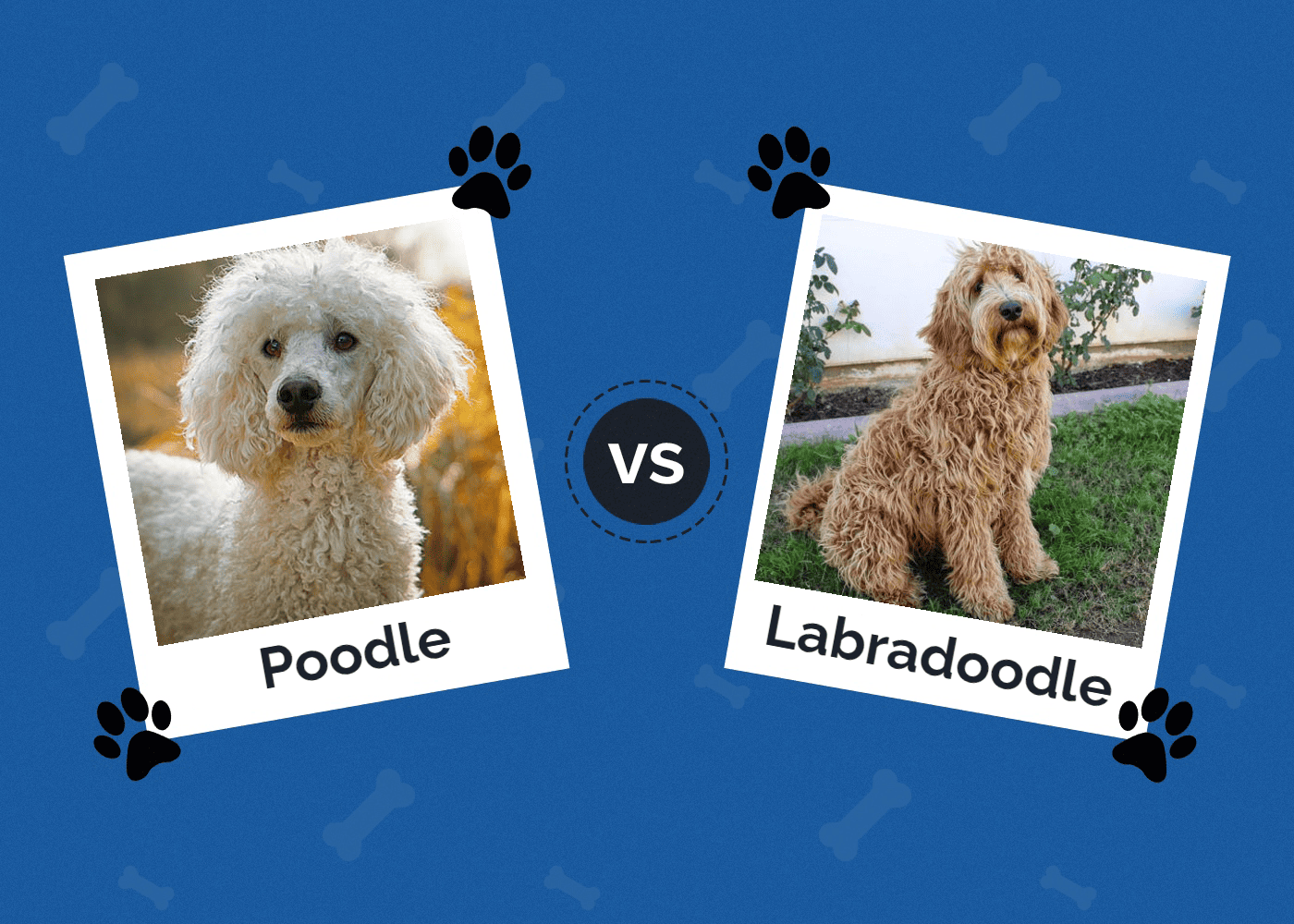
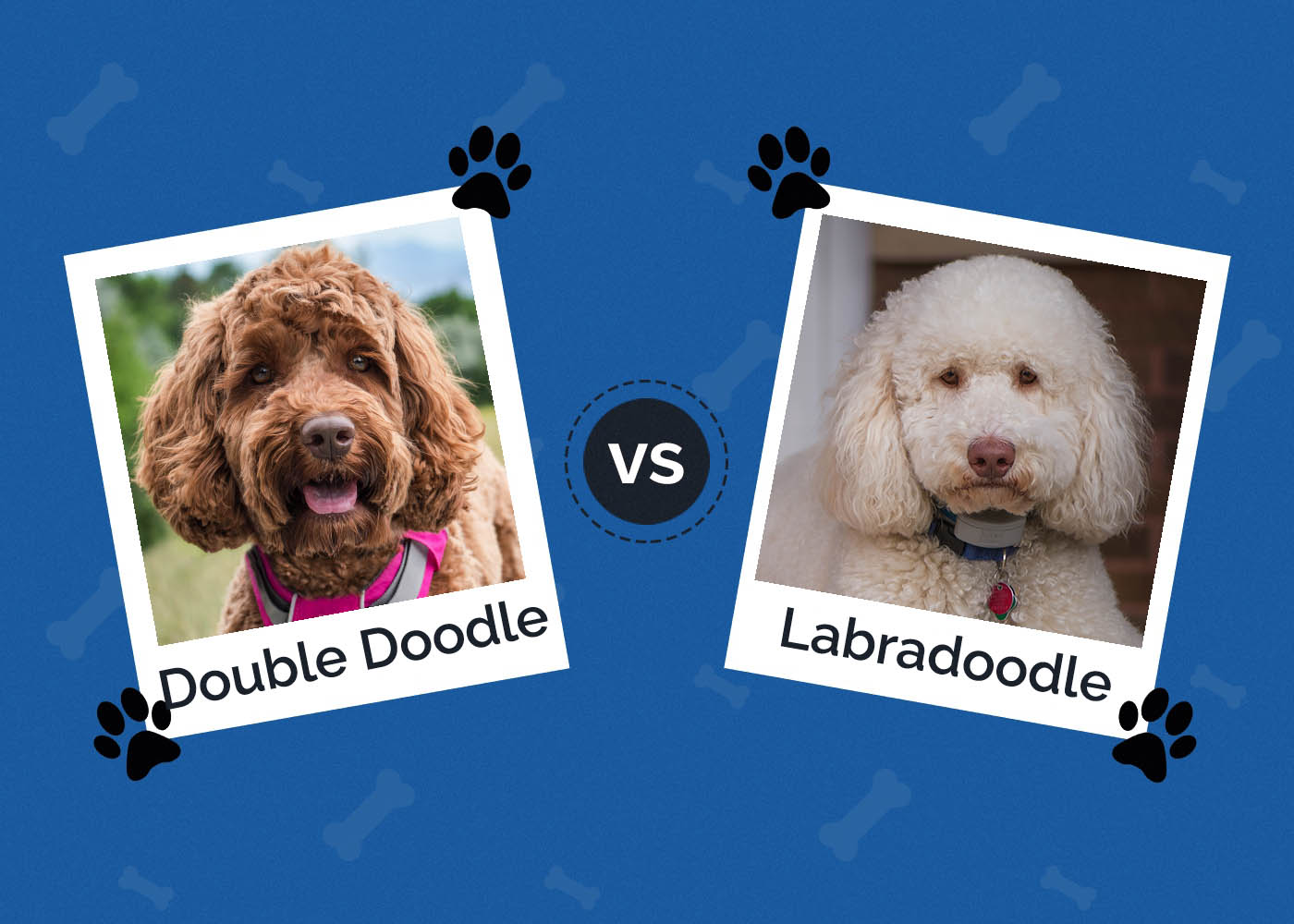
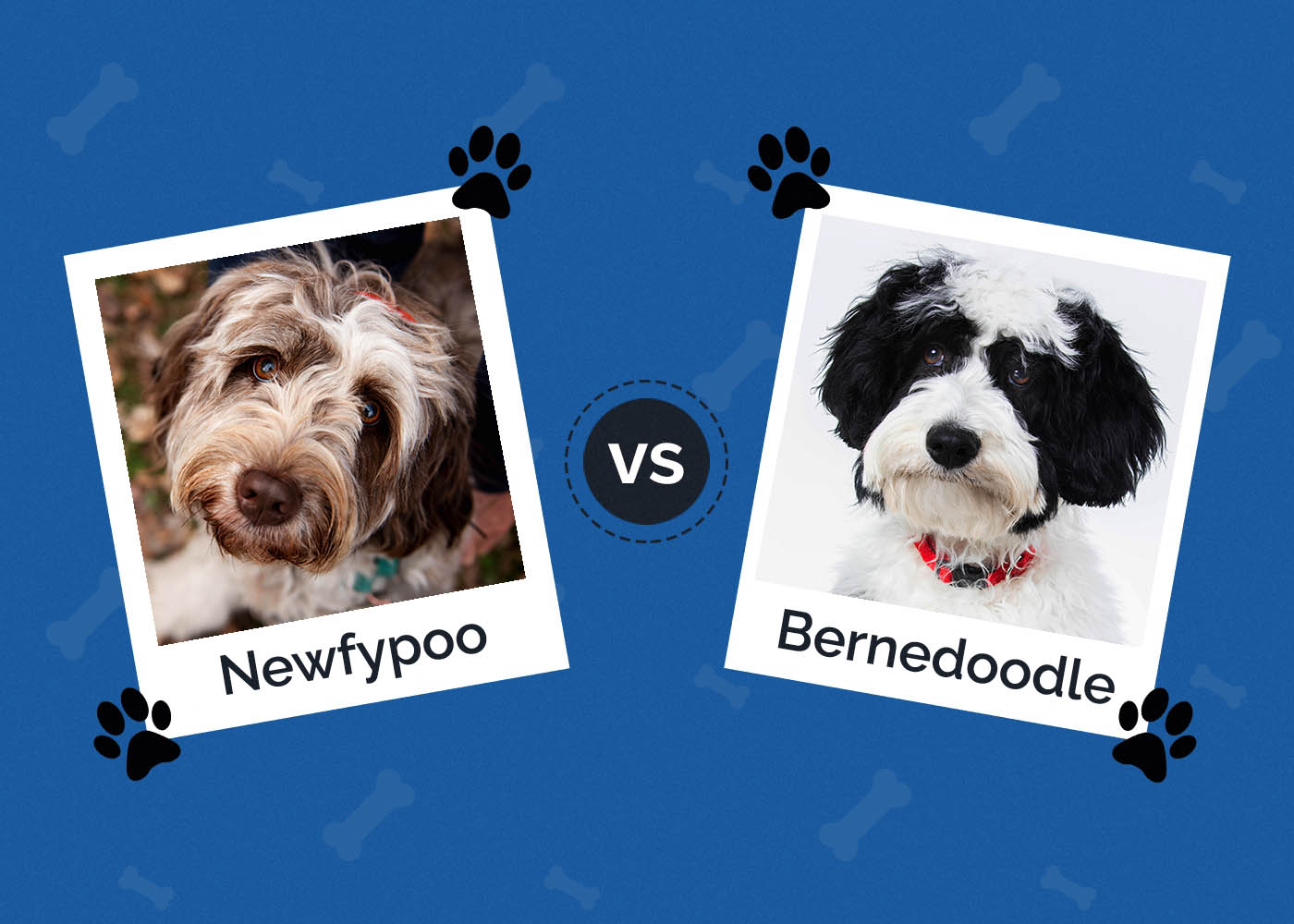
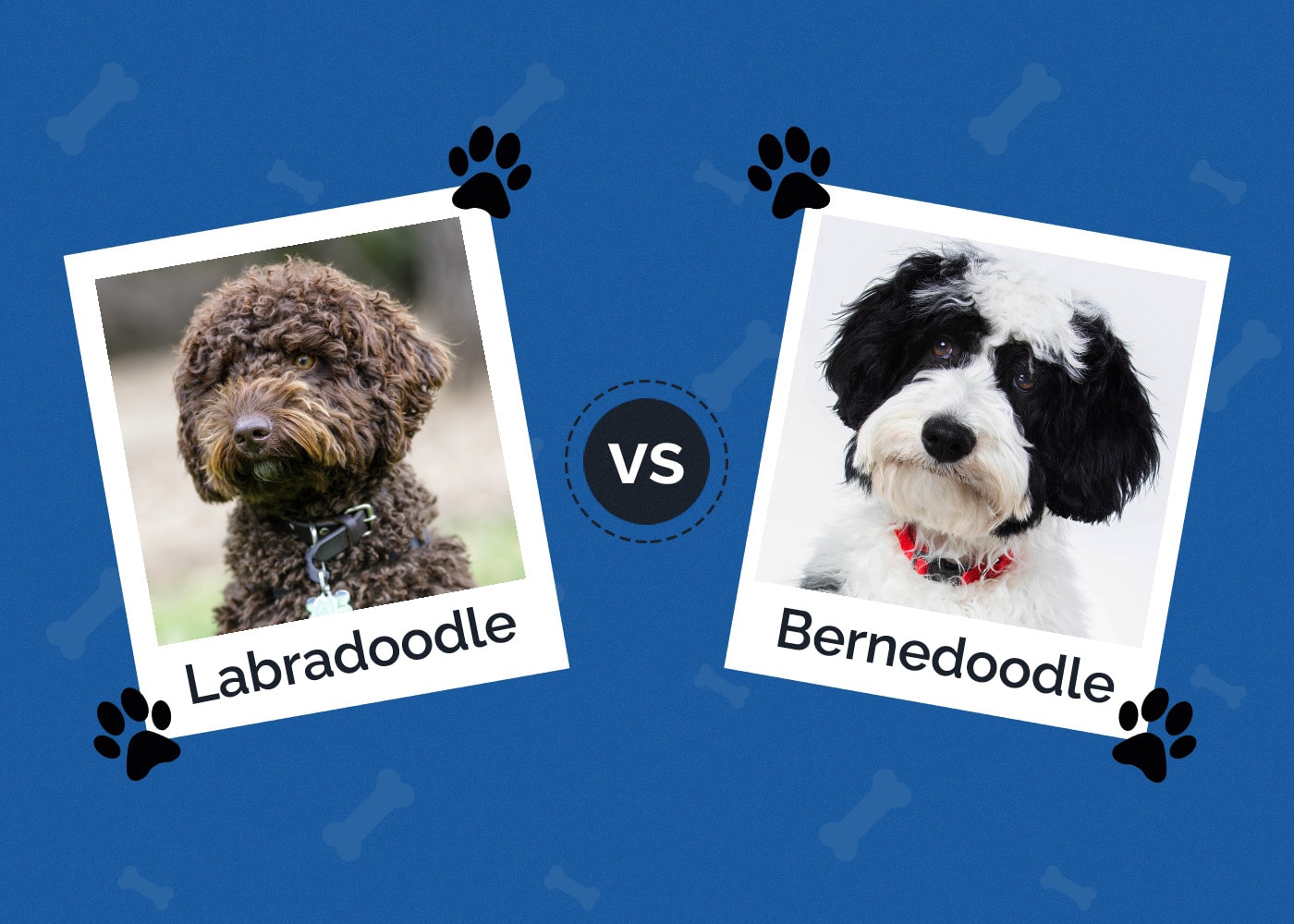
Dog breeds mixed with Poodles are typically called by a “doodle” name. There are a lot of Poodle crosses popping up these days, due to the popularity of the cute look that comes from the Poodle side of the breeding. There are a handful of doodles that have rapidly grown in popularity, including the Labradoodle and Bernedoodle. Labradors crossed with Poodles make Labradoodles, while Bernese Mountain Dogs crossed with Poodles make Bernedoodles.
Both of these breed mixtures can result in loving, family-friendly dogs, but the temperament and needs of these dogs can be quite different. To select the best dog for your household, you should understand the differences between Labradoodles and Bernedoodles. If you’re in search of a loving family dog, both breeds are suitable, so let’s talk about what makes them different from each other.

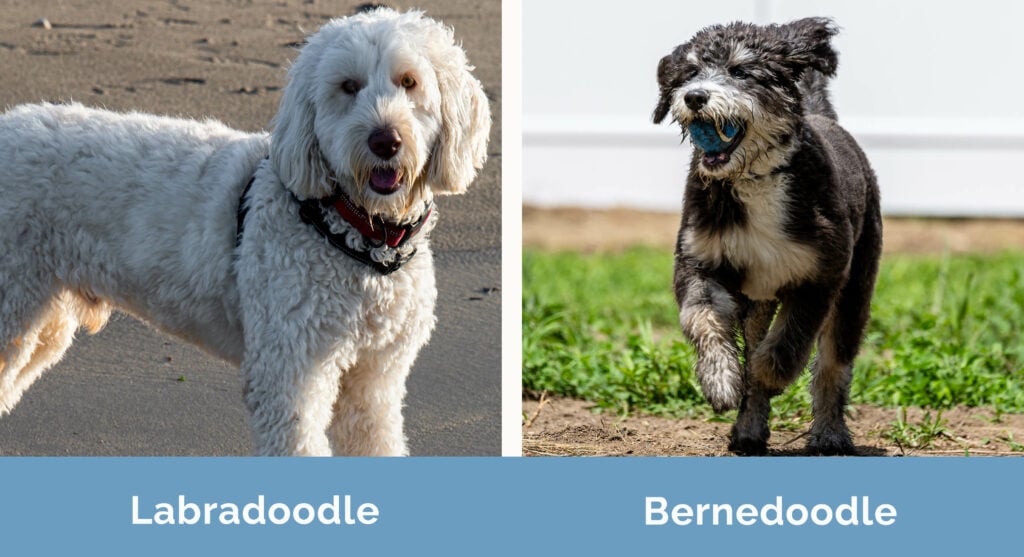
Visual Differences
At a Glance

Labradoodle Overview
Temperament
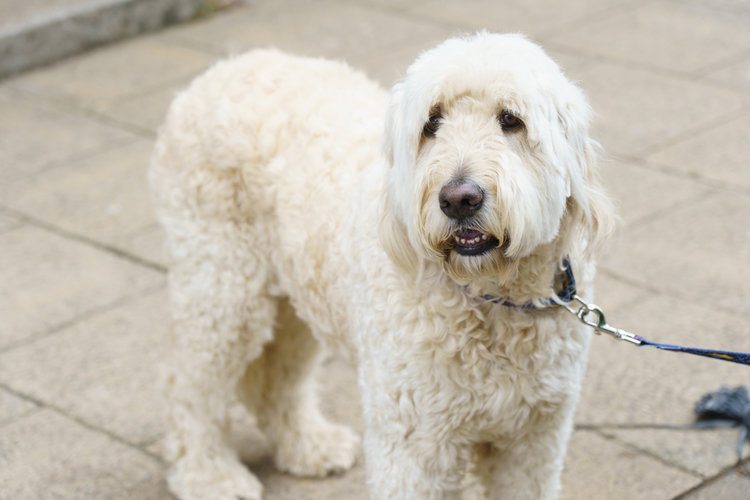
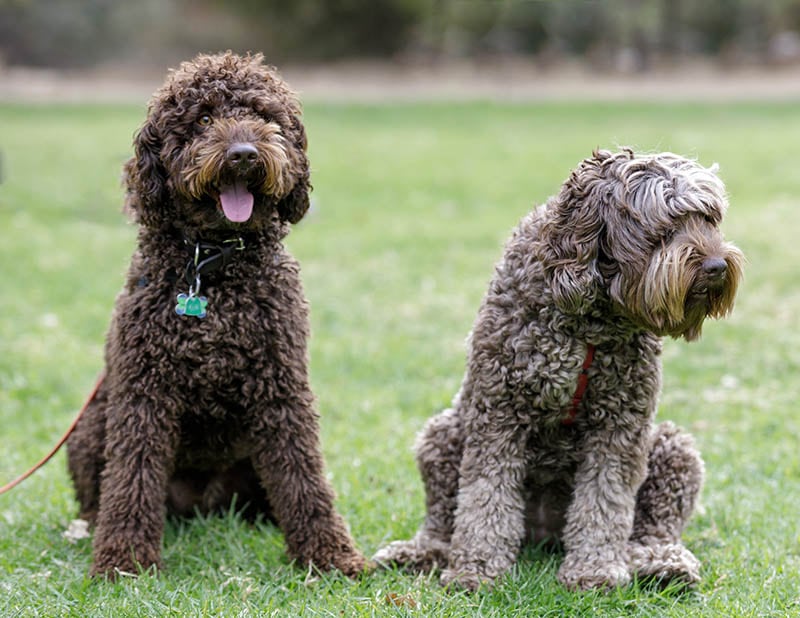
The Labradoodle is typically a social, friendly dog that longs for human attention and affection. Their social nature often makes them try to befriend everyone and everything around them, so don’t be surprised if your Labradoodle loves strangers and friends alike.
They tend to be curious dogs that may get into trouble, so it’s important to keep a close eye on your Labradoodle to keep them out of trouble. They’re known to be vocal, so you may end up with a barker. These dogs are great with children but may be standoffish or nippy with boisterous children that climb on or hurt them.
Exercise
Labradoodles usually need an hour of exercise every day to keep them healthy and happy. This can vary, though. Since Labradoodles can be mixed with toy, miniature, or standard Poodles, they can vary in energy levels and exercise needs. Smaller Labradoodles may require less exercise every day, but their Labrador side may take over, giving them plenty of energy no matter what.

Training
These smart puppies are often trainable because of their intelligence, curiosity, social nature, and focus on people. They may be excitable, so finding ways to keep your dog focused on training sessions will give you the best training outcomes.
Consistency is key when training your Labradoodle, and you’ll need plenty of positive reinforcement of desirable behaviors, so get everyone in the family involved in the training.
Health & Care
Labradoodles may be prone to developing any condition that their parent breeds are prone to. These can include minor problems, like ear infections, itchy skin, allergies, and digestive problems. They may also be prone to more significant issues, like cancers, hip dysplasia, and cranial cruciate ligament tears. These dogs also tend to eat things they aren’t supposed to, so the need for exploratory surgery may become necessary if your Labradoodle is allowed in areas with items they may consume.

Suitable for:
The Labradoodle is a suitable dog for family homes and active singles alike. These adventurous dogs are likely to keep up with active kids and adults, and their social nature usually makes them accepting of people of all ages, as well as other pets. They do require daily activity, so Labradoodles are often not a good fit for low-activity homes or homes where the household is empty for most of the day.
Bernedoodle Overview
Temperament
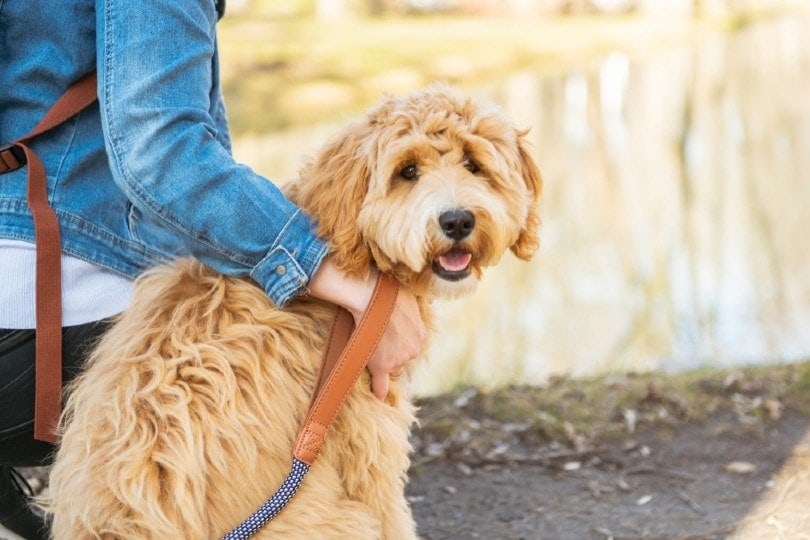
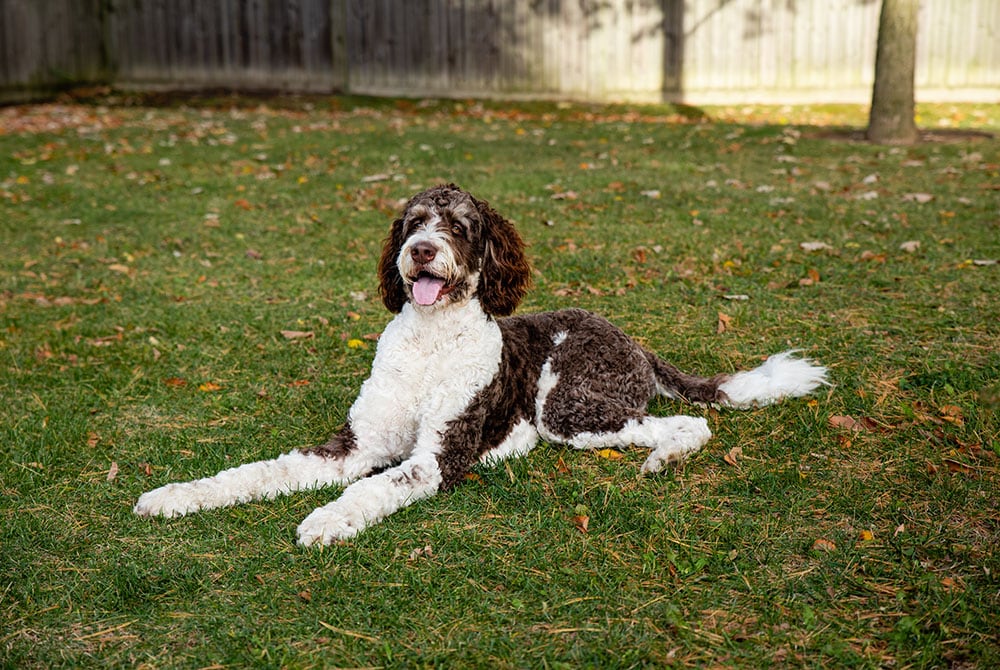
Like the Labradoodle, the Bernedoodle is a social and loving dog, but it does tend to be a little more standoffish with strangers. Bernedoodles may be slow to warm up to new people, and early socialization is important to ensure you don’t have a spooky adult dog.
All in all, Bernedoodles are family-friendly dogs that are often well-liked for being gentle with young children. They are intelligent dogs, but they have a silly streak, so be prepared for a puppy that’s ready to have some fun. This can be quite a clingy dog, so if you’re not looking for a Velcro dog, the Bernedoodle likely isn’t a good option for you.
Exercise
The Bernedoodle, like the Labradoodle, usually needs at least an hour of exercise every day, but this does vary between individual dogs. Most Bernedoodles have a primary goal of spending time with people, so it’s important to find ways to include your Bernedoodle in your activities.
No amount of exercise will make up for a Bernedoodle feeling ignored, so make sure to set time aside every day to interact with your Bernedoodle one-on-one.

Training
Bernedoodles are intelligent, social dogs that are quite trainable. Their goofy streak can create training challenges, though. These pups may be easily distracted during training sessions and other activities that they deem boring. Keep things interesting by making training into a game, as well as implementing puzzles and toys as training tools. Positive reinforcement is a good way to build trust and improve the social skills of your Bernedoodle.
Health & Care
Bernedoodles tend to have long lifespans, with some living beyond 18 years of age. In general, they are healthy dogs, but there are some notable health issues present with both parent breeds. Allergies, skin issues, and ear infections may occur, and some major health issues can be present in Bernedoodles, including hip dysplasia, elbow dysplasia, cancers, heart disease, epilepsy, and eye problems. They also are prone to obesity and may drool excessively.

Suitable for:
Bernedoodles are a great option for families, especially those with small children. They may be standoffish with strangers, though, so they may not be a good option for homes with frequent visitors. Bernedoodles are active dogs that are likely to enjoy an adventure, but they also may be willing to be couch potatoes if it means they get to spend time with their people. They do well in homes where people are home all day.

Which Breed Is Right for You?
Labradoodles and Bernedoodles are both happy, fun dogs that are great for families. Labradoodles are often high-energy pups that are intelligent and social, making them trainable and suitable for meeting new people and animals.
Bernedoodles are likely to be somewhat lower in energy than Labradoodles, and they may be willing to be a little bit lazy as long as it means more time with their person. They may be aloof or spooked by strangers, so they may not be a good option for homes with frequent visitors or homes where socialization occurs frequently.
Proper socialization of Labradoodles and Bernedoodles is important, but the Labradoodle is more likely to be more well-adjusted when it comes to strangers than the Labradoodle. Bernedoodles tend to be clingier than Labradoodles, making them a great option for homes where someone is home all day, while the Labradoodle may be comfortable being more independent. Both need exercise every day, though and without exercise and daily attention, both are likely to act out.
See Also:
Bernedoodle vs Goldendoodle: The Differences (With Pictures)
Portuguese Water Dog vs Labradoodle: The Differences (With Pictures)
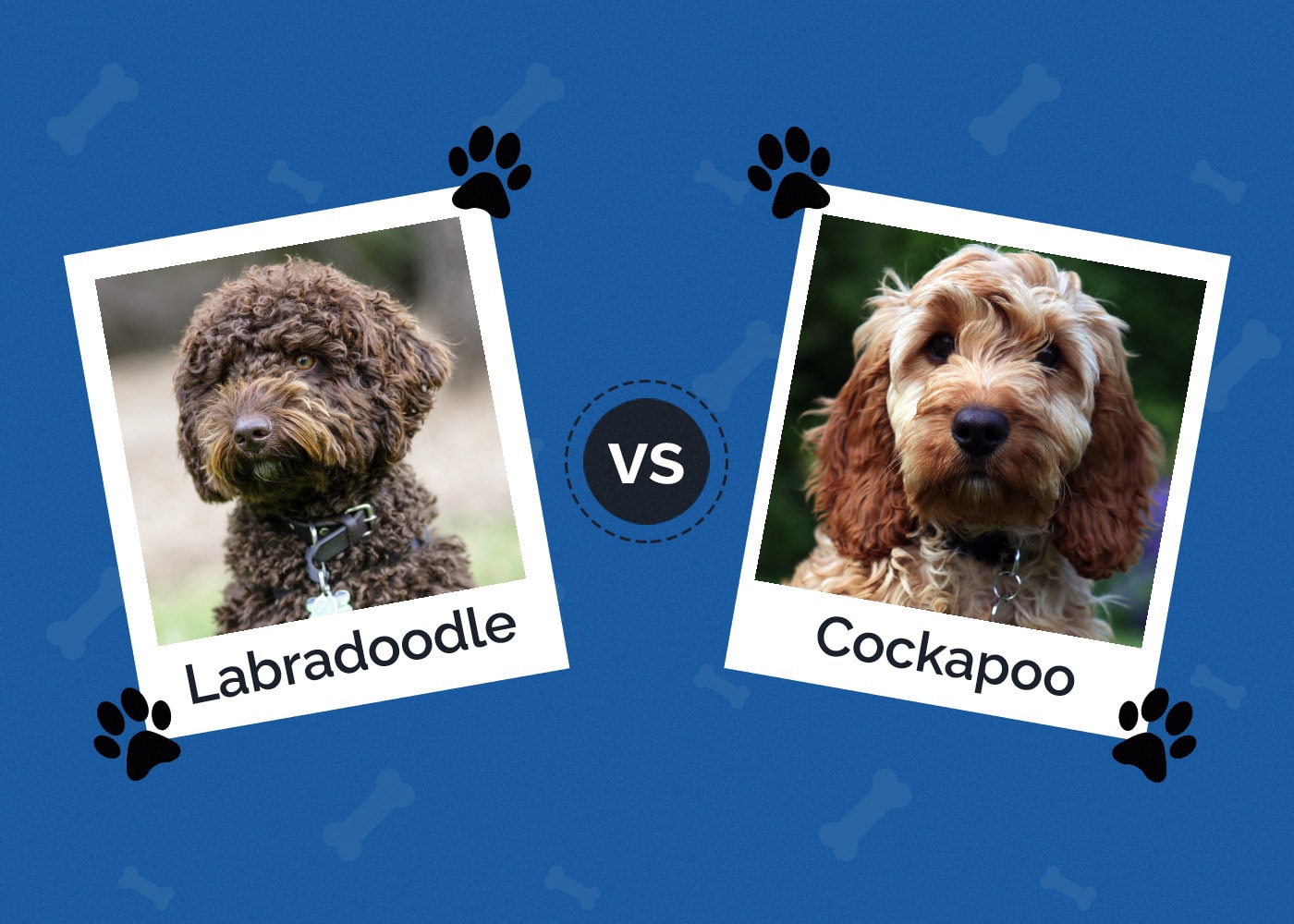
Featured Image Credit: (L) yhelfman, Shutterstock | (R) Diane Diederich, Shutterstock
Get Hepper In Your Inbox


Pet care tips from our vets and experts, straight to your inbox.
You may opt-out at any time. View our Privacy Policy for more information.
Brooke Bundy is a freelance writer who graduated from the University of North Georgia with a B.S. in Media Studies. She is interested in storytelling across different mediums. When she isn’t writing, Brooke loves to spend time with her dog, and three cats, in New Orleans, Louisiana. Brook enjoys gardening, cooking, brewing coffee, and making her pet's house a home.
Join the conversation
Ask a question, share your story, or send private feedback.