Hepper is reader-supported. When you buy via links on our site, we may earn an affiliate commission at no cost to you. Learn more.
Lilac Tortoiseshell Cat: Info, Pictures, Origin & History
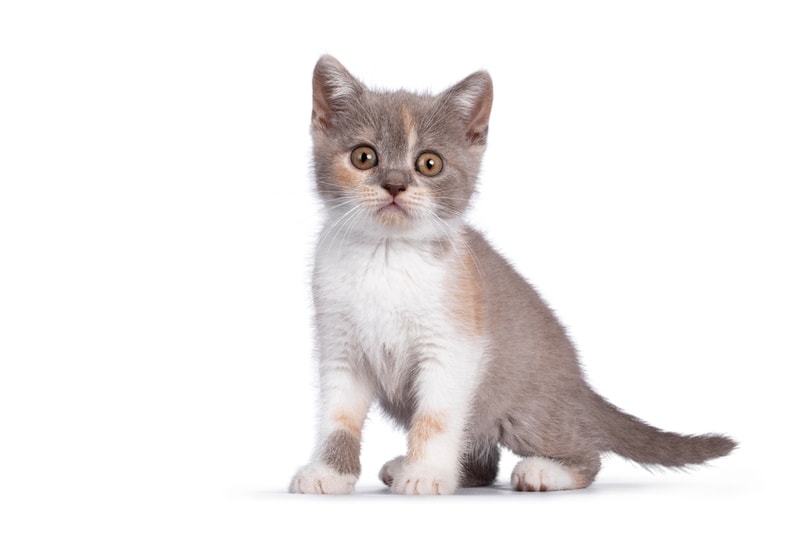
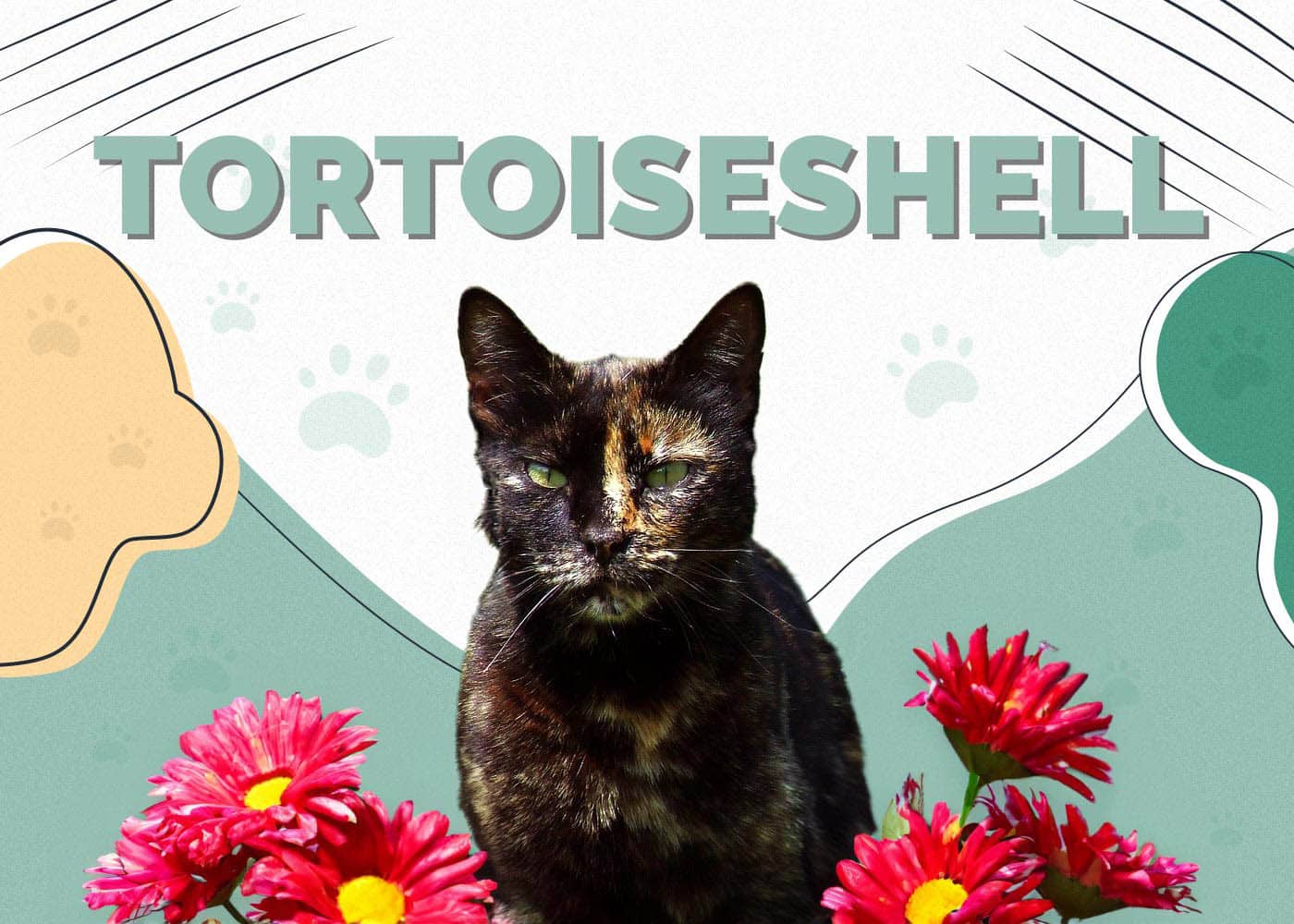
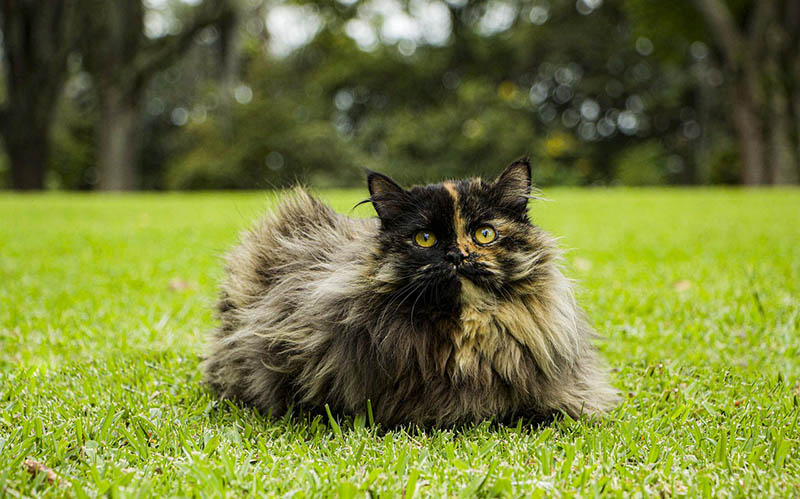
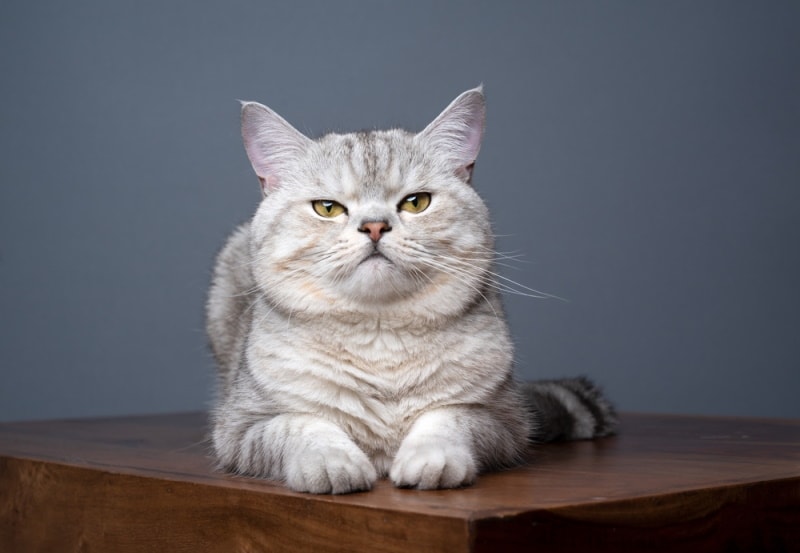
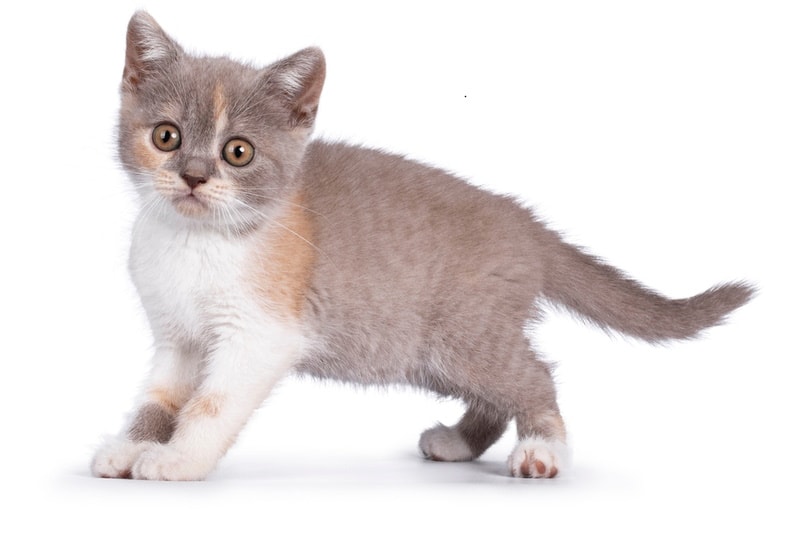
Tortoiseshell cats are noticeable for their stunning black and orange coat colors. The Tortoiseshell cat is not a breed but a unique color that can occur in multiple cat breeds. It often occurs in the British Shorthair, but it may also be seen in Persians, Siamese, and American Shorthairs.
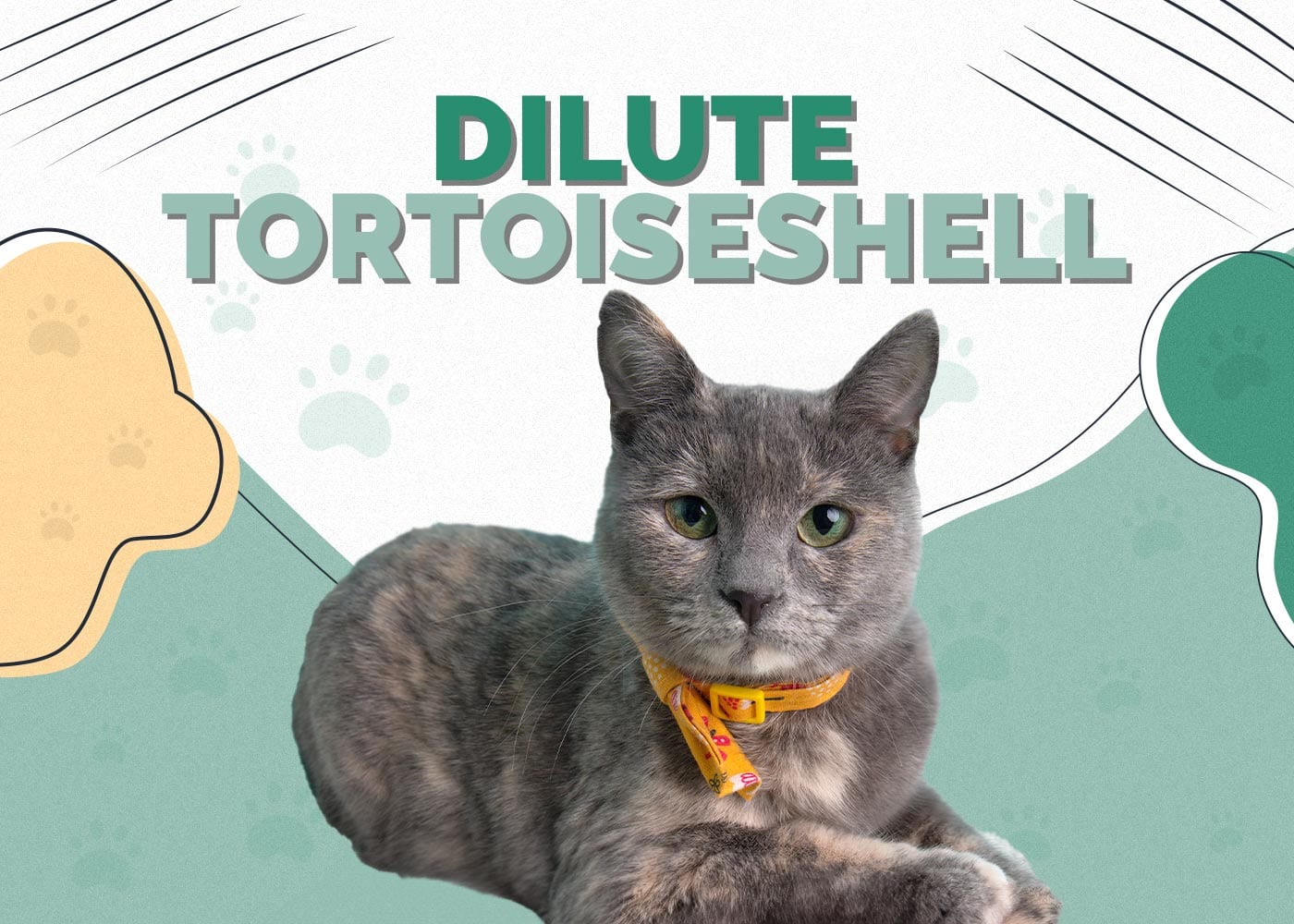
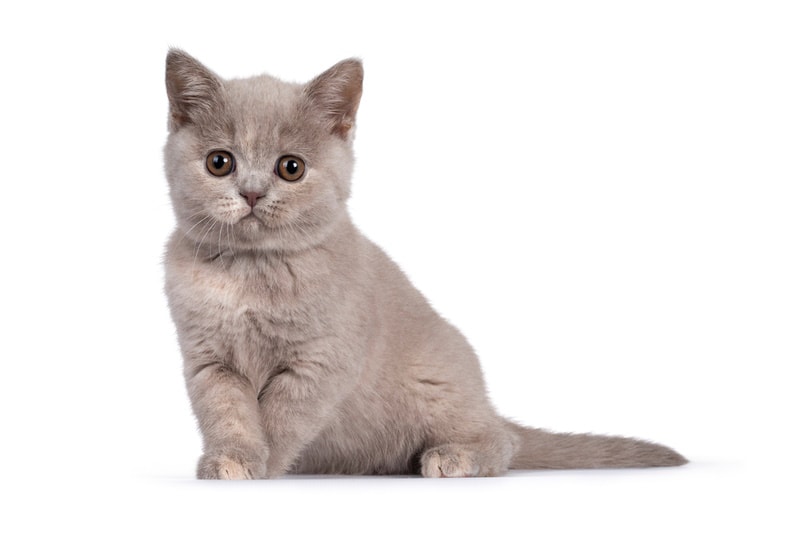
One of the variations of the Tortoiseshell coloration is the Lilac Tortoiseshell, which gives the coat a faint purple hue. Learn more about the Lilac Tortoiseshell cat and its history.

The Earliest Records of the Lilac Tortoiseshell Cat in History
Though the exact time when the Tortoiseshell first appeared remains unknown, there is folklore relating to the colors dating back centuries. In Southeast Asia, Tortoiseshell cats were believed to have come from the blood of a young goddess. In Japan, these cats are purported to protect the home from ghosts.
The Lilac Tortoiseshell is a modern genetic variation on the Tortoiseshell cat—a genetic mutation on its own. The coat color comes from a dilution of the orange and black pigment commonly seen in Tortoiseshells, marked by the OCA2 and TYRP1 genes.
How Lilac Tortoiseshell Cats Gained Popularity
Tortoiseshell cats are prized in many cultures for their folkloric connections to money, wealth, and protection. Though they’re not rare and can be found in multiple breeds, as well as in shelters or rescues, some people desire Tortoiseshell cats for their distinctive appearance.
Lilac Tortoiseshells are a rare mutation of the Tortoiseshell coloration, however, and can command a high price when they occur. Like other rare colors and patterns, some breeders aim to produce Lilac Tortoiseshells in litters for this reason.
The Personality of the Lilac Tortoiseshell Cat
Anecdotal evidence from Tortoiseshell cat owners led to a belief that these cats have extra attitude, known as “tortitude.” These owners believe that their cats have a quick temper and are more prone to hissing, biting, and chasing. There’s little existing evidence to suggest that this is common among Tortoiseshell cats, however, Lilac or otherwise.
Tortoiseshell cats likely present the same personality traits common to their breed rather than coat color. Still, there are associations between the personality and coat color in some other animals, including horses and foxes, so further research may reveal a connection.
Top 3 Unique Facts About Lilac Tortoiseshell Cats
1. Tortoiseshell Cats Are Named for the Upscale Material
In the US, tortoiseshell became a popular material for jewelry, glasses, and home décor in the mid-century. It was derived from real tortoises, leading to a decline in the population and a push for synthetic tortoiseshell materials. The cats gained this name because of their resemblance to the material.
2. Male Tortoiseshell Cats Are Extremely Rare
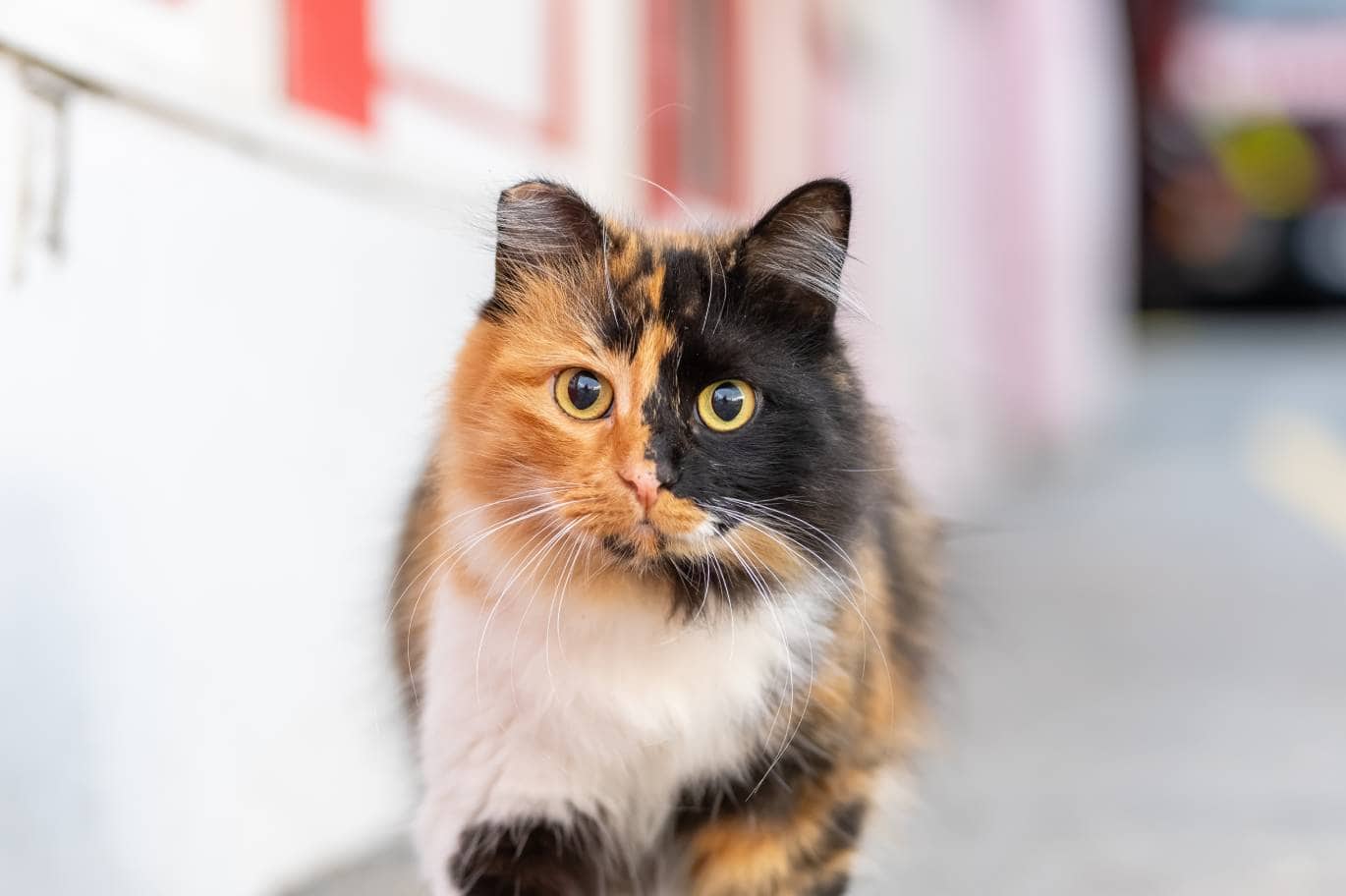
Like Calico cats, most Tortoiseshell and Lilac Tortoiseshell cats are female. The chromosomes that determine the cat’s sex also determine the coat colors, and females carry the genetic code for black or orange colors. The male sex chromosome doesn’t hold information on coat color, so they can only be orange or black. In rare cases, males are born with Tortoiseshell patterns, but they may have health problems.
3. Tortoiseshell Cats Have Unique Personalities
Despite some owners asserting otherwise, there’s no evidence that Tortoiseshell cats have any distinct personality traits compared to other coat colors. It’s more likely that the cat will take on the traits of the cat breed, such as the calm demeanor of a British Shorthair or the affectionate nature of a Persian.
Does the Lilac Tortoiseshell Cat Make a Good Pet?
Because the Lilac Tortoiseshell is a color and not a breed, whether it makes a good pet depends on other factors. It’s important to consider the breed itself and its traits, such as whether the breed is known for being aloof or affectionate, how vocal it is, and its tolerance of children or other pets.
It’s also important to consider the breeding. Because Lilac Tortoiseshells are rare, breeders are trying to produce more in their litters. Reputable breeders will still consider the health and temperament of the parent cats, but some may prioritize genetics to get the coveted coat color. Some genetic mutations can lead to health issues, so it’s important to be mindful of choosing the right breeder.
Final Thoughts
The Lilac Tortoiseshell is a beautiful color variation of the distinctive orange and black Tortoiseshell cat. As the original Tortoiseshell, Lilac color variations can occur in many different breeds of cat, but it’s far rarer and these cats are almost exclusively female.
See Also:
Featured Image Credit: Nynke van Holten, Shutterstock
Get Hepper In Your Inbox


Pet care tips from our vets and experts, straight to your inbox.
You may opt-out at any time. View our Privacy Policy for more information.

Nicole is a lover of animals of all sizes but is especially fascinated with the feline variety. She’s the proud mom of Baby, a Burmese, and works every day so he can relax in the sunshine or by the fire. She’s always had a cat in her home and has spent countless days with others, observing behaviors and softening up even the grouchiest of the lot. Nicole wants to share her kitty expertise with you so you and your cat can live happy, healthy, and care-free.
Join the conversation
Ask a question, share your story, or send private feedback.