Hepper is reader-supported. When you buy via links on our site, we may earn an affiliate commission at no cost to you. Learn more.
Liver Disease in Dogs: Signs, Causes & Treatment (Vet Answer)

In this article
The liver is a vital organ located in the abdomen, behind the diaphragm in dogs. It serves many critical functions for the body, some of which include:
Liver disease can be caused by many different things including (but not limited to) inherited abnormalities, infectious agents, toxin ingestion, and cancer.

What are the Signs of Liver Disease in Dogs?
The liver has an amazing ability to compensate for damage and it can even regenerate! Signs of liver disease typically don’t become apparent until more than 70% of the organ’s functional ability has been lost.
Dogs with early or mild liver disease may have no symptoms or non-specific signs of illness including:
Dogs with advanced liver disease are often very sick and clinical signs may be more obvious:

What Causes Liver Disease in Dogs?
As previously mentioned, many different things can lead to liver disease. We have separated them into congenital (present at birth), acute (sudden onset) and chronic (long-term) hepatitis.
This list is, by no means, exhaustive, but it covers many of the common causes of liver disease in dogs.
1. Congenital Conditions
The term congenital describes any condition that is present at birth. Congenital conditions can be inherited (i.e., passed genetically from parent to offspring), or a chance occurrence (i.e., abnormal development in-utero).
Examples include:
2. Acute Liver Disease
Acute liver disease comes on quickly. It can be the result of sudden damage to the liver, or an exacerbation of chronic liver disease.
Acute liver disease has many documented causes, some of which include:
3. Chronic Hepatitis (Inflammation of the Liver)
Many cases of chronic hepatitis are classified as idiopathic, meaning no specific cause is identified. However, it has been associated with some of the following factors:

How is Liver Disease Diagnosed in Dogs?
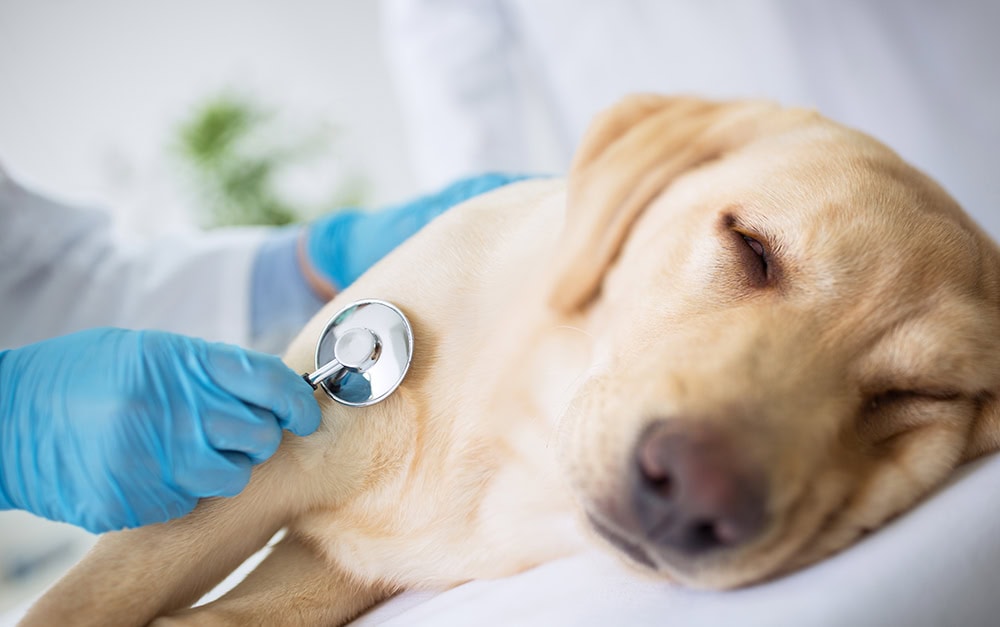
Your veterinarian may suspect liver disease if your dog has any of the clinical signs listed above. They will ask you questions to obtain a thorough history, perform a complete physical examination, and likely recommend blood and urine testing to start. Elevated liver enzymes on blood work will support their suspicion.
There are many additional tests that can be used to further characterize the type and severity of liver disease, which are discussed in detail here.
How is Liver Disease Treated in Dogs?
The exact treatment depends on the underlying cause of the liver disease.
Please do not attempt to manage liver disease on your own!
Veterinary support is critical to ensure the disease is addressed correctly and to monitor your dog’s response to treatment. Every patient is an individual, so it may take some time to determine the best therapeutic plan for your pup.
Treatment may include:
Commonly used products include:
It is important to note that nutraceuticals are generally not well-regulated. Veterinary supplements that have been studied specifically in dogs may be a better choice for pups with liver disease than over-the-counter products.
Specific Medications
Certain medications may be used in cases where a specific cause of liver disease is identified. Examples include antibiotics, anti-inflammatories, and immunosuppressants.
Supportive Care
It is important to manage symptoms that occur secondary to liver disease (e.g., nausea, stomach ulcers) in order to help your dog enjoy the best quality of life possible.
Can Dogs Recover From Liver Disease?
The liver is a highly regenerative organ with an amazing ability to repair itself. So, in some cases, the answer is yes. Leptospirosis and acetaminophen toxicity, for example, can have a favorable prognosis if they are identified and treated right away.
Negative outcomes may be more likely in dogs with:
Your veterinarian will be able to provide more specific advice based on your dog’s condition and response to treatment.
Conclusion
Liver disease can be caused by a variety of things and affects each dog differently. Prognosis depends on the exact cause of disease, but prompt diagnosis and treatment may offer a better chance for recovery.
Remember that regular veterinary check-ups are important for your pet’s health!
If you suspect your dog may have ingested something toxic, please seek veterinary attention immediately.
Featured Image Credit: SeventyFour, Shutterstock
Get Hepper In Your Inbox


Pet care tips from our vets and experts, straight to your inbox.
You may opt-out at any time. View our Privacy Policy for more information.
Dr. Sharon (as she is known by her clients) has had an intense love for animals for as long as she can remember. She grew up in Guelph, Ontario and fulfilled her childhood dream by obtaining her Doctor of Veterinary Medicine (DVM) degree from the Ontario Veterinary College in 2009. She has since found joy working in a variety of small animal clinics, focusing on cat and dog care. She loves sharing her expertise and empowering pet owners to take the best possible care of their fur babies!
Sharon currently lives in beautiful British Columbia with her husband, daughter, and Parker, her loveable Great Dane. When she’s not at work, she enjoys clogging, photography, and exploring the outdoors with her family.
Dr. Sharon (as her clients call her), was raised in Guelph, Ontario, and has loved animals for as long as she can remember. She fulfilled her childhood dream when she obtained her Doctor of Veterinary Medicine (DVM) degree. Sharon now lives in British Columbia, Canada with her husband, daughter, and Parker, their loveable Great Dane. When she’s not working, she enjoys clogging, photography, hiking, and camping with her family.
Education
Dr. Sharon obtained her DVM in 2009 from the Ontario Veterinary College in Ontario, Canada.
Experience
Dr. Sharon loves sharing her knowledge and empowering people to take the best possible care of their fur babies, which she has been able to do through her work. She has practiced in a variety of small animal clinics since graduating, with a main focus on cats and dogs.
Check out some of our top posts written by our veterinary team:
Why Does My Dog Snore? Should I Act?
My Cat Ate Paint! Our Vet Explains What to Do Now
How Common is Heartworm in Cats? 7 Things to Know About Heartworm Disease
Join the conversation
Ask a question, share your story, or send private feedback.