Hepper is reader-supported. When you buy via links on our site, we may earn an affiliate commission at no cost to you. Learn more.
Milk Thistle for Dogs: Vet Explained Benefits and Uses

In this article
You may have heard of the dietary supplement milk thistle, something that is often used to help both humans and dogs with liver disease. But what is milk thistle? Is it a safe supplement to use and are there any side effects?
This article explores the use of milk thistle in dogs as well as looking at some of the other health conditions it could potentially help in the treatment of.

What Is Milk Thistle?
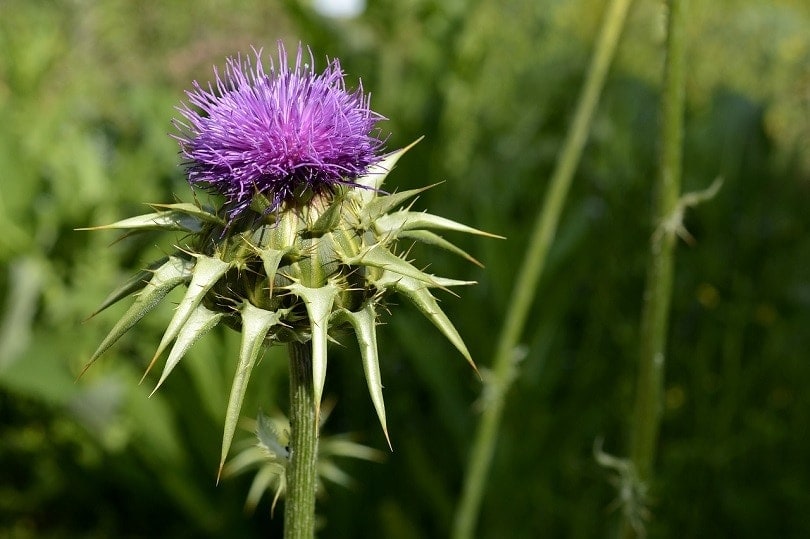
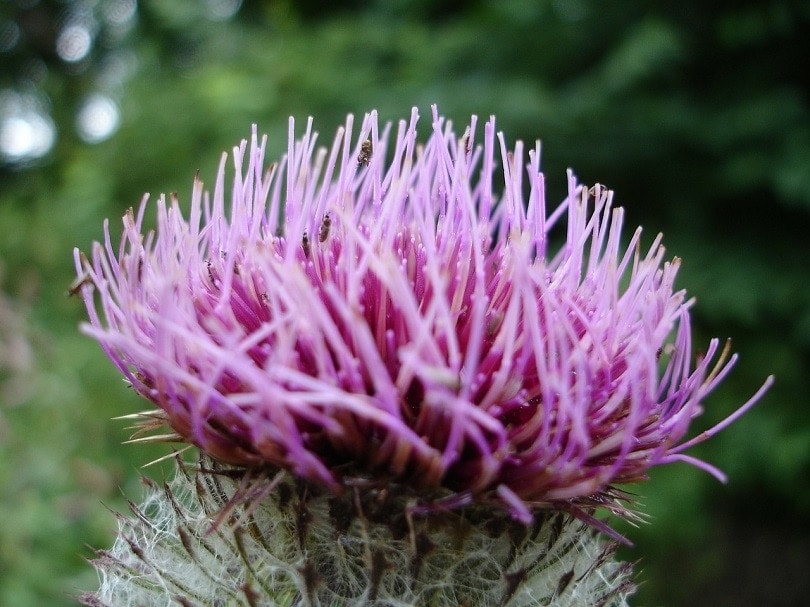
Milk thistle, also known as Silybum marinium, is a dietary supplement that is taken for its healing properties, particularly helping in cases of liver disease. It is made from the seeds of the prickly flower of the same name and has been used for many hundreds of years for its antioxidant and anti-inflammatory actions.
The active ingredient found in milk thistle is silymarin and most milk thistle products contain a standardized amount of this compound.
Milk thistle’s active ingredient, silymarin, is actually made up of four main compounds including silybin, isosilibyn, silycristine, and silydianin. Silybin is the most active of these compounds, which can be used in specific formulations such as for intravenous use in cases of mushroom toxicity.
Silymarin, and this active compound silybin, work as antioxidants helping protect against toxins and free radicals. They also increase protein synthesis in liver cells which helps with regeneration and healing, and they can also decrease the growth of certain tumors.
Milk thistle is a natural remedy used in people as well as our pets. More studies have been carried out in humans than dogs, so much of the evidence we use is taken mainly from human data.
What Can Milk Thistle Be Used for in Dogs?
Milk thistle is mainly used in dogs with liver disease as the chemicals it contains are helpful in the regeneration of hepatic (liver) cells. As such, it has been used in dogs with all sorts of liver complaints such as chronic hepatitis, liver cirrhosis, liver damage caused by toxins, and gall bladder disorders.
Milk thistle is also sometimes used in the following conditions:
This supplement should only be used as an aid in your dog’s treatment, not in place of any of the other medications or tests your veterinarian recommends. Make sure you follow your veterinarian’s advice and get a formal diagnosis of your pet’s condition first.
Benefits of Milk Thistle for Dogs
Milk thistle has the potential to help in several health conditions for dogs, based on studies carried out in people. Information can be conflicting though with some sources reporting positive effects when taking the supplement, and other studies claiming minimal/no benefits.
One such study compiled information from several clinical trials and showed that milk thistle did seem to have protective mechanisms. It seemed to help improve liver parameters when looking at the participants' blood test results, with minimal adverse side effects noted. However, the study did acknowledge that it is hard to interpret some of the data, given the very varied nature of people’s liver disease and the small sample sizes analyzed.

This paper published in 2020 showed very positive effects in studies for the treatment of liver disease but also in its use with patients suffering from type II diabetes, giving them better control over their blood sugar levels. However, this paper showed no encouraging response to milk thistle for their human patients suffering from chronic hepatitis C infection.
So, when we are thinking about our canine patients, we have to be aware of the limitations of our knowledge at this time, and that some types of liver disease may respond better to silymarin (the active ingredient in milk thistle) than others. As the side effects of milk thistle are low, trying this supplement is unlikely to do any harm and may give some positive outcomes but it is best used after a discussion with your veterinarian about your dog's individual health complaints.
Other studies show promise for milk thistle in different fields of human medicine. This paper, for example, explores the use of silymarin as a potential treatment for Alzheimer’s and Parkinson’s disease in people. It is also well known that dogs can suffer from dementia-type symptoms in later life so this use of milk thistle for cognitive (brain) function may in time prove useful for our elderly pets.

What Diseases Can Milk Thistle Be Used For?
1. Dog Liver Disease
Milk thistle can be used in the treatment of a variety of liver diseases such as cirrhosis (scarring) of the liver, chronic hepatitis (liver inflammation), toxin-induced damage, and gall bladder disorders. It helps stimulate the flow of bile from the gall bladder, as well as providing anti-inflammatory and antioxidant properties that help detoxify and cleanse the liver.
Dogs with liver cancer could also use milk thistle under guidance from the veterinarian, as can dogs suffering from Cushing’s disease (a hormonal condition that causes secondary liver issues).
2. Dog Diabetes
Milk thistle is thought to increase the body’s sensitivity to insulin, so can help in cases where a dog is becoming insulin resistant and their diabetes has become harder to control. It may help to reduce the amount of insulin a dog needs to be given.
3. Dog Kidney Disease
Can assist with kidney function and may help repair damage associated with diabetes.
4. Dog Cancer
Milk thistle can be used alongside conventional medications when treating certain types of tumors or cancer. It can help slow tumor growth by inhibiting cancer cell division and decreasing blood flow to tumors. Consult your veterinarian about its use alongside your dog’s normal cancer therapies, as it can interact with certain medications.

5. Mushroom Poisoning in Dogs
Some mushrooms can be toxic to dogs, causing damage to their liver if eaten. The death cap mushroom, for example, contains amatoxin, a poisonous substance that can be fatal. Milk thistle could help aid in their recovery, as it can in people too.
6. Dog Pancreatitis
It may help ease some of the symptoms of pancreatitis (inflammation of the pancreas)
7. Dog Allergies
Milk thistle’s natural anti-inflammatory properties may help with some dogs’ seasonal allergies, reducing their severity and perhaps decreasing the need for other allergy medications.

What Are the Symptoms of Liver Disease in Dogs?
Dogs with liver disease can show the following symptoms:
If your dog shows any of these signs, then you should speak to your veterinarian. These symptoms can also be seen in many different illnesses, so it is important to get a proper diagnosis of your pet’s condition.
The veterinarian will perform a physical examination of your dog and may advise blood tests. A basic blood test will look for any changes in your dog’s liver enzymes. If these are increased, it can be a sign that the liver is suffering from damage of some sort. Further tests can be recommended such as a bile acid stimulation test and a dynamic blood test, to see how well the liver performs when digesting food.
Diagnostic imaging, such as ultrasound and X-rays can look at the liver’s size, shape, and structure which can also help aid in getting more information. Sometimes a biopsy is advised to get a definitive diagnosis of the type of liver disease occurring.

Medications and treatment options can then be discussed based on the outcome of the diagnostic tests. Liver disease can be caused by all sorts of things such as toxins (eating something poisonous that has damaged the liver), cancers, infectious diseases, and disorders of the gallbladder (the area that stores bile). Milk thistle is something that might be used alongside other treatments, under your veterinarian’s supervision.
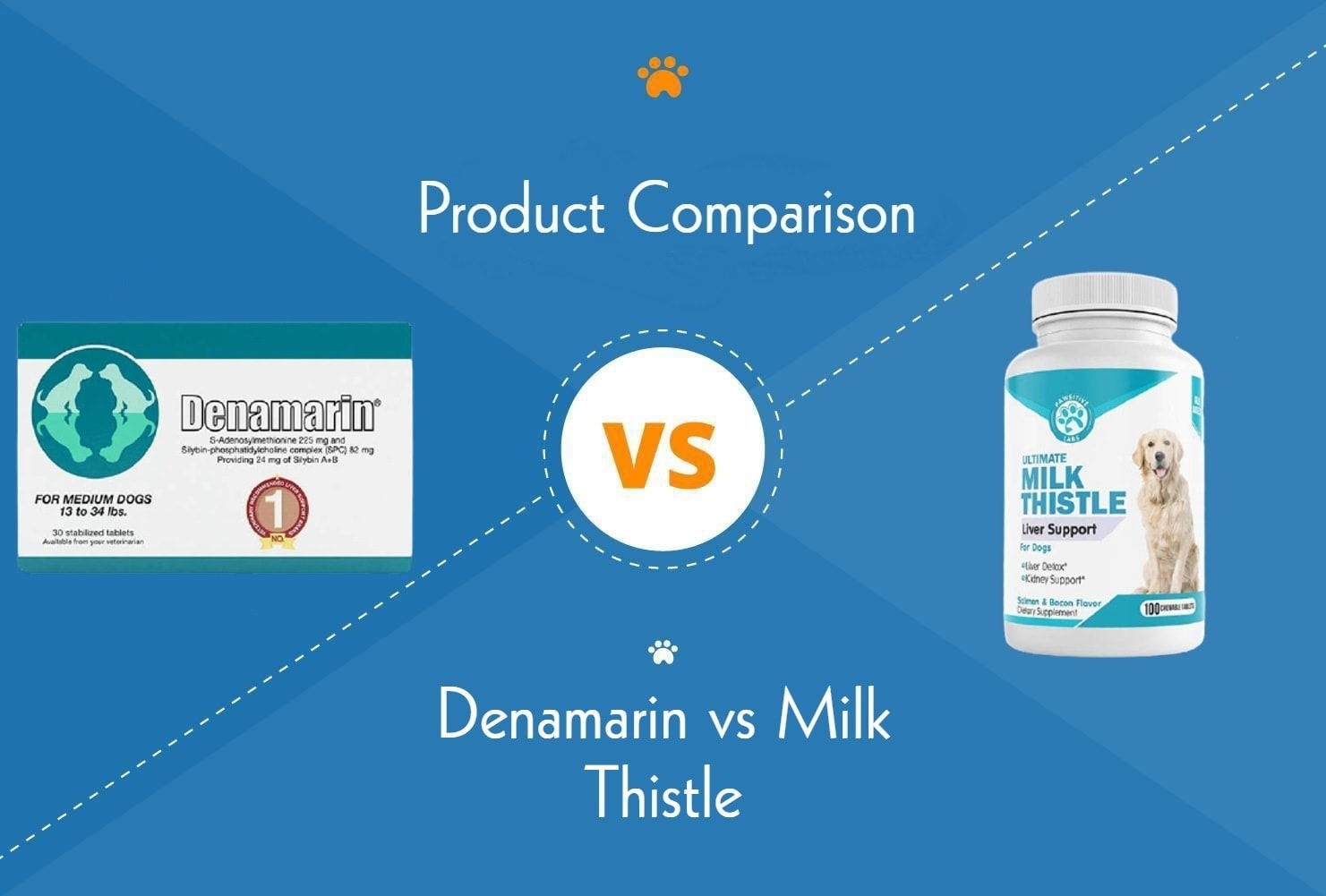
Another supplement that is used commonly in the treatment of liver disease is SAMe (S-Adenosyl methionine). Normally a healthy liver will produce enough of its own SAMe, but if it is diseased it may be struggling to do this. Supplementation can therefore help the liver to carry out its usual repair and regeneration mechanisms much more effectively. Again, your veterinarian will be able to advise you on this type of supplement and whether it is appropriate for your pet.

Using Milk Thistle in Dogs
Which dog supplements contain milk thistle?
There are many different supplements available that contain milk thistle, and most of these are reasonably priced. These products don’t require a veterinary prescription and as such can be purchased from many places including websites like Amazon and pet stores like Chewy. Look for a product that contains silymarin as the active ingredient. If you are not sure, discuss it with your veterinarian, as they may be able to make some suggestions.
It is worth noting that milk thistle is only a dietary supplement and therefore not under the same rigorous controls as drugs. Manufacturers don’t have to undergo trials for their supplement, so there is nothing to certify its safety or effectiveness.

How much milk thistle can you give a dog?
You should give a supplement that contains 70–80% silymarin (the active ingredient) so double-check the product to ensure that it contains an adequate concentration before administering it. Speak to your veterinarian about your dog’s condition and check the dosing guidelines on the packaging of the supplement you intend to use.
Milk thistle is available to buy in a variety of formulations including powders, capsules, drops, and tablets, so the exact dose to administer will depend on the formulation you purchase. You may want to consider which type your dog will take best when deciding on which product to buy. Some dogs are easy to tablet, whereas others will do better with milk thistle liquid or a powder that can be added to their food.
How long does it take milk thistle to start working?
There is no specific answer to this as it very much depends on the dog’s health condition as to if or when you are likely to see any improvements. Dogs with serious or chronic problems may need to be on milk thistle supplementation for a while before any noticeable improvement is made. As discussed earlier, it may be that different conditions respond more favorably than others- the research is quite limited at present.
Are there any side effects of milk thistle in dogs?
In human patients there are very few side effects, and similar seems to be true for dogs, though there haven’t been enough long-term studies to say for certain.
Some dogs may experience mild stomach upset with any change in diet or new supplement, so could experience loose stools or diarrhea initially. Usually, these symptoms resolve by themselves if the medication is being given at the correct dose. Your veterinarian can assist you if you are experiencing any problems.
It should not be given to a healthy dog as a preventative treatment or daily supplement, however, long-term use in this way is not advised.
Can it be dangerous to give milk thistle to dogs?
Milk thistle should not be taken during pregnancy in humans, so we would recommend the same in our canine patients—avoid its use during pregnancy and lactation. You should also seek veterinary advice if your dog is on chemotherapy medication, as milk thistle could enhance the potency of certain drugs, though it is unclear how significant this is at this stage.
For most dogs, though milk thistle is unlikely to be particularly dangerous, advice from a veterinarian should still be followed when it comes to managing your dog’s underlying health complaints.

Conclusion: Should I Give My Dog Milk Thistle?
Milk thistle has the potential to be a useful complementary therapy for many health complaints in both people and dogs. It should not take the place of seeking a formal diagnosis, however, and your veterinarian’s advice should be followed- particularly if they think there are other medications that your dog would benefit from.
Although firm evidence is lacking for dogs, milk thistle is unlikely to do your pet any harm and it may help to support them during their illness.
Related Reads:
Featured Image Credit: anncapictures, Pixabay
Get Hepper In Your Inbox


Pet care tips from our vets and experts, straight to your inbox.
You may opt-out at any time. View our Privacy Policy for more information.
Dr. Rebecca MacMillan, BVetMed MRCVS (Vet)
Rebecca is a companion animal vet who has always had a passion for writing and client communication. Since her graduation in 2009 from the Royal Veterinary college, she has gained an exceptional amount of experience in first opinion small animal practice, in both clinical and managerial roles. She currently deals with a variety of routine and emergency appointments, but particularly enjoys medicine cases. Outside of work and writing, she enjoys spending time with her family, including her bouncy flat-coated retriever, George!
Rebecca is a companion animal vet who has always had a passion for writing and client communication.
Education
Dr. Rebecca graduated from the Royal Veterinary College in London, UK, in 2009.
Experience
Since her graduation from RVC, she has gained a wealth of experience in first-opinion small animal practice, in both clinical and managerial roles. She currently works in the South West and deals with a variety of routine and emergency appointments, but particularly enjoys medicine cases. Outside of work and writing, she enjoys spending time with her family, including her bouncy flat-coated retriever, George!
Check out some of our top posts written by our veterinary team
Bump On a Dog’s Eye: Causes, Symptoms, and Care
How Common is Heartworm in Cats? 7 Things to Know About Heartworm Disease
Join the conversation
Ask a question, share your story, or send private feedback.