Hepper is reader-supported. When you buy via links on our site, we may earn an affiliate commission at no cost to you. Learn more.
13 Dog Breeds Prone to Liver Disease: Vet Reviewed Info



In this article
We all want our dogs to be happy and healthy, but some diseases can't be prevented. It’s our job as owners to look out for signs of possible diseases and get our dogs proper veterinary care as necessary. Knowing what diseases your dog breed is susceptible to can help you take better care of them. Here are a few of the most common liver diseases found in dogs and the breeds that are in the greatest danger of developing them.

The 9 Dog Breeds Prone to Chronic Hepatitis
Chronic hepatitis is one of the most common types of liver disease, and it affects many different breeds of dogs. Chronic hepatitis is a term used to describe when the liver is affected in the long term by inflammation and cell damage. It can be caused by many different starting causes but the results and impact on the liver are similar. Common signs are a swollen abdomen, drinking and urinating more, jaundice, diarrhea, weight loss, and a loss of energy or appetite.
Chronic hepatitis can occur at any point in life, from puppy to senior years, and the cause is often unknown. Infections, toxins, auto-immune conditions, and copper buildup are all possible causes, but there might also be a genetic component that affects susceptibility. A study of more than 100,000 dogs in the U.K. pinpointed nine breeds with a higher risk of chronic hepatitis.1
1. American Cocker Spaniel

An American Cocker Spaniel is ten times more susceptible to chronic hepatitis than the average dog with males more susceptible than females.
2. English Springer Spaniel

English Springer Spaniels are around 9.4 times as likely to be diagnosed. They also tend to be diagnosed slightly younger, at around 5 years of age. In the study, this breed had one of the youngest cases, diagnosed at just 14 months old.
3. Doberman Pinscher

Dobermann Pinschers are at a significantly higher risk of chronic hepatitis, about 7 times more likely than average. They are diagnosed at a median age of 5 years and 4 months.
4. English Cocker Spaniel

English Cocker Spaniels are 4.3 times as likely to develop chronic hepatitis. The oldest diagnosis studied was in this breed—a dog that was 14 years old.
5. Samoyed

Samoyeds are 4.3 times as likely to be diagnosed with this disease. They were among the oldest in the study, with a median age of about 10 years.
6. Great Dane

Great Danes have a moderately elevated risk of disease. They are about three times as likely to develop chronic hepatitis.
7. Cairn Terrier

The oldest average diagnosis in the study went to Cairn Terriers. These small dogs were diagnosed at a median age of 10 years, 2 months. They are 2.9 times more likely to develop this disease.
8. Dalmatian

Dalmatians have only a slightly higher risk, being 2.5 times as likely as the average dog to develop chronic liver disease. They did have the lowest median age of diagnosis in the study, however, at 4 years and 7 months. They also had the highest sex ratio of all elevated breeds, with 90% of the reported cases being female.
9. Labrador Retriever

Labrador Retrievers have a slightly elevated risk of chronic hepatitis, about twice as likely as an average dog. They tend to be diagnosed at about 8 years of age, which is about the average across breeds.

The 1 Dog Breed Predisposed to Canine Vacuolar Hepatopathy
10. Scottish Terrier
Canine vacuolar hepatopathy is a liver disease that causes small cavities to develop in the liver and fill with fluids. These cysts cause reduced liver function, and you might see signs like increased thirst, urinary tract infections, and hair loss. The liver might also appear enlarged on scans.

One dog breed is especially prone to this liver disease: the Scottish Terrier. These dogs are more likely to develop the disease as they reach middle age. Some forms of the disease progress slowly over many years, but others will quickly cause liver failure without treatment. It’s believed that Scottish Terriers are prone to this disease because of an increased risk of certain hormone imbalances.

The 3 Dog Breeds Prone to Glycogen Storage Diseases
Glycogen storage disease is the term for several different diseases that inhibit the enzymes that metabolize carbohydrates. These serious genetic disorders are generally fatal. Most vets recommend euthanizing puppies that have inherited a glycogen storage disease. Although there are many types, two are related to the liver, Type 1 and Type 3. Since these diseases are all genetically inherited, responsible breeding and genetic testing can prevent them. A genetic test is available that can identify carriers of Type 1 and 3 glycogen storage disease.
11. Maltese

Type 1A glycogen storage disease is primarily found in Maltese puppies and other toy-sized dogs with Maltese ancestry. It’s an autosomal recessive disease that causes stunted growth, an enlarged liver, and severe lethargy and weakness. Since dogs that inherit this disease can’t get enough energy from their food, they rarely survive more than 60 days.
12. German Shepherds
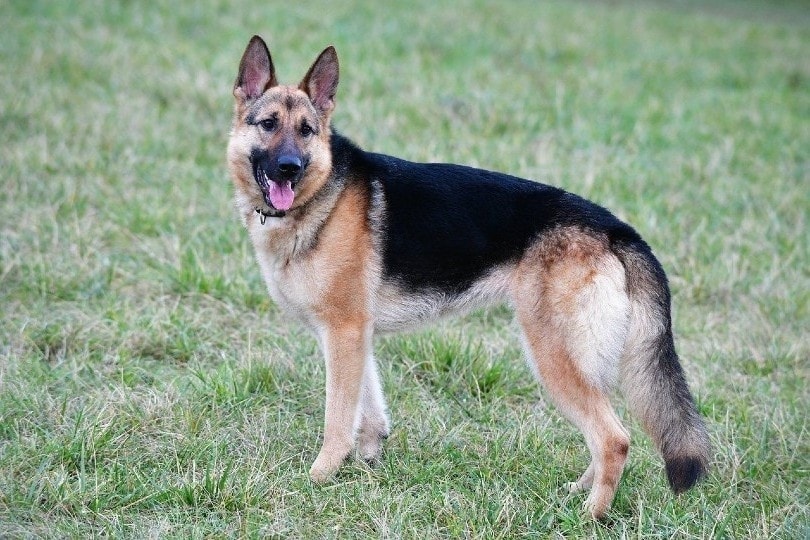
German Shepherds are prone to Type 3 glycogen storage disease. This recessive genetic disorder has slightly different causes than Type 1 but similar clinical signs. It causes glycogen buildup in the liver and muscles, and dogs with this disease have stunted growth, weakness, and hypoglycemia.
13. Curly-Coated Retrievers
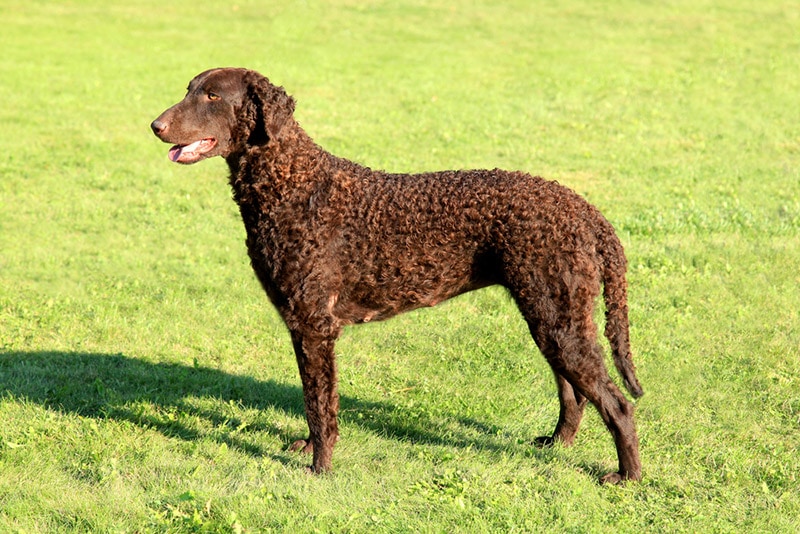
A variant of Type 3, called Type 3A, is found in Curly-Coated Retrievers. Dogs with this disease have all the same problems as dogs with Type 3 glycogen storage disease. They also have one additional sign: malformed cells in the liver, called hepatocyte glycogen vacuolation. This variation leads to rapid liver failure in puppies born with the disease. A genetic test is available.

Conclusion
Hepatitis is relatively common in dogs, but several different diseases can affect your pup. Chronic hepatitis, vacuolar hepatopathy, and glycogen storage disease all affect different dog breeds in various ways. If your dog is at high risk for liver disease, make sure to keep up on your vet visits and contact your veterinarian if something seems wrong.
Featured Image Credit: SeventyFour, Shutterstock
Get Hepper In Your Inbox


Pet care tips from our vets and experts, straight to your inbox.
You may opt-out at any time. View our Privacy Policy for more information.
Chelsea Flake Mortensen is a writer with a passion for pets. She grew up around everything from cats to chameleons and loves working with all kinds of animals. Chelsea has a BA in English and Creative Writing from Brigham Young University.
Chelsea loves reading, writing, sewing, and board games. She's lived in half a dozen US states and two countries. She is currently living in New England with her husband. Her articles have been featured in various magazines and literary journals for children and adults. Her writing has been translated into over 40 languages.
Join the conversation
Ask a question, share your story, or send private feedback.