Hepper is reader-supported. When you buy via links on our site, we may earn an affiliate commission at no cost to you. Learn more.
Male vs. Female Pugs: Key Differences (With Pictures)
In this article
The undeniable clowns of the canine world, Pugs are short, snorty, and impossible not to love. But after doing your research and learning that a Pug is the perfect dog breed for you, the only question left to ask is what gender to get.
While there aren’t huge differences between male and female pugs, there are a few distinctions to take into careful consideration.
Thankfully, we’re here to help! We’ve put together this handy-dandy guide highlighting all of the differences between the two genders, including size, temperament, and trainability. So, let’s dive right in to find out what gender is the ideal pet Pug for you.

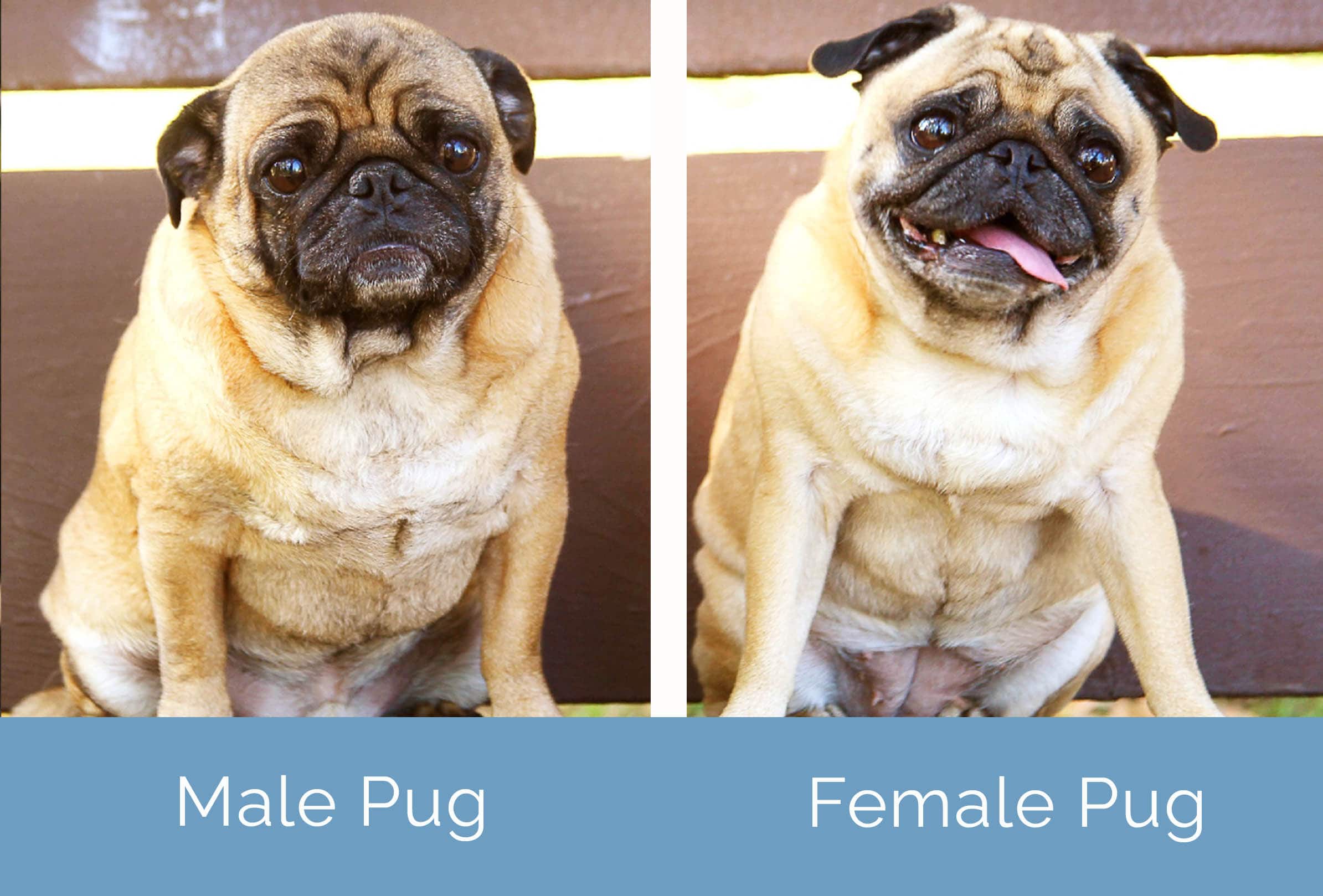
Visual Differences
At a Glance
Pug 101
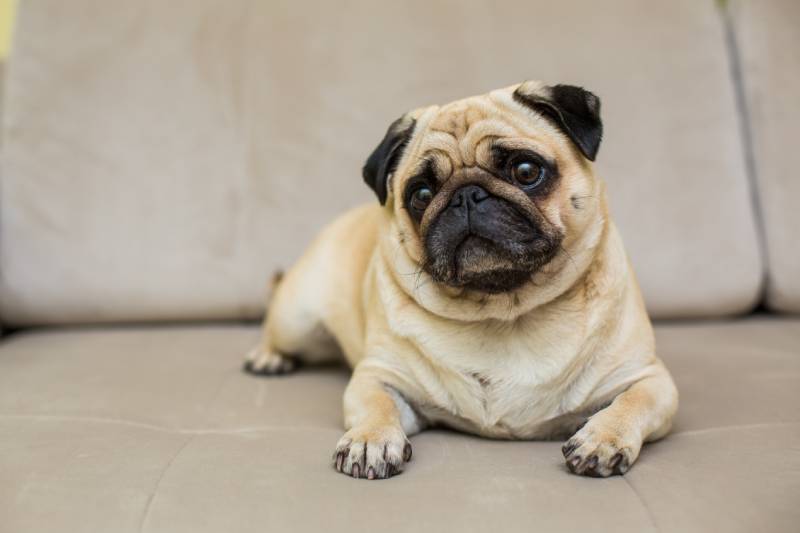
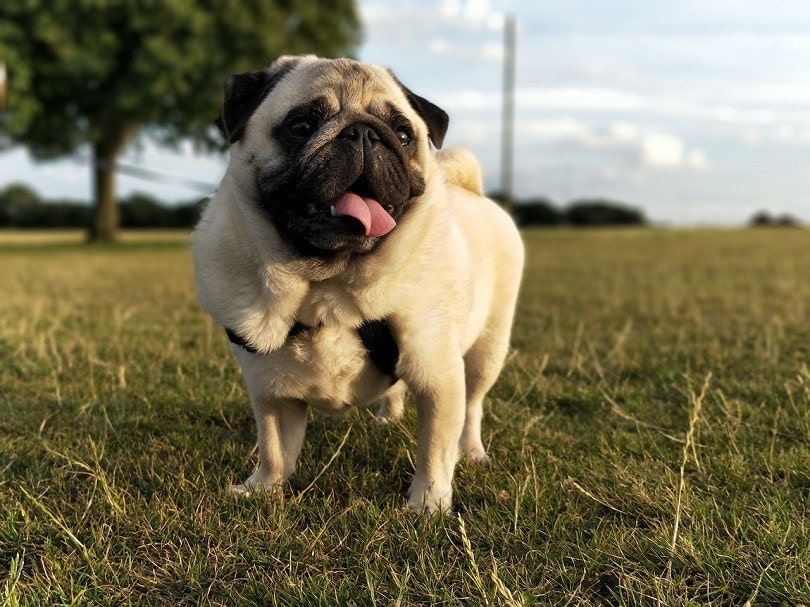
Pugs are short, compact domestic dogs with smooshed-in faces. Due to their unique facial structure, this breed is not well-suited for owners who love high-intensity activities, such as running or hiking. Too much activity or heat can cause Pugs to overexert themselves and lead to breathing troubles.
However, if you’re in the market for a little lap dog, the Pug might be perfect for you. These fun-loving dogs do well with other pets and even small children. Pugs thrive in smaller homes and apartment settings and don’t require tons of daily physical exercise. With early socialization and training, a Pug puppy can grow up to be a loyal and loving canine companion.
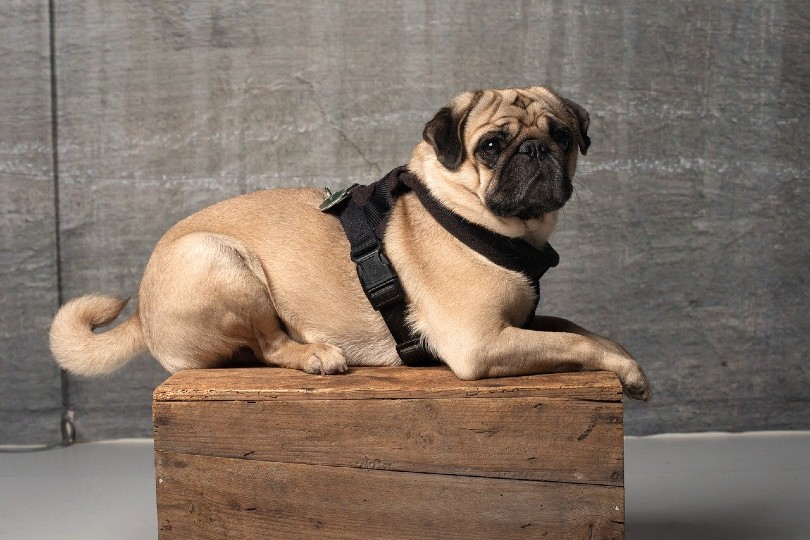
Male Pug Overview
Personality / Character
A bit larger than his female counterpart, the male pug is laidback and affectionate. Tougher to train than girl Pugs, the male Pug can be stubborn and has a short attention span. Consistent, short training sessions work best for the boys of this breed.
Male pugs are also less aggressive than females, who are quicker to nip. If you have young tots who don’t quite understand boundaries yet, a male Pug might be the better option.
Training
As we previously mentioned, male Pugs are more challenging to train than females. Despite being a smart dog, a Pug’s stubbornness can get the better of him. He can quickly lose interest in a training session and entertain himself with other distractions. Short, consistent training sessions are key to properly socializing and training your male Pug. Use high-value treats, offer plenty of praise, and routinely work with your Pug to transform him into a well-behaved dog.
Health & Care
One of the main differences between male and female Pugs is what’s between their legs. To curb your male Pug’s hormones and desire to hump, neutering him is highly recommended. Male Pugs typically live as long as females do, reaching a lifespan of up to 12 to 15 years. A high-quality diet, routine vet visits, and moderate physical exercise will keep your boy Pug in tip-top shape. All Pugs are prone to skin allergies, breathing problems, hip deformities, and infections. However, male Pugs are more prone to bone and joint disorders than females are because of their larger body mass.
Breeding
It’s certainly simple to breed a male Pug! All you have to do is introduce him to a female in heat and let him work his magic. Always supervise the breeding to ensure both dogs remain safe.

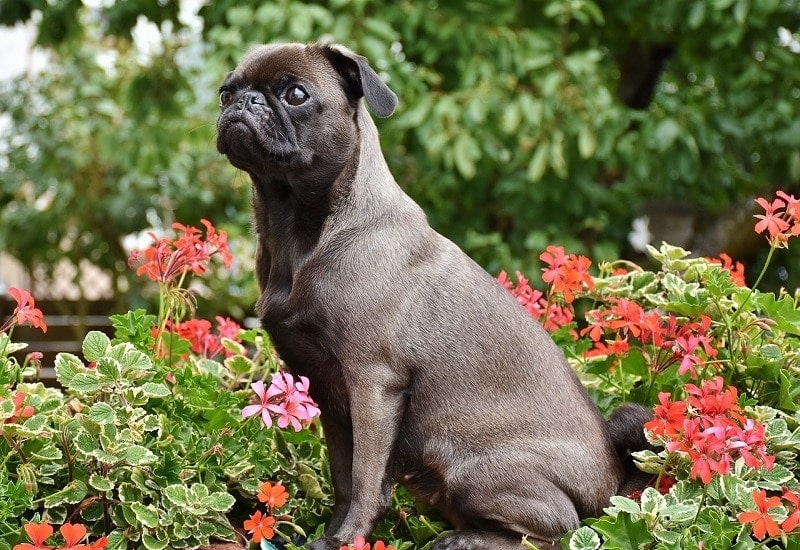
Female Pug Overview
Personality / Character
Female Pugs are charming, sassy, and downright adorable! This little lady certainly has a big attitude and she’s not afraid to show it. Girl Pugs can be more aggressive than males and can be a bit bossier. If you don’t establish your ranking of top dog from day one, this little princess can quickly have you wrapped around her paw.
Training
Female Pugs are easier to train than males. However, girl Pugs can still be stubborn. Consistent, positive reinforcement training techniques using tons of treats and lots of praise will ensure your girl Pug pays attention and obeys you. Never use harsh training methods on either gender.
Health & Care
Female Pugs can live for 12 to 15 years. Like male Pugs, females can develop rashes, infections, hip deformities, and have trouble breathing on hot days. Girl Pugs that aren’t spayed are more likely to develop misshaped backbones. This can happen during pregnancy due to the added pressure on the spine from carrying around a litter of puppies. After labor, your little girl Is likely to become strong again.
Breeding
You can breed a female Pug when she is in heat. The best time for breeding is between the 10th and 14th day of estrus. You can determine this with a simple blood or vaginal test. During breeding, keep a vigilant eye on both dogs to ensure they stay safe and calm. Do not constantly breed your female Pug. This can take a toll on her health and happiness.

Which Gender Is Right for You?
Though both male and female Pugs are wonderful little dogs, the two genders do have their differences. Males are more laid back but harder to train. Female Pugs are highly trainable yet can be more territorial and aggressive.
Whatever gender you choose, you can rest assured that your Pug will be a fantastic pet for years to come!
Related Read: 10 Pug Pros And Cons: What To Know Before You Get One
Featured Image Credit: (L) rangtheclick, Shutterstock | (R) Yekatseryna Netuk, Shutterstock
Get Hepper In Your Inbox


Pet care tips from our vets and experts, straight to your inbox.
You may opt-out at any time. View our Privacy Policy for more information.

Nicole is a lover of animals of all sizes but is especially fascinated with the feline variety. She’s the proud mom of Baby, a Burmese, and works every day so he can relax in the sunshine or by the fire. She’s always had a cat in her home and has spent countless days with others, observing behaviors and softening up even the grouchiest of the lot. Nicole wants to share her kitty expertise with you so you and your cat can live happy, healthy, and care-free.
Join the conversation
Ask a question, share your story, or send private feedback.