Hepper is reader-supported. When you buy via links on our site, we may earn an affiliate commission at no cost to you. Learn more.
12 Usual Maltipoo Health Issues to Look Out For



In this article
Generally, Maltipoos are a healthy breed. They can live up to 15 years or longer and have a fulfilling life with minimal health concerns. However, like any dog breed, there are some complications for which the Maltipoo is at a higher risk.
If you own a Maltipoo or are thinking of bringing one home, you will want to brush up on the medical conditions your dog may experience. In this article, we will go over 12 common health issues that Maltipoos experience, as well as how these issues are treated.

The 12 Common Maltipoo Health Issues
1. White Shaker Syndrome
This condition is called White Shaker Syndrome because it predominantly affects white dogs; however, dogs with other coat colors have been affected in recent years.1 When a dog experiences White Shaker Syndrome, it will have tremors throughout its entire body. Although it is not believed to cause pain, it is still difficult to live with.
It is believed to be an autoimmune disorder. If a Maltipoo has White Shaker Syndrome, signs will likely appear when it is 6 months to 3 years old. The tremors will persist for days if not treated and grow progressively worse.
How to Treat
Medication, typically an immunosuppressive dose of steroid, will be needed to manage the tremors, so most afflicted Maltipoos will require regular doses for rest of their lives. Monthly check-ups will be necessary to ensure that your Maltipoo receives the best care and quality of life.
2. Dental Issues
There are several dental issues that your Maltipoo may develop. Dental issues are a common problem among all dog breeds, as 80% of dogs will develop periodontal diseases before their third birthday.3 Dogs rarely show signs of dental pain, so it is important to pay close attention to any troubling signs.
If your Maltipoo has bad breath, loose teeth, red or bloody gums, lumps in the mouth, or difficulty eating, it may suffer from some dental problems.
How to Treat
Depending on your dog’s dental issues, the treatment may vary. The best way to avoid periodontal disease is to use preventative measures.
Regularly brush your dog’s teeth and make a plan to maintain its dental health. Serve high-quality food, provide dental chews, brush your dog’s teeth daily, and schedule yearly dental exams.
3. Collapsed Trachea
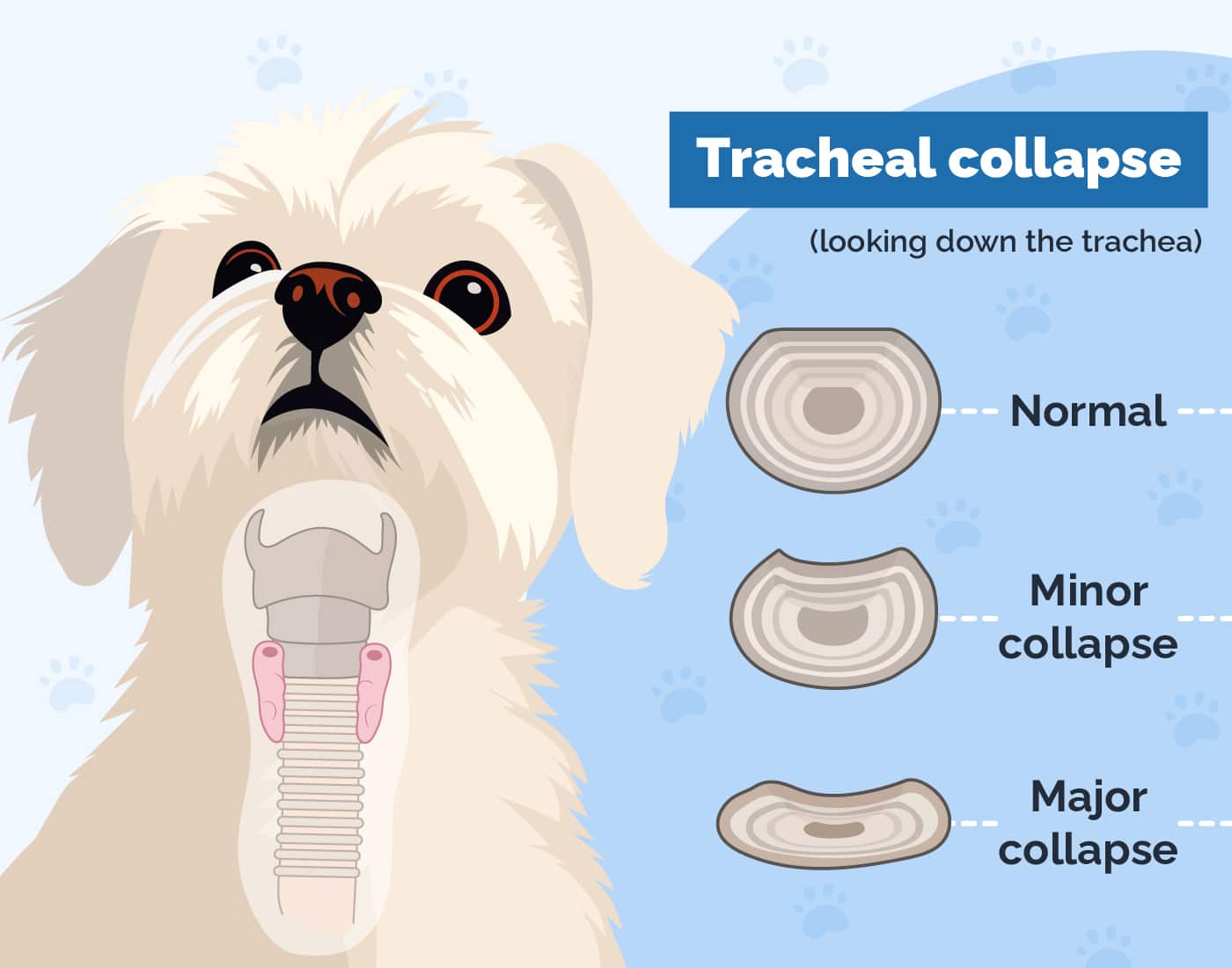
The trachea is the main airway that transports oxygen to your dog’s lungs. When a dog has a collapsed trachea, this vital function is impeded.2
Small-breed dogs are at a higher risk for collapsed tracheas. It is unclear what causes the trachea to collapse, but it is believed to be influenced by congenital issues, environmental factors, and coinciding illnesses.
The easiest way to determine if your dog has suffered a collapsed trachea is to listen for excessive coughing. If your Maltipoo coughs more often and the coughing sounds strange, like a goose’s call, it may indicate that its trachea may have collapsed.
How to Treat
The first step of treatment will be medications and environmental treatments to minimize symptoms and manage your Maltipoo’s condition. If those options do not work, an airway stent may be placed to help keep the trachea from collapsing.
4. Luxating Patella
If your Maltipoo is suffering from a luxating patella, it has a dislocated kneecap.4 In small breed dogs, this is most often a shift inward or toward the opposite leg. A genetic predisposition generally causes it, but it can also be caused by trauma.
Signs that your Maltipoo may have a luxating patella include limping, standing with a bow-legged stance, and hunching the lower back. You may also hear cracking or popping sounds when your dog walks.
How to Treat
In some instances, anti-inflammatory medications, rest mandates, and weight loss plans will improve your dog’s condition. In other cases, surgery may be necessary. The level of treatment will depend on the severity of the case.
5. Progressive Retinal Atrophy (PRA)
Progressive Retinal Atrophy, or PRA, is a condition where the photoreceptor cells in your dog’s eye deteriorate over time. Although it is not a painful condition, it can eventually lead to blindness.
One of the first signs that your dog has developed PRA is night blindness. If your dog suddenly seems frightened at night, apprehensive about entering dark places, or clumsy when there is no light, it could indicate that their PRA is progressing.
How to Treat
Unfortunately, there is currently no treatment for PRA. Supplements may be prescribed to your dog to reduce strain on the lens and combat the formation of cataracts.

6. Allergies
Maltipoos may be at a higher risk of developing allergies. Dogs may develop allergies to fleas, food, or environmental allergens. Signs that your dog is allergic to something in its environment include itchiness or redness of the skin, constant scratching or licking, recurring skin or ear infections, gastrointestinal distress, and fur loss.
If you suspect your dog has an allergy, you can ask your vet to perform an allergy test if the allergy is related to seasonal allergies. There are currently no allergen tests for fleas or food.
How to Treat
The type of allergy will determine the treatment your dog will need. For fleas, you may need to purchase flea protection products, whereas for food, you will need to modify your dog’s diet. The best way to find the right path to treatment is to consult your vet who can recommend a specific diet trial.
7. Hip Dysplasia
Hip dysplasia is most common in large-breed dogs but can happen in any size dog. This condition occurs during the growth stages when there is a deficiency in the development of the hip that could lead to improper function and pain.
Symptoms of hip dysplasia include limping, difficulty standing, running strangely, irregular sitting positions, and having trouble climbing or jumping. You may also hear a popping sound when your dog moves its legs.
How to Treat
Depending on your dog’s case, your vet may recommend surgery, or they may use a combination of medical supplements, dietary changes, physical therapy, and weight management to treat the disease.
8. Seizures
Maltipoos may be at higher risk of seizures. What a seizure looks like may vary from dog to dog, but generally, there are some standard signs. Your dog may become stiff, fall over, drool excessively, and paddle its feet. It may also urinate and defecate uncontrollably. These seizures will usually last from 30–90 seconds.
Seizures are normally followed by periods of confusion, disorientation, and increased thirst or appetite. Recovery may be quick, but it can also take as long as 24 hours.
How to Treat
The cause of the seizure will influence the type of treatment your vet recommends. For example, surgery could be indicated if a brain tumor is causing the episodes. But if epilepsy is the cause, a dog may likely need to be on life-long anti-epileptic drugs.
9. Hypothyroidism
Hypothyroidism is an endocrine condition. If your dog has hypothyroidism, its thyroid hormones are being produced at a decreased rate. This condition is usually due to inflammation or deterioration of the thyroid glands. At this moment, it is uncertain why this inflammation or deterioration occurs, although there is a genetic component.
Signs that your dog may have hypothyroidism include weight gain, lethargy, frequent skin and ear infections, brittle coat quality, and the inability to regrow shaved hair.
How to Treat
Hormone therapy will be necessary to manage this condition, and your Maltipoo will need to take oral thyroid hormone supplements for the rest of its life. Although this disease is not curable, it is manageable.

10. Arrhythmia
Arrhythmia, or irregular heartbeat, is a heart condition that affects several breeds, including Maltipoos. It is a fairly common condition and is sometimes mild enough to manage with veterinary care. Occasionally, your Maltipoo may experience an abnormal heartbeat and have no other problems. However, there are times when arrhythmia is a cause for concern.
Arrhythmia can also be a sign of an underlying condition, such as gastrointestinal conditions, respiratory disease, or cerebral disorders. Your vet will likely investigate the root cause if the irregular heart rate persists.
How to Treat
If there is an underlying condition that is causing the arrhythmia, your vet will treat that, and the arrhythmia should go away. Activity restrictions and weight management plans may be necessary.
11. Legg-Calvé-Perthes Disease
Legg-Calvé-Perthes Disease is a sudden deterioration of the head of your dog’s femur bone. As this condition progresses, your dog’s hip joint will degenerate, leading to inflammation of the bone and joint.
The cause of this disease is unknown. It is common in small breed dogs and can cause lameness, pain, and deterioration of the thigh muscles. Most dogs impacted by this condition will experience the onset at around 5–8 months of age.
How to Treat
Surgery and intense physical therapy are generally required. There may be follow-up exams and dietary restrictions as well.
12. Addison’s Disease
Addison’s Disease is also known as hypoadrenocorticism. If your Maltipoo’s adrenal glands do not create enough corticosteroid hormones, it may have Addison’s Disease.
Corticosteroids are key to managing your dog’s stress levels. If your dog is unable to manage its stress levels, the smallest of stressors can lead to huge health issues, such as an Addisonian crisis. An Addisonian crisis is when your dog with diagnosed Addison experiences sudden weakness, gastrointestinal illness, and possibly collapse.
How To Treat
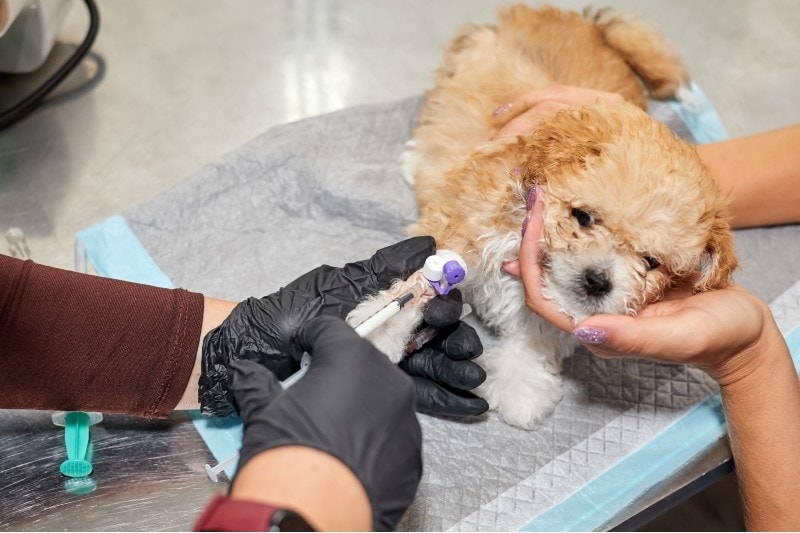
Intravenous fluid therapy is used to treat an Addisonian crisis. When treating Addison’s Disease, frequent blood work and medications may be needed. This condition cannot be cured, but it can be managed to help your Maltipoo live a high-quality life.

Summary
Although Maltipoos are considered generally healthy dogs, they are vulnerable to a few health concerns that they may be predisposed to. If you ever suspect that your Maltipoo is showing signs of one of these illnesses, reach your vet immediately. The sooner your vet can diagnose and treat the condition, the sooner your Maltipoo can return to living its happiest, healthiest life.
Related Read: What Is the Price of a Maltipoo?
Sources
Featured Image Credit: Elena Bennett, Shutterstock
Get Hepper In Your Inbox


Pet care tips from our vets and experts, straight to your inbox.
You may opt-out at any time. View our Privacy Policy for more information.
Pets are Jordyn’s passion, cats especially. Whenever she has the opportunity, she loves to learn about them and share her knowledge with everyone. She is devoted to her tabby cat named Jack and works hard to buy him his favorite treats and toys. Discovering new ways to better care for her pet is always on her to-do list, and she is eager to help pet parents everywhere who have similar pursuits. In her spare time, she loves to read, write, and take long walks. She has a creative spirit, which often helps her to come up with funny cat names.
Join the conversation
Ask a question, share your story, or send private feedback.