Hepper is reader-supported. When you buy via links on our site, we may earn an affiliate commission at no cost to you. Learn more.
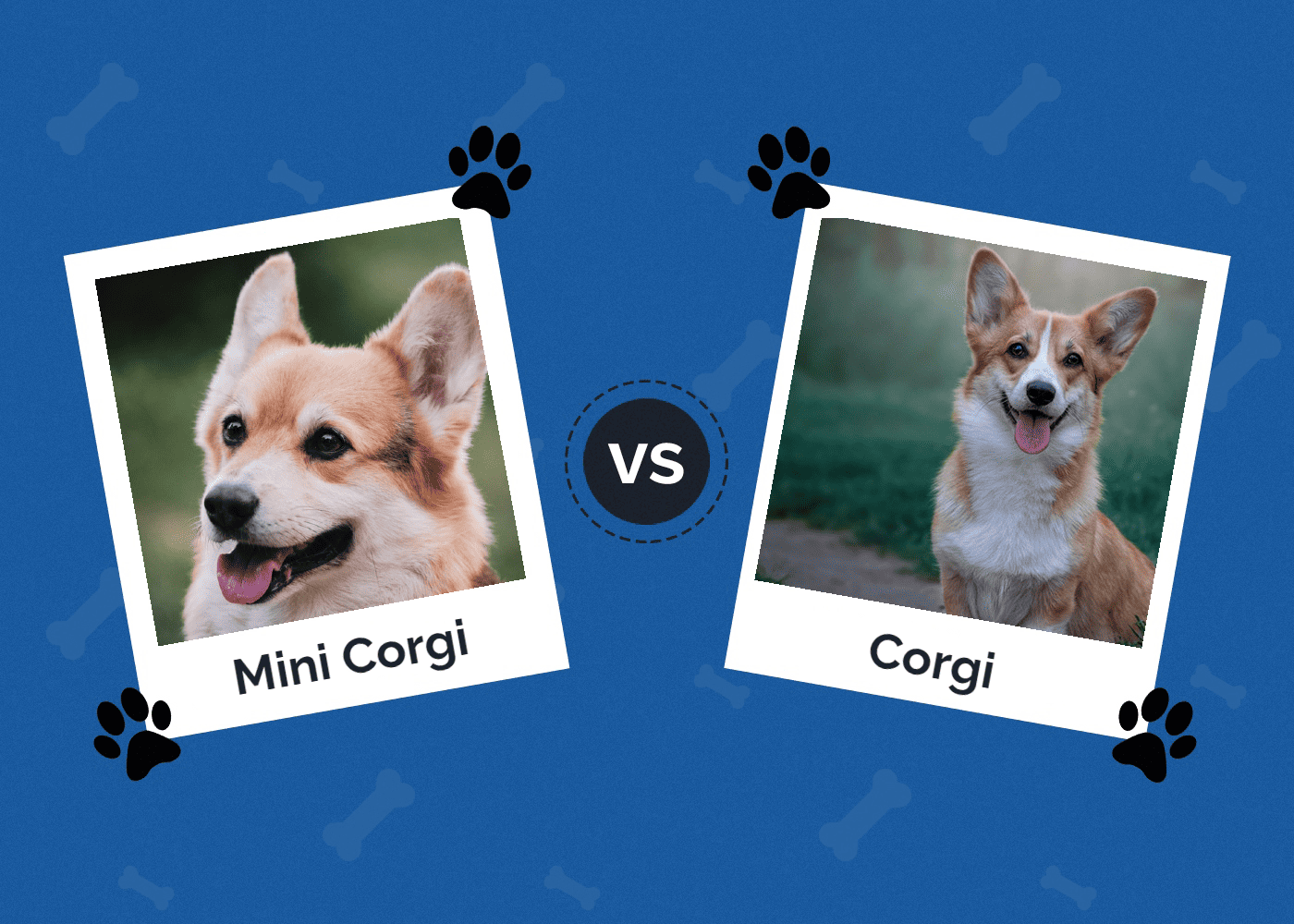
Mini Corgi vs Corgi: Key Differences (With Pictures)
In this article
The Corgi was originally bred to herd livestock on farms but has become popular as a pet. These are active and intelligent dogs that love outdoor adventures and strive to please their human companions. Nowadays, there is a smaller version of the dog being bred, called the Mini Corgi. So, what’s the difference between the Corgi and the Mini Corgi? As it happens, it’s not much aside from their size. Read on to learn more.

Visual Differences
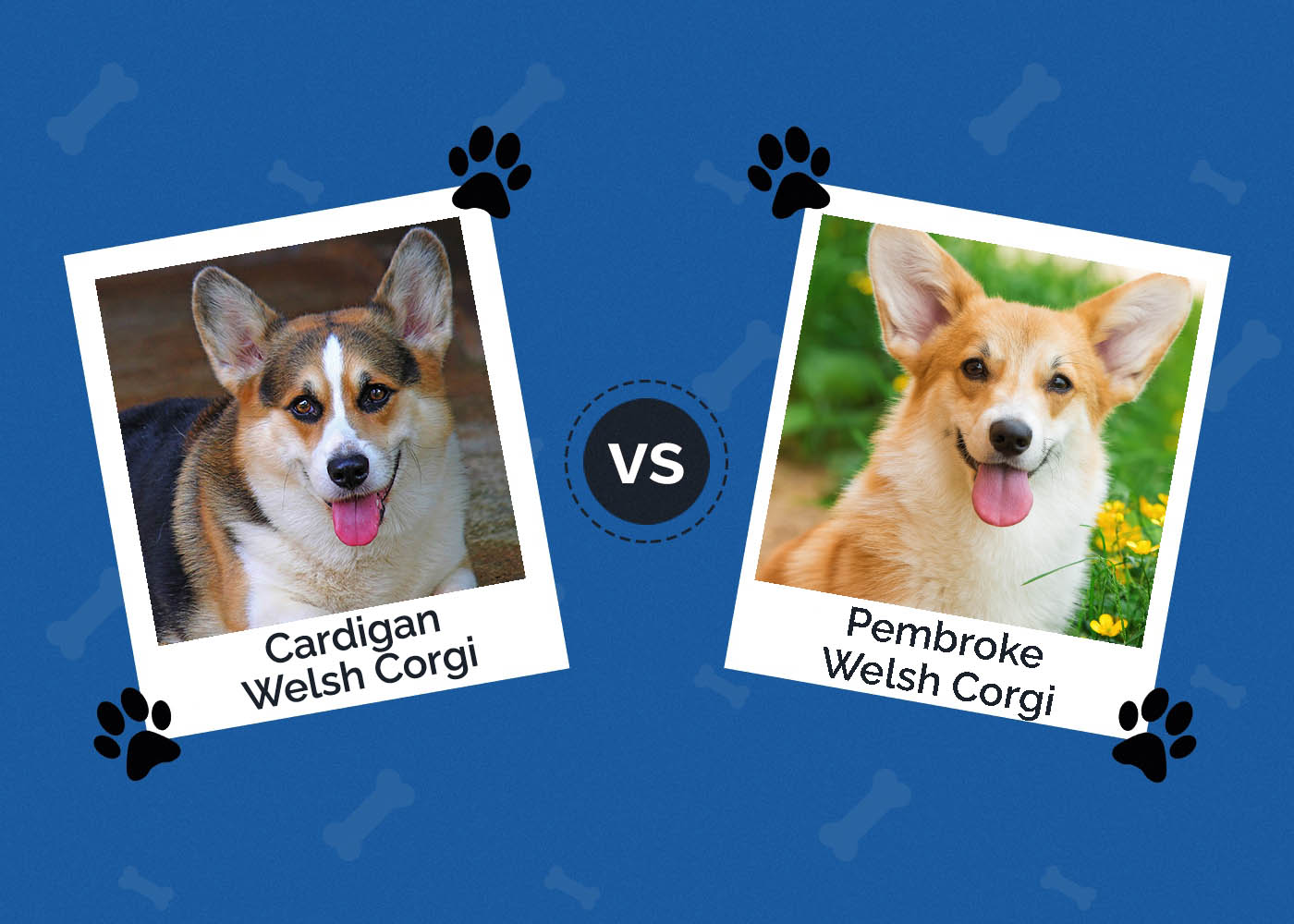
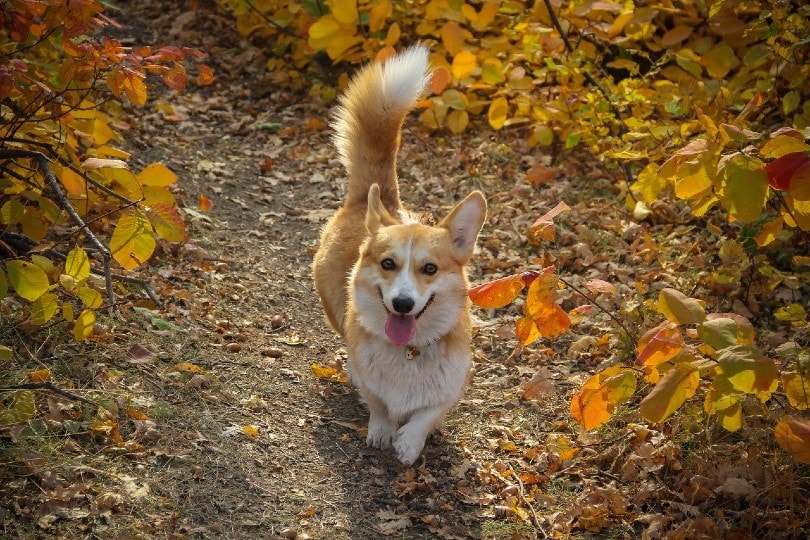
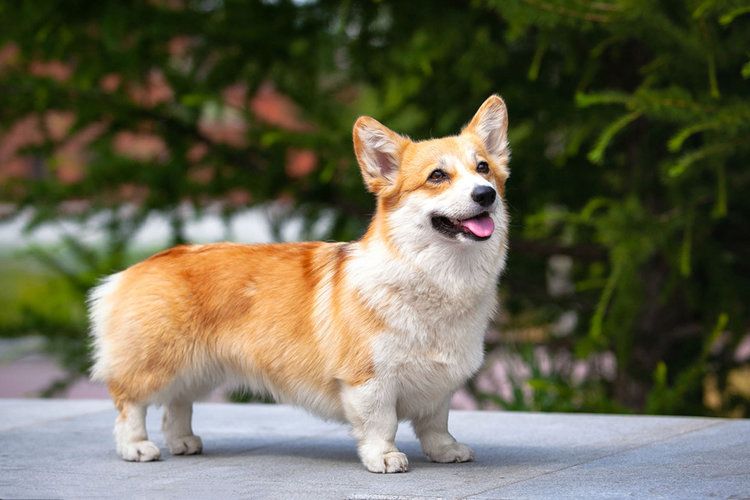
There are two different kinds of Corgis: the Cardigan Welsh Corgi and the Pembroke Welsh Corgi. They are extremely similar dogs, albeit completely different breeds. Both are considered dwarf breeds and have long bodies with short, stout legs.
They both have upright ears, but the Cardigan Corgi’s ears are a little larger than the Pembroke’s. The Cardigan’s tail is long and furry, while the Pembroke’s is short and close to the body. Pembroke Corgis are squarer and more linear, whereas Cardigan Corgis tend to be rounder and curvier in structure.
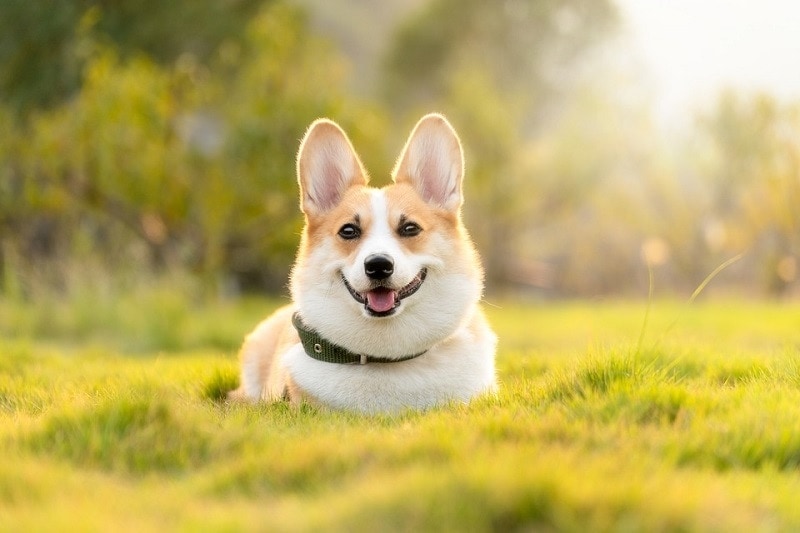
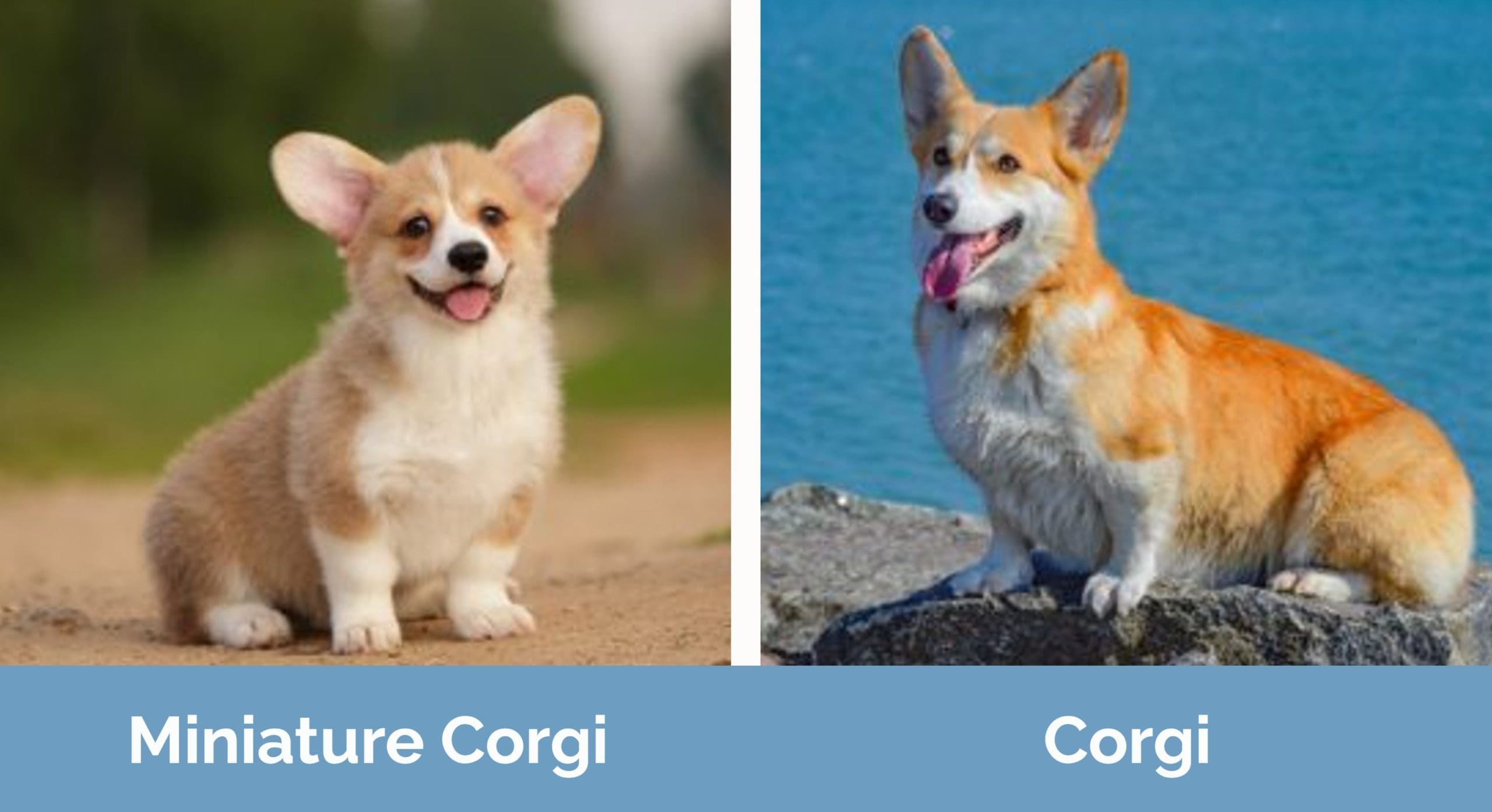
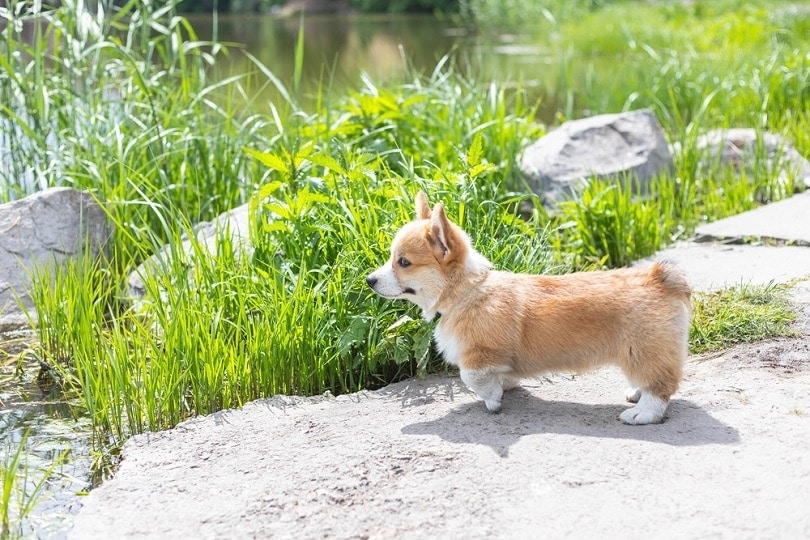
A Mini Corgi can be either a Pembroke or a Cardigan. The type of Corgi that they are will dictate their specific visual appearance. However, whether they are a Mini Cardigan or the Mini Pembroke, they will look just like their larger counterparts aside from the fact that they are smaller and lighter.
At a Glance
Corgi Overview
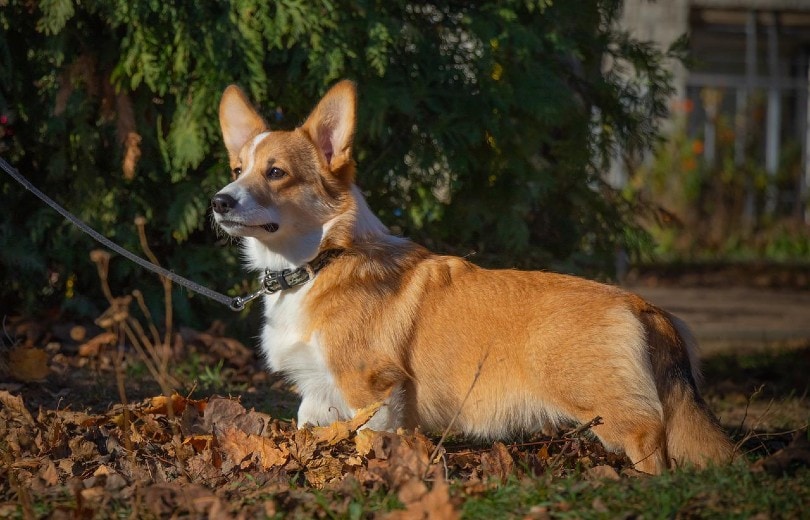
Pembroke and Cardigan Corgis both arrived on the scene at about the same time, in the 1920s. These breeds were recognized by the Britain Kennel Club in 1928 and were initially recognized as one breed. It wasn't until 1934 that the Cardigan and Pembroke Corgis were recognized as two different breeds. The Pembroke Welsh Corgi was the preferred breed of Queen Elizabeth II, and she showed it by owning 20 Royal Corgis while she was in power.
Personality / Character
The Corgi is a dynamic dog when it comes to personality. On one hand, these dogs are personable, fun-loving, happy, and playful. On the other hand, they can be stubborn, independent, and disengaged when it comes to social situations. They can even be a little mischievous when they feel in the mood. That said, these dogs generally get along well with adults and children living within their household. They can usually live well with other pets too.
Training
Corgis are smart and tend to be motivated to learn new skills. They are known for paying attention to details, and they can learn new skills indoors and outside due to their smaller size. Corgis should start training while they are still puppies, as they should easily be able to learn basic obedience skills such as “come,” “sit,” and “stay” by the time that they reach adulthood. These dogs are athletic and agile, making them a great fit for the agility field too.
Health & Care
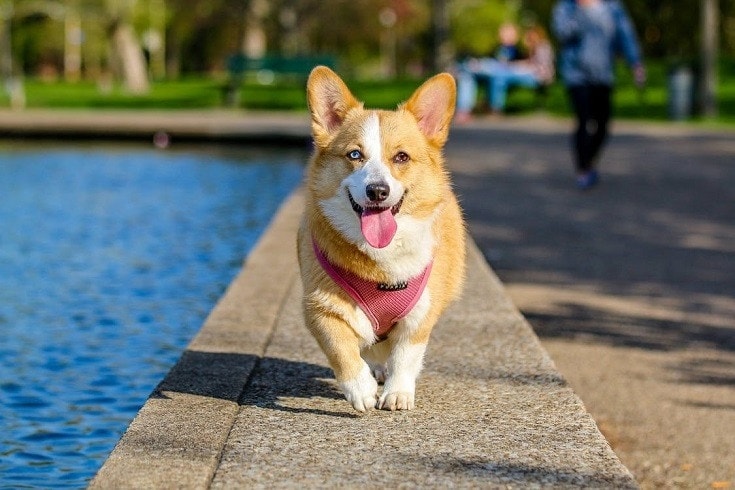
While Corgis are considered generally healthy dogs, there are a few health conditions that the breed can be prone to. Things such as the quality of breeding and lineage can have an impact on whether a Corgi will develop certain health problems.
The most common ones that Corgis tend to deal with include:
It is important to make veterinarian care a priority for Corgi to ensure that developing health problems are caught early enough to address them before they become too serious or dangerous.
Suitable For
Corgis make great family pets. They are active, but they don’t need much outdoor space for exercise. Therefore, they do fine in both house and apartment settings. These dogs get along well with other dogs and cats, and they don’t mind spending time at home alone due to their streak of independence.
Mini Corgi Overview
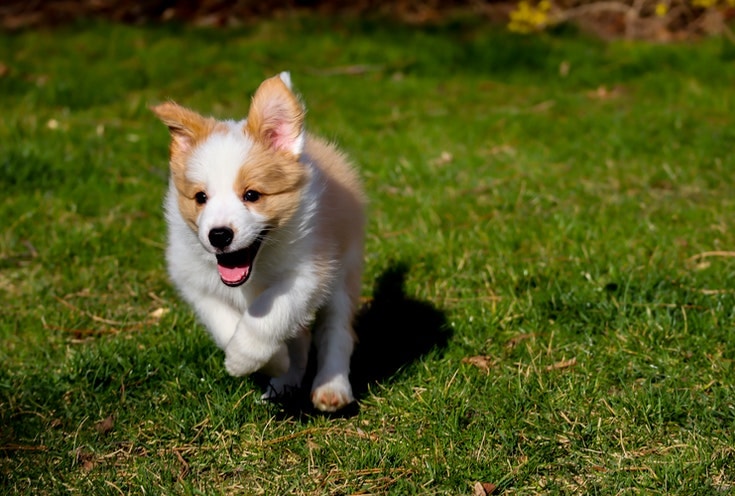
Mini Corgis are not a recognized breed that is different from full-sized Corgis. They are not nearly as common as Pembroke or Cardigan Corgis are. In fact, many people do not approve of breeding Mini Corgis because bad breeding practices (such as breeding runts with congenital diseases and inbreeding) are sometimes used to develop the dogs. However, anyone with a Mini Corgi will tell you that their pooch is loving, fun to be around, and loyal, just like their full-sized counterparts.
Exercise
Mini Corgis are active like full-sized Corgis, but they don’t need quite as much exercise — after all, they’ve got smaller legs! While a full-sized Corgi should get at least 1 hour of exercise each day, the Mini Corgi should get at least 45 minutes. A nice walk each morning or evening is the perfect exercise outlet for this dog. Fun inside with toys can help keep them active when it’s raining outside.
Grooming
This herding dog has a dense double coat that tends to shed during the spring and fall months when their new coats grow in. Therefore, they should be brushed several times a week to keep their coats clean and free of debris and mats. Brushing will also help reduce shedding indoors. It’s important to clean out their ears with a damp cloth or cotton ball a couple of times a month too. Their nails can be trimmed monthly, and they don’t require baths unless they get dirty or smelly.
Diet
The Mini Corgi (and the full-sized version) should eat a diet high in protein and low in salt and simple carbohydrates. Commercial dog food should be designed specifically for small breeds to ensure that this dog gets all the nutrition that they need for good health and a high quality of life as time goes on. Adults should get between 1 and 2 cups of food each day depending on their activity level and health condition. A veterinarian can make recommendations to fit the specific needs of a Mini or regular-sized Corgi.
Suitable For
Mini Corgis do great in apartment settings because they don’t need much room to sprawl out or get active. They love outdoor walks, but their little legs can only do so much work before getting tired, so they shouldn’t be sent out to keep up with the kids for more than about 15 minutes at a time. Due to their size, small children may accidentally hurt them, so supervision is necessary for kids until they are old enough to understand how to safely interact with the dog.

Which Breed Is Right for You?
Both the Corgi and Mini Corgi are essentially the same type of dog, just one is a bit bigger than the other. Breeding practices for Mini Corgis are questionable, so if you want to ensure that you get a quality-bred dog from an ethical breeder, you may want to stick with a regular-sized Corgi. It's also best to head to the humane society and look for a dog to adopt there before going to any breeder.
See Also:
Featured Image Credit: (L) lightman_pic, Shutterstock| (R) Mariia SavadovaSenchenko, Shutterstock
Get Hepper In Your Inbox


Pet care tips from our vets and experts, straight to your inbox.
You may opt-out at any time. View our Privacy Policy for more information.

Rachael has been a freelance writer since 2000, in which time she has had an opportunity to research and write about many different topics while working to master the art of fusing high-quality content with effective content marketing strategies. She lives off the grid in Hawaii with her husband, her garden, and her rescue animals including 5 dogs, a cat, a goat, and dozens of chickens. She is an artist at heart and loves to read, paint, and make jewelry in her spare time. As a vegan, Rachael is obsessed with helping animals in need both in her community and anywhere in the world where she feels she can make a difference. Animals also happen to be her favorite topic to write about!
Join the conversation
Ask a question, share your story, or send private feedback.