Hepper is reader-supported. When you buy via links on our site, we may earn an affiliate commission at no cost to you. Learn more.
Molting in Rabbits: Signs, Causes & Care

In this article
If you are a seasoned rabbit owner, you know this is just a natural part of rabbit life, and you probably know how to manage it. But if you're a first-time rabbit owner, you might be experiencing the molting process for the first time.
That’s why in this article, we will discuss what molting is, why rabbits do it, and how you can help them through the process.

What Is Molting?
Rabbits usually go through a process called molting twice a year, particularly in the spring and autumn months. However, if you have an indoor rabbit, it might create its own molting patterns.
If you're familiar with a double-coated dog such as the German Shepherd or Husky, they have two blowouts a year as the seasons change. Your rabbit is the same. They get rid of their old coat leaving room for a new coat that is better adapted for the season.
That is not to say that rabbits only molt in the spring or autumn. This is simply the time of the year that is the heaviest. Rabbits can still shed moderately throughout the year.
What Are the Signs of Molting?
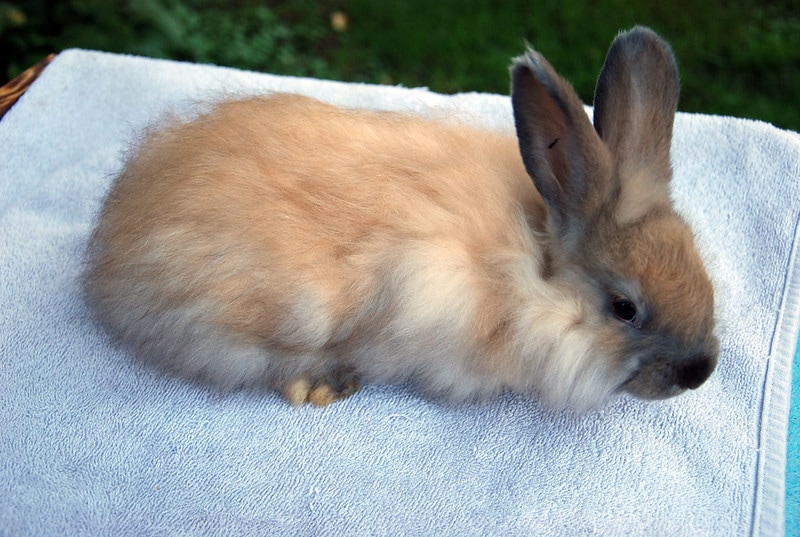
The signs of molting are pretty obvious. You only need to look for clumps of dead fur in your rabbit's coat. These spots appear lumpy, and you can easily remove these tufts by gently pulling the area.
Most of the time, rabbits start molting at the head and spreading down the body—finishing at the caboose. During this time, your rabbit's fur will change color to differentiate the dead fur from the new growth.
Another key indicator of molting it's your rabbit's temperament. While it might seem odd that their temperament would change due to simple shedding, it is true. Sometimes there could be a slight shift in their otherwise friendly demeanor. It could also lead to a decrease in appetite.
What Are the Causes of Molting?
Molting is a very natural part of a rabbit's life. Unlike cats and dogs that shed moderately daily, rabbits tend to go through peak seasons. When the changing seasons occur, they lose their fur in tufts.
How Do I Care for a Molting Rabbit?
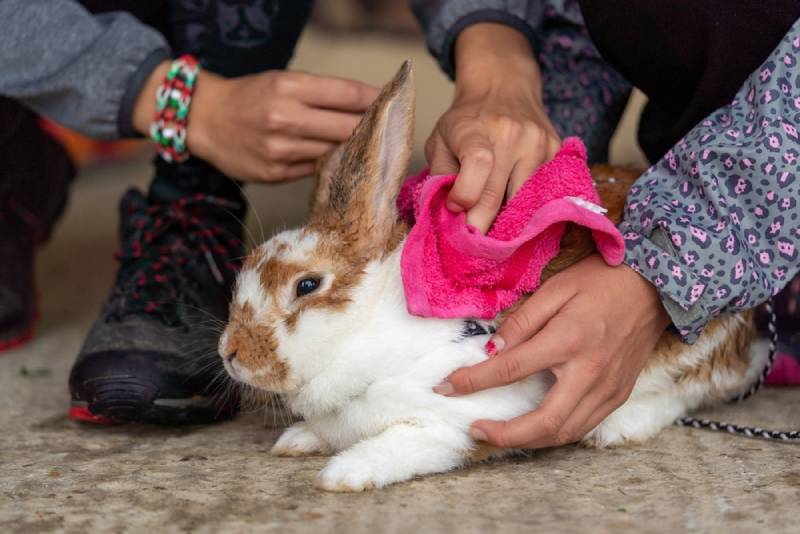
It doesn't take much extra work to care for a molting rabbit. You just have to ensure you are helping them along the way and giving them any required space they might need.
Comb Your Rabbit
For some rabbits, they simply prefer to be left alone during this time. This is a natural part of your rabbit's daily life, so you don't have to be too hands-on. But it is a good idea to help them during the day if they allow you to.
Get a metal comb or slicker brush to give your rabbit a few passes now and again. This will help them release the shed quicker and speed the process along.
Try not to penetrate clear to the skin, as it is extremely sensitive during this time. Some rabbits will have more of a reaction than others. Focusing on the tufts of fur rising to the surface is a much better idea than scraping skin.
Let Them Have Space
If your rabbit feels a little grumpy because of molting, let them have their space without trying to handle or interact with them too much. Remember that the process will be over soon, and they'll return to their bubbly, happy selves.
Make Sure to Clean the Enclosure
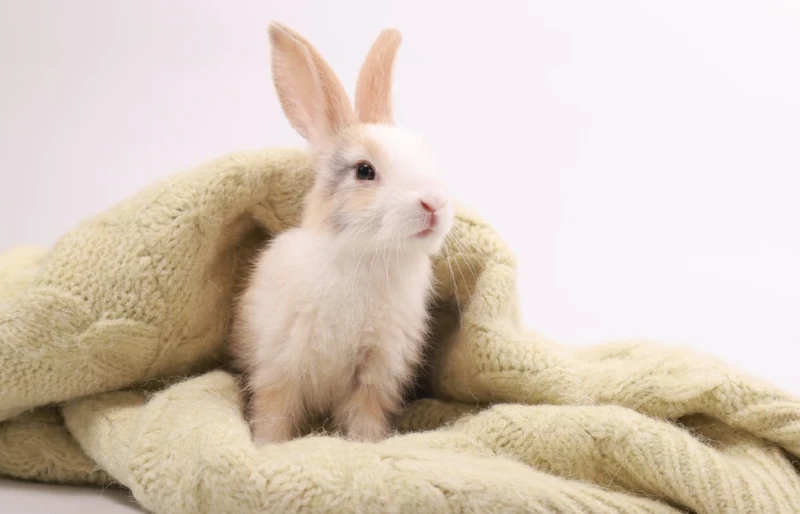
You will want to keep the enclosure clean if your rabbit is shedding a lot. It's essential to keep their hocks dry as well during this time. You might have to spot-clean the enclosure or change the bedding entirely to create a more desirable habitat.
Clean Up Loose Hair
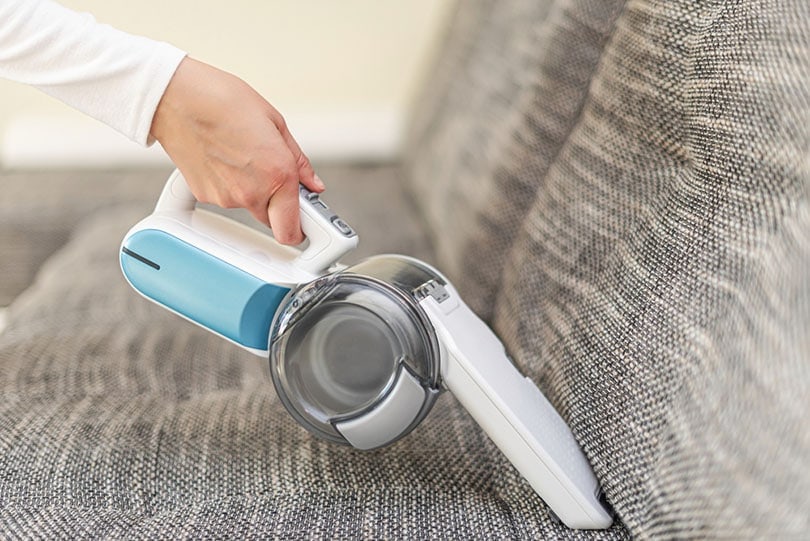
If your rabbit is indoors, you'll find loose hair everywhere. During this time, it's a good idea to vacuum, sweep, and spot-clean wherever you see loose fur.
Reduce Hairballs
Hair can quickly get bound up in your rabbit system, creating a recipe for trouble. If your rabbit will let you help them during this process, removing as much of the fur as possible is a good idea.
If they have too much hair in their digestive tract, it can slow down the GI system and cause dehydration. It can also cause a much bigger issue called GI stasis. You can prevent this by reducing the hair load and giving them plenty of fresh hay to keep their digestive tract moving smoothly.
FAQ
Why Is My Rabbit Grumpy During Molting?
Your rabbit is grumpy because it puts stress and change on its body. It isn't always so comfortable. Some rabbits prefer to be left alone, and others can even get a little feisty or aggressive.
How Long Does Molting Take?
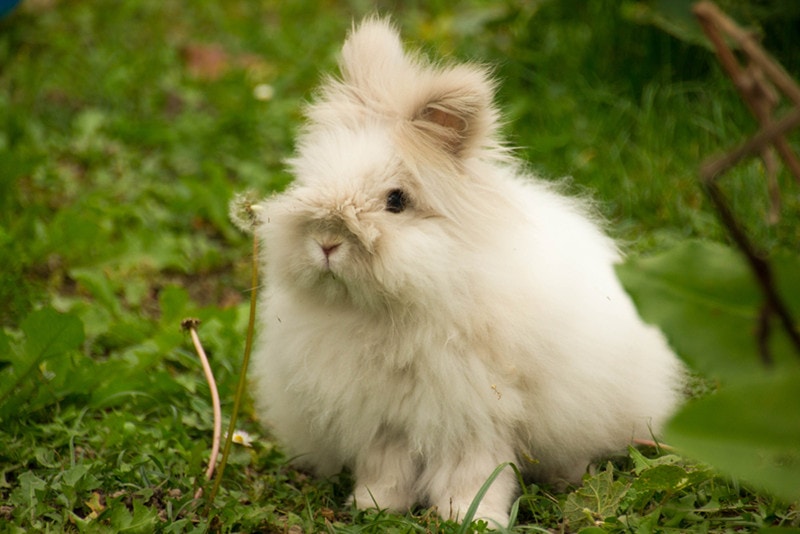
It often takes roughly 2 weeks to lose the old coat fully. You can help by plucking it out with your fingers or using a comb—if they’ll let you!
Can I Hold My Rabbit if They’re Molting?
You can hold your rabbit while they're molting, but this will be solely based on the rabbit's temperament. If they have an even temperament during this stage, you can handle them and help them along the way.
If they seem moody or agitated, it's best just to leave them alone and only interact with them when you have to. Instead of making them feel worse, respect their space, and give it time.
Is Molting Painful?
Molten can be very painful for rabbits. It isn't so much painful as in a physical injury, but their skin is extremely sensitive during this period. Some rabbits will be much more sensitive than others.
So, it is important to understand your rabbit's sensitivity level during this time and treat them accordingly.
Will My Rabbit Go Bald?
Even though your rabbit will lose a copious amount of fur during molting, don't worry. They will not go bald during this time.
Once they lose this heavy coat, they will be left with a fresh, thinly covered layer of fur over their body. It will take a little while before the new coat fully grows.
Conclusion
Molting is a normal part of your rabbit's life. Most rabbits molt twice a year, but all rabbits molt at least once yearly. You will get used to the cycles and your rabbit's temperament during this time.
If you have a little sensitive rabbit that seems more aggressive than usual, give them their space during this time and interact with them only when you must. You can help them out if they will let you, but most can easily go through it on their own.
Sources
Featured Image Credit: Hamdyzainal, Shutterstock
Get Hepper In Your Inbox


Pet care tips from our vets and experts, straight to your inbox.
You may opt-out at any time. View our Privacy Policy for more information.
Ashley Bates, a freelance writer with a passion for pets, is currently studying animal therapy. She is a mother to four children and 23 pets, both furry and feathery. Ashley actively volunteers at local shelters, advocates for animal welfare, and rescues animals in distress. Her mission is to promote awareness, education, and entertainment about pets to help prevent animal homelessness. She specializes in the care and well-being of dogs and cats.
Join the conversation
Ask a question, share your story, or send private feedback.