Hepper is reader-supported. When you buy via links on our site, we may earn an affiliate commission at no cost to you. Learn more.
What Temperature Is Too Hot for Rabbits? Vet Approved Guide & Housing Tips


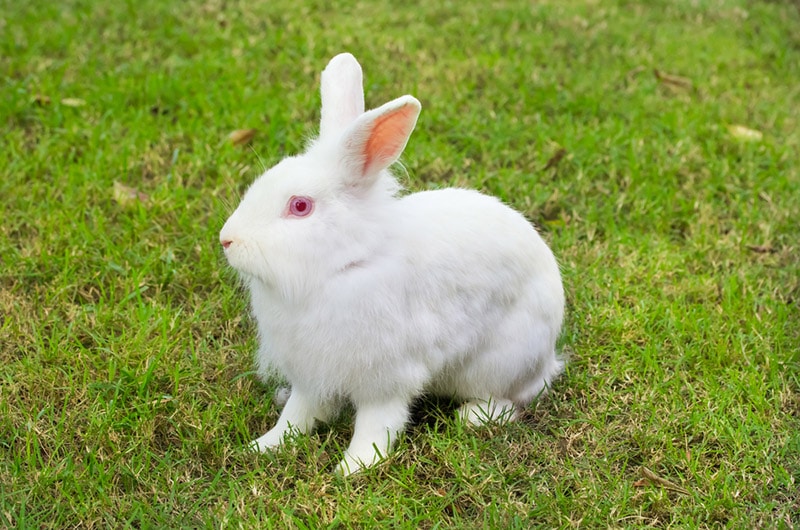
Heat stress is an all-too-common problem for rabbits, even in temperatures that we might find comfortable. Rabbits have thick fur and limited self-cooling capabilities, and they rely on an accommodating environment to stay safe from excessive heat exposure. Once temperatures exceed 80°F, signs of overheating and discomfort may show in your rabbit’s behaviors.
The optimal rabbit environment temperature is 61°–72°F (16–22 °C). You should also be cautious about humidity, as high levels of humidity can predispose rabbits to heat exhaustion. Generally speaking, you should factor in not just the temperature but also the humidity when designing your rabbit hutch or enclosure.
Staying conscious of your rabbit’s health is crucial during the hot summer days. Although outside time is beneficial in their routine, you must monitor for signs of exhaustion and bring them back in the house when the temperature rises. Let us discuss how rabbits deal with heat, what temperatures are too hot, and how you can help keep your pets cool.

What Temperature Is Too Hot for Rabbits?
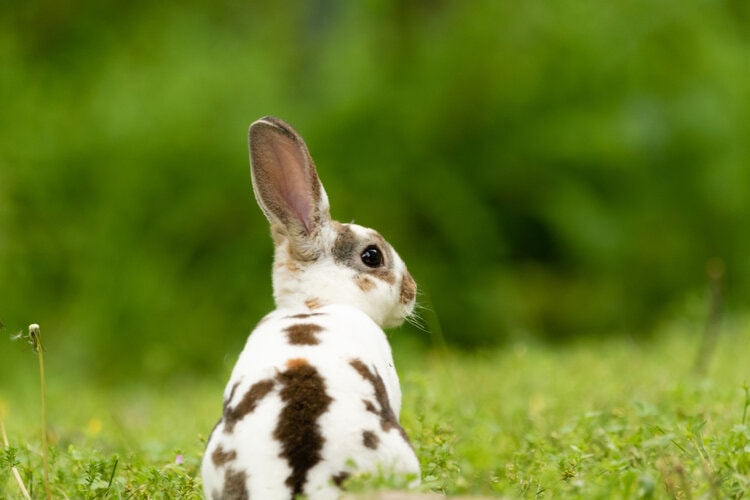
Rabbits are warm-blooded animals that can regulate their body heat as ambient temperature changes. Their primary cooling mechanisms are respiration (e.g., panting) and their ears. The large ears, accounting for up to 12% of the rabbit’s body surface area, have a vast network of blood vessels close to the exposed skin that helps them dissipate heat. Otherwise, rabbits have few sweat glands, and their thick fur is too insulative for them to make a meaningful difference.
The thermoneutral zone (TNZ) for rabbits is roughly 61°–72°F (16–22 °C). As temperatures exceed their upper comfort zone, rabbits are at risk of heat stress. Their behavior will change, as will their normal physiological functioning.
The ambient temperature isn’t the only factor to consider when it comes to rabbits and heat stress, though. Humidity also plays a big role.
Rabbits and Humidity
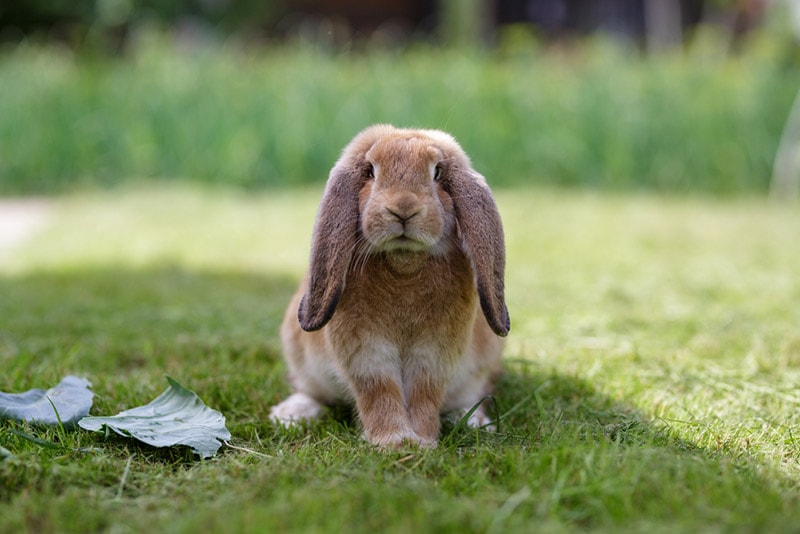
Rabbits will respond differently to high temperatures depending on the humidity. The preferred level for rabbits is roughly 50%, slightly higher than the ideal indoor humidity levels of 40–50%.1 As humidity rises, rabbits will have a more challenging time regulating their body heat, leading to heat stress that much quicker.
As a general rule of thumb, the sum of the temperature (in Fahrenheit) plus the humidity (in percent) should not be higher than 150. For example, if the temperature is 80°F, then 70% humidity would be the rabbit’s limit of tolerance (80 + 70 = 150).
Good ventilation at all times is imperative for rabbits.
How to Tell if Your Rabbit Is Too Hot
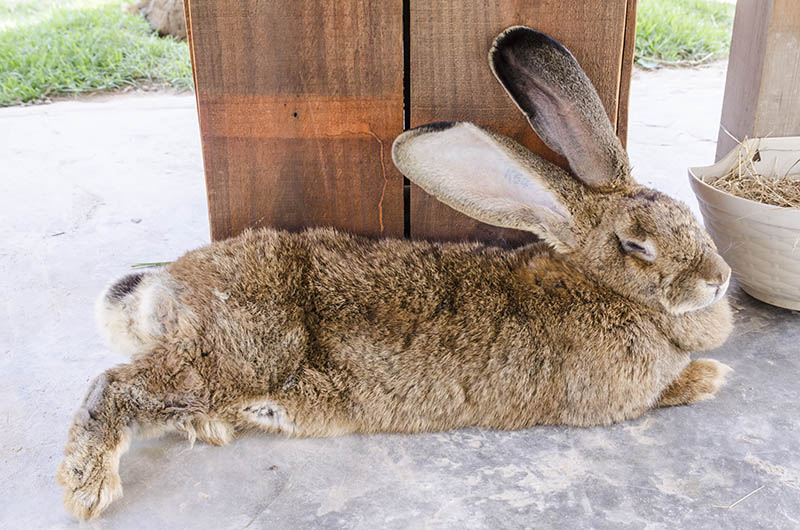
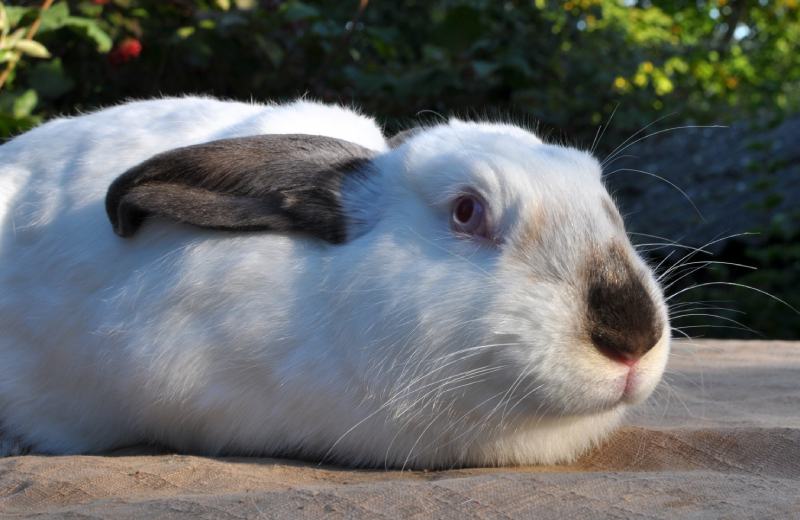
Rabbits also respond to heat with behavioral changes. They’ll stretch out to allow heat to dissipate as much as possible and seek lower temperatures in the shade. When the heat becomes more than they can manage, rabbits will show several signs of distress, including:
- Lying stretched out and breathing heavily
- Lethargy and limited movement
- Reddened or hot ears
- Decrease in appetite
- Increase in water intake
- Panting while throwing their head back
If your rabbit shows these signs of heat stress, acting quickly to cool them down is crucial in restoring their normal functioning and behaviors. Contact your veterinarian if your rabbits seem consistently heat-stressed despite your best efforts to remedy the situation.
How to Keep Your Rabbits Cool
Although they are more susceptible to heat stress than many other pets, keeping your rabbit safe and comfortable is easy when you take control of their environment. Extra consideration should go to young, old, overweight, long-haired, and sick rabbits, as they’ll generally have much lower tolerances for high heat.
Provide Shade
When outside, ensure your rabbits have a shaded area. Avoid placing them in areas with lots of direct sunlight, and provide tunnels, umbrellas, and other shelters where they can escape the heat.
Offer Water
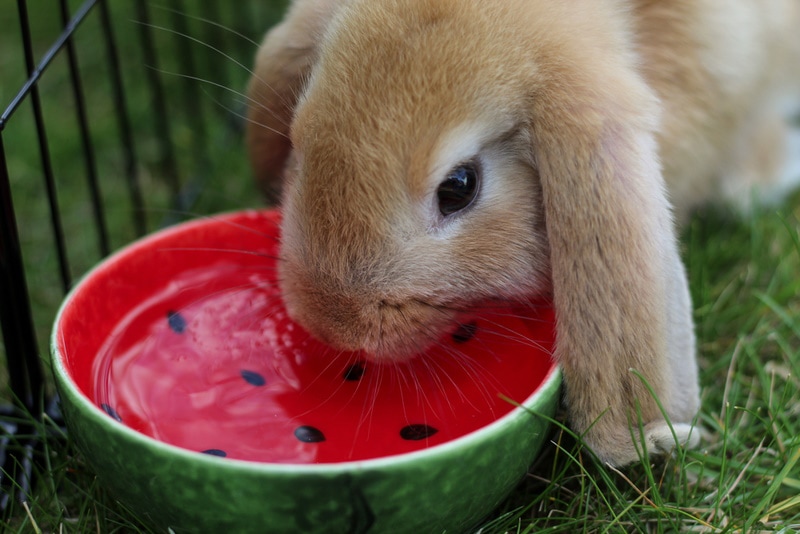
Cool drinking water is a great offering to help your rabbit overcome heat exhaustion and one of the best ways to prevent it. Rabbits have a higher need for water when their relative size is compared to other species of animals. It has been shown in metabolic studies that a rabbit will consume water at a rate of approximately 120 milliliters per kilometer per day. For example, a rabbit that weighs a kilogram (2.2 pounds) will drink approximately 120 milliliters (4 fluid ounces) of water per day. This is about twice the amount usually calculated for an equally sized dog or cat.
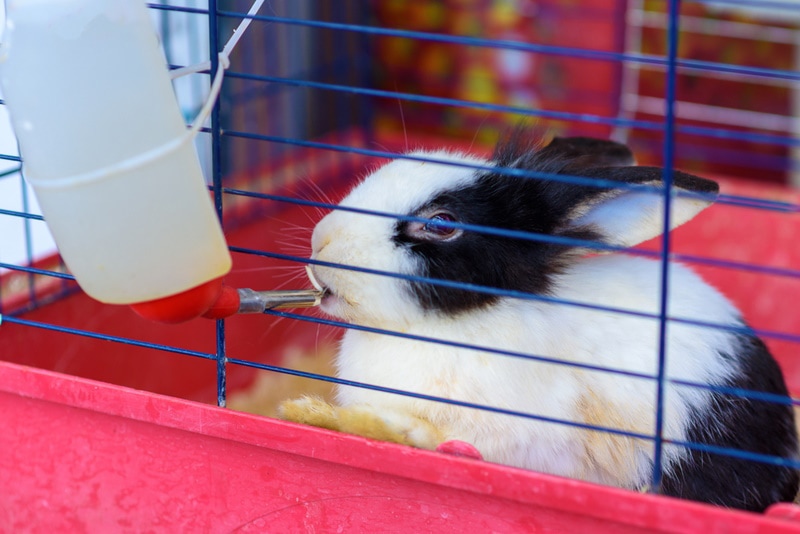
Outside or inside, ensure your rabbits have full water bowls and bottles. Change their water at least two to three times daily. Avoid giving a heat-stressed rabbit ice-cold water, as it might make them go into shock.
Lower Temperature and Increase Airflow
Take your heat-stressed rabbit to a cooled, climate-controlled room with a temperature in the rabbit’s preferred range. If you do not have air conditioning, promote airflow and a cool breeze by opening windows and positioning an oscillating fan toward your rabbit’s enclosure.
Don’t Let Rabbits Out During Peak Afternoon Hours
Consider letting your rabbit into their secure outdoor enclosure in the early morning hours or just before sunset. Avoid letting your rabbit explore the outdoors during peak afternoon hours, as temperatures are at their highest during this time.
Groom Your Rabbit
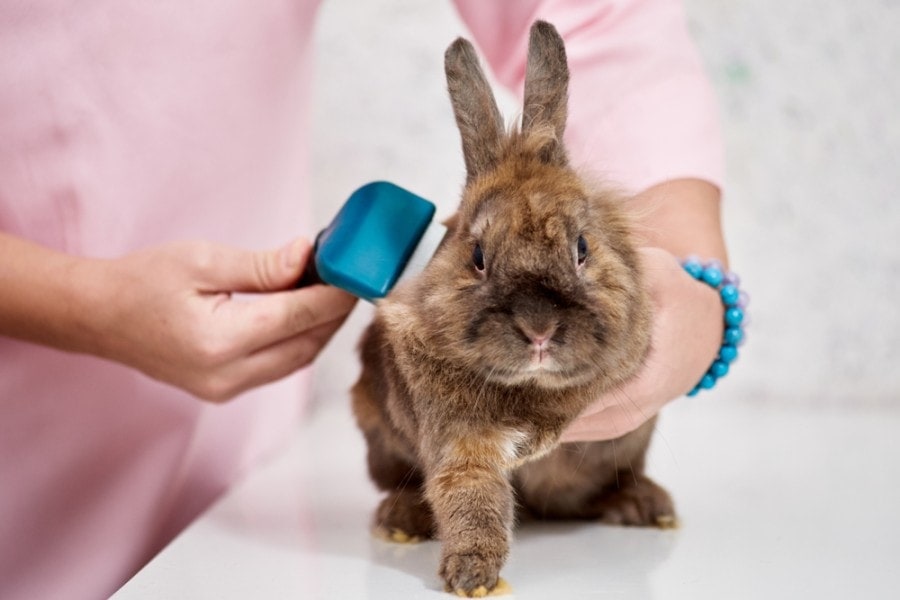
Long-haired rabbits can benefit from frequent grooming regardless of the temperature, but a quick trim can also help keep them cool. Of course, a haircut should be the lowest priority when your rabbit is actively suffering from heat stress. But as you near the warmer summer months, keeping good grooming habits in mind can prevent your rabbit from overheating too quickly.
Final Thoughts
The summer months give rabbit owners plenty to consider. The pests are out in full force alongside the brightly shining sun, making everything from flystrike to heat stroke an ongoing concern when the pets play outside. Keep an eye on the temperature indoors and outdoors when the days get longer, and follow these tips to ensure your rabbit stays cool, comfy, and content.
Sources
Featured Image Credit: pritsana, Shutterstock
Get Hepper In Your Inbox


Pet care tips from our vets and experts, straight to your inbox.
You may opt-out at any time. View our Privacy Policy for more information.
Nicole is a lover of animals of all sizes but is especially fascinated with the feline variety. She’s the proud mom of Baby, a Burmese, and works every day so he can relax in the sunshine or by the fire. She’s always had a cat in her home and has spent countless days with others, observing behaviors and softening up even the grouchiest of the lot. Nicole wants to share her kitty expertise with you so you and your cat can live happy, healthy, and care-free.
Join the conversation
Ask a question, share your story, or send private feedback.