Hepper is reader-supported. When you buy via links on our site, we may earn an affiliate commission at no cost to you. Learn more.
Do Rabbits Get Cold at Night? Vet Approved Facts & Tips To Keep Them Warm


In this article
Don't let the rabbit's small and fragile appearance fool you. These adorable little creatures are surprisingly hardy when facing the elements.
Wild and most domestic rabbit breeds have evolved to grow warm fur coats and thick furry pads on their feet to help them stay warm in cooler temperatures. In the wild they live in underground warrens where the temperature stays at a relatively constant 50°F regardless of the season. They also snuggle up and share body warmth. A domestic rabbit kept outside doesn't have the protection of its burrow and it's important for you to provide extra care and warmth through the cold winter months. So, yes rabbits can get a cold at night, but it depends on the climate and temperature.
Read on to learn more about keeping your rabbit safe when the temperature drops.

Do Rabbits Get Cold at Night?
Rabbits can get cold at night when the temperature drops, but the vast majority won't until temperatures hit the freezing mark. Rabbits thrive in cooler climates as they don't sweat and come equipped with a heavy fur coat to keep them warm. They are far more cold-hardy than heat-resistant, with most faring much better during the colder months than the warmer seasons.
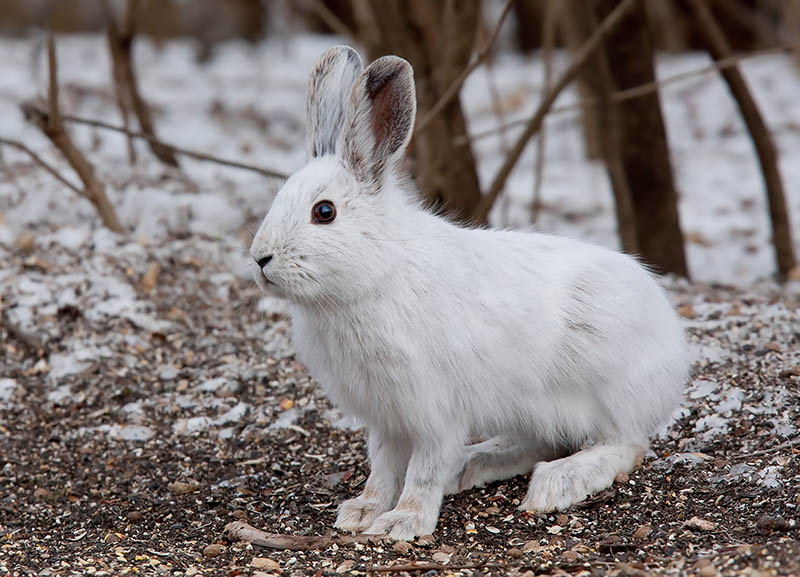
When considering whether a temperature is extreme for a rabbit, one must consider its native environment and the climate it has evolved to live in. Some breeds, like the white-tailed jackrabbit, are built for cold temperatures. This particular breed lives in western and central parts of North America, in provinces and states where temperatures can drop well below -30°F at times. On the other side of the spectrum, the desert cottontail can be found in Northern and Central Mexico, where temperatures often reach 110°F.
How Have Rabbits Adapted to Cold Temperatures?
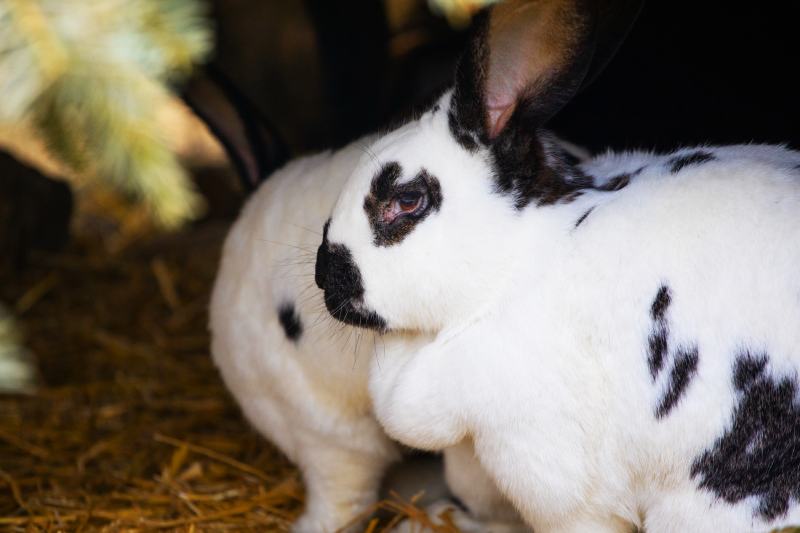
Whether talking about a wild or domestic rabbit, all rabbits exhibit physical and behavioral changes during the winter. These changes are less noticeable in domestic rabbits kept inside all year, but they still may be present in some capacity.
The biggest adaptations rabbits have to cold temperatures include:
Should I Bring My Pet Rabbit Inside in the Winter?
It's not generally recommended to keep your domestic rabbit outside in freezing temperatures, as its body heat won't provide the warmth necessary to keep a stable body temperature.
Don't only look at the thermometer when determining if it is too cold for your rabbit to stay outside, though. Dampness, wind chill, and wind speed can greatly affect how cold the air feels.
A cold wind and damp and cold environment can dissipate a rabbit's body heat quickly, making it incredibly difficult for it to survive winter. Therefore, if you cannot provide a dry, well-insulated shelter for your pet, you must bring it inside for the season.
Can Rabbits Get Hypothermia?
Though healthy rabbits can generally tolerate cool temperatures provided they have an appropriate sheltered environment, hypothermia may occur if exposed to freezing, damp or drafty conditions for long periods. Hypothermia can develop when a rabbit experiences a drop in body temperature below its normal range.
The signs of hypothermia in rabbits include:
Hypothermia is an emergency that can result in death if not treated immediately.
Tips for Keeping Rabbits Warm in Winter
Though a rabbit's fur and instincts keep it warm during winter, a domestic rabbit may not be fully equipped to withstand frigid temperatures. Let's look at some things you can do to keep your pet at an appropriate temperature all winter.
Move Your Pet Indoors
The most surefire way to keep your rabbit dry and warm all winter is to move it indoors. You don’t need to clear out a space in your home if you don’t have room. Move its home into your shed or outhouse instead. Bear in mind that the temperature where they are being kept indoors must not be too high as this can cause rabbits to overheat as well as lose their protective winter coat, causing issues when they go back outside.
Winterize Its Hutch
If you need to keep your rabbit outside, take some precautions to protect it from the elements. Its hutch may need a complete makeover to winterize it properly. Here are some things to do to make sure its outdoor enclosure is winter-ready:
- Insulate the walls with cardboard and thick blankets
- Raise the hutch off the ground
- Put a waterproof tarp over the hutch
- Regularly check for leaks
- Provide lots of extra hay for bedding
- Seal up any cracks or crevices where wind can sneak through
- Place the hutch in a sheltered area of your yard
Provide Extra Food
The cold temperatures can invigorate rabbits, meaning your pet will be more active and need more food to fuel this activity. Provide plenty of extra hay and pellets to ensure your rabbit gets enough calories to endure the winter temperatures.
Adopt a Friend
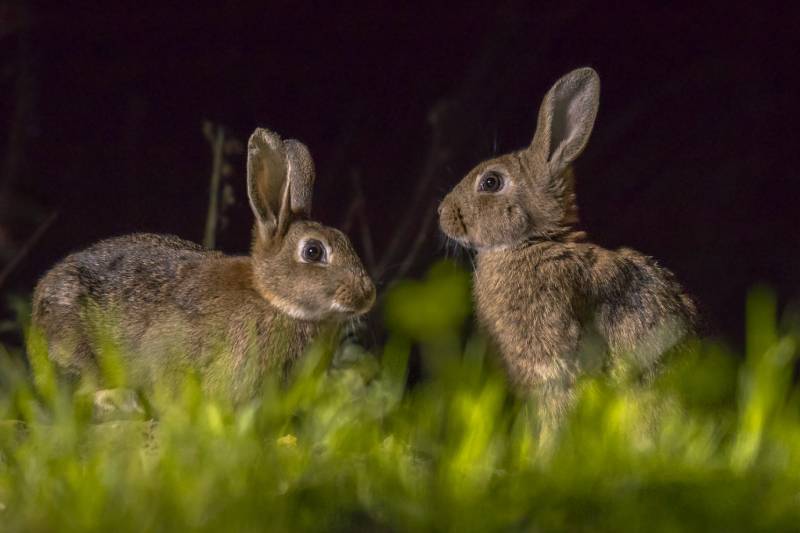
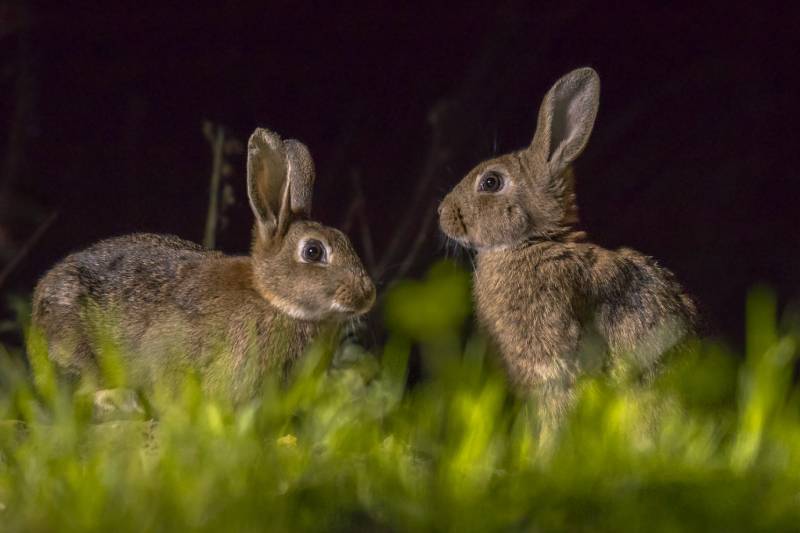
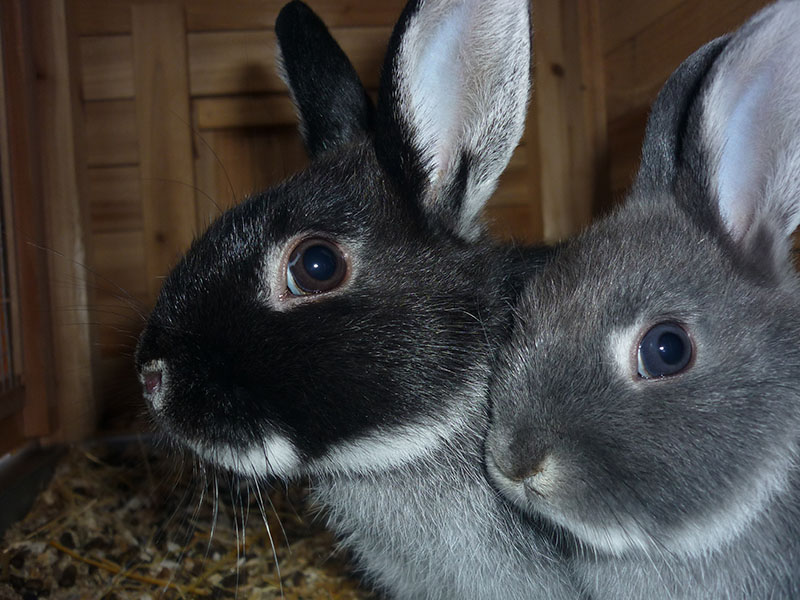
Rabbits are very sociable animals and one way that wild rabbits endure cold temperatures is to face them together. They'll often cuddle up against one another to produce heat to keep each other warm. Rabbits should not live alone and should always have a buddy.
Provide Opportunities for Exercise
Your rabbit still needs to get its daily exercise throughout the winter. Designate a safe area indoors for them to run around in or clear an outdoor run but avoid letting them in it early in the morning or late in the day when the temperatures drop.
Ensure Water Is Readily Available
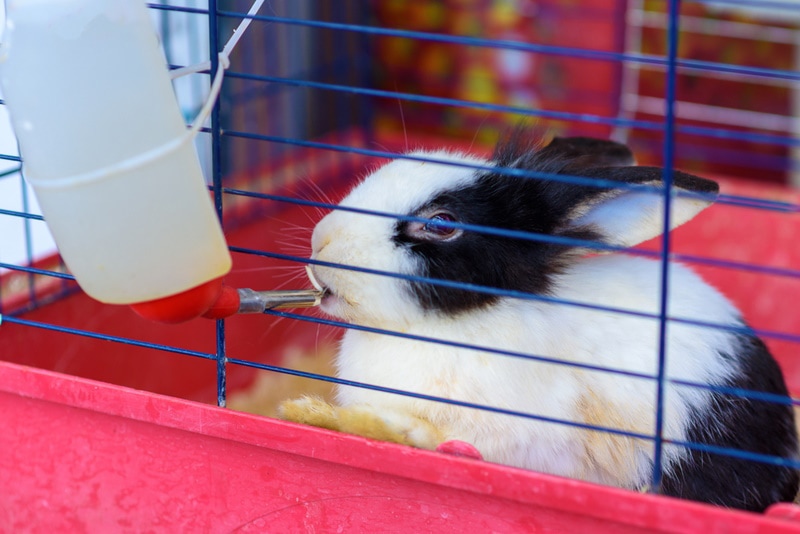
Rabbits cannot drink ice. They won't eat hay or pellets if they don't have access to clean, unfrozen water. Rabbits that don't eat well will be more likely to fall ill. You may need to check on its water multiple times daily to ensure it hasn't frozen. Bowls of water are much less likely to freeze than a water bottle.

Conclusion
Though rabbits are generally cold hardy creatures, a domestic rabbit that has spent its entire life indoors may not fare as well outside in winter or at night when temperatures drop to freezing levels or below. If you need to keep your pet outside during the cold months of the year, use our tips above to ensure it stays healthy and warm all season.
Remember to consider wind chill and precipitation levels. Wet conditions can chill your pet quickly and be a recipe for hypothermia or death. Check your rabbit's enclosure regularly to ensure it’s not drafty or letting in moisture.
Featured Image Credit: Rudmer Zwerver, Shutterstock
Get Hepper In Your Inbox


Pet care tips from our vets and experts, straight to your inbox.
You may opt-out at any time. View our Privacy Policy for more information.
Chantelle's life revolves around two passions: writing and animals. Raised on the prairies of Canada amidst a menagerie of pets, she now lives with five cats, two guinea pigs, and a bearded dragon. Together with her husband and child, Chantelle delights in being an exemplary animal parent, going as far as installing wall-mounted cat shelves to give their cats an indoor playground. When she's not cozying up with her cats or snapping their amusing antics, she enjoys venturing into the Rocky Mountains, binge-watching her favorite Netflix shows, and indulging in spontaneous reading adventures.
Join the conversation
Ask a question, share your story, or send private feedback.