Hepper is reader-supported. When you buy via links on our site, we may earn an affiliate commission at no cost to you. Learn more.
My Dog Is Pacing at Night: Vet Reviewed Causes & Risks


In this article
Like humans, dogs are diurnal and get most of their sleep at night. But what if your dog doesn’t sleep and paces the floor incessantly? Besides keeping you awake with their footsteps, should you worry if your dog is pacing more than sleeping? A dog pacing at night can be concerning because the behavior may indicate a health issue. To find out more and determine if a trip to your vet is necessary, keep reading for our discussion on why dogs pace at night and what to do about it.

What Can Cause a Dog to Pace the Floor at Night?
There aren’t many reasons for a dog to pace around at night, which is helpful when trying to determine what’s going on. It’s important to remember that if you’re unsure about your dog’s pacing, a call or visit to your trusted veterinarian is always a good idea. Here are possible reasons that your dog might be pacing at night rather than sleeping comfortably.
1. All Dogs Are Polyphasic Sleepers
Although dogs are diurnal, they are also polyphasic sleepers. What that means is dogs sleep during the day and at night. What’s even more fascinating is that dogs only sleep for cycles of about 45 minutes, after which they might get up, stretch, walk around, and drink water.
Most dogs then go back to sleep, especially if it’s nighttime. In other words, if your dog gets up and walks around briefly at night, it’s likely no cause for alarm. It’s when they don’t go back to sleep but pace the floor non-stop that you should be concerned (and contact your vet).
2. Your Dog Is a Senior and Has Cognitive Dysfunction
Cognitive dysfunction is a medical term that refers to any behavior caused by the onset of dementia, a common occurrence among older dogs. Dementia is caused by physical changes to your dog’s brain when they age. These changes can often disturb the normal sleep-wake cycle that wakes your dog in the morning and helps them sleep more at night.
When their sleep-wake cycle is disrupted, a dog will stay awake at night rather than sleep; when awake, they’ll pace the floor in a confused and stressed-out state. Often, older dogs with dementia will not realize what they are doing, especially as their condition progresses and their memory deteriorates. Sadly, there’s not much that can be done to completely stop this process, but your vet might be able to help slow it down with medications, supplements, and diet changes.
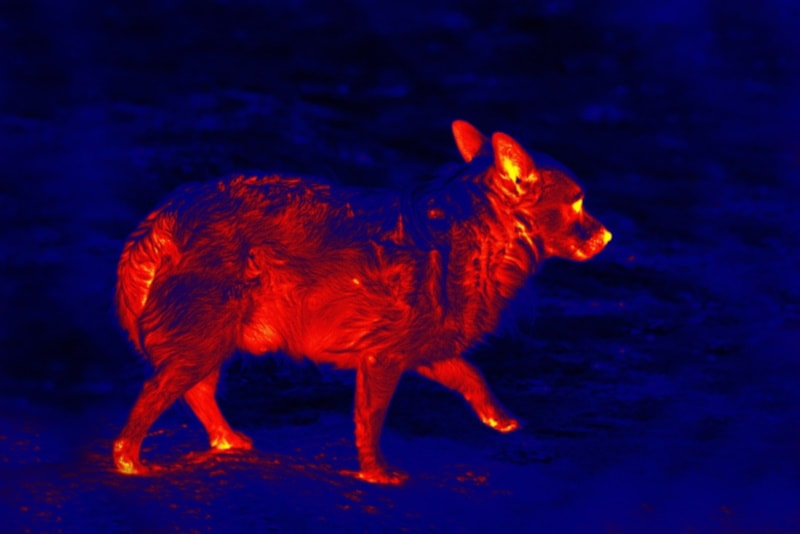
3. Something Is Causing Your Dog to Be Stressed and Anxious
If you’ve ever been genuinely stressed about something, you know it can be difficult to sleep. Dogs handle stress similarly and, if they can’t sleep due to stress or anxiety, will often pace the floors at night since sleep isn’t an option. Several situations can cause a dog to be stressed or anxious, including the following:
These situations can cause your canine companion to be stressed, anxious, and fearful, and pacing the floor at night is a typical sign. In most cases, the stressor will subside, and your dog’s sleeping patterns will return to normal.
4. Your Dog Is in Pain
Unfortunately, when your dog is in pain, they can’t tell you about it. Some might whimper, cry, or make other noises that will give you a clue. Pacing the floor is also a sign that your dog might be in pain for some reason, including back pain, pain from a broken tooth, arthritis pain, or some type of infection.
A dog that’s just had surgery (if they can walk) might pace at night also. An upset stomach from something your puppy ate might also be painful and pace-inducing. If your dog is pacing at night, but there are no obvious stressors in their environment, and they aren’t a senior, a trip to your vet for an exam is vital.

5. Your Dog Is Exhibiting Compulsive Behavior
In the canine world, compulsive behavior is unusual but unheard of. Dogs can suffer from canine-compulsive disorder (CCD), which is quite similar to OCD in humans.
A dog with CCD will repeat a behavior so often that in time, it will affect their ability to function like a normal dog. Patterned, incessant barking is a sign of CCD, as well as tail chasing, spinning in circles, drinking excessive amounts of water, and pacing, which will also be present in the day. If your dog has CCD, your vet can recommend solutions, including a pet behaviorist and a management plan.
What Should You Do If Your Dog Is Pacing at Night?
If you can’t sleep because your furry friend is pacing the floor every night, the first thing to do is figure out if they’re suffering from stress. If, for example, you’ve just moved, adopted a new puppy, brought home your new baby, or your mother-in-law is visiting from out of state, your pup’s pacing might be normal and will subside in time. The same can be said if it’s storm season where you live and your home is constantly battered by wind, rain, sleet, and thunder.
On the other hand, if nothing has changed in your home and everything is as calm as usual, some underlying health concerns like the ones we discussed above may cause your dog’s constant, non-stop pacing at night. In that case, a trip to your veterinarian is necessary.

What If Your Dog Is Pacing During the Day?
Besides cognitive dysfunction, every other situation that will cause a dog to pace the floor at night can also cause them to pace the floor during the day. That makes it critical that you know your dog’s regular behavior so if they’re pacing, you can spot it and get them any veterinary or animal behavior professional help they might need.

Final Thoughts
Dogs are diurnal animals like humans and sleep most of the night like we do. If your dog stays awake and paces the floor rather than sleeping, it might be a sign they have some type of health issue. One of the most common causes of night pacing in senior dogs is cognitive dysfunction.
If you’re concerned because your dog is pacing the floor at night rather than sleeping, contact your veterinarian. Your vet can examine your pet, diagnose the problem, and decide on a course of action to treat the issue if necessary.
Featured Image Credit: IAKIMCHUK IAROSLAV, Shutterstock
Get Hepper In Your Inbox


Pet care tips from our vets and experts, straight to your inbox.
You may opt-out at any time. View our Privacy Policy for more information.
Greg Iacono is a self-taught writer and former chiropractor who, ironically, retired early due to back problems. He spends his time writing scintillating content on a wide variety of subjects. Greg is also an accomplished video script writer known for his ability to take a complex subject and make it accessible for the layperson.
Join the conversation
Ask a question, share your story, or send private feedback.