Hepper is reader-supported. When you buy via links on our site, we may earn an affiliate commission at no cost to you. Learn more.
Why Is My Dog Pacing? 15 Vet-Reviewed Reasons & What to Do


One of the most challenging parts of being a dog owner is when your dog is doing something you don’t understand, and you’re unsure why. That includes pacing, which can sometimes be innocuous, while other times can be a sign that something isn’t right with your precious pet.
If you’ve seen your dog pacing and want to know what’s causing it, as well as whether you need to bring your pet to the veterinarian, the information below will help. You’ll learn more about pacing, the reasons behind it, and what you can do about it as a dog owner.

The 15 Possible Reasons Your Dog Is Pacing
1. Your Dog Is Stressed
Many things can cause your dog to be stressed out or anxious, including fireworks, thunderstorms, visitors, and new pets in your home. Some dogs experience separation anxiety, which occurs when their owners leave the home. Many dogs deal with stress by pacing around anxiously. In most cases, once the cause of the stress has passed, your dog will calm down and stop pacing. If they don't, it might be necessary to seek veterinary help or possibly an animal behavior therapist.
2. Your Dog Hears or Smells Something
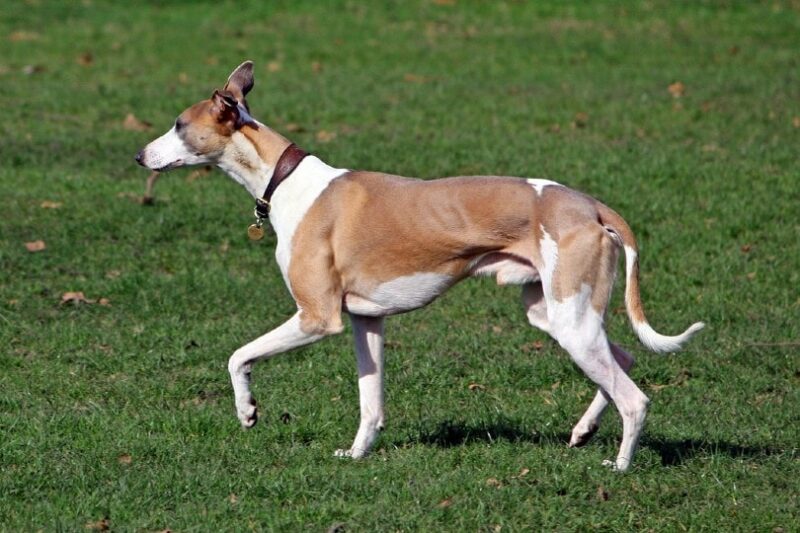
If you've been around dogs long enough, you know they have incredible hearing and an even better sense of smell. They can hear someone coming before they arrive, or if you have unwanted “guests” living in your attic (rats, mice, squirrels, raccoons, etc.), they will hear them also. When they do, they may begin to pace anxiously.
3. Your Canine Companion Is Hungry
Dogs, like many people, are creatures of habit and get used to certain things happening at the same time every day. As you might imagine, feeding time is one of the most important for them. If you miss the feeding time for some reason, your dog might start pacing as they look around for something to eat.
Some dogs will hide treats and, if they get hungry, start pacing around while they look for them. This happens more in winter because, when temperatures get colder, a dog will pace to stay warm and thus burn more calories. The best solution to pacing caused by hunger is to set a feeding schedule for your pet and stick to it as closely as possible.
4. A “Sugar High” Is the Cause
If you're like most dog owners, you love seeing your dog happy, and, to make them even happier, you give them the occasional treat. The problem is that many dog treats are filled with sugar, and some even have high fructose corn syrup.
Sugary treats can often cause your dog to have a "sugar high" while the sugar runs its course through their digestive system. When that happens, pacing is usually the result. The best way to avoid it is to give your dog high-quality treats. Also, always feed your dog treats in moderation, following the 90/10 rule: 90% regular food and 10% treats.

5. Your Dog Is Looking for Attention
One of the least problematic reasons for your dog pacing around is that it wants your attention. The average dog loves attention from their owner and will do what they can to fix the situation if they don't get it. Also, dogs are intelligent, and when they realize that pacing gets them the attention they want, they might begin to do it regularly. What is the best solution? Give your dog as much attention, love, and playtime as possible.
6. Arthritis Pain May Be Affecting Your Pet
Arthritis and other health issues can cause a lot of pain for a dog. They may begin to pace when in pain because they don't know what else to do to get rid of it. This is especially true for larger dogs with elbow and hip dysplasia. A dog that's in pain will need veterinary help, so if your dog is pacing and you're not sure why, a trip to your vet is necessary.
7. Your Dog Has Cushing’s Disease
Cushing's disease, also known as hyperadrenocorticism, is caused when your dog’s body makes too much of the hormone cortisol. Because cortisol is a stress hormone, when a dog is suffering from Cushing's disease, they will constantly be in a state of agitation, which can lead to nonstop pacing.
The only way to know if your dog is suffering from Cushing's disease is to have them tested by your veterinarian. Usually, the issue is caused by a growth on your dog’s pituitary gland and, if found, can be treated with medication or surgically removed. Cushing’s disease can't be cured, only treated. Once your dog has Cushing's disease, they must take medication for the rest of their life.

8. Your Dog Is Suffering From Senility
If you have an elderly dog pacing and restless every night, there's a good chance your pet suffers from senility, also known as canine cognitive dysfunction. When a dog suffers from senility, it can affect their sleep cycle and cause them to be more awake at night and sleepy during the day.
It's also worth noting that senility in older dogs is, unfortunately, incurable. However, the proper diet for an older dog and keeping their mind active and mentally stimulated can stave off senility for months and sometimes even years.
9. Your Dog’s Eyesight Is Failing
If your dog’s pacing is caused by their eyesight failing, a few things will happen. First, your pet will likely be frightened because they don't know what's happening. Also, because dogs are practical animals, they might pace around your home to memorize where everything is, including furniture, plants, and other items.
If you believe your dog’s eyesight is failing, you shouldn’t move things around too often. This will allow them to get the “lay of the land.” Also, you should have your dog’s eyes checked by your veterinarian to determine if anything can be done to help them.
10. Your Dog Is Looking for Something
Your dog will remember that they hid a favorite toy, a treat, or some other important item. The problem, however, is that your dog might not remember exactly where they left what they're looking for and will pace around while they try to figure out the problem.
Dogs also form intensely strong bonds with their owners and other dogs. If one of them passes away, a dog will have memories of that person or pet and might pace around trying to find them because they don't understand that they're gone forever.
11. Boredom Is Causing Your Dog’s Pacing
Dogs are one of the most mindful pets you can own and need mental stimulation. When you take your dog for a walk, you might notice a few things, but your dog sees everything. That's why taking your time when you go for walks is essential for your pup.
Playtime is also vital for all dogs and something you should engage in daily. Not only will a dog start pacing if they’re bored, but in time, they will become destructive also. Playing with your dog, taking them for long walks, and engaging in other activities are among the best (and easiest) ways to prevent pacing and destructive behavior.
12. Your Pet Is Over-Excited
An over-excited dog will pace like mad until they calm down. If you've owned a dog for enough time, you know many things excite them. Going for walks, when you arrive home from work after a long day, and feeding time are all exciting moments in a dog’s daily life and can cause them to pace until their excitement wanes.
One of the worst things you can do, at least psychologically, is tell your dog you will do something they like and then not do it immediately. Remember, dogs live in the moment. If you say you're going to walk them, feed them, or do something else that excites them, you should do it as quickly as possible. If you don't, your dog will likely pace around anxiously until you do.
13. Your Dog’s Bed Is Uncomfortable
Although they can never tell you about it, many dogs pace because of the uncomfortable bed they sleep in. It could be too old, thin, or in a spot they don’t care for. Whatever the case, if your dog isn't happy with their bed, they will pace around it rather than trying to relax in it and go to sleep.
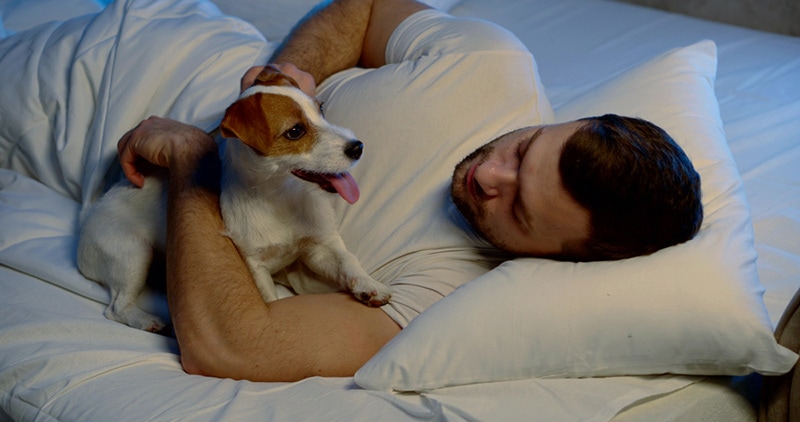
Another reason your dog might be pacing around their bed is that they've gotten used to sleeping with you in yours. Whatever the case, making your dog’s bed more attractive is the best solution. Buying a new one, for example, or putting toys and treats in their bed to entice them are all potential solutions.
14. Your Female Dog Is in Heat
When a female dog is in heat, which comes approximately every 6 months and lasts for about 3 weeks, she will be restless the entire time and likely engage in quite a bit of pacing.
The best solution for this type of pacing is simple; have your female dog spayed. Not only will it end her pacing, but it will also reduce her aggression and any possible friction that might be caused between her and the other pets in your home.
15. Neurological Tumors Are Causing the Pacing
The last reason your dog may be pacing is rare but still possible. While not great news, most dogs with neurological tumors are, thankfully, older dogs that have lived a long life. Surgery might be an option in some cases, but you should note that it's extremely expensive.
A dog with a neurological tumor is usually euthanized because it's the most humane thing to do. Other signs that can appear when your dog has a neurological tumor include the following:
- A loss of their sense of smell or sight
- Excessive panting
- Seizures
- Muscle tremors
- Uncharacteristic aggression
- Clumsy behavior

Final Thoughts
There are several reasons for a dog pacing around, including anxiety, hunger, boredom, and various health issues. If your dog is pacing, you should first look for the most obvious reasons, including a lack of activity or just the fact that they’re excited to see you.
If those reasons don't seem to be the cause of your dog’s pacing, a trip to your veterinarian to determine the exact cause is vital. Your trusted vet can determine the precise cause of the pacing and devise a course of treatment.
Related Read: 10 Benefits of Doggy Daycare: Based On Science
Sources
Featured Image Credit: BIGANDT.COM, Shutterstock
Get Hepper In Your Inbox


Pet care tips from our vets and experts, straight to your inbox.
You may opt-out at any time. View our Privacy Policy for more information.
Greg Iacono is a self-taught writer and former chiropractor who, ironically, retired early due to back problems. He spends his time writing scintillating content on a wide variety of subjects. Greg is also an accomplished video script writer known for his ability to take a complex subject and make it accessible for the layperson.
Join the conversation
Ask a question, share your story, or send private feedback.