Hepper is reader-supported. When you buy via links on our site, we may earn an affiliate commission at no cost to you. Learn more.
Dog Won't Lay Down? 6 Vet-Reviewed Reasons & Advice



If your dog tries to lie down but can't seem to get comfortable, it's time to sit up and pay attention. The inability to lay down is often the cause of an underlying problem, which can be pretty serious. Your dog may seem to avoid lying down altogether. Or, when they lie down, they may struggle to get comfortable or assume an unusual position.
In this article, we'll examine some of the reasons your dog may not want to lie down. This usually indicates that your pet needs to go to the vet, as many of these medical conditions require veterinary treatment. If your dog cannot lie down or get comfortable, the reason for their condition may be listed below.

The 6 Reasons Your Dog Won't Lay Down
1. Joint Pain
Joint pain can make it difficult for your dog to get comfortable when lying down. Canine osteoarthritis may cause your dog to be uncomfortable while lying down.
Often, dogs will shift around when they're lying down. They may become stiff after lying down for some time and spend a lot of time pacing around.
Dogs may pant as a sign of pain or groan or yelp when lying down. These are obvious signs of pain and warrant a trip to your vet. While arthritis can't be treated, medication can help your dog deal with the pain.
Some dogs are more at risk of joint pain and arthritis than others, including older dogs. Obese dogs and giant breeds are particularly prone to this issue.
2. Dementia
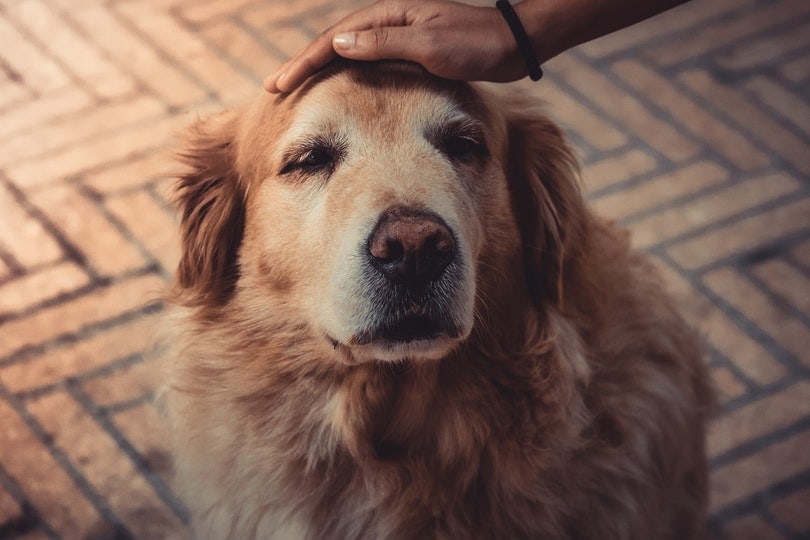
Like people, older dogs can develop dementia. Cognitive decline is typical in older dogs, with dementia sometimes developing. Often, the earliest signs of dementia are changes in your dog's sleep habits. This can include restlessness and incomplete sleep cycles. The dog's sleep period may shorten, and they may get up more often before settling into sleep.
Other signs of dementia include confusion. Your dog may forget daily routines or get lost in places they frequent. More extreme signs of dementia include getting "stuck" in corners. They may wait at the wrong end of a familiar door, where the hinges are, instead of where the doorknob is.
Medications and diet management plans can reduce the damage and progression of dementia signs, so make an appointment with your vet as soon as you notice.
3. Pancreatitis
If your dog suddenly doesn't lay down, it can be a sign that they are in severe pain. When they lay down, they may feel pain and pressure in one particular spot. Pancreatitis occurs when the pancreas suffers an inflammatory reaction, which can cause pain and discomfort.
A sure sign of pancreatitis is dogs assuming the "praying" position for an extended period. In other words, the dog lays with their head and front legs down, but their butt sticks up in the air. This helps relieve pressure on the pancreas.
Nausea, diarrhea, lethargy, and decreased appetite are also common signs. Pancreatitis can be chronic or acute, but luckily, it is treatable.

4. Anxiety
Dogs with anxiety problems may have difficulty getting comfortable and lying down. They may lay down for a moment and then stand up after only a few minutes. Pacing, chewing, and scratching may also occur. These are natural ways for dogs to relieve their anxiety.
They may also bark randomly at seemingly nothing or shake when lying down. Anxiety is a complicated diagnosis and often has many treatment options. Medication is available, but many dogs can relieve their anxiety through behavioral training.
5. Bloat
Bloat is a severe and sudden disease that requires immediate treatment. When a dog gets bloat, their stomach fills with gas. It may twist, which can make the situation even more severe. The expanded stomach puts pressure on the other organs and the inner cavity. For this reason, dogs may be unable to get comfortable when lying around. Their stomach may become large and bloated, but that isn't always the case.
Anxiety, like restlessness and pacing, is quite common. Usually, the dog avoids lying down. Vomiting up new food and drink may occur, or the dog may attempt to vomit but cannot throw anything up.
Excessive drooling, pale gums, and weakness can occur as the disease progresses. Larger dogs are more prone to bloat, but any dog can develop it at any age. Bloat will lead to death unless it is treated with surgery. It is a medical emergency and needs to be addressed as soon as possible; it does not get better on its own.

6. Heart Disease
Heart disease can make a dog uncomfortable in general. It can affect a dog's ability to breathe, making sleeping even more difficult. Dogs with severe heart disease may attempt to sleep standing up or sitting, as lying down can be highly uncomfortable.
Heart disease can be managed with medication and dietary changes. It isn't curable, but it can be managed.

Conclusion
A dog that can't lay down is often having trouble getting comfortable. This can be caused by an upset stomach or something more serious, like bloat. If your dog is uncomfortable, you should watch for other signs. Medical attention may be required. More severe conditions often lead to more concerning signs, but this isn't always true. If your dog appears to be in severe pain, it is time to call your vet.
It can be challenging to figure out why exactly your dog can't lie down at home. However, your vet can run tests to determine what is wrong with your canine.
Related Reads:
Featured Image Credit: Claudiu Alin, Shutterstock
Get Hepper In Your Inbox


Pet care tips from our vets and experts, straight to your inbox.
You may opt-out at any time. View our Privacy Policy for more information.
Kristin is passionate about helping pet parents create a fulfilling life with their pets by informing them on the latest scientific research and helping them choose the best products for their pets. She currently resides in Tennessee with four dogs, three cats, two fish, and a lizard, though she has dreams of owning chickens one-day!
Join the conversation
Ask a question, share your story, or send private feedback.