Hepper is reader-supported. When you buy via links on our site, we may earn an affiliate commission at no cost to you. Learn more.
9 Natural Home Remedies for Dog Constipation (Vet Approved)


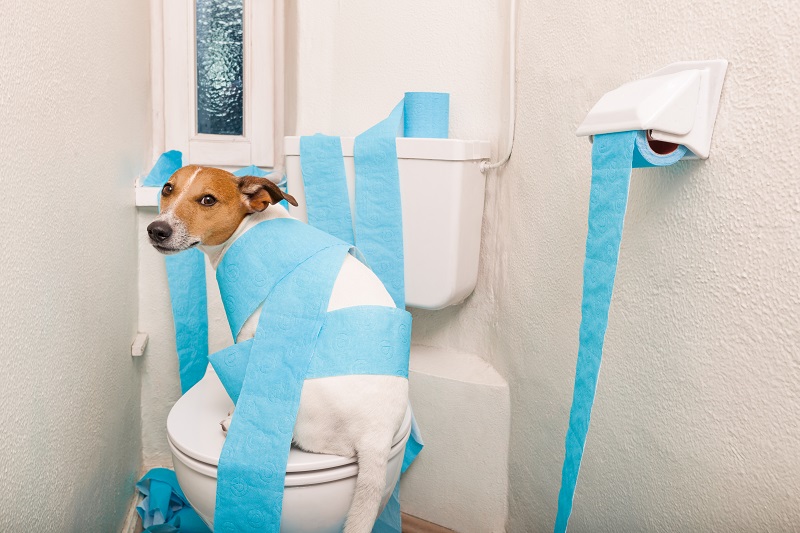
There’s nothing worse than watching your dog experience pain and suffering. And constipation can lead to extreme discomfort, physical pain, and mental anguish. Fortunately, most cases of doggie constipation can be cured at home quickly and efficiently to minimize the amount of stress your dog will have to endure. Not only that, but there are a ton of natural solutions to combat this situation as well. Listed below are your best dog constipation remedy options.

The 9 Home Remedies for Dog Constipation:
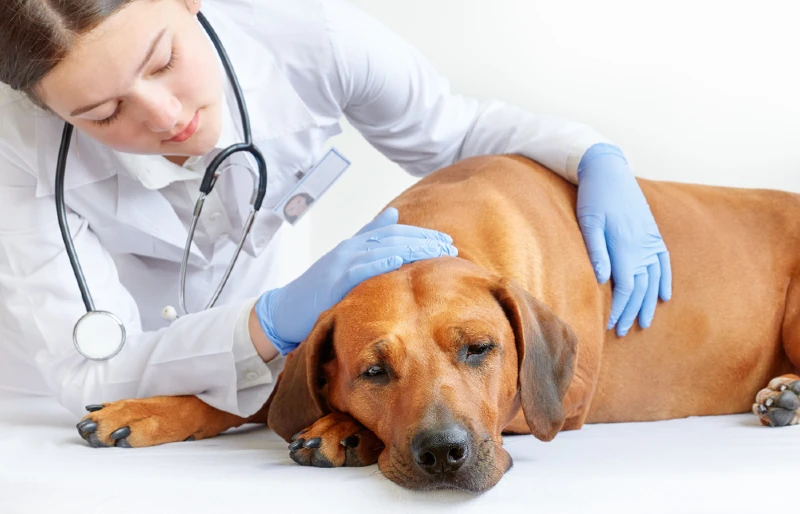
The following remedies can help alleviate pain and discomfort from constipation. However, nothing beats talking to your veterinarian. Be sure to inform your vet when using any of these methods. Also, please keep in mind that, depending on the cause, some cases of constipation need veterinary treatment. If your dog has not defecated in 48 hours, you should have them checked by your vet.
1. Increase Their Daily Exercise
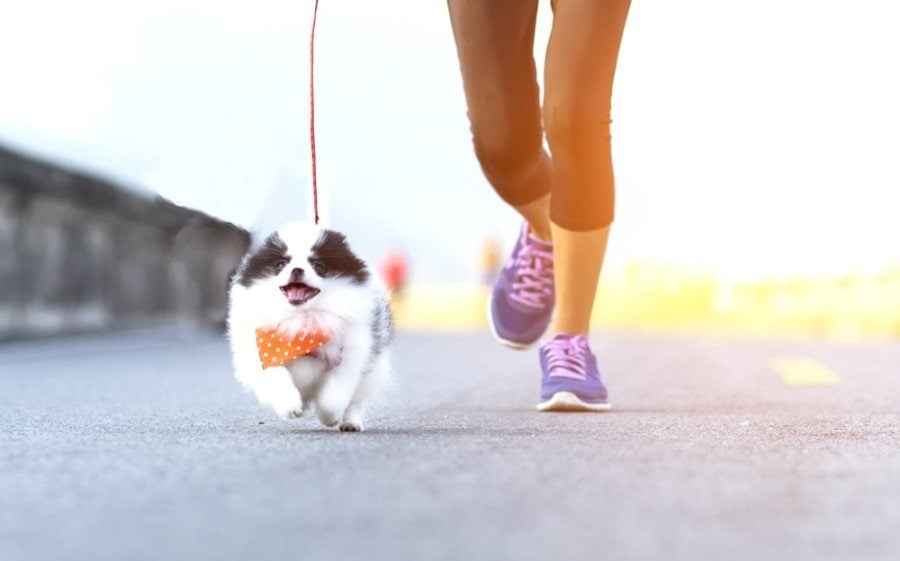
Sometimes, all it takes to help your pup’s digestive system get going is to get them moving. That extra bit of exercise will help to push stool through the digestive tract and down to the colon. Using this method doesn’t require any medications, tonics, or other specialty medicine. Plus, it’ll give both of you more bonding time.
2. Make Sure They Drink Plenty of Fresh Water

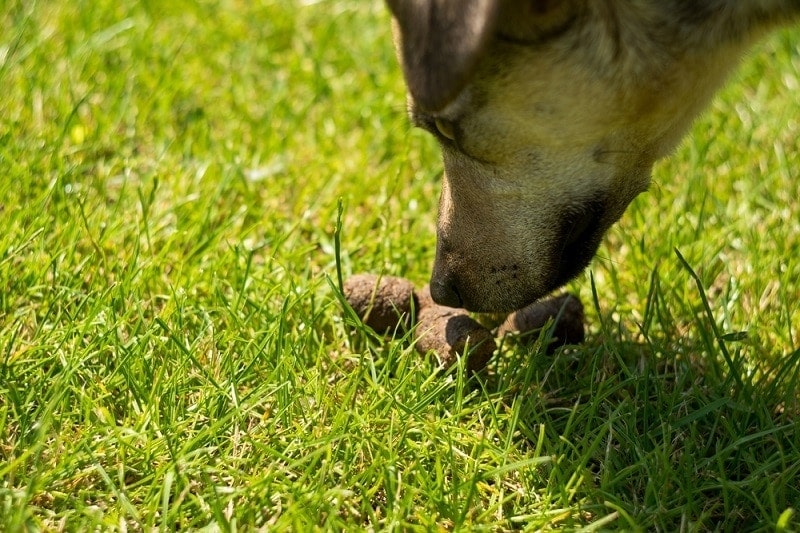
One of the major causes of constipation is dehydration. You’ll be able to tell if this is the case when their poop comes out as hard, rocky pellets. This could be a sign that your pup might not be drinking enough water. Encourage them to drink and always provide fresh, clean drinking water.
3. Switch to Canned Food (If Only Temporarily)
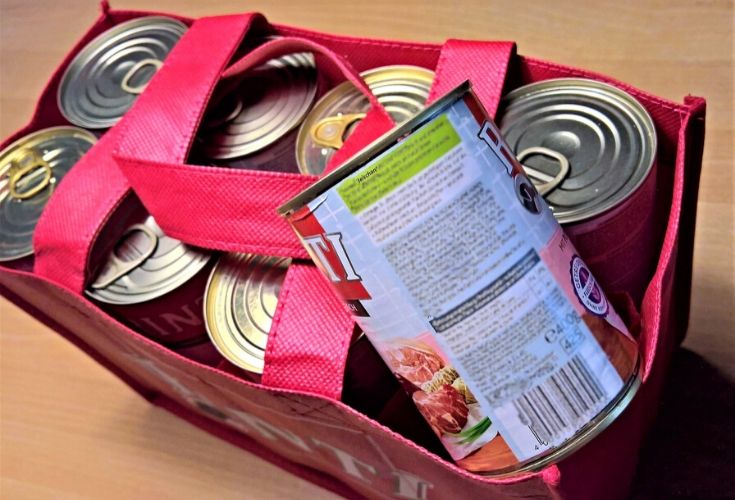
If your pup isn’t too keen on the water bowl, there’s another way to help them get that extra moisture they need. Switch over to canned or wet food. If your dog’s on a high-protein kibble diet, that’s great. However, they need to be able to maintain an appropriate water intake for that diet. If you feel they aren’t getting enough water, swap over to wet food for a bit. Most dogs will love and appreciate the change.
4. Try Feeding Them Bran
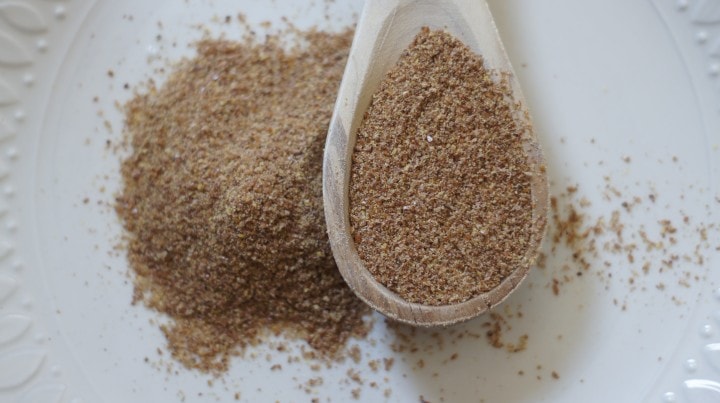
If your dog is getting enough water and exercise, they might just not be getting fiber. And one of the best sources of fiber for dogs is bran! Whether it's wheat, oat, or rice bran, just sprinkle some on top of their food.
5. Add Other Sources of Fiber to Their Diet
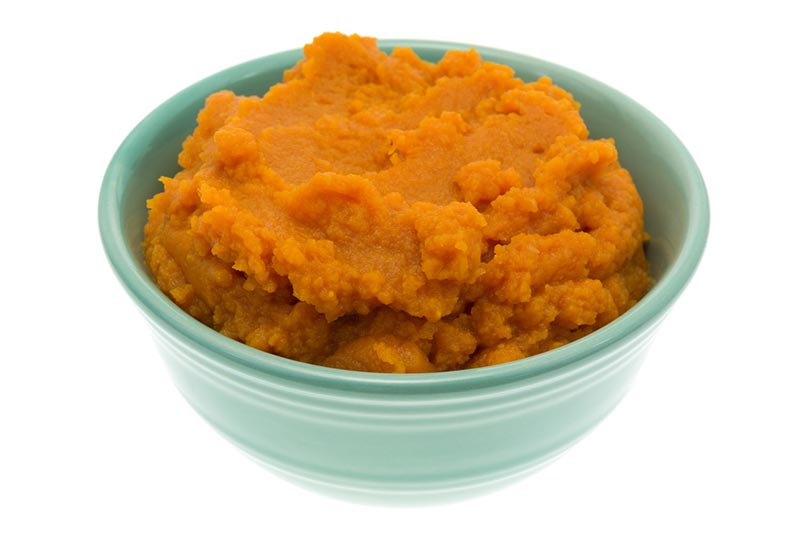
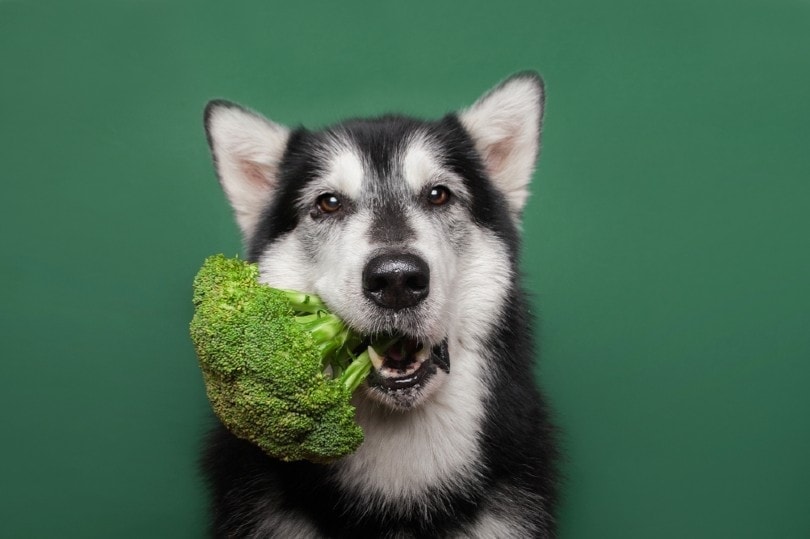
If bran just isn’t cutting it, you can always try other healthy sources of fiber. This could include dark leafy greens, coconut oil, green beans, or broccoli. But picky dogs might not like eating too many vegetables. However, there are two really solid options that most dogs absolutely love: pumpkin and flaxseed. Try giving your dog frozen pumpkin cubes on a hot summer’s day as a great fiber-filled treat. Or serve them up some moist and ground flaxseeds with their food.
6. Introduce Natural Probiotics
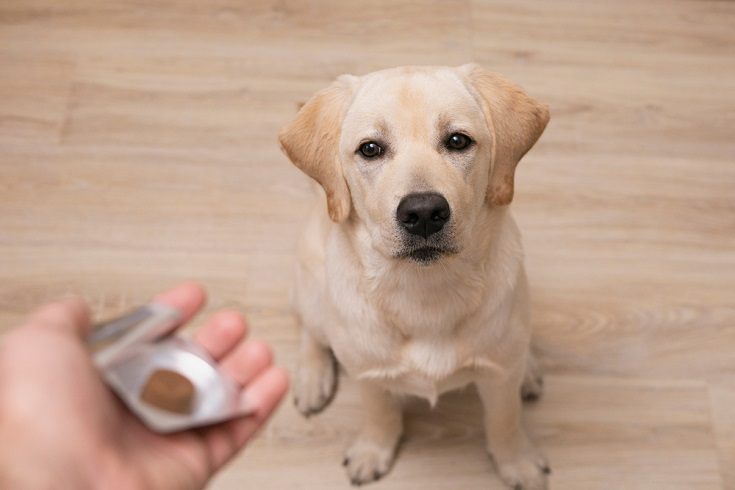
Just like us, dogs need probiotics to help keep their gut health in check. And there’s a bunch of different options out there. You could try feeding them a small amount of yogurt. However, you’ll want to be sure to strictly regulate that since too much dairy can lead to diarrhea. Some dog owners will feed their dogs fermented veggies such as sauerkraut or shredded carrots and ginger. Just be forewarned—fermented veggies can lead to some noxious flatulence that even they’ll leave the room for. If you’re looking for the best possible option, dog-specific supplements are the way to go.
7. Psyllium Husk
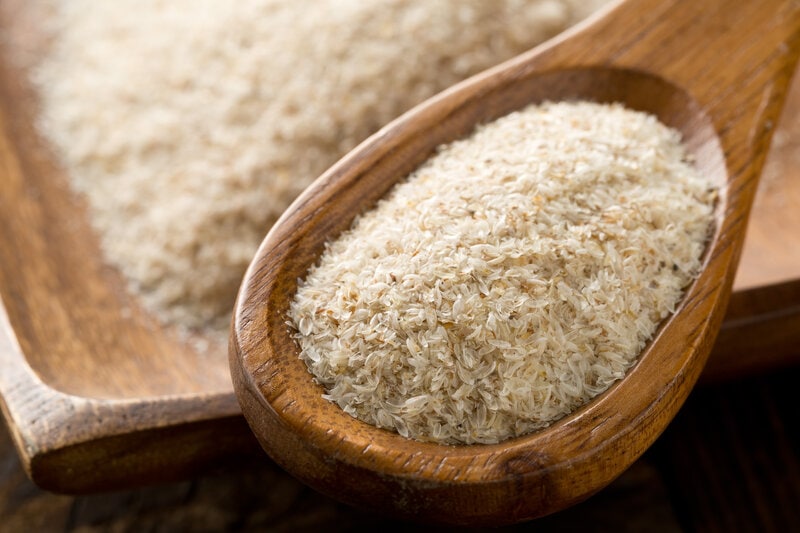
Add a little bit of psyllium husk to your dog’s wet food. Psyllium husk is a natural laxative that, when combined with water, swells and forms a gelatinous mass that helps soften and bulk feces to relieve constipation. Make sure you only give flavorless natural psyllium husk to your dog, as the flavored versions might contain dangerous ingredients that could be toxic to your dog.
8. Chicken or Beef Broth With Ginger

This is a really neat remedy that can be a satisfying lunch for both you and your pooch. Make a chicken soup with broth and ginger. If you’re feeling extra nice, you can even keep some of the chicken in there for them—don’t let them have the chicken bones though. Just be sure to leave out the extra spices and seasonings when fixing your dog’s bowl.
9. Add a Little Olive Oil to Their Food
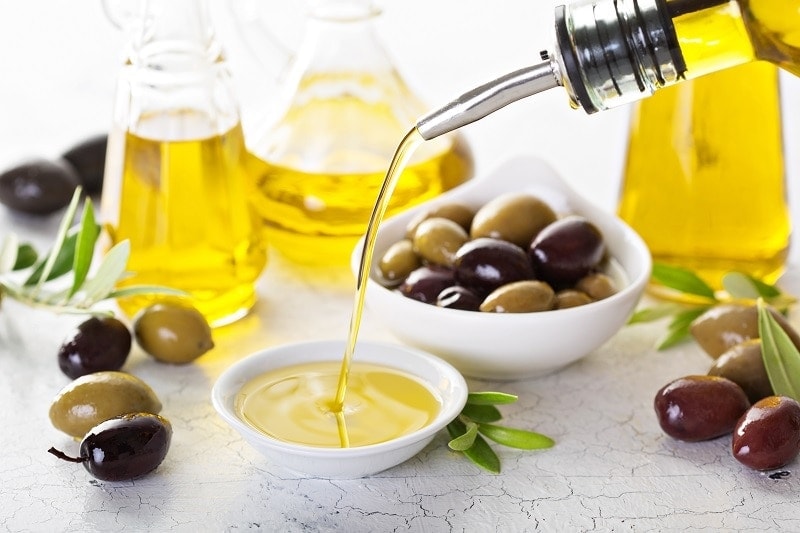
Olive oil actually has so many benefits for dogs—constipation relief being one of them. In order to feed them olive oil, just mix in 1 teaspoon of oil per 20 pounds of body weight per meal. They’ll get the maximum health benefits from the oil, such as enriched coat and nails, cognitive decline prevention, and constipation relief.
Why Do Dogs Get Constipated?
Canine constipation can be caused by a number of factors. However, veterinarians can classify each case into one of three categories:
Intraluminal Cases
These cases are when there is an obstruction that actually takes place within the dog’s colon and isn’t directly related to disease or illness. This could include inflammation, indigestible substances, or abnormal growths.
Extraluminal Cases
Extraluminal cases are when there is something on the outside of the dog’s colon that’s causing constipation such as injuries or other painful conditions.
Intrinsic
These cases of constipation are those directly related to illness, disease, and other malaise.
Common Causes of Dog Constipation
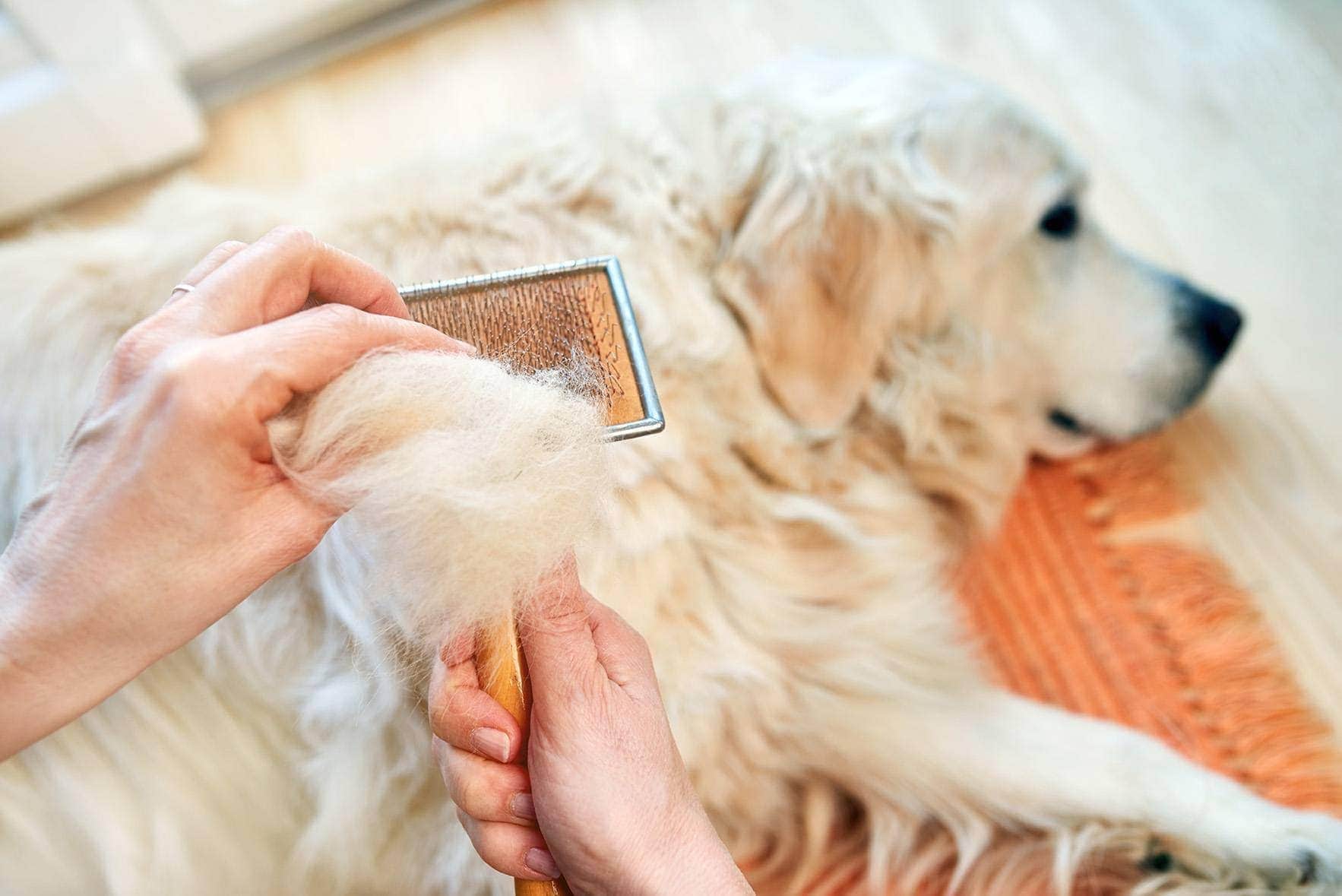
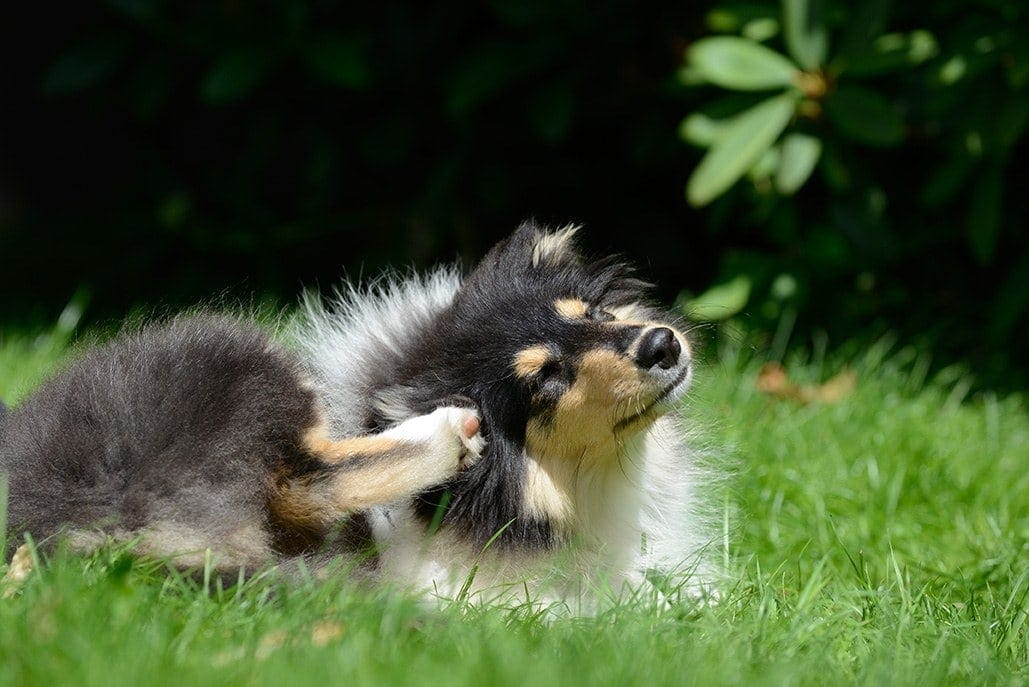
The most common cause of constipation is eating indigestible or otherwise irritating foods or substances. For example, long-haired dogs or those that lick themselves incessantly may find themselves constipated due to hair ingestion.
Other common causes are improper diet and dehydration. As long as you keep your dog’s water bowl filled, there shouldn’t be an issue. However, they may need slightly more water during the hot summer months. Just keep a bottle of water and a collapsible bowl on hand.

Conclusion: Signs of Canine Constipation
Knowing how to recognize when your pooch is constipated will help you to attack the problem before it gets any worse. Here are some tell-tale signs:
- Less than one bowel movement a day
- Blood in the stool
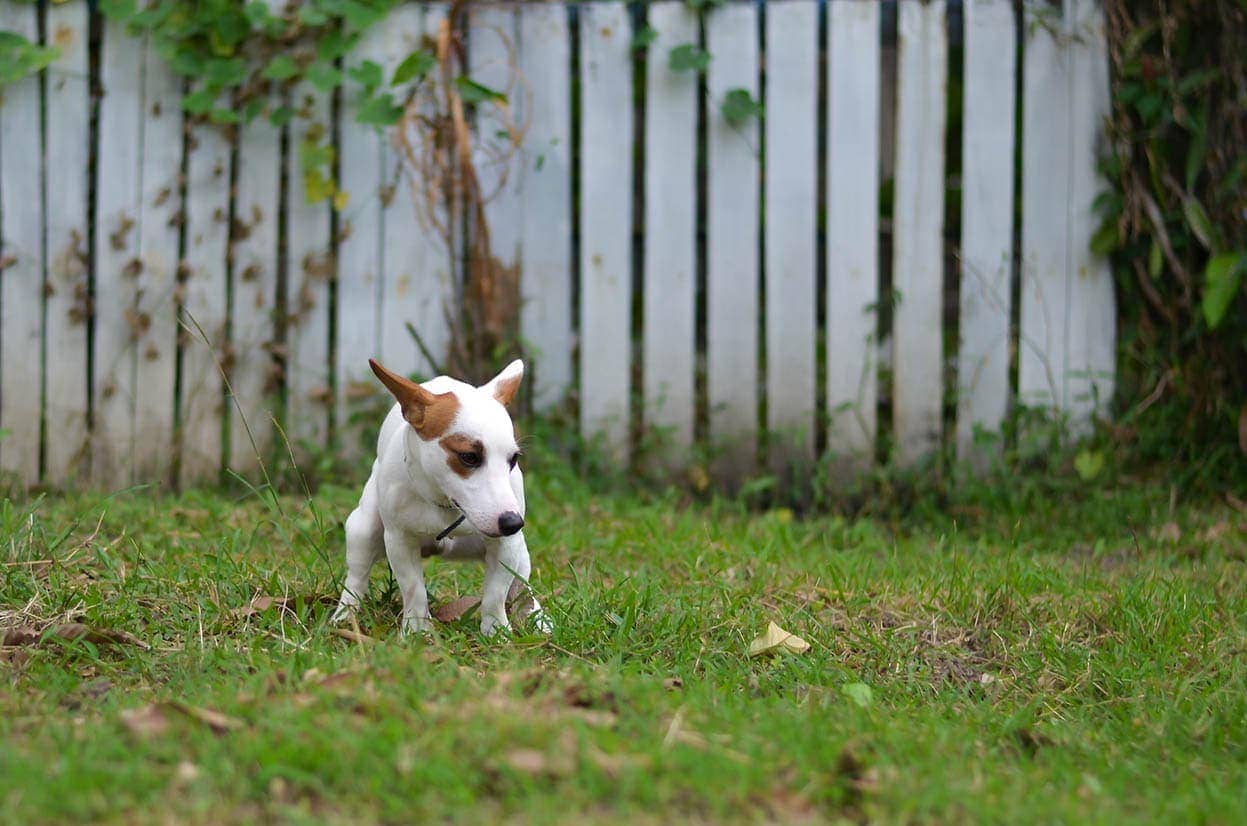
- Signs of pain during bowel movement attempt
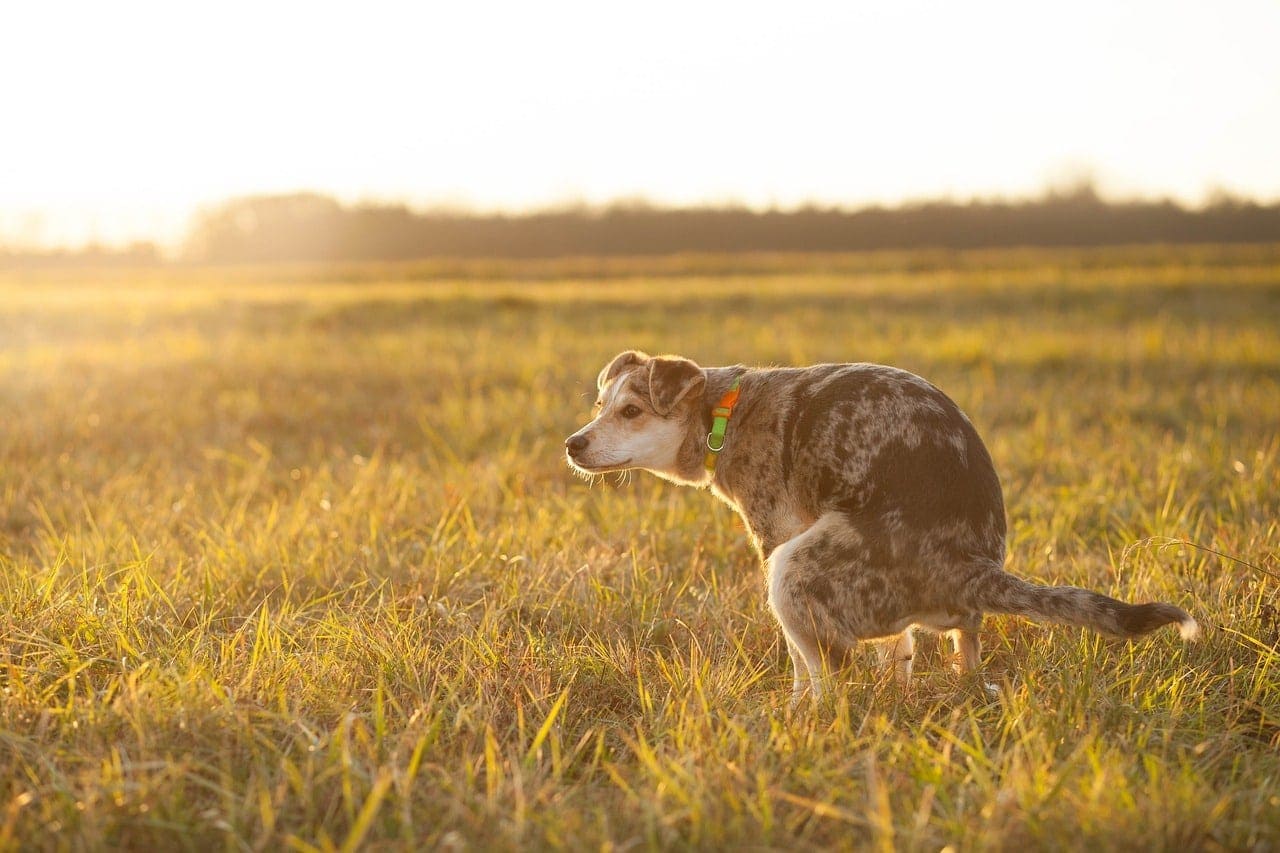
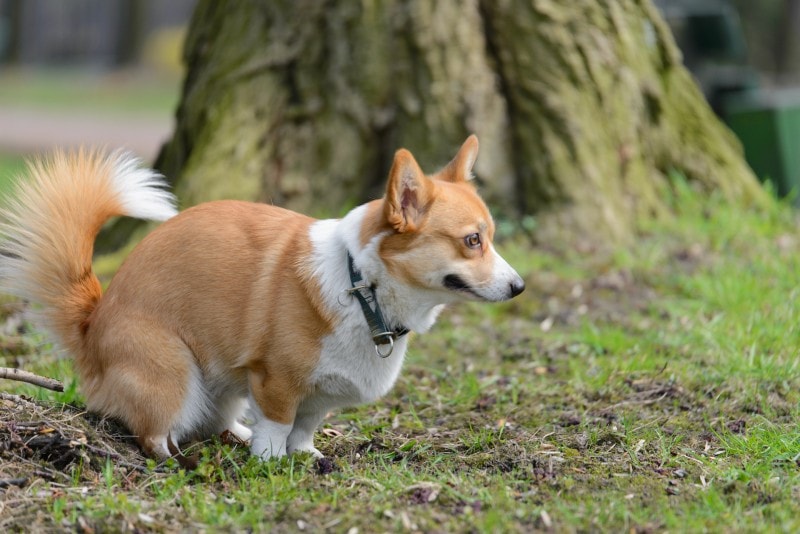
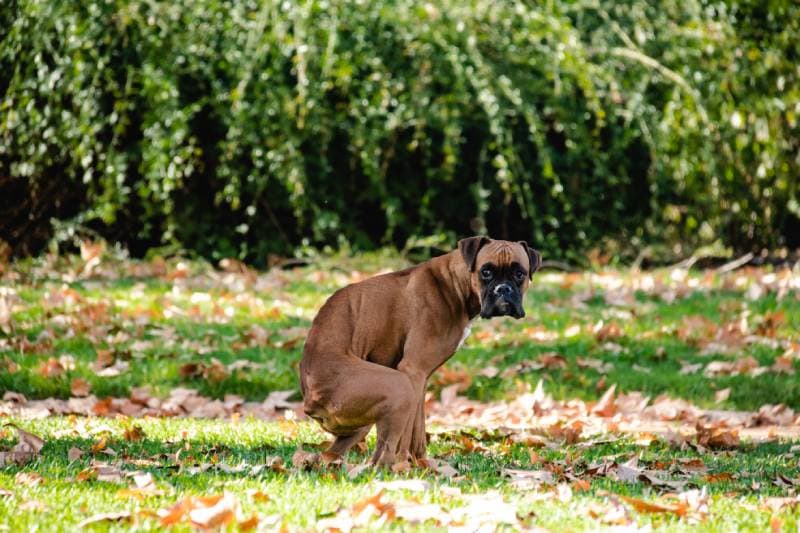
- Strange posture or yelping during bowel movement
- Loss of appetite
- Vomiting
- Problems urinating
- Tender abdomen
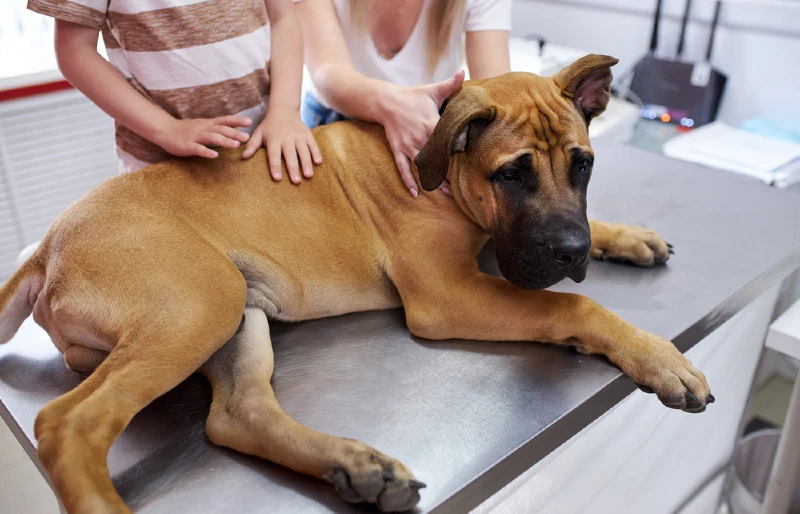
However, if at any time your dog seems overly uncomfortable or hasn’t passed a bowel movement in over 48 hours, contact your vet immediately.
Related Read:
Sources
Featured Image Credit: Javier Brosch, Shutterstock
Get Hepper In Your Inbox


Pet care tips from our vets and experts, straight to your inbox.
You may opt-out at any time. View our Privacy Policy for more information.
Nicole is a lover of animals of all sizes but is especially fascinated with the feline variety. She’s the proud mom of Baby, a Burmese, and works every day so he can relax in the sunshine or by the fire. She’s always had a cat in her home and has spent countless days with others, observing behaviors and softening up even the grouchiest of the lot. Nicole wants to share her kitty expertise with you so you and your cat can live happy, healthy, and care-free.
Join the conversation
Ask a question, share your story, or send private feedback.