Hepper is reader-supported. When you buy via links on our site, we may earn an affiliate commission at no cost to you. Learn more.
How to Stop Diarrhea in Dogs: 6 Vet Approved Home Remedies


In this article
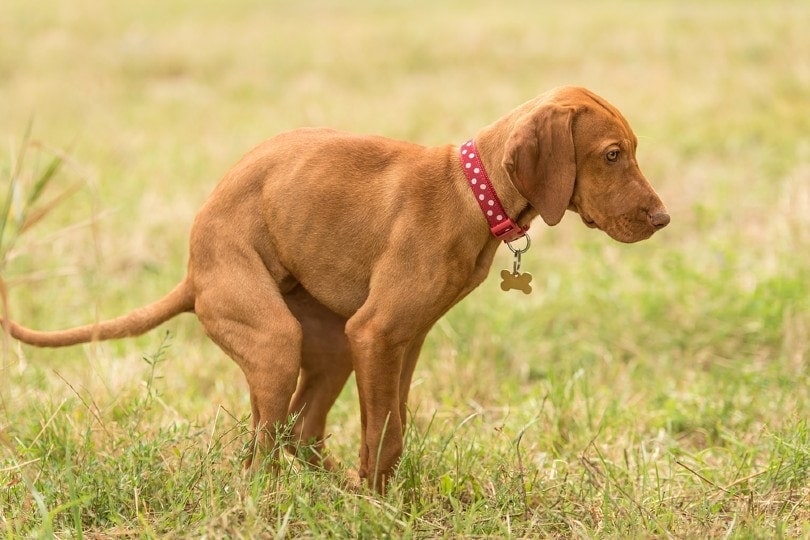
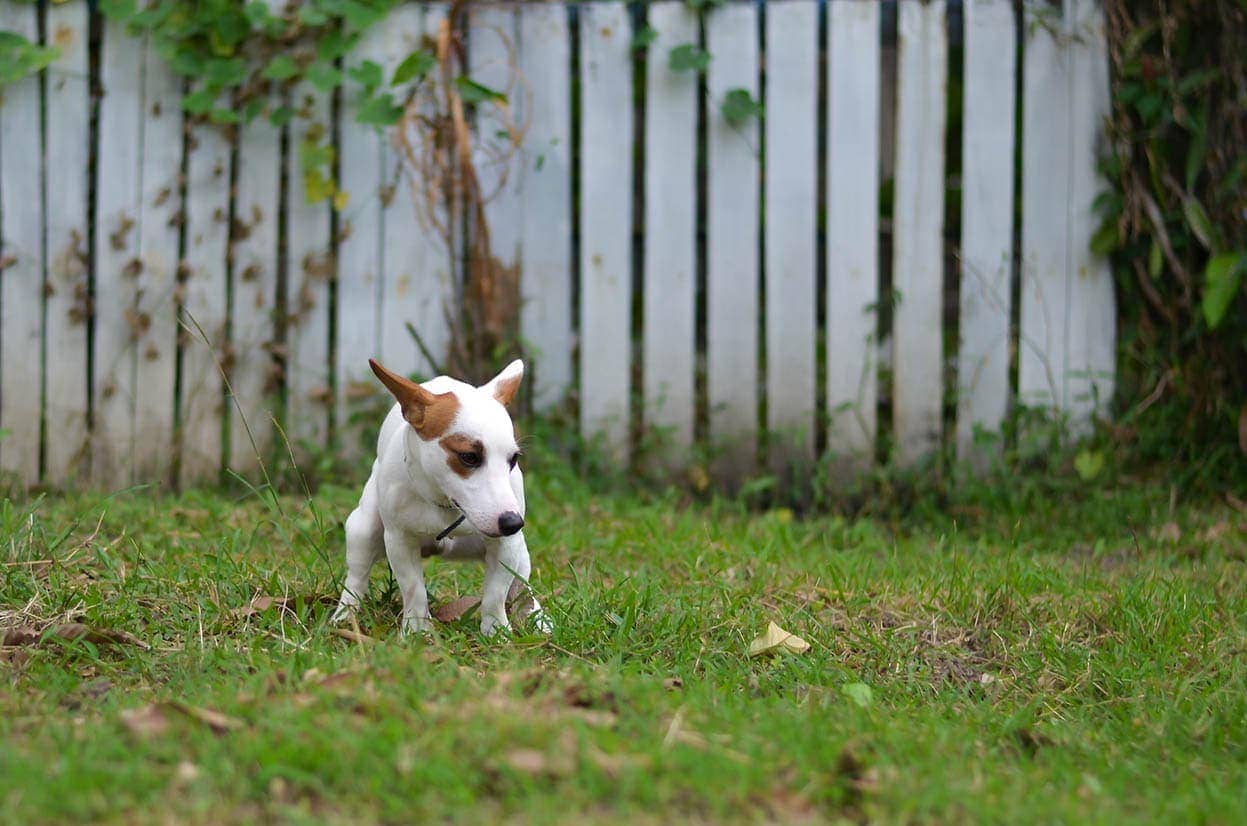
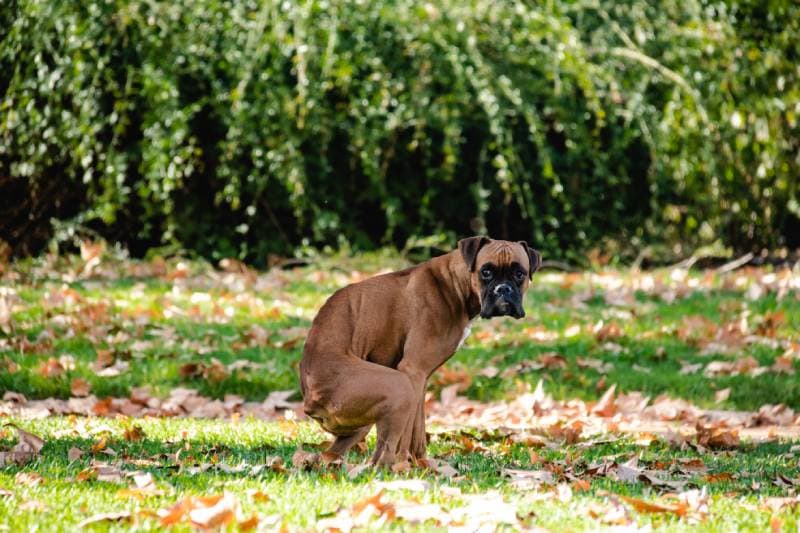
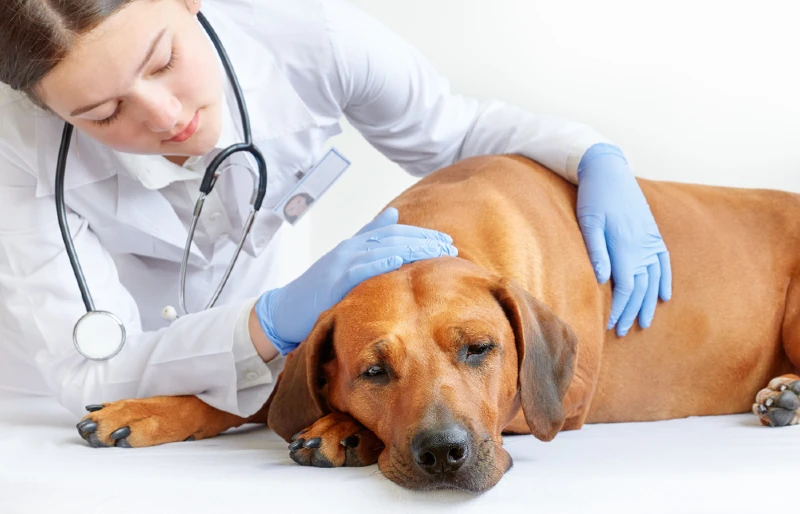
Diarrhea is one of the most common concerns that vets deal with regarding dogs. It’s a very frequent ailment that affects almost all dogs at one time or another. But some of the time, it’s a minor issue that can be easily cured with a simple home remedy.
We know it can be scary when there’s something wrong with your beloved dog. What home remedy can you give your dog for simple cases of diarrhea? If you follow these six tips, you’ll likely be able to manage mild cases of your dog’s diarrhea at home.
However, do not mistake these remedies for a veterinary examination or professional advice, and if your dog is not feeling well, diarrhea is lasting more than 24–48 hours, or they are getting worse, do not persist in treating them at home. Instead contact your vet straight away, so your dog can get the treatment they need.

Why Does My Dog Have Diarrhea?
Before we start discussing ways to manage diarrhea, let’s ask the obvious question: why does your dog have diarrhea in the first place?
There are lots of things that can trigger your dog to have diarrhea, but they can usually be boiled down to a few main causes.
Many of these might require a trip to the vet to treat, but some mild and simpler types of diarrhea can be managed with a few dietary changes and home remedies like the ones we’re about to share with you. But if your dog does need professional help, it’s vital that they get it immediately.
If you have a puppy or an elderly dog with diarrhea, it’s best to get them checked out by a vet before trying any home remedy anyway, as they are more at risk of dehydration. If the puppy is not fully vaccinated, parvovirus is a genuine concern, and this illness can be fatal if not diagnosed and managed in time.
When Should You See a Vet?
There are plenty of methods that you can implement to help manage your dog’s diarrhea at home. But there are also times when doing so isn’t the safest bet for your dog. Sometimes, there’s a more serious issue that underlies the diarrhea and it needs to be taken care of.
So, when should you forgo the home remedies and seek professional help instead?
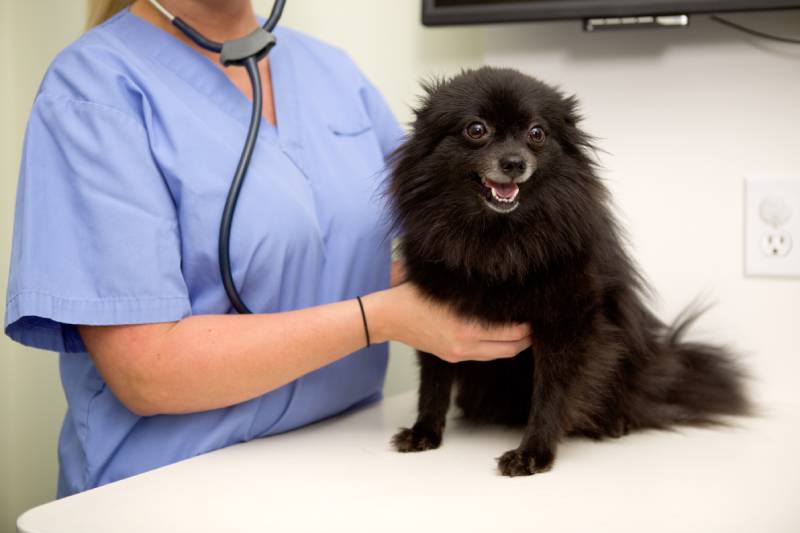
Though diarrhea can often be a mild issue, it can also be a sign of a life-threatening problem. When in doubt, play things safe and call the vet. If nothing else, they can point you in the right direction and provide some peace of mind.

Top 6 Dog Diarrhea Home Remedy Tips:
Now we’ve discussed the main causes of canine diarrhea and we know when to skip the home remedies and go straight to the vet. Luckily, a lot of the time, we should be able to take care of this issue at home without too much hassle. And if your dog is not feeling much better within 24 hrs, or starts getting worse at any point, that’s your signal to call the vet. Follow these tips and read on as we bust some of the common myths about treating diarrhea at home. Your dog should be feeling better in no time.
1. Should You Fast Your Dog?
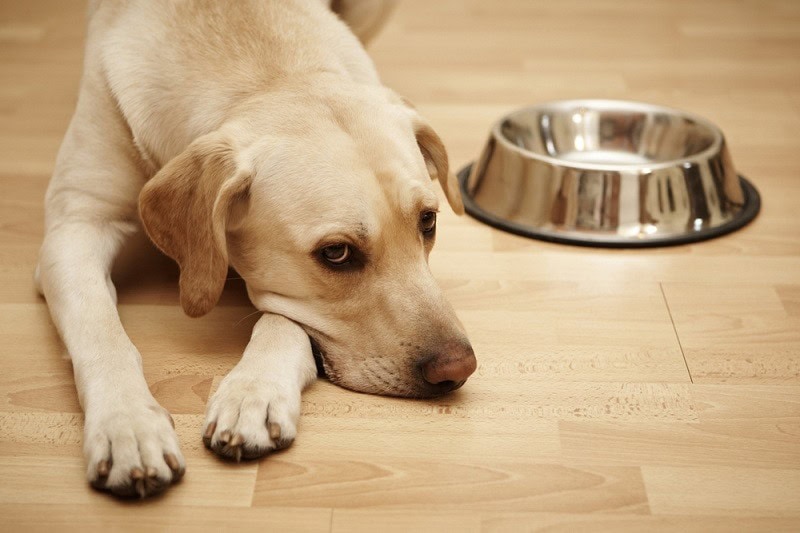
There is still some debate in the veterinary world regarding this question. If your dog is having stomach issues, they’ll likely implement this first step themselves. Fasting was historically thought to be a way to help with issues like diarrhea for dogs, but these days, it is more commonly recommended mainly when it comes to vomiting. Fasting gives the stomach time to empty out, “rest”, and heal up from whatever is causing the current discomfort. Keep in mind that fasting may not be appropriate for puppies, young and elderly dogs, or dogs on medication, as they may be at more risk for dehydration.
A study published in 2003, on a small sample of 30 puppies with parvo, showed earlier clinical improvement and significant weight gain when puppies were being fed from the start of hospitalization, in comparison to pups who were starved.
Many vets are now recommending not to fast dogs with diarrhea, at least not as long as the previous recommendations stated. The reason for this is that the first layer of the intestinal cells, called enterocytes, actually feed directly from the digested food that is present in the intestines. By fasting an animal, these cells effectively starve, and may atrophy within 48 hours if the nutrition is unavailable, making the diarrhea worse and delaying recovery.
In some cases, fasting could be considered. If the dog is feeling nauseous and refusing food, or has vomited alongside diarrhea, it is imperative to contact your vet for advice. They will guide you on whether your pooch needs a check up or if they should have a short fast. In this case, you might just take your dog’s food away for a few hours, but certainly not longer than 12-24 hours.
Make sure fresh water is offered at all times, as your dog will be thirsty. Diarrhea causes a fluid loss from the body that may lead to dehydration and electrolyte imbalance, especially if the dog is not eating or drinking normally or the diarrhea is worsening. In these cases, a trip to the vet is warranted.
2. Feed Them a Bland Diet
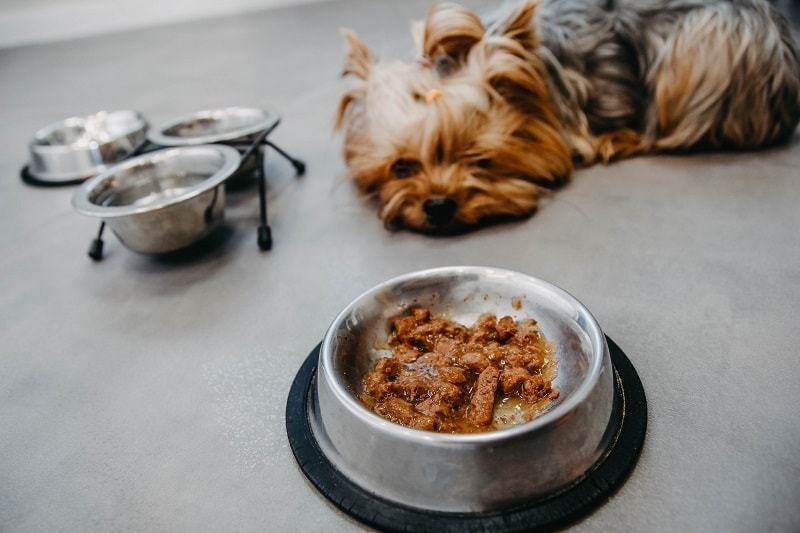
When reintroducing food to a dog with diarrhea, you don’t want to jump right into their normal food regimen. Instead, you’ll want to feed your dog bland food without any flavors or seasonings. This will allow you to reintroduce food without getting the diarrhea started again.
One great way to do this is by offering your dog a simple but nutritious chicken broth soup in the beginning, made by boiling some chicken breasts. Remember to omit the seasonings. This way, they will top up on their hydration.
Many vets also recommend a diet of white rice, potato, or sweet potato and either boiled chicken, turkey or white fish. Again, forgo the seasonings and flavorings. Certainly avoid any dairy, fatty, or raw foods.
The goal is to feed your dog as basic and plain of a food regimen as possible while still meeting most of their nutritional needs, by focusing on a simple protein and carbohydrate source. However, keep in mind that chicken is a common food allergen for dogs and may not be appropriate for every pooch.
Speak to your vet about the adequate food for your dog, as there are commercial kibble and canned options for sensitive stomachs if you prefer to skip cooking. But you won’t want to continue this type of eating for too long without consulting with a vet, as it could create deficiencies in your dog long-term. Three days to 1 week should be plenty of time on a bland diet. Initially mix the diet with the dog's regular food, slowly increasing the amount of the bland food with each meal, so you make this transition slowly and use the same principle when you go back to their usual food. Any sudden food changes could also lead to a stomach upset.
3. Probiotics & Prebiotics
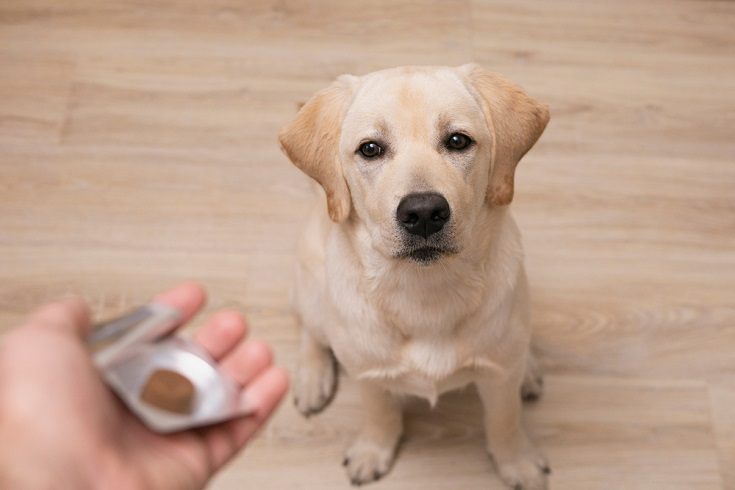
There’s a good reason why probiotics and prebiotics are added to premium dog foods. They provide some excellent health benefits for your dog.
Probiotics significantly increase beneficial bacteria in the gut, helping your dog’s stomach and intestines to fight off and conquer whatever was causing diarrhea, re-establishing the bacterial balance. Moreover, probiotics also keep the less desirable bacteria from overproducing and making your dog sick. This includes nasties such as E. coli and Salmonella.
Prebiotics are a type of soluble fiber that gets fermented by the bacteria in the gut. We all know that fiber is great for digestive health, and that’s partly because of these prebiotics, which help to maintain, restore, and grow gut flora that’s vital to your dog’s health.
Supplements are one of the best ways to give your dog a big boost of healthy probiotics and prebiotics. One of our favorites is the Fera Pet Organics Probiotics with Organic Prebiotics. It provides all the healthy pre and probiotics that your dog needs in one, easy-to-administer powder. Just mix it into your dog’s food and watch it help them fight off diarrhea and maintain a healthier gut.
4. Feed Them Some Pumpkin
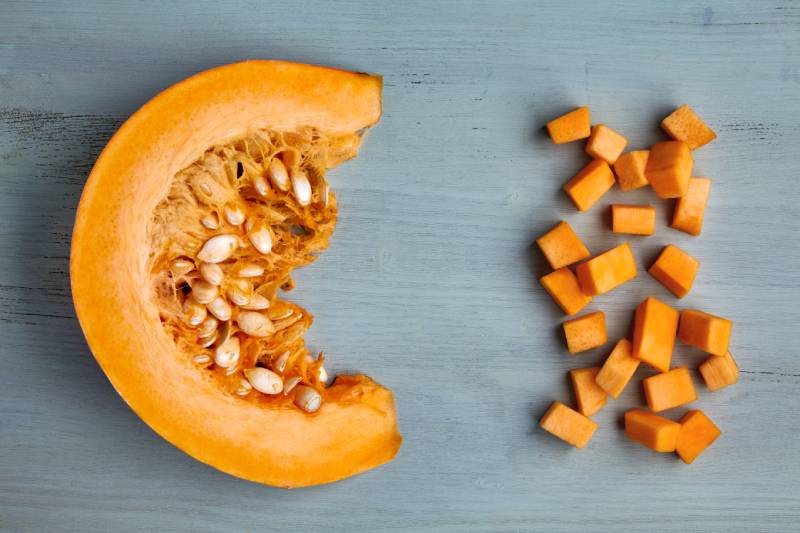
Pumpkin can be a great way to soothe a dog’s stomach and quickly put an end to simple cases of diarrhea naturally, without the need for medication. This gourd is a superfood for dogs, packed with beta-carotene, fiber, iron, potassium, and other health-boosting vitamins, minerals, and nutrients.
For this to work, it must be pure pumpkin you feed your pooch. You could just buy a pumpkin and puree it yourself, or you can get some unsweetened pumpkin puree, powder, or canned pumpkin. Just make sure not to feed your pup old pumpkin because it goes bad very quickly, and don’t add any spices or additives. Check what is in the canned pumpkin, as often it contains added salt, spices, sugar, or other additives, which are not safe for dogs, especially ones with an already upset stomach.
5. Are There Any Safe Over-the-Counter Meds I Could Give My Dog?
No! Deciding which medication is appropriate for your dog, even for what seems to be a simple issue like mild diarrhea, is something only a veterinary professional can advise you on. Your vet will examine your dog, take into account their previous medical history, current medication, age, and health, and follow the specific country legislation. In many countries, vets cannot even prescribe medication for animals they have not physically examined or had as a client of their practice, as this means they are not fully familiar with all of their medical history and aren’t in a safe position to advise about specific medications. After all, you want your dog to be in safe hands and receive the best possible care from a vet who knows all about them and their health.
Many OTC products that are used in humans are actually not appropriate or even safe for our canine companions and should never be considered or used without speaking to your vet. The purpose of many of these meds is to reduce the signs of diarrhea, while the exact cause may remain unknown, masking the illness.
Often, your vet may recommend or prescribe additional products, such as activated charcoal, probiotics or similar, depending on what they think has led to diarrhea, after sometimes even just speaking to you on the phone. Don’t hesitate to get in touch with them; that’s why they are there, and their advice will often be free and may save you money and trouble.
6. Remove the Cause
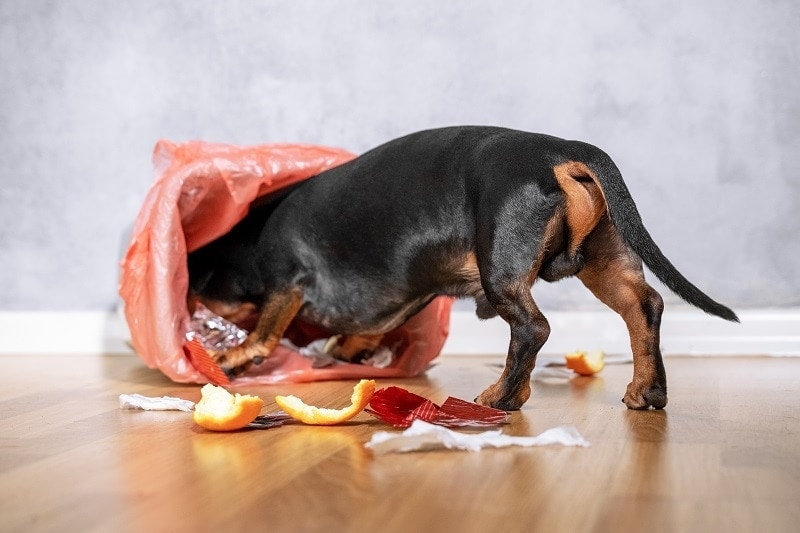
Last but definitely not least: sometimes, the best cure is to remove the cause. You might not always be able to identify the cause, but if you can, removing it is a surefire way to stop the diarrhea.
For instance, if you recently switched dog foods and now your dog is having diarrhea, you can switch back to the old food or try to find a new food that’s easier on your dog’s stomach. Your dog may also have food allergies, and it’s important to speak to your vet about the best ways to identify which food proteins they are allergic to and need to avoid.
If your dog has gotten into the trash recently and that’s the cause of their current bout of diarrhea, then try to find a way to make the trash inaccessible for your dog. If they have gotten ahold of bones, foreign material such as plastic or food packaging, or toxic substances, such as chocolate, onion or grapes, this needs immediate attention from your vet.
Conclusion
Diarrhea is a common sign of various illnesses in our dogs. It might be an indicator of something sinister, but more likely, it’s just a reaction to something your dog ate that didn’t agree with their digestive system.
Just in case, we’ve covered the signs that you should look out for that indicate a bigger problem is at hand and when you need to speak to a vet. But in the absence of those signs, the six steps we’ve outlined should help with your dog’s diarrhea without needing to even leave the house.
Related Reads:
Sources
Featured Image Credit: Zontica, Shutterstock
Get Hepper In Your Inbox


Pet care tips from our vets and experts, straight to your inbox.
You may opt-out at any time. View our Privacy Policy for more information.
Nicole is a lover of animals of all sizes but is especially fascinated with the feline variety. She’s the proud mom of Baby, a Burmese, and works every day so he can relax in the sunshine or by the fire. She’s always had a cat in her home and has spent countless days with others, observing behaviors and softening up even the grouchiest of the lot. Nicole wants to share her kitty expertise with you so you and your cat can live happy, healthy, and care-free.
Join the conversation
Ask a question, share your story, or send private feedback.