Hepper is reader-supported. When you buy via links on our site, we may earn an affiliate commission at no cost to you. Learn more.
Dog Has Diarrhea but Acts Fine? Vet-Reviewed Advice & FAQ


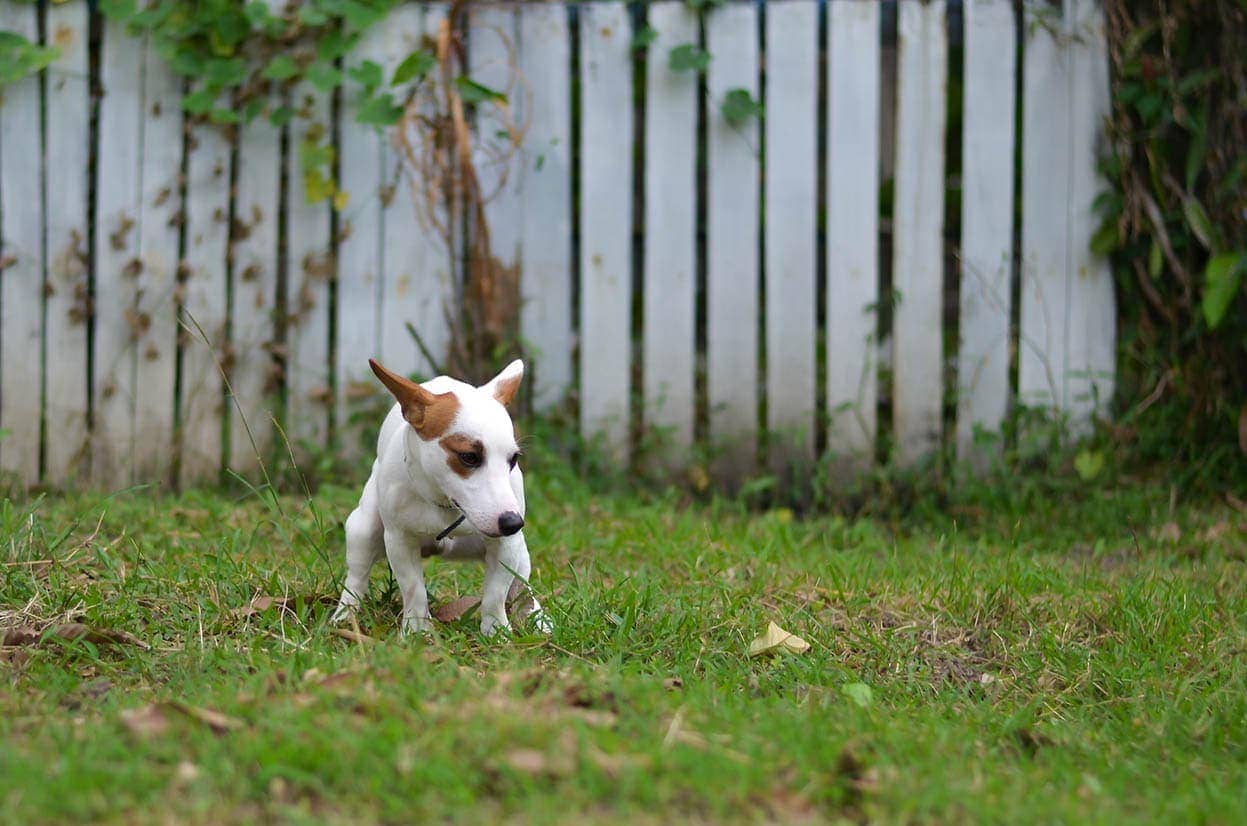
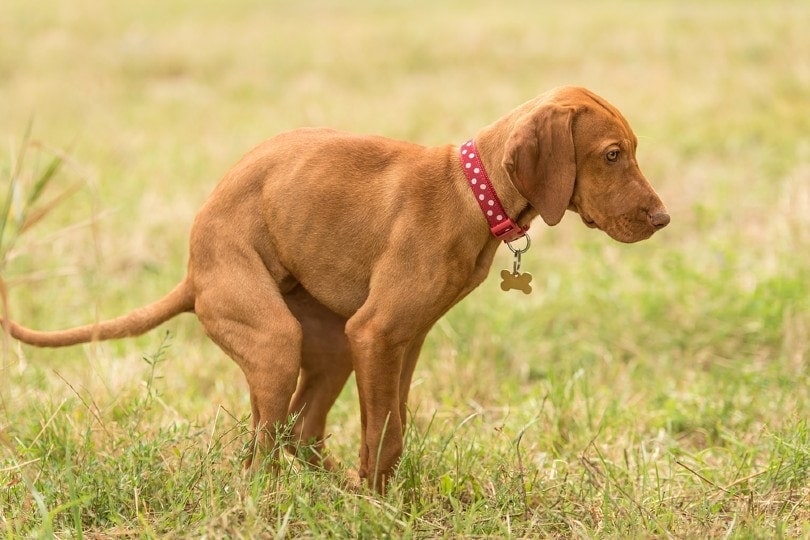
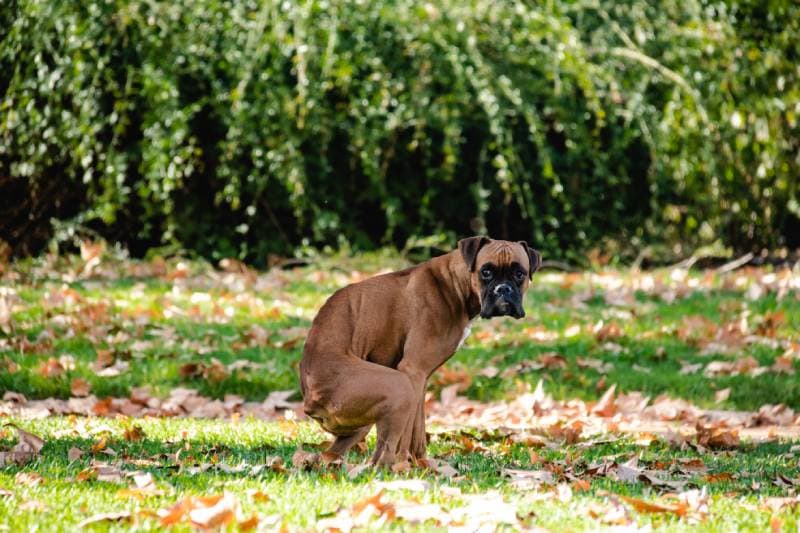
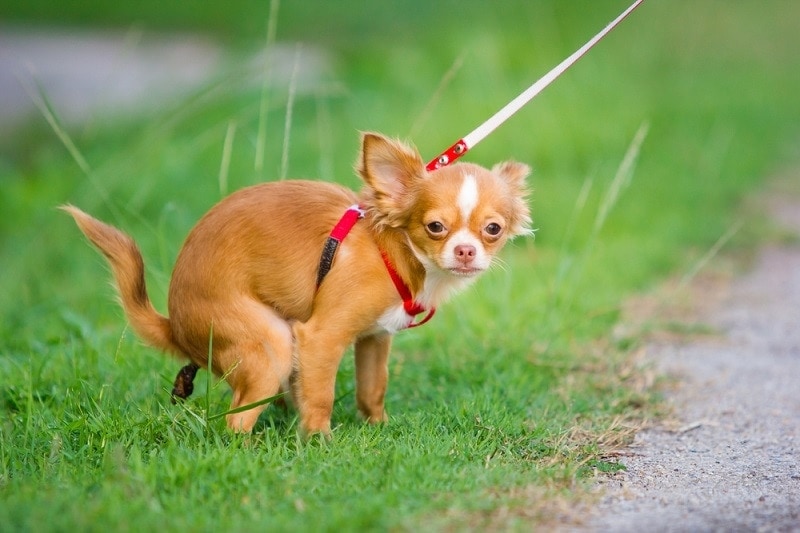
It can be distressing when your dog isn’t feeling well, but what if they have diarrhea and seem to be fine? Should you be worried about this? Should you take them to the vet anyway?
We’ll go over some of the causes of diarrhea and how to treat it at home. We’ll also discuss when it’s important to have your dog looked at by your veterinarian. The health of your dog is of the utmost importance, and we’ll help you through this uncertain situation.

Acute Diarrhea in Dogs
The first step in order to understand what’s going on is figuring out what caused the diarrhea and whether it’s chronic or acute.
Acute diarrhea is quite common in most dogs since they love to use their mouths to explore everything, including eating things they shouldn’t. It also occurs suddenly and usually without any warning but only lasts for as long as the problem is ongoing. In some cases, the diarrhea will clear up on its own, sometimes with help from the owner, but other times it will need intervention from a vet.
Some of the more typical causes for acute diarrhea are:
Chronic Diarrhea in Dogs
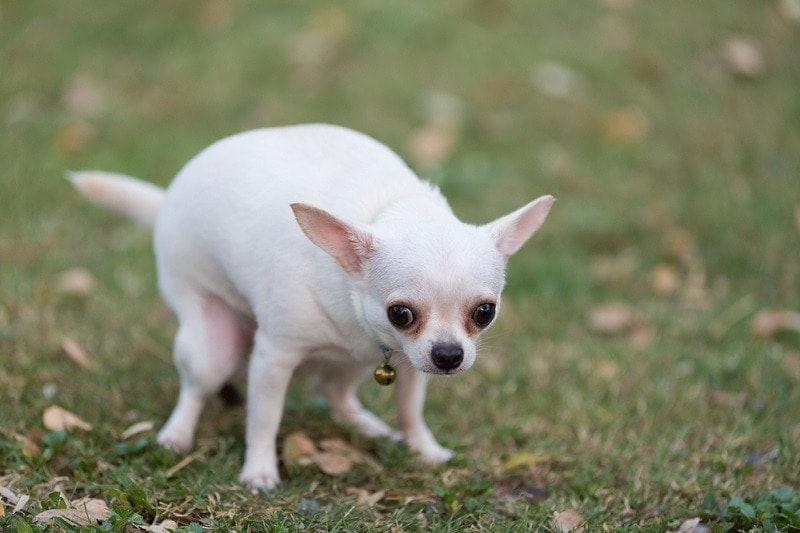
Chronic diarrhea is when a dog suffers from frequent bouts of diarrhea because of a medical issue. Some of the causes for acute diarrhea can also be chronic, particularly if the problem hasn’t been resolved (e.g., a dog that suffers from a beef allergy but continues to eat beef).
Some of the more typical causes for chronic diarrhea are:
If your dog seems to get frequent diarrhea and yet also seems to be okay, they should be taken to see your veterinarian to determine the cause. It could be a serious issue, or it might be an easy fix.
Diarrhea With No Other Symptoms
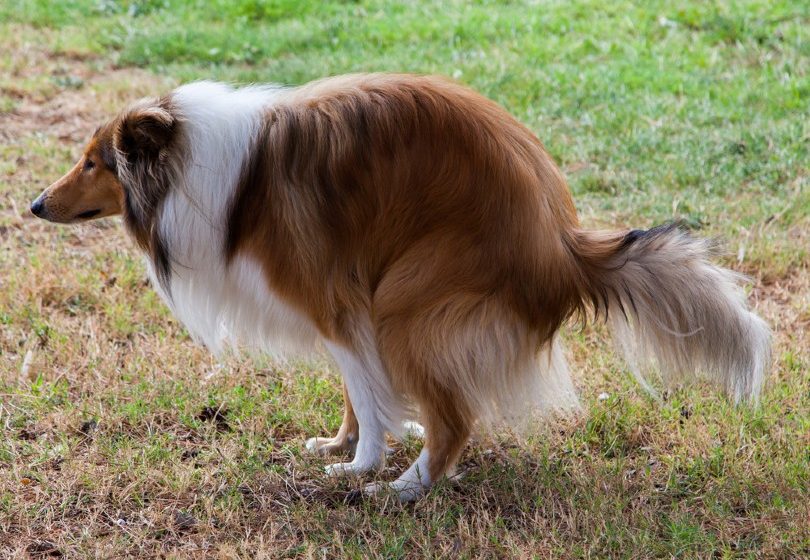
Most gastrointestinal issues are usually accompanied by a number of other signs, such as vomiting, diarrhea, and gas. However, if your dog only has diarrhea and otherwise seems fine, it could be that they are actually fine.
As previously mentioned, you first need to figure out why your dog has diarrhea. If you know they ate something they shouldn’t have, that could be the culprit, and you can take steps accordingly. If you believe they swallowed something dangerous, of course, you should rush them to the vet.
But if they've recently gone through a stressful event and develop diarrhea shortly after, you just need to keep an eye on them and make some adjustments to their diet, which we will go over next. Otherwise, you should keep an eye on the actual stool. If you see any blood in it or any worms, you should definitely take them to the vet.
Also, if your dog has diarrhea for a number of days and just doesn’t seem to be getting any better, particularly if they aren't able to keep any food or liquid down and are lethargic, this is an emergency situation, and they should be seen by the veterinarian immediately.

The 4 Ways to Help a Dog With Diarrhea at Home
So, your dog has diarrhea but otherwise seems perfectly okay. Their appetite hasn’t changed, and they are still drinking enough water and not vomiting. You can wait without checking in with your vet for 1 or 2 days to see if it gets better on its own, as long as you follow the next pieces of advice:
1. Do Not Fast
Historically, the usual recommendation for dogs with gastrointestinal upset was to provide “gut rest” through fasting. More recent research has found that continuing to feed dogs through bouts of diarrhea supports normal gut function and prevents further problems. However, feeding should be “little and often,” meaning your dog should be fed several (four to six) small meals throughout the day.
2. Bland Diet
As well as feeding your dog small and frequent meals, you should only be giving them bland food. This means doing a little cooking or buying food with this in mind.
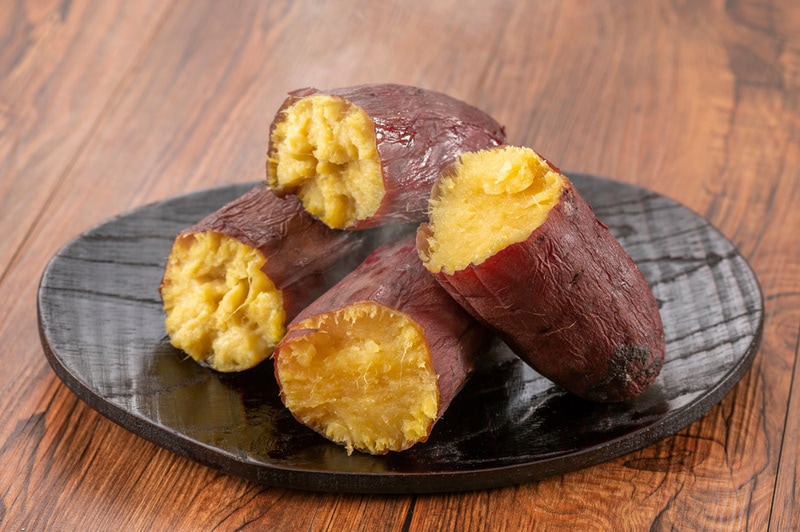
A single source of protein and carbohydrate is ideal. Boiled meat with boiled potato, sweet potato, pasta, or steamed rice is the best option for a bland diet—ground chicken or turkey will work well (unless you suspect your dog may have issues with either of these), and the rice can be white or brown. You can make a larger batch and feed your dog from it to avoid cooking each meal separately.
Start by giving small amounts every 4 to 6 hours, and if you notice an improvement, then start increasing the quantity and decreasing the frequency for the next two days. Once your dog’s stool is back to normal, you can start mixing your dog’s regular food into the bland food. Start by adding 25% of the regular dog food with 75% bland for 2 to 3 days and gradually increase to 50% each, then 75% to 25%, and then all regular all the time. Following this plan, your dog will be back to their usual diet in around 10 to 14 days.
Just remember that it needs to be bland. No frying or baking—boiling only. And no added seasonings!
Related Read: 11 Best Dog Food for Diarrhea – Reviews & Top Picks
3. Pre- and Probiotics
These live bacterial supplements (probiotics) are worth trying as they might make a difference in your dog’s diarrhea. Some of them will include certain anti-diarrhea ingredients (adsorbents), such as kaolin or bentonite. Prebiotics are ingredients that act as food for the beneficial bacteria in your dog’s gut.
4. Stop Treats
Until your dog’s diarrhea gets better, you should stop giving them any treats. In fact, giving too many treats could be the trigger for your dog’s gastrointestinal issue. If you still want to reward your dog with food, you can use some tiny pieces of boiled chicken or some of the highly digestible kibble you may have bought for them.
When It’s Time to See the Veterinarian
The measures above should help your dog’s stool go back to its regular state, but you’ll want to take some steps if it doesn’t.
Again, if your dog seems okay after a few days but the diarrhea isn’t clearing up, you’ll want to bring a stool sample to your vet so they can check for parasites or any other issues. If there are parasites, your vet will provide you with medication that you can administer at home.
However, if your dog starts to develop other signs—blood in the stool, vomiting, refusing to eat, lethargy—it’s definitely time to take your dog to see the vet. Other than the serious underlying health issues your dog may be suffering from, a very critical problem is dehydration.

Conclusion
If you suspect or actually observed your dog eat something they shouldn’t have but they are otherwise acting like their usual self, you can usually take care of them yourself. However, if you’re worried or if the diarrhea goes on longer than 24 hours, it’s time to take them to see your vet.
We want your best friend to be healthy, and even just calling your vet might help alleviate any concerns you have. We hope this article has helped to give you a better understanding of why your dog might have diarrhea and how to best handle it.
See Also:
Featured Image Credit: Kiadtisak-Khwanyu, Shutterstock
Get Hepper In Your Inbox


Pet care tips from our vets and experts, straight to your inbox.
You may opt-out at any time. View our Privacy Policy for more information.
Kathryn was a librarian in a previous lifetime and is currently a writer about all things animals. When she was a child, she hoped to work in zoos or with wildlife in some way, thanks to her strong love for animals. Unfortunately, she's not strong in the sciences, so she fills her days with researching and writing about all kinds of animals and spends time playing with her adorable but terribly mischievous tabby cat, Bella. Kathryn is hoping to add to her family in the near future – maybe another cat and a dog.
Join the conversation
Ask a question, share your story, or send private feedback.