





Click to Skip Ahead
These oldie goldies all lived to be over 2 decades old. Some more than double that. Wow! However, such extreme lifespans are uncommon. As goldfish owners, can we find interesting secrets to goldfish keeping here? While many people struggle to have their fish live past a few months (if that), long-lived goldfish are proof that their owners are doing something right. Let’s start with Bob!
Please note – This article includes historical and anecdotal reports of unusually long-lived goldfish. Lifespan alone does not reflect optimal care or welfare, and some examples may involve outdated or suboptimal husbandry practices by modern animal welfare standards.


The 9 Oldest Goldfish in the World
1. Bob

Age: 20
This little old guy’s a fighter! Bob reportedly gained media attention in 2017 after undergoing tumor removal surgery. The owners paid $250 to have the procedure done on their beloved fish.
2. Byker Family’s Goldfish
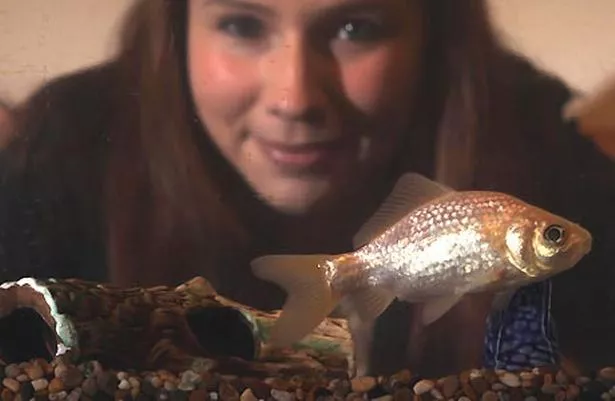
Age: 21
One of the oldest known goldfish in the UK, this fish was never given a name. Owner Samantha speculates that appropriate nutrition and avoiding overfeeding contributed to his longevity.
3. Sally
Age: 23
Sally gained attention online after her owner created a homemade buoyancy aid using a cork and fabric from a swimsuit to help manage her swim bladder disorder.
4. Tom & Jerry
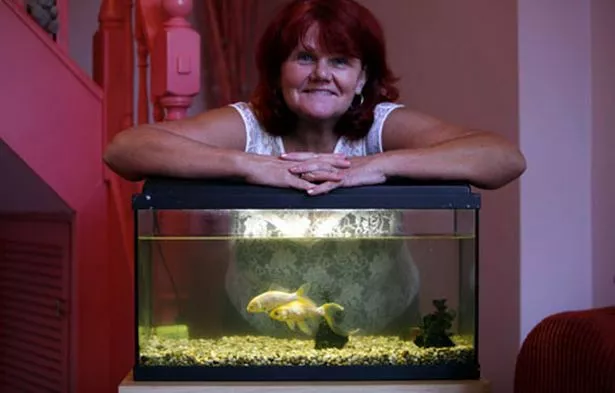
Age 23 and 21 (as of 2011)
Tom & Jerry were funfair goldfish reported in North America, sometimes described by their owner as living unusually long lives under simple care conditions.
Janice said:
“We’re not doing anything in particular to keep them going. They just have a simple tank with a pump, and we give them ordinary fish food.”
It appears one was recovered from “rockitis…”
“One of the fish almost died a while back after swallowing a stone. I heard a strange gurgling sound, so I took it out and gently squeezed the top of its mouth, and the stone popped out. I saved its life!”
5. Sharky
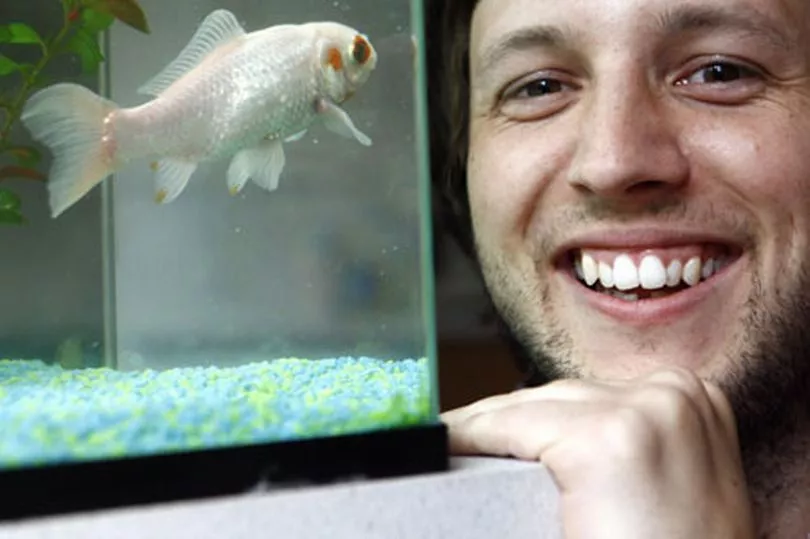
Age: 24
Another wizened funfair goldfish makes the list! Little Sharky reportedly survived being flushed down the toilet, an unusual event that he somehow survived before being recovered by his owners.
6. Splish & Splash

Ages: 38 and 36
These two fair fish shared a 9.35-gallon tank for over 30 years together until Splish passed away. Their parents placed the new arrivals into a bowl before acquiring a second-hand plastic tank from a friend.
“The fish stayed in the plastic tank until 2004 when I bought a tank with a filter system,” said Mr Wright.
“It was luxury compared to their last tank. It’s about 18 inches long, 10 inches deep, and a foot high. I call it their retirement home.”
7. Fred & George

Ages: 40 & 40
Fred and George are a pair of funfair goldfish reportedly claimed by their owner to be exceptionally long-lived.
Fish lovers around the world can sympathize with their attachment:
“We go on holiday to Devon a lot, but I can never be away from my babies for too long.”
8. Tish
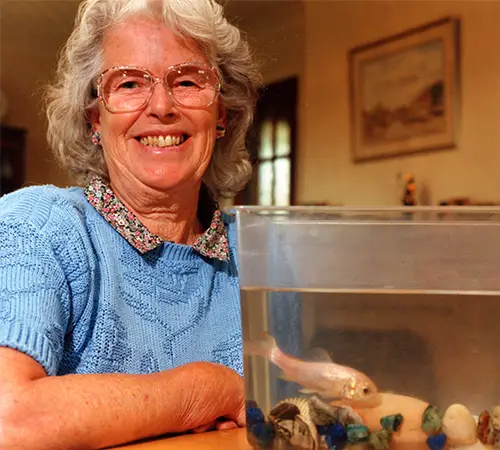
Age: 43
Fair fish Tish clocked in at about 4.5″ nose to tail. He was reportedly described as exceptionally long-lived for a goldfish, though his exact record status is not independently confirmed.
Owners believe:
“…the secret of his long life was not being overfed, and being put in the sun occasionally.”
He had a habit of jumping out of his bowl until they added a protective net over the top.
9. Goldie

Age: 45
Goldie was housed in an 18-inch (smaller than 10 gallons) aquarium with a few aquatic snails, some plants, and shells. The fish was even the star of his own movie!
However, Tish remains the officially longest-lived goldfish, as further documentation was needed for Goldie. A scale sample could have been taken, but the owner was not willing to have the fish subjected to the stress.

Observations on These Record Holders
Look carefully, and you’ll notice these long-lived goldfish often share certain environmental and care-related factors.
1. Size
Many of these fish were relatively small compared to typical large adult goldfish, often due to the conditions they were kept in earlier in life. Stunted growth in fish occurs when restricted space or poor water conditions slow normal development, resulting in a smaller body size that does not necessarily reflect overall age or survival. Poor growth conditions (stunting) are associated with health stress, and while some fish may survive long-term, this does not mean stunting is beneficial or increases lifespan.
Conclusion:
Goldfish longevity depends on many factors, including genetics, water quality, diet, oxygen levels, and long-term care—not size alone.
See More: Stunted Goldfish: Is it Harmful?
2. Living in Unheated Environments
Living in unheated environments can slow a goldfish’s metabolism and growth rate due to lower water temperatures.
Conclusion:
While cooler conditions may influence metabolism, goldfish lifespan depends on multiple factors such as water quality, nutrition, genetics, and overall care—not growth rate alone.
3. Living in Smaller Aquaria
Smaller aquaria can limit growth indirectly by creating poorer water quality, reduced oxygen levels, and higher environmental stress, rather than through hormonal concentration. This can cause chronic stress which negatively affects health, welfare, and development. Rather than following the typical guidelines for these types of goldfish, which can grow 12″ in a larger environment, the humble fishbowl (so often ridiculed) was the first home for many of these fish – and for Tish, it remained his forever home. Today, these types of aquariums and bowls are considered inappropriate, and goldfish should be kept in spacious, well-filtered aquaria or ponds that allow for proper swimming space and stable long-term water conditions.
Others were housed in tanks of around 10 gallons. While some goldfish may survive in small tanks with diligent maintenance, larger, well-filtered environments are generally recommended for long-term health and proper development.
Conclusion:
Small tank size is not the only factor affecting goldfish health, but adequate space and stable water conditions are important for their well-being.
Related Post: Why Goldfish Tank Size Isn’t As Important as You Think
4. None Were Fancy Goldfish
Every single one is your typical feeder/fair fish, common or comet goldfish.
It is commonly observed by fish keepers that fancy goldfish may have shorter lifespans due to their more extreme body shapes, which can contribute to a range of health issues. These long-lived fish are closest to their natural ancestor, the carp.
Conclusion:
More streamlined goldfish varieties may have fewer health issues, but lifespan is strongly influenced by care, genetics, and environment.

Last Observation
All of these goldfish (except Bob) lost their color in their old age. Maybe Bob’s still got a little while to go before that happens.
Why? Just ask the next 80-year-old you run into why they have gray hair! However, color loss in goldfish can occur with age but is also influenced by genetics, environmental conditions, diet, and overall health.
Fish Welfare and Responsible Care Considerations
Some of the goldfish featured in our longevity stories may have lived for many years, but a long lifespan alone does not necessarily indicate good welfare or optimal care conditions.
Goldfish are sentient animals that require stable water quality, adequate space, and appropriate environmental conditions to support their health and behaviour. While some individuals can survive in smaller or less ideal settings, modern aquaculture and animal welfare guidance generally consider poor water quality and limited space to be stressors that negatively affect well-being and development.
The idea of stunted growth is often misunderstood. It is generally viewed in veterinary and scientific contexts as a response to environmental restriction rather than a desirable or healthy trait.
Research also shows that goldfish are capable of learning and memory, contrary to outdated myths, although they still have specific care needs that must be met for good welfare.
For responsible fishkeeping today, the focus should be on providing proper filtration, sufficient space, and stable conditions rather than relying on survival or lifespan alone as a measure of success.
Why Do Most Fair Fish Live Such Short Lives?

In our opinion, the real reason most fair fish don’t live long is because of three main problems:
- Ammonia poisoning is primarily caused by insufficient biological filtration and uncycled or poorly maintained tanks, rather than overfeeding alone or a lack of live plants.
- Some pet stores and fair fish may be highly stressed or weakened, though disease prevalence varies depending on sourcing and handling.
- Stress from everything they’ve been through to get to where they are.
Of course, genetics can also play a role in longevity, hence why one can die in 2 days while the other lives 2 years. They have both been through a lot of stress, but one is just hardier than the other.
That said, it is not acceptable that goldfish so often die within weeks or months of being brought home. Fair fish can live long lives under proper care, but outcomes depend on multiple factors, including water quality, aquarium size, genetics, handling, and long-term husbandry—not a single cause. However, given the right conditions, they can be long-lived pets, for sure!

Conclusion
We hope you had fun reading this post, or perhaps learned something interesting about appropriate ways to care for fish. Maybe this overturns some of what you have previously been told about goldfish. Either way, age certainly can hold wisdom – wisdom we can use to broaden our knowledge of the fascinating goldfish species and how to properly care for them and their well-being.
Featured Image Credit: Buddy BIGPhotographer, Shutterstock