Hepper is reader-supported. When you buy via links on our site, we may earn an affiliate commission at no cost to you. Learn more.
Orange Tabby Cat: Info, Pictures, Origin & History
In this article
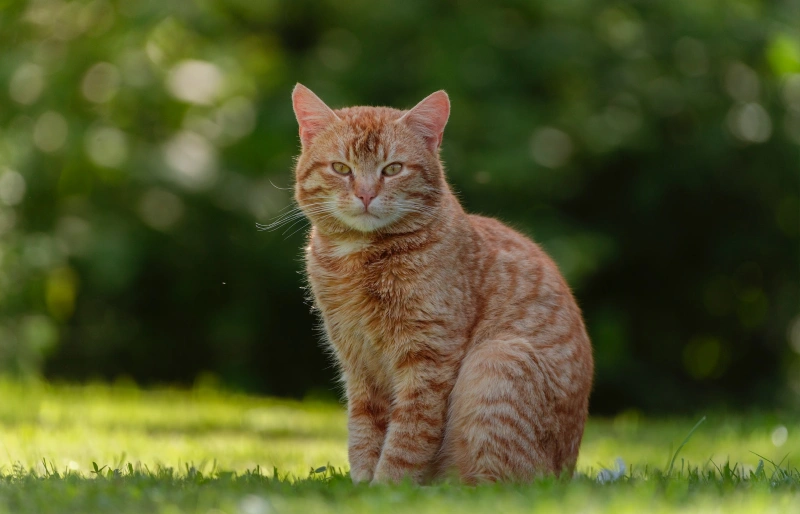
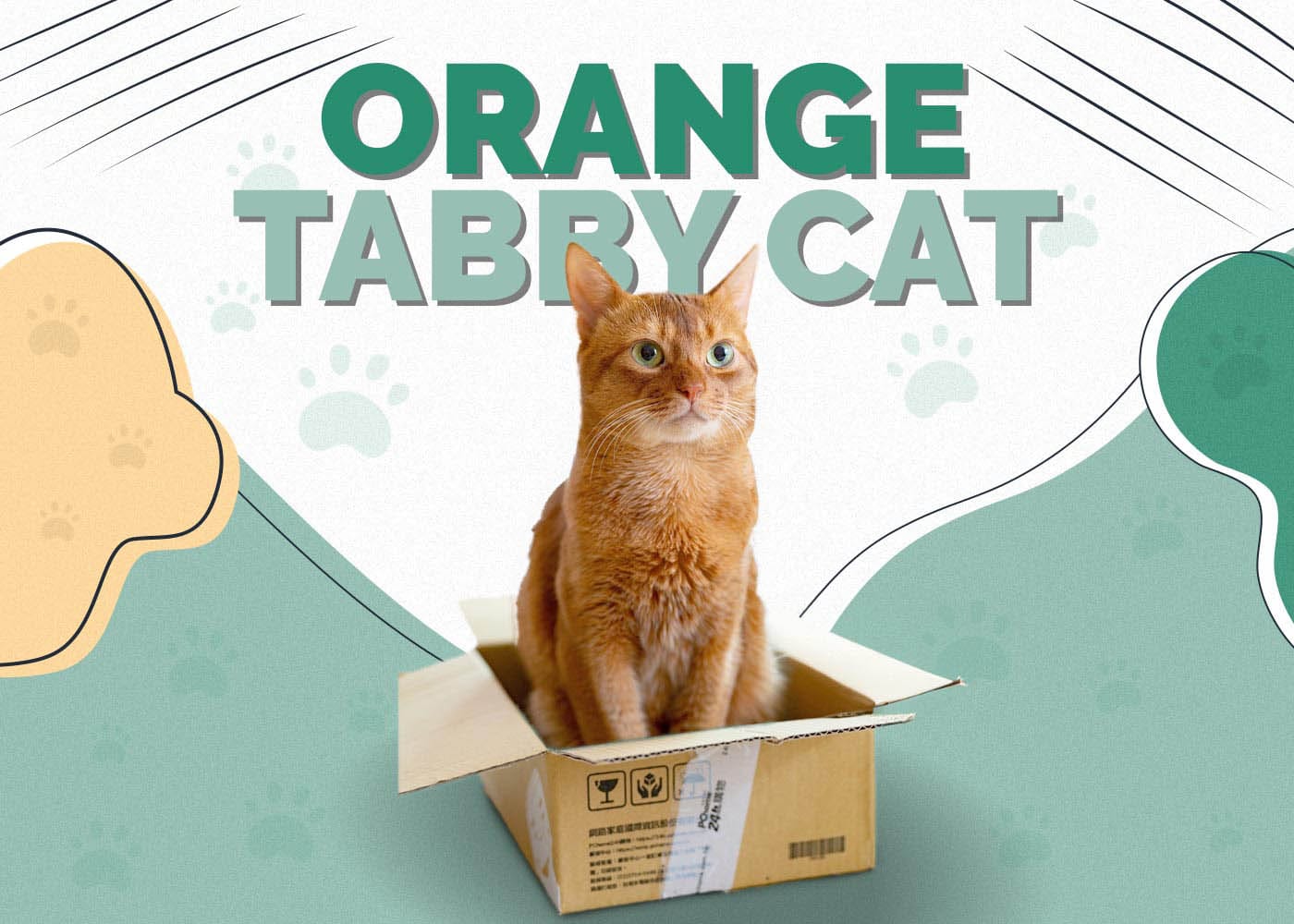
Some people believe that orange cats are mischievous compared to other cats, and Garfield, the infamous comic strip cat, is most likely to blame for this. While this may or may not be true, orange tabby cats are certainly adorable, which is just one reason why they are so popular.
Let’s take a look at some other reasons why these cats are so special.
Breed Overview
Height:
Weight:
Lifespan:
Colors:
Suitable for:
Temperament:
Since orange tabbies can be found in several different breeds they differ widely in size and patterns, but they often share the same friendly, curious, and outgoing personality. Many owners of orange tabby cats claim that these felines are more affectionate than other cats, and while this could certainly simply be due to bias, almost all orange tabby cats are male, and males are known to be friendlier than female cats—generally, of course1.

Orange Tabby Breed Characteristics
The Earliest Records of the Orange Tabby in History
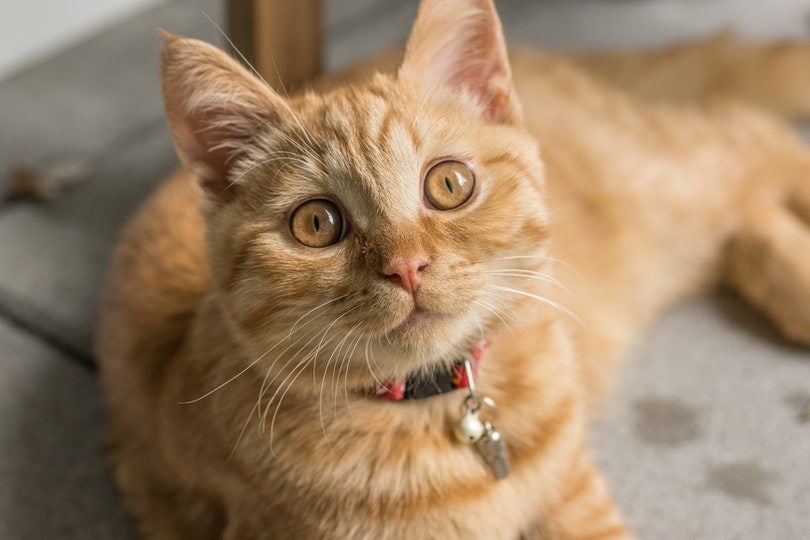
Orange tabby cats are not a specific breed—the color and pattern can be seen in many cat breeds. Experts believe there were orange tabbies in ancient Egypt as they are depicted in some Egyptian art.2 Some historians say they are modern descendants of the Egyptian Mau, which has a similar pattern to tabbies. They also both have the same distinct letter "M" marking on their foreheads.
They gained popularity as companion animals and as pet control on merchant ships that moved along trade routes. The genetic mutation responsible for the tabby pattern emerged during the Ottoman Empire; however, it was not until the 19th century that these physical traits were selected to produce “fancy” tabbies.
According to a biblical legend, a tabby visited the manger where Jesus was born and nestled beside the baby. Mary was grateful to the cat and thus marked it with her initial "M" so that anyone who saw it would see what it had done and distinguish it from other cats.
How Orange Tabbies Gained Popularity
Orange cats gained popularity due to their beautiful appearance. Their intelligent, adventurous, and friendly nature also won the hearts of animal lovers worldwide. Orange tabbies have a rich history and unique characteristics, making them beloved in the cat community.
Formal Recognition of Orange Tabbies
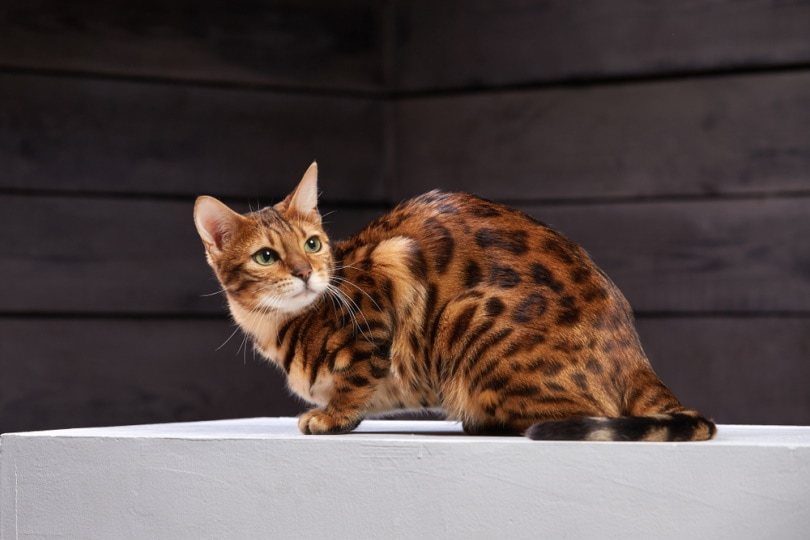
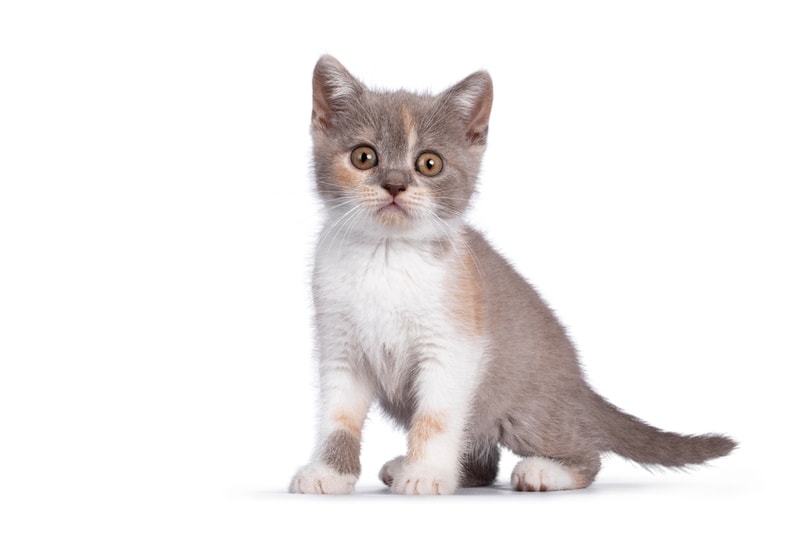
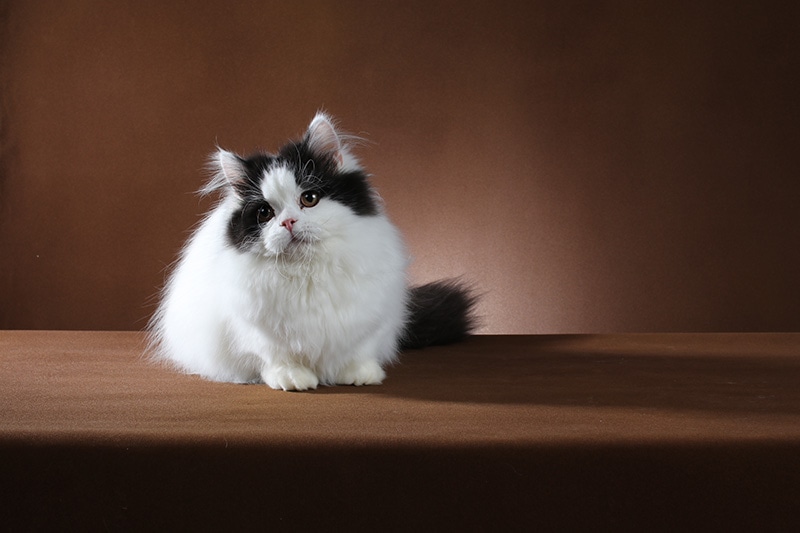
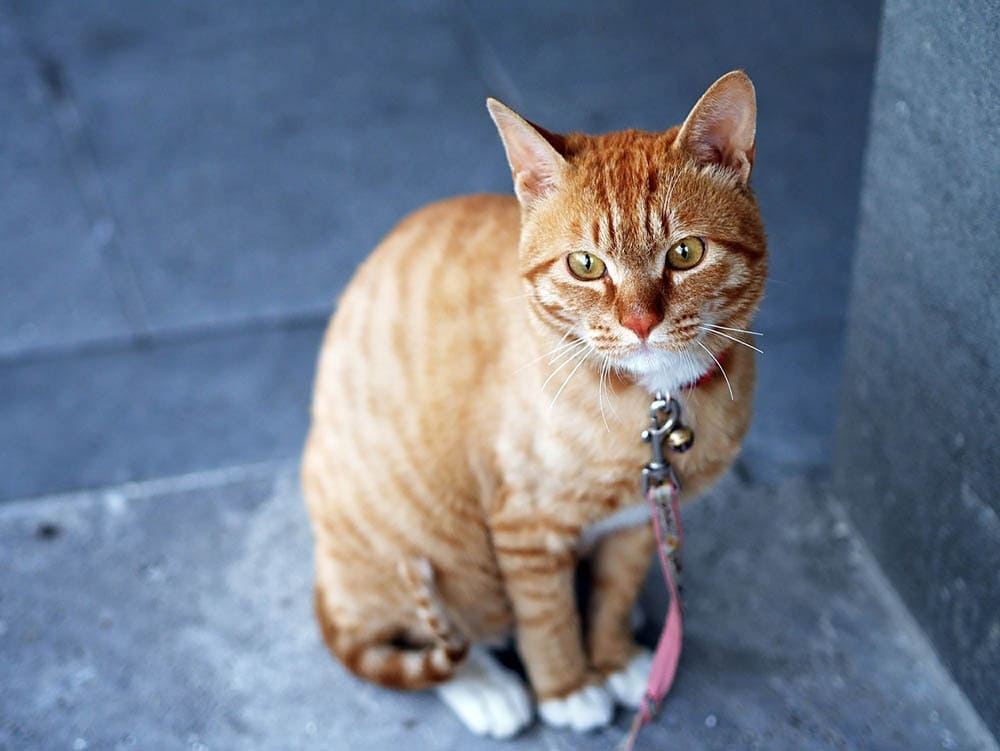
The orange tabby is not a breed, but a color and pattern variation within many cat breeds, some of which are officially recognized colors. Tabbies have an agouti gene that gives them their striped markings. The International Cat Association (TICA) recognized orange Bengal cats as a subset within the brown category in 1983. Some other breeds have orange tabby patterning too, including the British Shorthair, Maine Coon, and Persian.

Top 3 Unique Facts About Orange Tabbies
1. Orange tabby cats are featured a lot in movies and art.
Orange tabby cats are quite popular in the media and have appeared in many films, including Gone Girl, Breakfast at Tiffany's, and Star Trek: The Next Generation. It's no surprise that the most popular cartoon and subsequent films about a cat, Garfield, feature a ginger tabby as the main character.
2. 80% of all tabby cats are male.
Only 1 in 5 orange tabby cats are females, which makes them pretty rare. The reason they're rare comes down to chromosomes—the X chromosome is responsible for the orange coloring and females possess two Xs and males possess XY. Female tabby cats are only produced when they get two orange genes from both parents, while males only need to get the orange genes from their mothers.
3. All orange cats are tabbies.
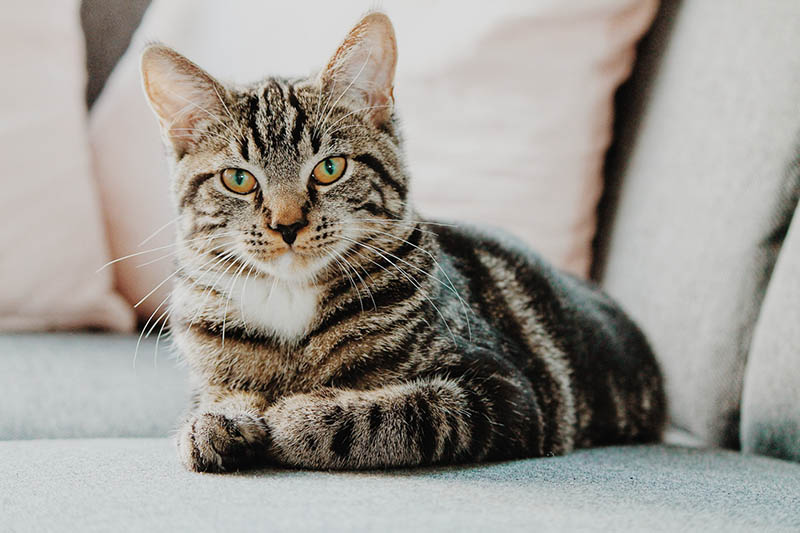
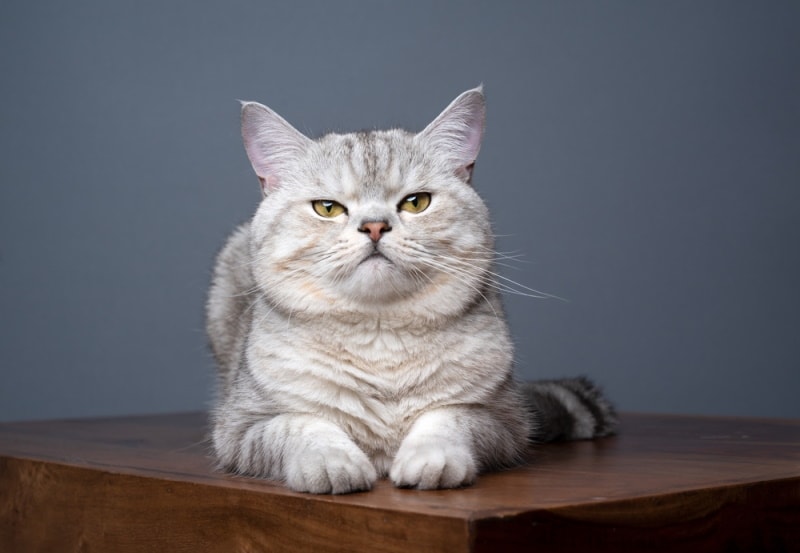
Another vital aspect to note is that although all orange cats are tabbies, not all tabbies are orange—they exist in a wide range of colors, the most common being gray and brown.
Does an Orange Tabby Make a Good Pet?
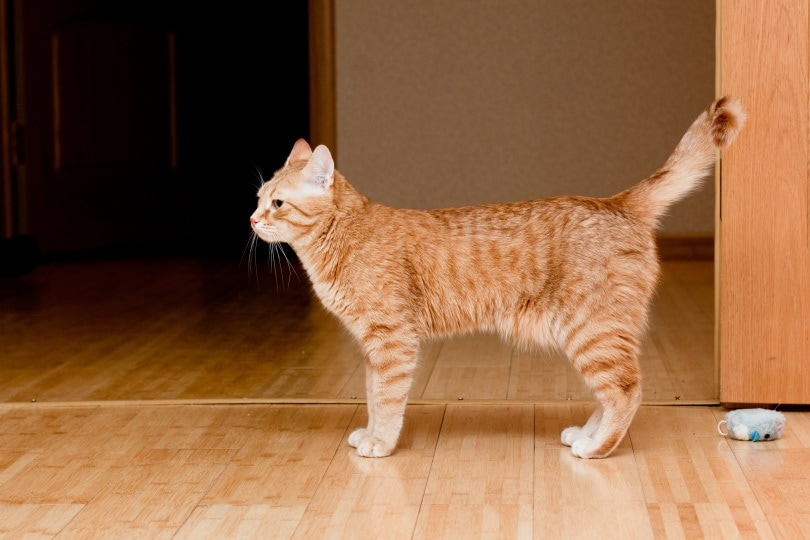
Orange tabbies make fantastic pets, especially where children are involved, although this does depend on the breed. In general, they tend to have a warm, sunny personality and are quite playful, especially as kittens. They are also very social and friendly, love participating in family activities, and thrive being around their owners and other pets in the home.

Conclusion
It's difficult to resist an orange tabby cat even if you are not a cat person. They are extremely eye-catching with their orange or ginger coat, and they will charm you with their warm personality. If you are considering getting an orange tabby for your family, we say go for it! Make sure you create a comfortable space for them by adding a scratching post, cat tree, and plenty of toys.
Related read: 11 Surprising Orange Cat Facts
Sources
Featured Image Credit: Sam Chang, Unsplash
Get Hepper In Your Inbox


Pet care tips from our vets and experts, straight to your inbox.
You may opt-out at any time. View our Privacy Policy for more information.

Nicole is a lover of animals of all sizes but is especially fascinated with the feline variety. She’s the proud mom of Baby, a Burmese, and works every day so he can relax in the sunshine or by the fire. She’s always had a cat in her home and has spent countless days with others, observing behaviors and softening up even the grouchiest of the lot. Nicole wants to share her kitty expertise with you so you and your cat can live happy, healthy, and care-free.
Join the conversation
Ask a question, share your story, or send private feedback.