Hepper is reader-supported. When you buy via links on our site, we may earn an affiliate commission at no cost to you. Learn more.
Pancake Tortoise: Pictures, Facts, Diet & Care Guide

In this article
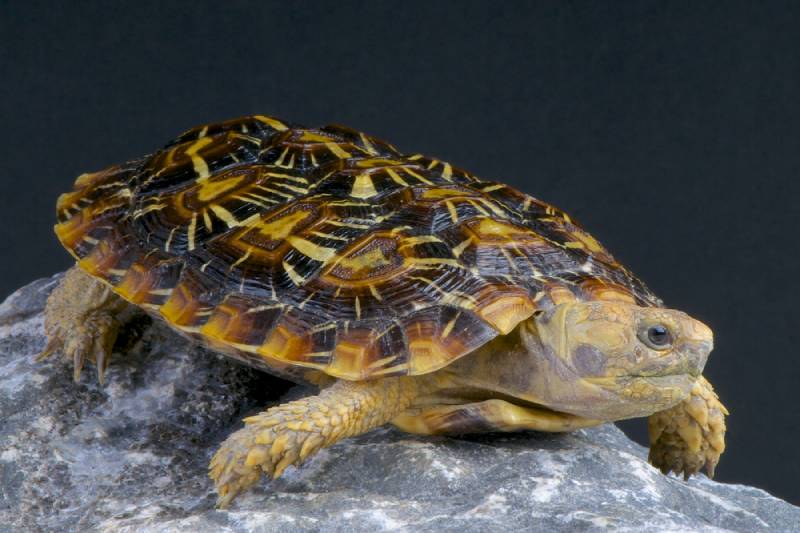
Amidst the diverse tapestry of the animal kingdom, where extraordinary creatures dwell to both awe and inspire, there exists a truly remarkable and endearing species known as the Pancake Turtle. With its distinct flattened shell and captivating demeanor, this unique reptile has captured the hearts of nature enthusiasts and researchers alike. If you would like to learn more about them, keep reading as we look into their behavior, habitat requirements, and more to help you see if they are right for your home.
| Size: | 5 – 8 inches |
| Weight: | .5 – 1.5 pounds |
| Lifespan: | 30 – 40 years |
| Suitable for: | Experienced owners |
| Temperament: | Shy, active, territorial |
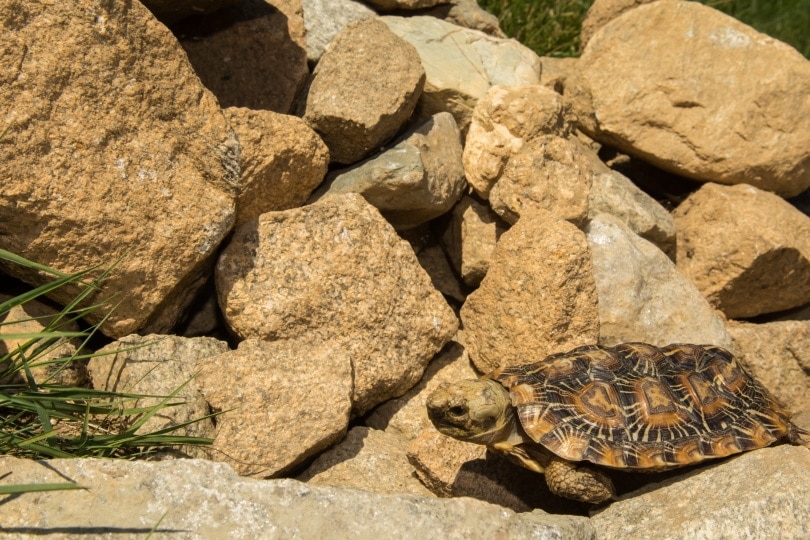
The Pancake Tortoise possesses several intriguing and unique features that make them a captivating species. They have a flattened shell with a soft bottom that enables them to fit in between rocks for protection. They can then use their feet as pins to make it difficult to remove them. They also have long limbs that help them climb rocks, and their light weight enables them to move faster when foraging for food or escaping predators.
Pancake Tortoise Characteristics

How Much Do These Tortoises Cost?
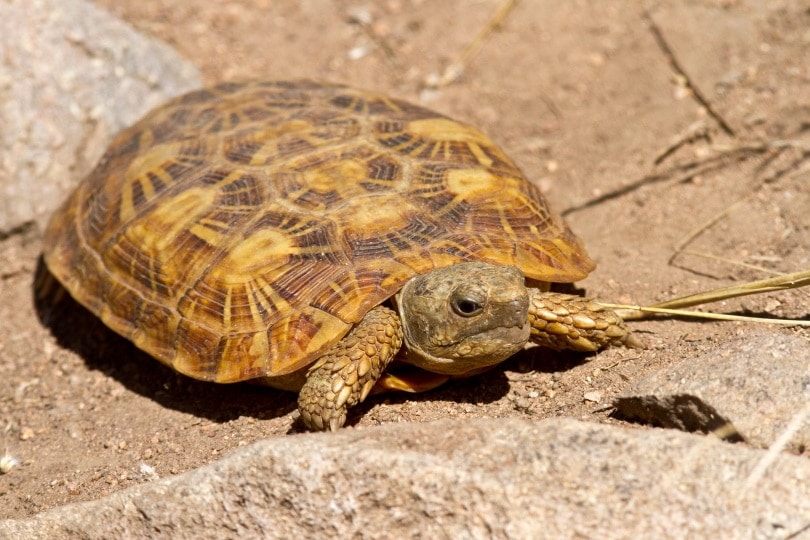
The Pancake Tortoise is a species that originates from the arid regions of East Africa, including Kenya and Tanzania. This is a relatively rare breed in the reptile trade and among tortoise enthusiasts. The International Union for Conservation of Nature lists them as critically endangered, so it is unlikely that you can find one legally. They have a limited habitation range that is shrinking due to habitat destruction, and their numbers are small due to trapping for the pet trade due to their unusual appearance. If you do buy one, it is important to use an ethical breeder instead of a trapper.
Pancake Tortoise Behavior
Pancake Tortoises can be territorial, particularly regarding their preferred hiding spots, basking areas, and feeding grounds. They may defend these areas from other individuals or intruders, displaying behaviors like head bobbing or shell ramming. When they feel threatened or uncomfortable, they can retract their head, limbs, and tail into their shells and flatten their bodies further to wedge into rock crevices or hide in secure locations. They also like to dig or burrow to create nests or seek shelter from the hot weather.
Do Pancake Tortoises Make Good Pets?
Pancake Tortoises require a spacious and secure enclosure with appropriate heating, lighting, and humidity levels, but they can live a long time once they are comfortable, often surviving for three to four decades. However, they are solitary animals that won’t like when you handle or interact with them, so they are strictly for observation. They can also be hard to find due to their protected nature.
Pancake Tortoise Tank Mates
Pancake Tortoises are generally solitary creatures in the wild and may not actively seek or require social interaction with other individuals. Therefore, most experts don’t recommend tank mates or housing Pancake Tortoises together unless the enclosure is quite large. Even then, constant supervision is needed to ensure the comfort and safety of all animals.
Care Sheet & Habitat Setup
Light Requirements
Pancake Tortoises benefit from exposure to natural sunlight whenever possible. Giving the tortoise supervised outdoor time or a well-lit and secure outdoor enclosure can provide them with the full spectrum of natural UVB light and helps stimulate their natural behaviors.
In indoor settings, it is essential to provide UVB lighting to meet the tortoise’s needs. This light is necessary for Pancake Tortoises to synthesize vitamin D3, which aids in calcium absorption and overall health. Use a high-quality UVB bulb specifically designed for reptiles, and follow the manufacturer’s instructions regarding proper placement and distance from the tortoise. They will also need regular day and night cycles to establish good biological rhythms and a dedicated basking spot within their enclosure where they can raise their body temperature.
Tank Size
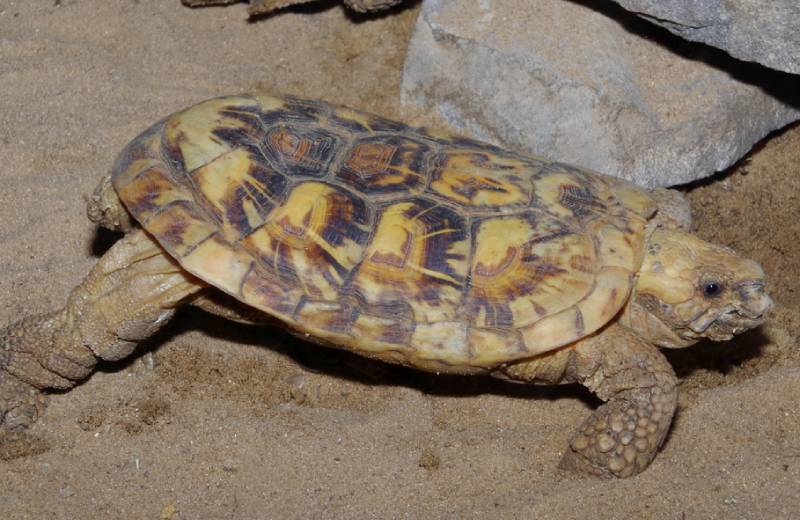
When keeping a Pancake Tortoise as a pet, you will need at least a 40-gallon terrarium, with larger being better. Outdoor enclosures must be safe from predators and have at least 2 square feet per turtle with 1-foot high walls. The top will need a cover indoors and outside, as the Pancake Turtle is good at scaling vertical walls.
Plants
Pancake Tortoises enjoy having crevices to explore in their habitat, and they are easy to create by stacking flat rocks. Use slate stone to build tiered hides for your turtle that they will enjoy.
Substrate
Pancake Tortoises enjoy digging, so they need a substrate that will enable them to do so. Coconut bedding, bark, rabbit pellets, and potting soil all make great choices.
Things to Know When Owning a Pancake Turtle
Food & Diet Requirements
The Pancake Tortoise is a grazing herbivore that usually feeds on grass and vegetables in the wild. When you keep one as a pet, they will need a varied diet that includes spring greens, grasses like hay, dandelion, turnips, mustard, collard, and hibiscus leaves. Occasional commercial tortoise food and fruits are also necessary, and you will need to dust their food with calcium once or twice per week and provide them with a multivitamin.
Size & Growth Chart
| Stage | Age in Years | Size in Inches |
| Hatchling | 0–1 | 1.5–2 |
| Juvenile | 1–5 | 3–5 |
| Sub-Adult | 5–10 | 6–8 |
| Adult | 10+ | 6–10 |
Hatchling Stage
- 0–1 year
Pancake Tortoises measure around 1.5 to 2 inches in carapace length at the hatchling stage. They are small and delicate, requiring a controlled and stable environment to thrive.
Juvenile Stage
- 1–5 years
During the juvenile stage, Pancake Tortoises experience significant growth. Their carapace length can range from 3 to 5 inches. They are developing their unique flat shell and adapting to their environment at this stage.
Sub-Adult Stage
- 5–10 years
As Pancake Tortoises reach the sub-adult stage, their growth rate slows down, but they will still get larger, and their carapace length can grow to around 6 to 8 inches. They are still maturing physically and sexually during this period.
Adult Stage
- 10+ years
Pancake Tortoises reach their full adult size and development at around 10 to 15 years of age. On average, they have a carapace length of 6 to 8 inches. However, individuals can vary, with some reaching up to 10 inches in exceptional cases.
Lifespan and Health Conditions
A Pancake Turtle will usually live 30–40 years with proper handling and care, with some individuals living even longer.
Serious Conditions:
Pancake Tortoises can be susceptible to respiratory infections, often caused by improper temperature and humidity levels in their enclosure. Signs may include wheezing, open-mouth breathing, nasal discharge, and lethargy. Prompt veterinary attention and adjustments to the tortoise’s environment are necessary for treatment and prevention.
Inadequate nutrition and improper care can lead to shell deformities and pyramiding, which is abnormal growth of the shell scutes. Inadequate UVB exposure, improper diet, or incorrect temperature and humidity levels are common causes.
Pancake Tortoises may be susceptible to internal and external parasites like worms and mites. Regular fecal examinations and proper hygiene practices are important for parasite prevention and treatment, especially if you keep them outdoors. Consult with a reptile veterinarian for appropriate anti-parasitic treatments if necessary.
Minor Conditions:
Pancake Tortoises require access to clean water for drinking and bathing. Inadequate hydration can cause various health issues. Ensure that a shallow water dish is available in their enclosure, and monitor their water intake and hydration regularly. You will also need to change the water frequently to keep it clean.
Pancake Tortoises may develop overgrown beaks and nails if not given proper wear opportunities. Regular trimming of the beak and nails may be necessary to prevent discomfort or injury.
Male vs. Female
Generally, adult female Pancake Tortoises are larger than males, but the males have larger tails and claws. The cloacal opening on the underside of the tortoise near the tail differs between males and females. In males, the cloaca is farther back, closer to the tip of the tail. In females, it is closer to the body. During the breeding season, males may display more territorial and aggressive behaviors as they compete for females.
3 Little-Known Facts About the Pancake Tortoise
1. Rocking Movement
When the Pancake Tortoise moves, they exhibit a distinctive rocking motion. Instead of lifting their legs off the ground, they propel themselves forward with a side-to-side swaying motion that sets them apart from many other tortoise species.
2. Acoustic Communication
Pancake Tortoises communicate through soft hissing sounds that they produce by expelling air. Many believe that these hisses are a form of communication between individuals, potentially used to establish territory or express aggression.
3. Camouflaged Appearance
Pancake Tortoises have an impressive ability to blend in with their surroundings. Their shells have intricate patterns and colors resembling the rocks and debris in their natural habitat, making them much harder to see and helping them remain hidden from potential predators.
Final Thoughts
The Pancake Tortoise is an amazing animal with several interesting adaptions to their environment, like a soft bottom shell that helps them squeeze between tight-fitting rocks for protection. Unfortunately, these tortoises are extremely rare and critically endangered due to habitat destruction and other problems, so it can be difficult to find one to keep as a pet. Never purchase from a trapper that takes them from their natural habitat.
Sources
Featured Image Credit: reptiles4all, Shutterstock
Get Hepper In Your Inbox


Pet care tips from our vets and experts, straight to your inbox.
You may opt-out at any time. View our Privacy Policy for more information.
Ed Malaker is a veteran writer who has contributed to a wide range of blogs that cover pets, tools, guitars, fitness, and computer programming. When he’s not writing, Ed is usually performing DIY projects around the house or working in the garden. He’s also a musician and spends a lot of time helping people fix their guitars and composing music for independent films.
Join the conversation
Ask a question, share your story, or send private feedback.