Hepper is reader-supported. When you buy via links on our site, we may earn an affiliate commission at no cost to you. Learn more.
Mustard Gas Betta Fish: Care Guide, Pictures, Varieties & Lifespan
In this article
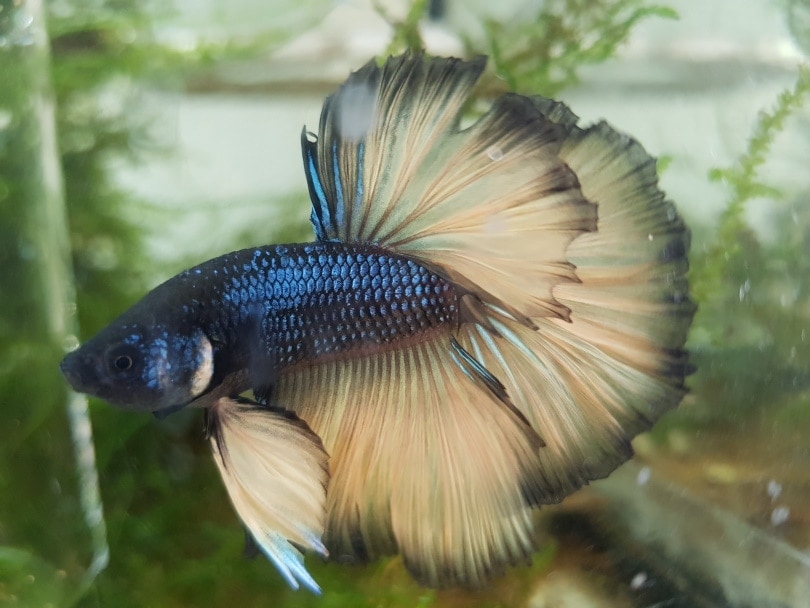
Bettas are beautiful fish that are popular in the aquarium hobby. They come in a variety of colors and patterns, but the most striking color form is the mustard gas betta. The mustard gas betta is a tropical freshwater fish that is easy to care for and provide for. This makes them suitable for beginners who want to keep a tropical species of fish.
Keep in mind that the name ‘mustard gas’ betta fish is used to increase sales because the name sounds unique and interesting. However, this is only a color form and is not an individual species of the betta fish.
This article will guide you on the appropriate ways to keep these betta fish healthy and happy.

Quick Facts About Mustard Gas Bettas
| Species Name: | B. splendens |
| Family: | Gourami |
| Care Level: | Easy |
| Temperature: | 77°F–82°F |
| Temperament: | Aggressive |
| Color Form: | Varied |
| Lifespan: | 2–4 years |
| Size: | 2–4 inches |
| Diet: | Carnivore |
| Minimum Tank Size: | 5 gallons |
| Tank Set-Up: | Freshwater: tropical & heavily planted |
| Compatibility: | Poor |
Mustard Gas Bettas Overview
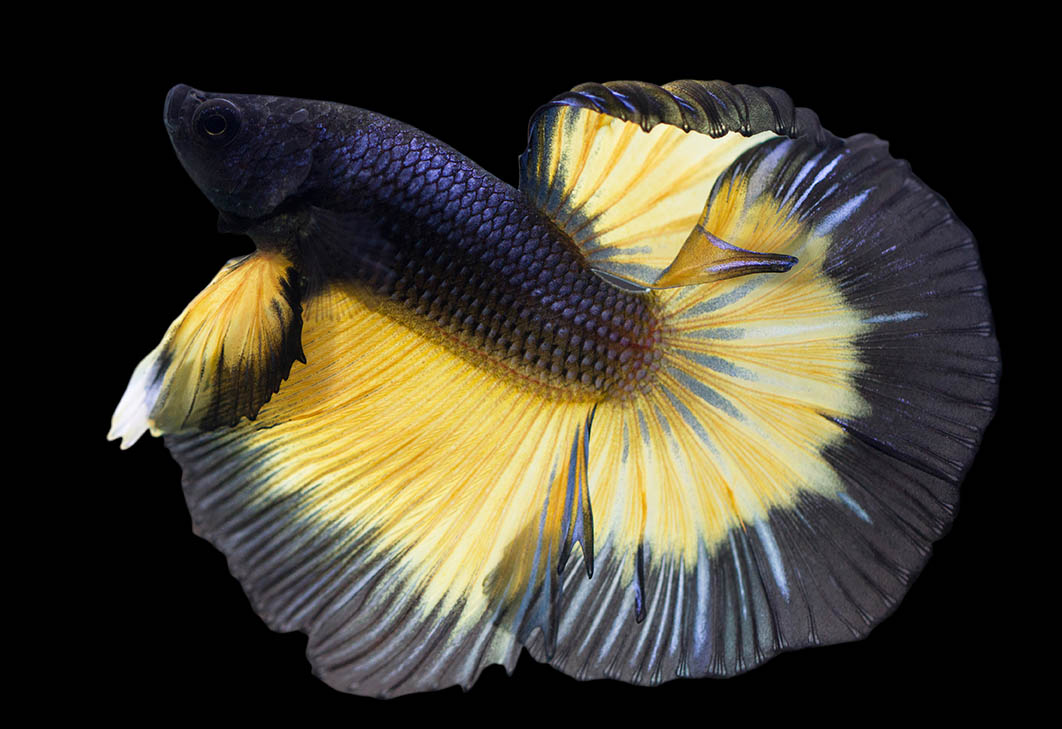
Mustard gas bettas are bi-colored fish with a high-grade coloration. They are a long-finned variety that comes in many striking colors, which makes them have a distinctive color mixture. Bettas live in slow-moving waters that have poor oxygen availability. This has allowed them to adapt to these poor conditions using a labyrinth organ. This acts as a lung and helps them to retain oxygen. Although this does not mean they should not have an oxygen-rich environment in captivity.
Mustard gas bettas are not highly active fish, and their long fins make them poor swimmers. This allows them to be kept in nano tanks as small as 5 gallons. They are generally undemanding, and they are not a picky eater like most types of betta fish.
Bettas originate from Siam, Vietnam, and Japan, where they have been captured and selectively bred for decades, and new species and colors are constantly being developed by betta breeders.
How Much Do Mustard Gas Bettas Cost?
Mustard gas bettas are relatively inexpensive, and the common cost for them is between $5 to $20. Breeders will generally sell these bettas for more because they are of a higher quality. This is worth it because this will improve their lifespan and health. Pet stores sell them for a more affordable price, but their breeding line is typically low-grade.
Typical Behavior & Temperament
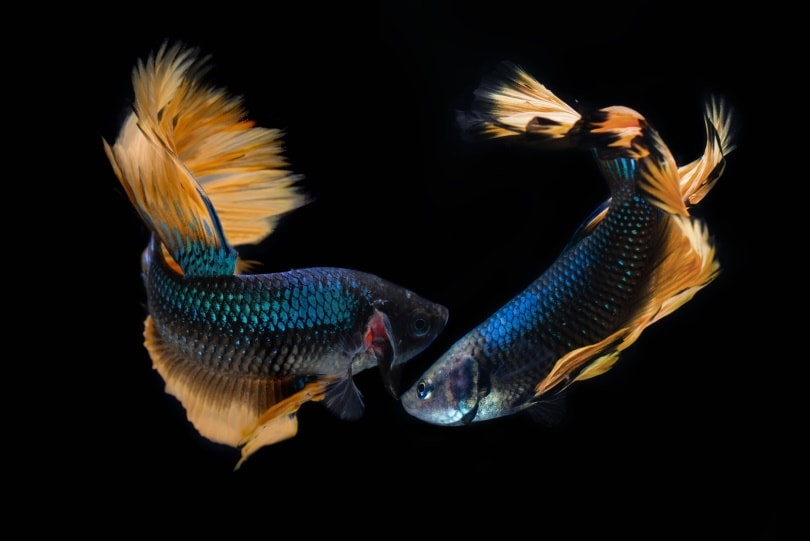
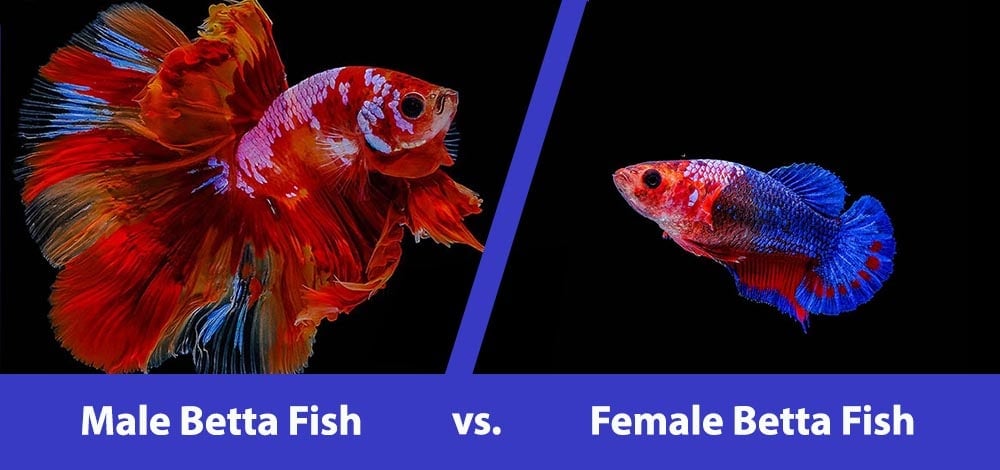
Male betta fish are notoriously aggressive and territorial, which makes them unable to live with other betta fish. You should never house male betta fish together because they will fight to the death or, at least, serious injury. This makes them poor tank mates for a variety of fish because they become stressed and fight. Only female betta fish should be kept in sororities with other females and no males.
Appearance & Varieties
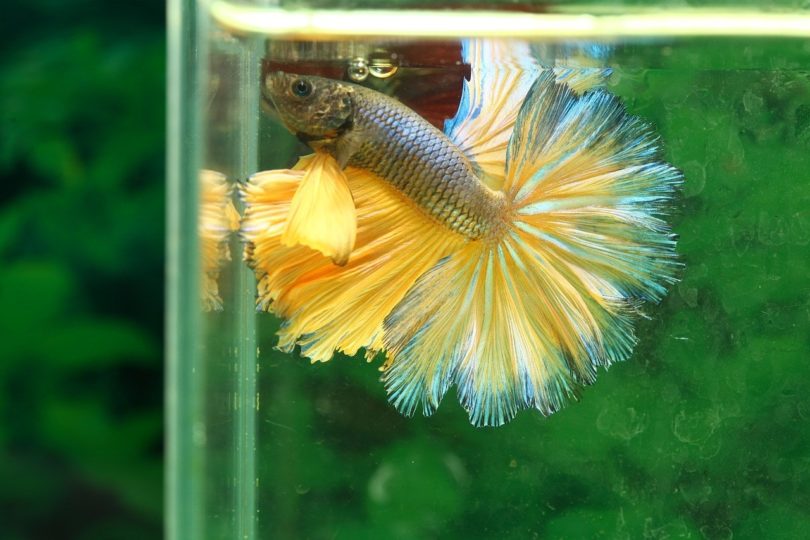
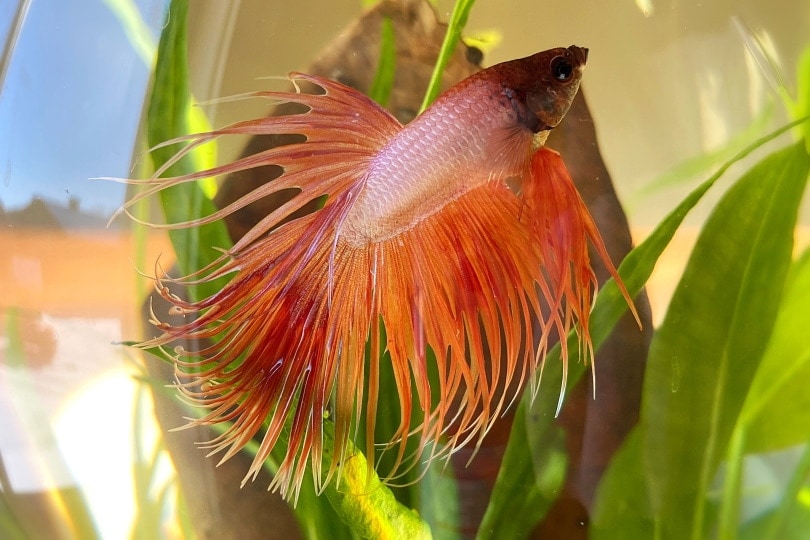
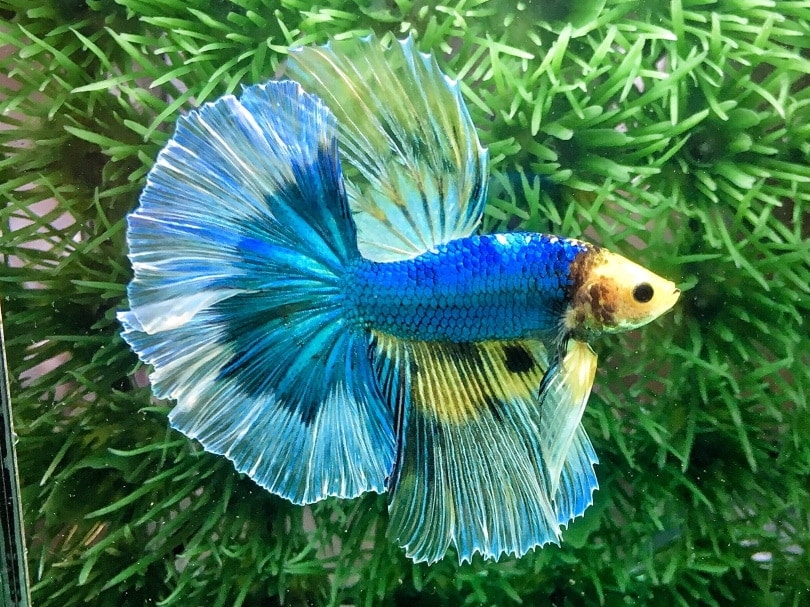
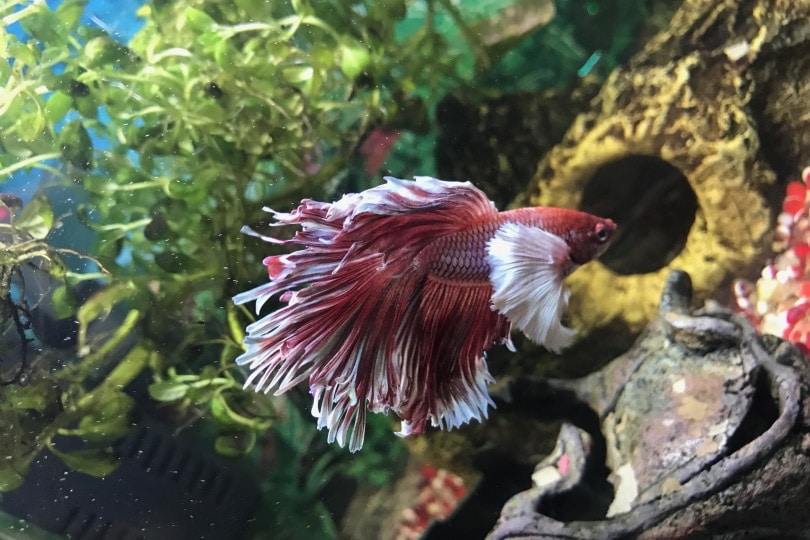
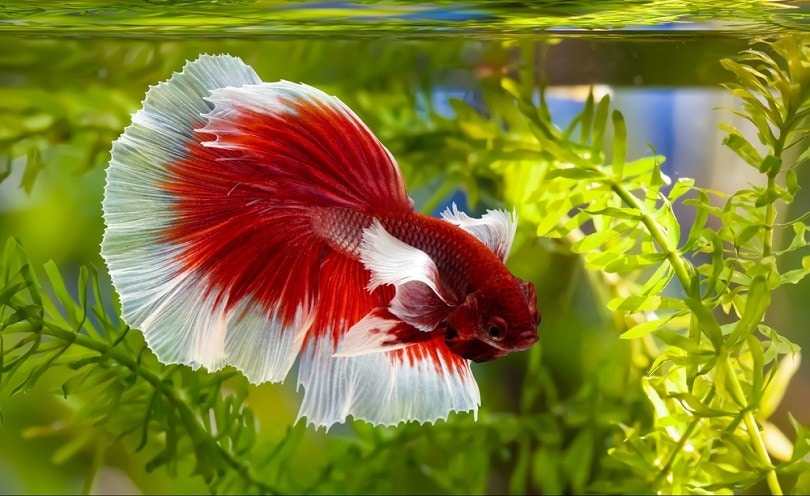
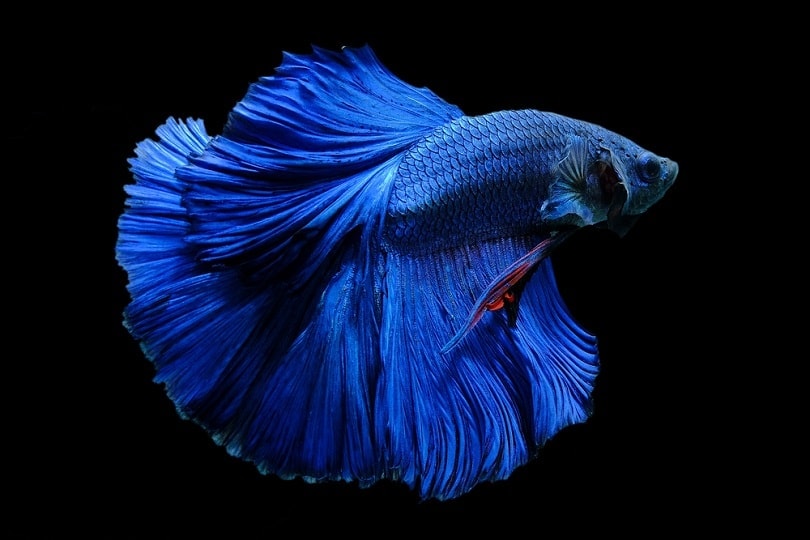
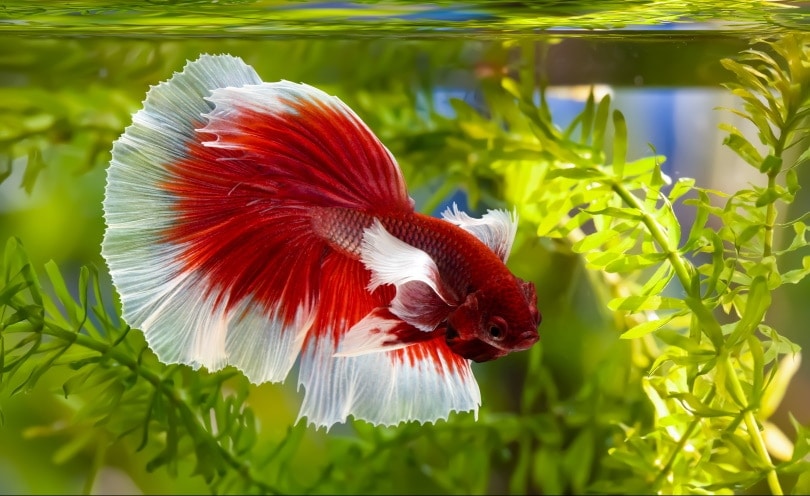
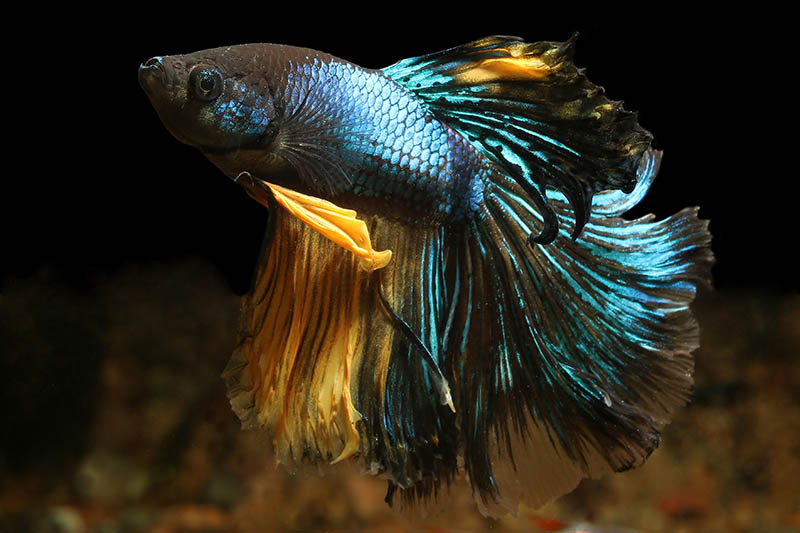
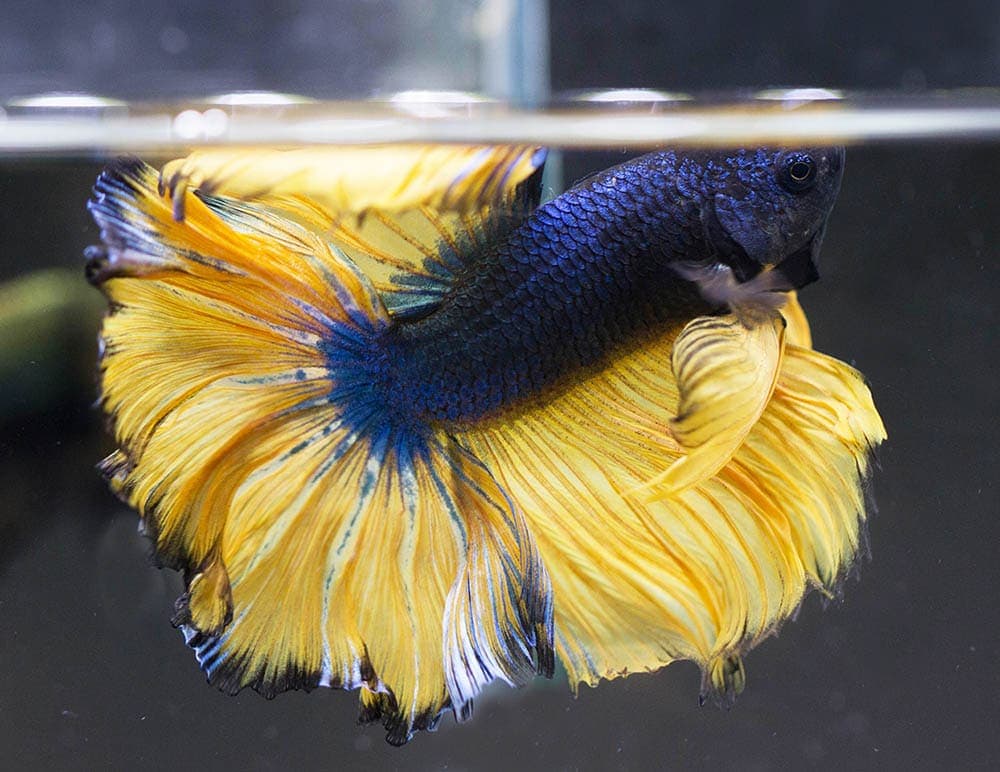
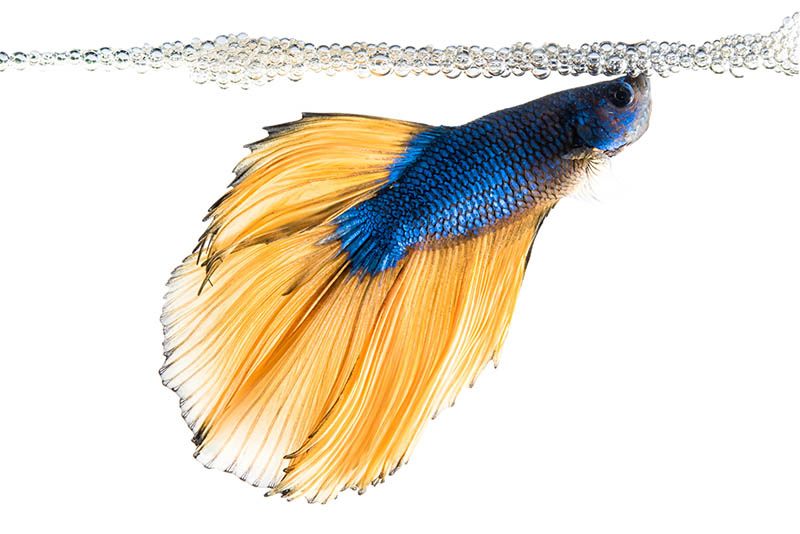
Mustard gas bettas are typically a mustard color with another prominent color on their body. They come in a variety of color forms which are mainly blue, red, white, or yellow. Their fins span out and can reach nearly three times their body size. The body is sleek and narrow, and they have an upturned mouth that allows them to easily eat off the surface. In the wild, they will use their upturned mouths to eat larvae and insect eggs from the surface.
The tail can also have an outline of another color, like blue, that is paired with the mustard color tail. The eyes are small and black, and their stomach sits just below the head and appears as a rounded ball when they are full.

How to Take Care of Mustard Gas Bettas
Habitat, Tank Conditions & Setup
Tank/aquarium size
Bettas should never be housed in bowls, bio-orbs, or vases. These small and distorted housing methods are completely unsuitable. A 5-gallon long tank is the absolute minimum size for a betta fish, but a 10-gallon is recommended. The tank should have more length than height.
Water temperature & pH
Betta fish can adapt to a variety of water conditions; however, they are strictly tropical fish that require a heater. The temperature should be maintained between 77°F to 82°F. The pH should be between 6.5 to 7.5.
Substrate
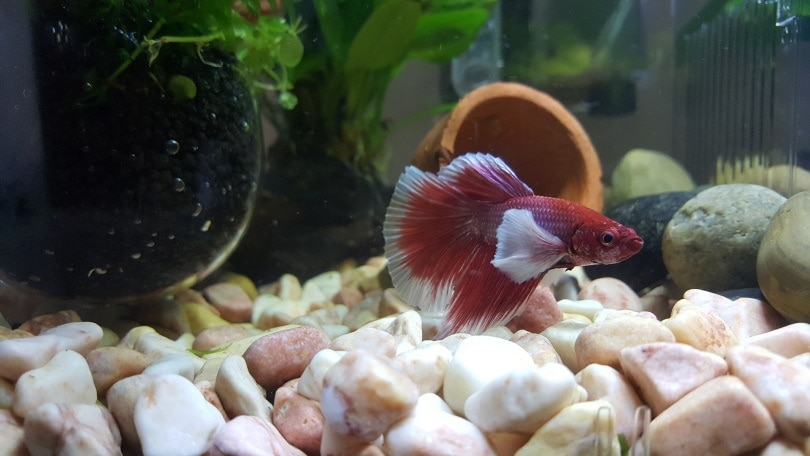
Any type of substrate can work well for bettas. Sand or soil is recommended if you plan to grow live plants in the tank. Gravel, stones, or quartz gravels will also suffice.
Plants
Bettas love plants, and in captivity, we should aim to provide them with conditions that mimic their natural environment. A heavily planted tank is recommended, along with other types of hardscaping materials like rocks and driftwood.
Lighting
The light in a bettas tank should not be too bright. Their eyes are sensitive to harsh white light, and a dim, orange glow over the tank is recommended. They do not need artificial light, and natural window light is fine for bettas.
Filtration
All betta fish require a gentle source of filtration. The filter should not be too strong because bettas get stressed out by strong currents. A sponge or cartridge filter will work for a small 5-to-10-gallon tank. An air stone is necessary to promote oxygenation within the water.
Are Mustard Gas Bettas Good Tank Mates?
All species of betta fish make poor tank mates. Their conditions and temperament are unsuitable for a variety of different fish, including their own. Luckily, some tank mates can tolerate living with a betta fish if the tank is large enough. If you plan to add your betta fish to a peaceful community tank or keep them with another species of fish, you have to house them in a tank that is over 15 gallons depending on the species and how many different fish you plan to keep.
What to Feed Your Mustard Gas Betta
Some betta fish can be picky eaters, but the mustard gas betta fish seems to have quite the appetite! Betta fish enjoy live foods like bloodworms, brine shrimp, tubifex worms, and insect larvae. They should also be fed a staple commercial food like pellets. Flakes are not a portion of good food, and the nutrients quickly leach into the water before your betta fish has the chance to eat them. They also seem to enjoy eating food that is moving because it replicates how they catch food in the wild.
You can culture your insect larvae at home or buy a prepared container of insect larvae from your local aquarium store. This will allow you to have a constant source of healthy food for your betta fish.
Keeping Your Mustard Gas Betta Healthy
Breeding
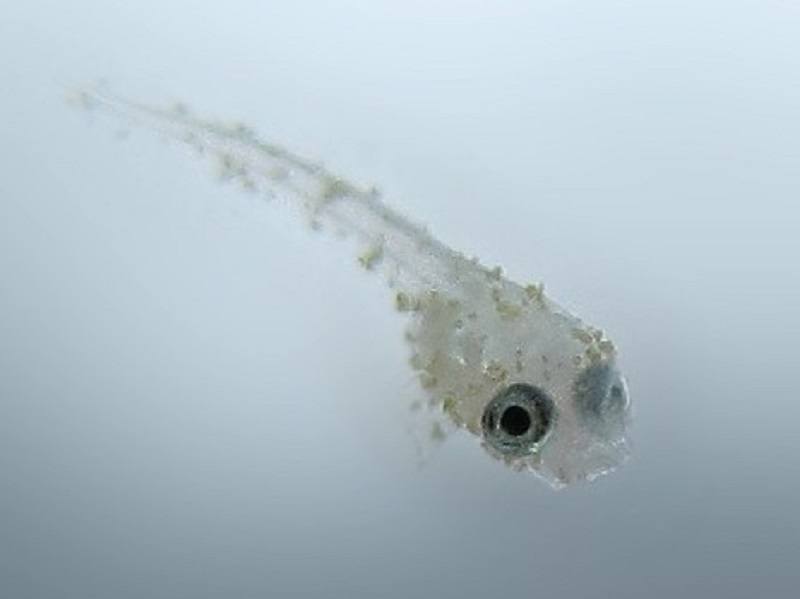
It is recommended to only breed bettas if you are experienced and know how to ethically breed them for health and not just coloration. Male bettas will make a bubble nest near the surface of the water. This will appear as a group of thick foam near the surface and close to floating objects. A breeding tank is recommended for breeding purposes and to raise the fry so that the parents do not eat them. The male and female will go through a breeding ritual and the female will then deposit her eggs. The male places them in the nest and guards them till they hatch 2 days later. After that period, the male and female do not play a role in caring for the fry,

Are Mustard Gas Bettas Suitable for Your Aquarium?
These stunning fish are quite the catch. The beautiful colors and fins that they display are one of the best things about these betta fish. Mustard gas bettas not only have an interesting name but also an interesting personality. Beginners can easily care for these fish with minimal effort, and if you provide them with the right conditions, they can live up to 4 years of age! Keeping your betta fish healthy and happy will ensure they do not catch diseases or have a shortened lifespan.
We hope this article has helped inform you of the stunning mustard gas betta fish!
Looking for more Betta varieties? Try:
Featured Image Credit: Produktfoto Putten, Shutterstock
Get Hepper In Your Inbox


Pet care tips from our vets and experts, straight to your inbox.
You may opt-out at any time. View our Privacy Policy for more information.

Sarah is residing in South Africa with her partner and pets. She currently is interested in veterinary science and ichthyology, which she wants to study alongside her main passion: pet content writing. Sarah has over 60 fish including goldfish, tropicals, shrimp, and snails. She also keeps hamsters and a tarantula and wishes to provide quality content for readers and allow others to learn from her knowledge and experience. Sarah has much experience in all aspects of pet care, and providing the world with knowledge on ethical pet ownership is her lifelong dream.
Join the conversation
Ask a question, share your story, or send private feedback.