Hepper is reader-supported. When you buy via links on our site, we may earn an affiliate commission at no cost to you. Learn more.
Parakeet Molting: Vet Reviewed Signs, Causes, Care Tips & FAQ


In this article
If you’re new to parakeet ownership (Melopsittacus undulatus), there may come a time when feathers are all over the bottom of your bird’s cage, and the entire room is covered in fluffy, downy feathers. While this can be alarming at first, know that it is most likely that your bird is molting for the first time.
Molting is a natural process that all birds go through that allows them to shed old feathers and replace them with healthy new ones. Read on to learn more about the process, including what you can do to make your parakeet more comfortable and less irritable.

What Is Parakeet Molting?
Molting is a natural process for birds where they shed their old feathers to replace them with new ones. Think of a parakeet’s feathers as our fingernails. Like our nails, feathers are dead organic parts that cannot be repaired, so they must be replaced. Feather follicles are like our hair follicles; they don’t tell the body to create a new feather until the old one has been removed via molting.
Molting can provide better flight efficiency. Parakeets use their feathers to lift, maneuver, and stabilize themselves when flying. Damaged or old feathers can make it difficult for them to fly efficiently. Molting allows them to replace these worn feathers to ensure optimal flight proficiency.
Molting is a slow and gradual process to ensure that the bird can still fly and keep warm as it molts, so your parakeet should never be featherless. Bald patches could be indicative of disease or stress.
What Are the Signs of Parakeet Molting?
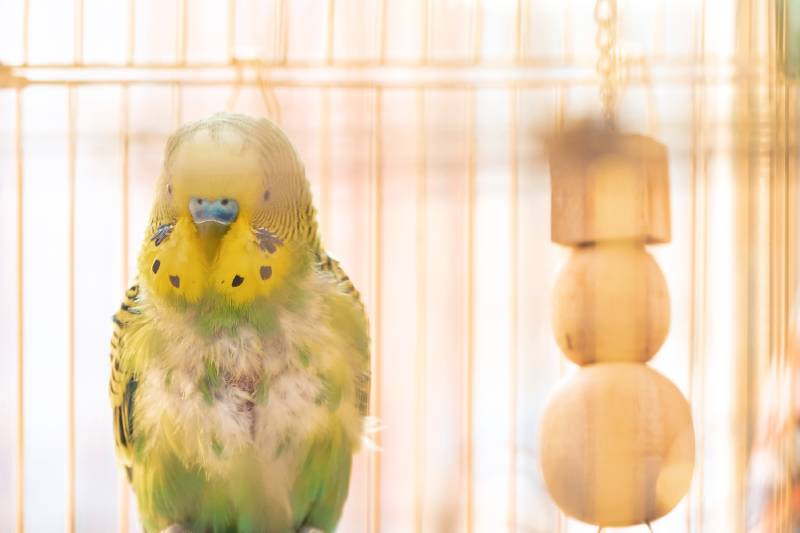
A parakeet will display several signs that tell you they’re molting.
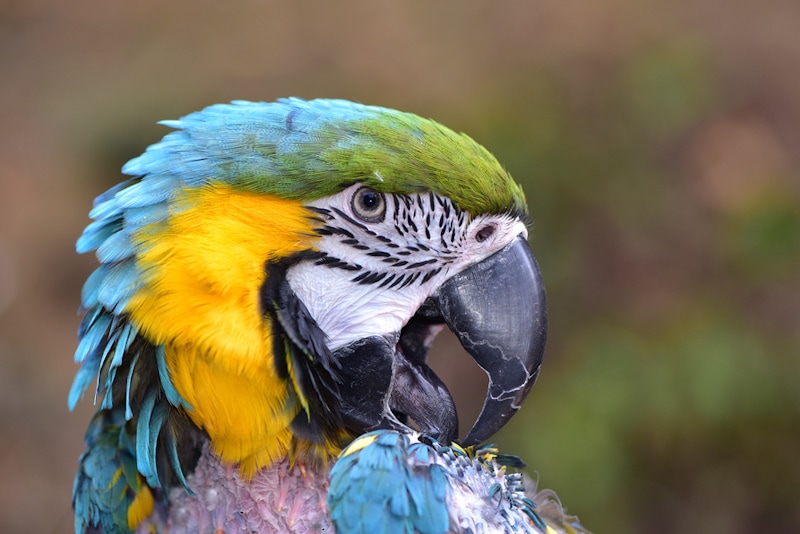
In terms of their physical appearance, you will notice the following:
Another notable thing you may see is changes in your bird’s personality. Molting can be compared to feeling itchy all over but not being able to scratch that itch. Now imagine that going on for weeks or even months. You’d feel pretty irritated, too, right? They may become aggressive toward you or their flock mates, with some going as far as biting you when they have never done so in the past. They may squawk or scream and just be irritable toward everyone and everything.

What Are the Causes of Parakeet Molting?
Molting is vital to a parakeet’s health, survival, and environmental adaptation. While the primary purpose of molting is to replace old feathers, other things can trigger a molt.
Seasonal Changes
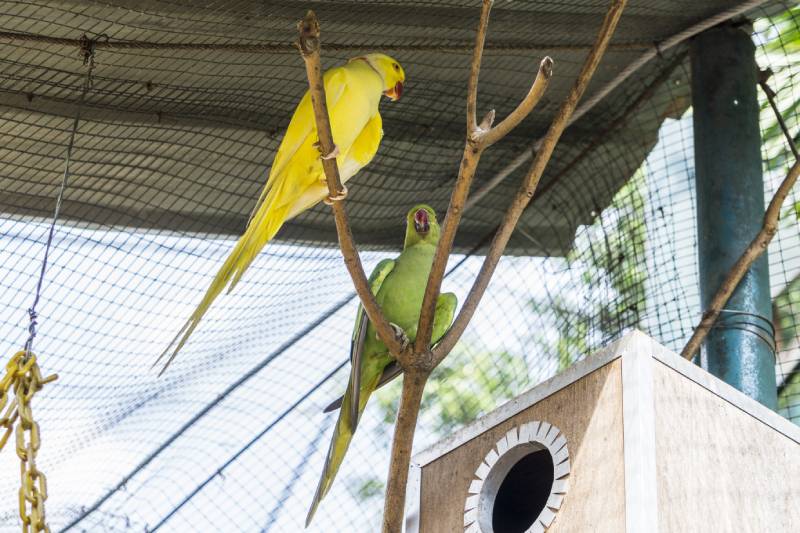
Seasonal adaptations drive molts in many bird species. A wild parakeet may molt in response to changing environmental conditions, such as the transition between breeding and non-breeding seasons. In response to these changes, molting helps birds adapt to food availability, breeding requirements, and changing climates. Additionally, their feathers can change color or patterning to help them camouflage themselves and attract mates during the breeding season.
Health
Molting can contribute to a parakeet’s overall wellness and hygiene. Birds dealing with parasites or fungi can shed affected feathers. Molting also allows them to rid themselves of the oil, dirt, and debris accumulated on their feathers.
How Do I Care for a Molting Parakeet?
Molting is a tough time in a parakeet’s life, but there are some things you can do as an owner to make the process easier for your pet.
Be understanding.
First, try to understand what they’re going through, and don’t take any of their aggressive behavior toward you personally. Understand the pain and irritability and remain calm even if your pet lashes out at you or is stubborn during this period. The best thing you can do is to be there for them and care for them just as you have been during their non-molting periods.
Provide proper nutrition.
While nutrition is important throughout the year, it is especially essential during molting seasons. When parakeets molt, their bodies need more protein and calcium as building new feathers requires a lot of energy and nutrients. Improper nutrition can make molting birds more prone to health issues as their immune systems are also undergoing stress during the process.
Distract them.
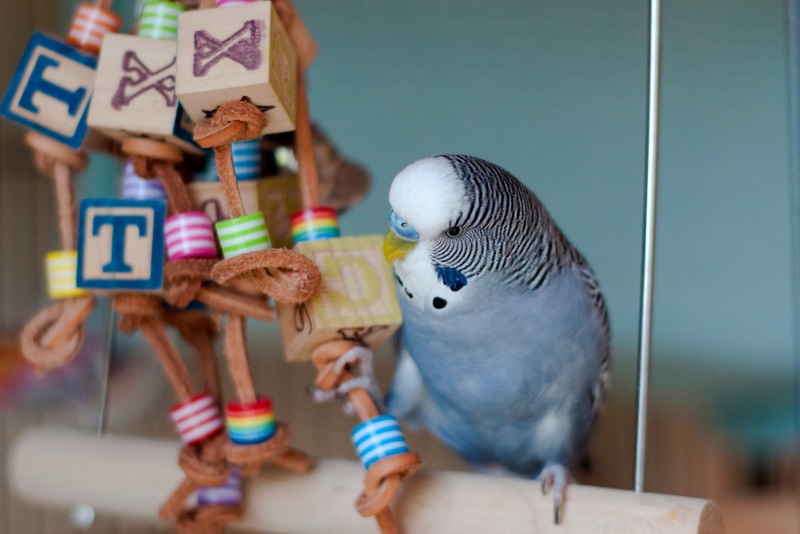
Help keep your bird’s mind off how annoyed and irritated they are by distracting them with toys. Stay on top of your weekly toy changeouts if you know doing so won’t further annoy your pet. Chew toys are especially helpful for some parakeets as they allow them to relieve stress.
Bathe them.
Bathing can be particularly soothing for some parakeets during molting. Fill up a receptacle like a bowl, sink, or even a bird bath with warm water, and allow your parakeet to take a dip on their own time. If they don’t appear interested, try splashing your fingers in the bowl so your pet can see that there’s water in there, which may pique their interest.
If your bird isn’t keen on bathing, you can try misting them with room-temperature water. Doing so can soften the sheath around your parakeet’s annoying pin feathers, making them easier to remove.
Give scratches.
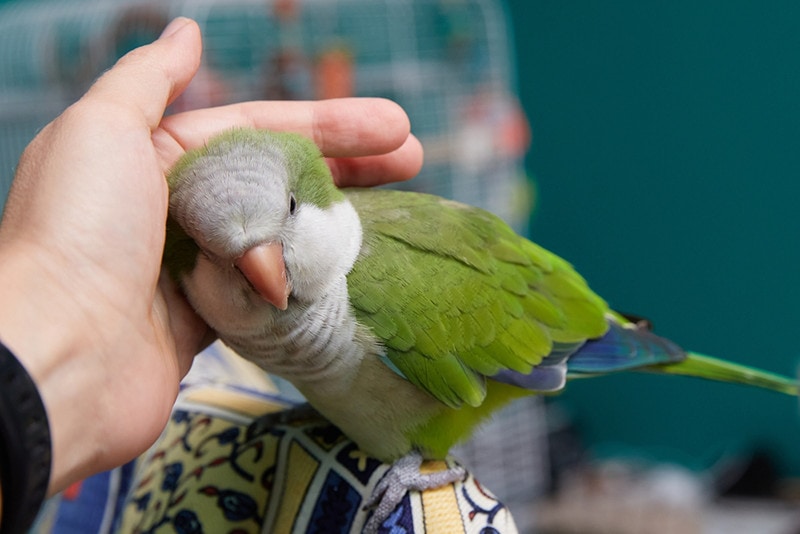
If you deem handling your parakeet safe, giving scratches on their head and neck can provide some much-needed relief from those molting-related itches that feel like they’ll never go away. Listen to your pet’s body language here, though. Overstepping boundaries can lead to bites and other aggressive behaviors, so proceed slowly and wait for your parakeet to give you the go-ahead to continue. You’ll know they like what you’re doing if they rub or lay their head or body against your scratching finger.
Frequently Asked Questions (FAQ)
When do parakeets molt for the first time?
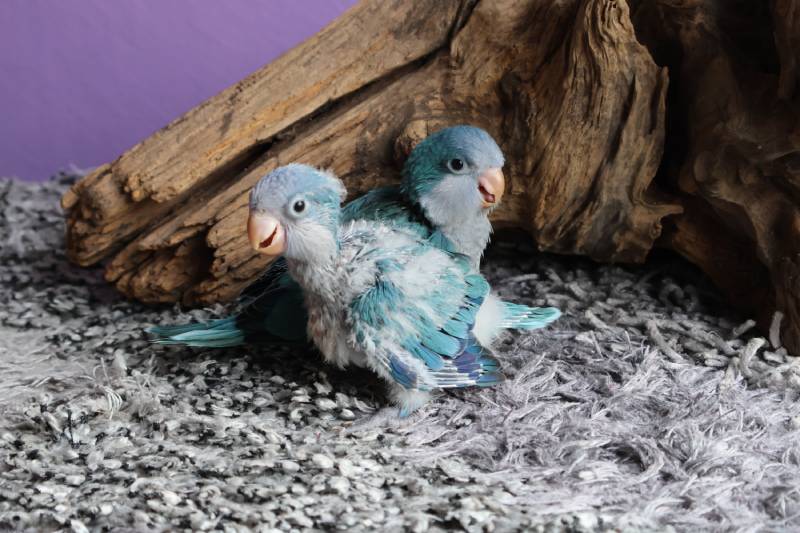
Parakeets will experience their first molt when they’re around three months old. Once their baby feathers fall off, they’ll grow their new, adult feathers and will look like full-grown birds afterward.
How often do parakeets molt?
Parakeets molt once or twice a year, though they can molt more often due to controlled environments. Artificial lighting, an overabundance of food, and indoor temperatures staying consistent can influence a parakeet’s molting frequency and length. For these reasons, companion parakeets are more likely than their wild counterparts to have irregular (e.g., partial, shorter, or longer) molts.
Why is my parakeet losing feathers all the time?
If your parakeet is losing feathers during non-molting periods, there may be a problem. Your bird may be plucking their own feathers out, which is often mistaken for molting. Self-plucking can be problematic and result from boredom, too much or not enough sunlight, too much or not enough humidity, poor nutrition, or illness.
If you notice your bird developing bald spots or losing feathers consistently in non-molting periods, it’s best to make an appointment with your avian vet.
Why does my parakeet have bald spots?
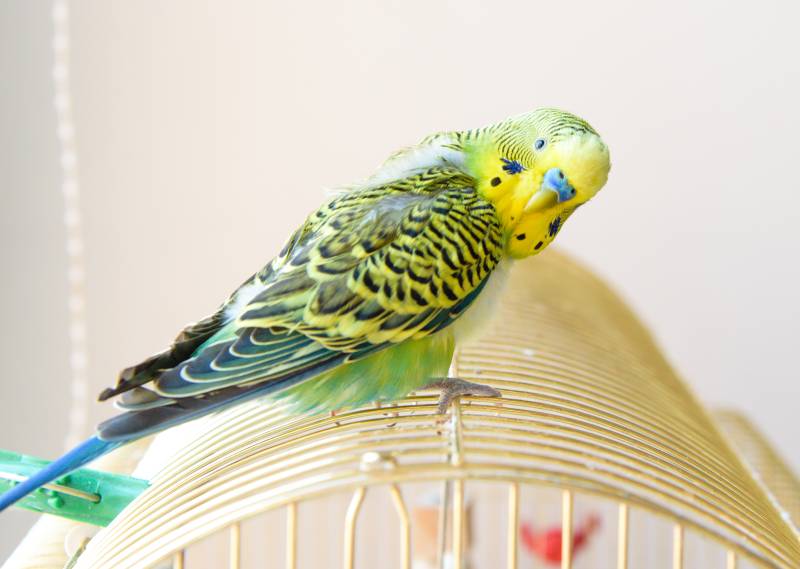
A normal molt shouldn’t cause any major bald spots, as your pet should replace just a few feathers at a time. Feathers that appear discolored or remain as pin feathers are abnormal and may be caused by viral or bacterial infections, liver disease, or nutritional deficiencies. If you believe your parakeet’s bald spots are due to an abnormal molt, visiting your avian vet is absolutely necessary.
Conclusion
Molting is a natural process that all parakeets go through during their lifetimes. As a bird keeper, you must familiarize yourself with the process so you can recognize it when it begins. Knowing when your parakeet is molting means you can do everything in your power to make this irritating affair a bit easier on your pet.
Sources
Featured Image Credit: Sarka_Svobodova_Photo,Shutterstock
Get Hepper In Your Inbox


Pet care tips from our vets and experts, straight to your inbox.
You may opt-out at any time. View our Privacy Policy for more information.
Chantelle's life revolves around two passions: writing and animals. Raised on the prairies of Canada amidst a menagerie of pets, she now lives with five cats, two guinea pigs, and a bearded dragon. Together with her husband and child, Chantelle delights in being an exemplary animal parent, going as far as installing wall-mounted cat shelves to give their cats an indoor playground. When she's not cozying up with her cats or snapping their amusing antics, she enjoys venturing into the Rocky Mountains, binge-watching her favorite Netflix shows, and indulging in spontaneous reading adventures.
Join the conversation
Ask a question, share your story, or send private feedback.