Hepper is reader-supported. When you buy via links on our site, we may earn an affiliate commission at no cost to you. Learn more.
How to Keep Cats Away From Plants: 8 Vet-Approved Tips


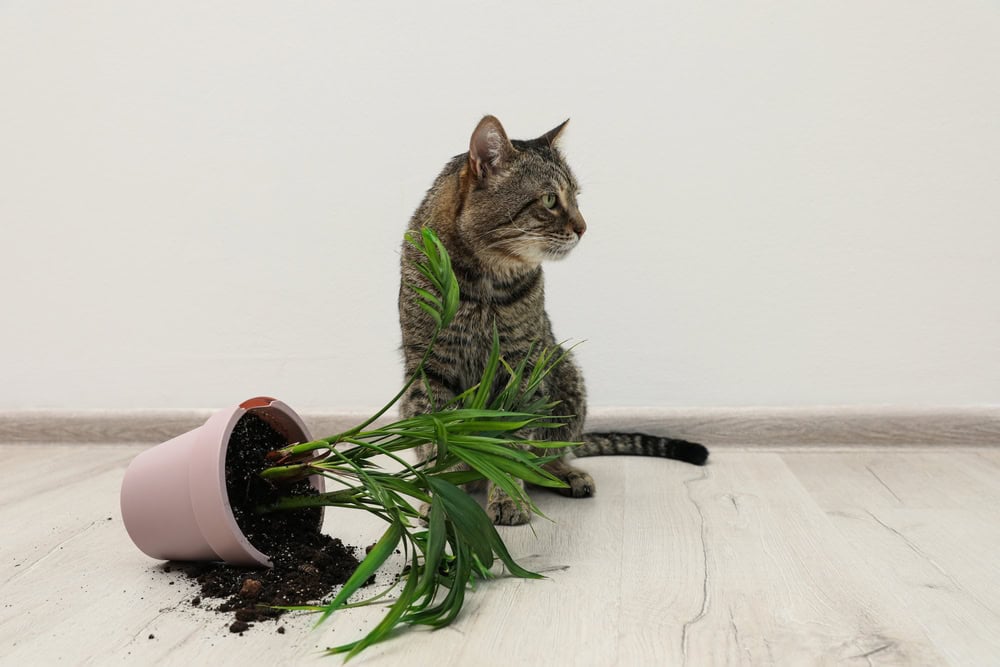
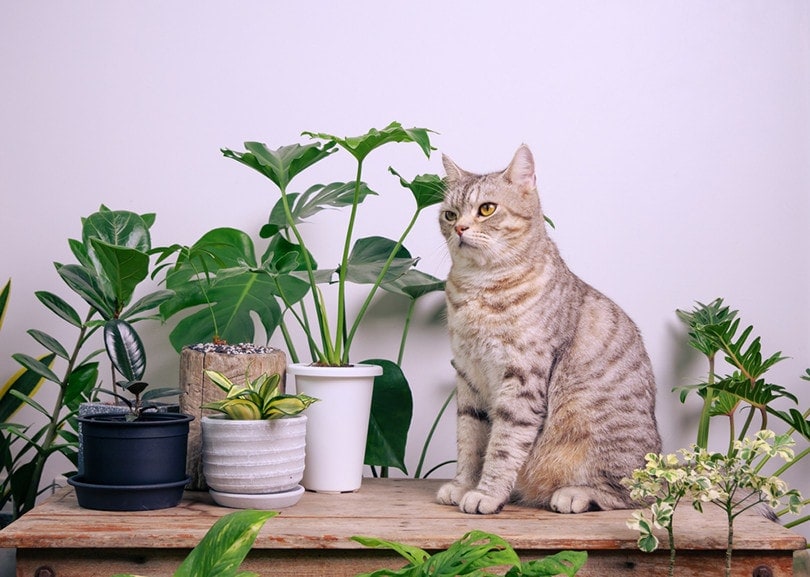
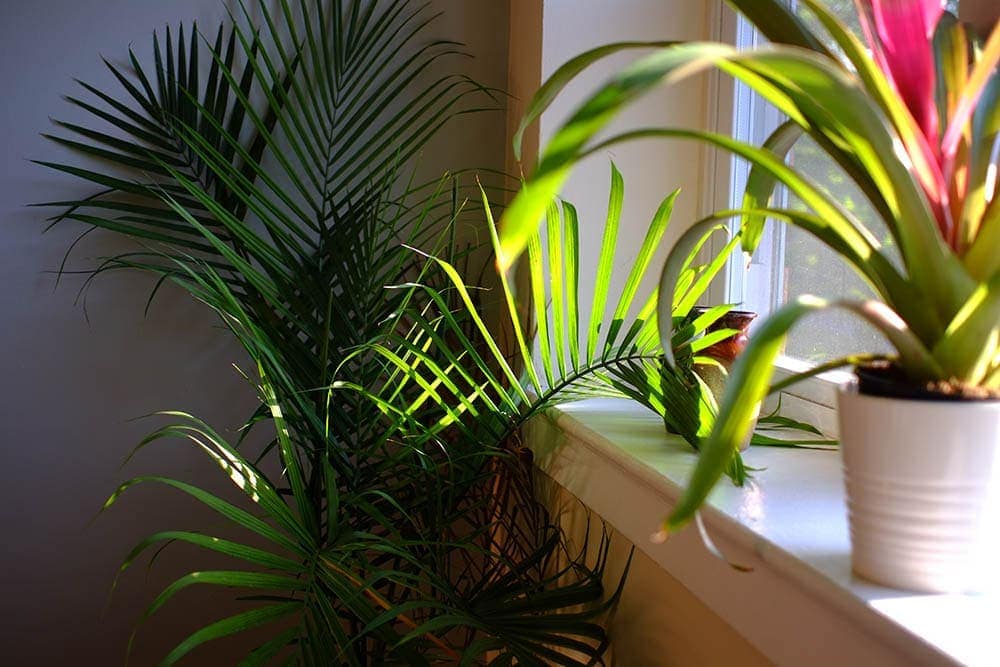
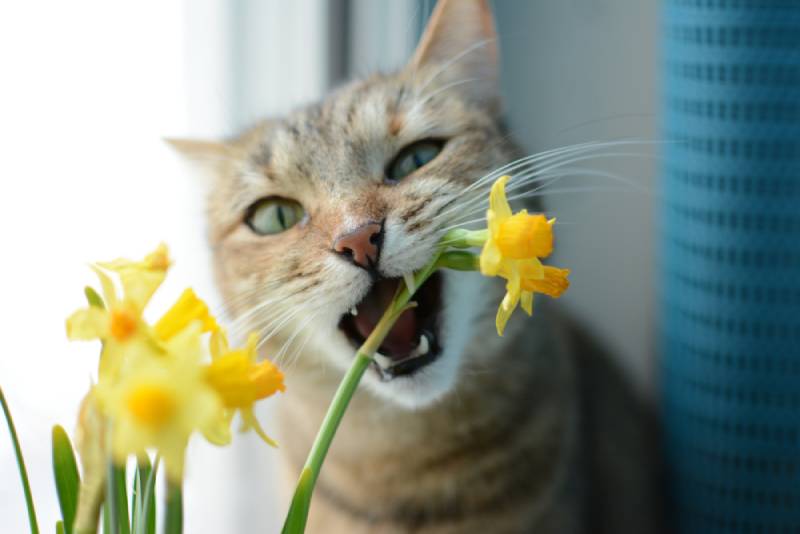
Cats and green thumbs do not always mix, and plant-loving cat owners are all too familiar with this challenge. Whether it be the mangled plants, the mess from the constant tipping of pots, or the potential dangers that certain plants pose to our feline’s health, we can all agree this is a problem that needs solving.
There must be something you can do about it, right? That’s why we are here! We go over some things you can try to keep cats away from your plants.

Why Do Cats Love Plants So Much?
Taste/Texture
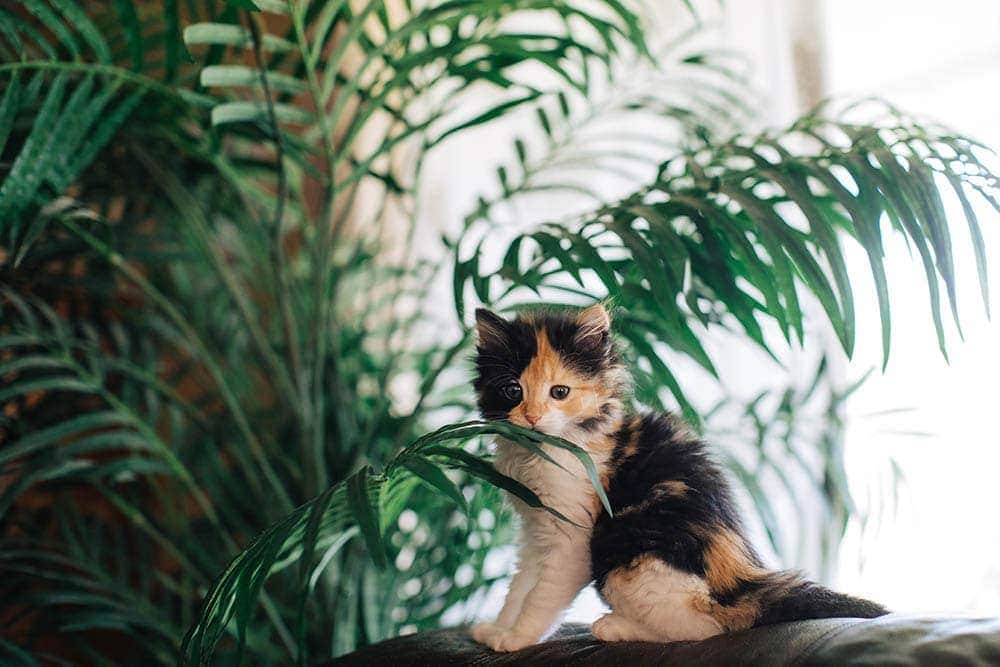
We’re sure you have heard the saying, “Curiosity killed the cat.” Felines are very curious creatures, so much so that it can get them into trouble. Different types of plants have varying textures, and a cat may simply enjoy chewing on objects that feel different. This can be dangerous because some plants pose a danger to cats because of toxicity.
Cats do not have nearly as many taste buds as dogs or humans, but that doesn’t mean they can’t enjoy the taste of some plants. Regardless, their curious nature typically leads them to gnaw on plant life both indoors and outdoors.
Entertainment
Some cats show interest in plants out of boredom and the need for entertainment. Other kitties will go on the hunt for something to play with and keep them busy. Plants can be very stimulating for cats, especially those with long vines and leaves. They can bat them around, chew on them, and destroy them, which is fun!
Instinct
Many species of wild cats instinctively chew grass. This behavior is thought to help with digestion and parasite control, and your cat may instinctively be drawn toward plants in your house or garden for this reason.

The 8 Tips for Keeping Cats Away From Plants
1. Keep Plants Out of Reach
Your cat will almost inevitably be tempted to mess around with your houseplants. Not only are some houseplants outright dangerous to cats, but cats are also equally as dangerous to the plants. One way to keep your pets out of the plants is to put them far out of reach.
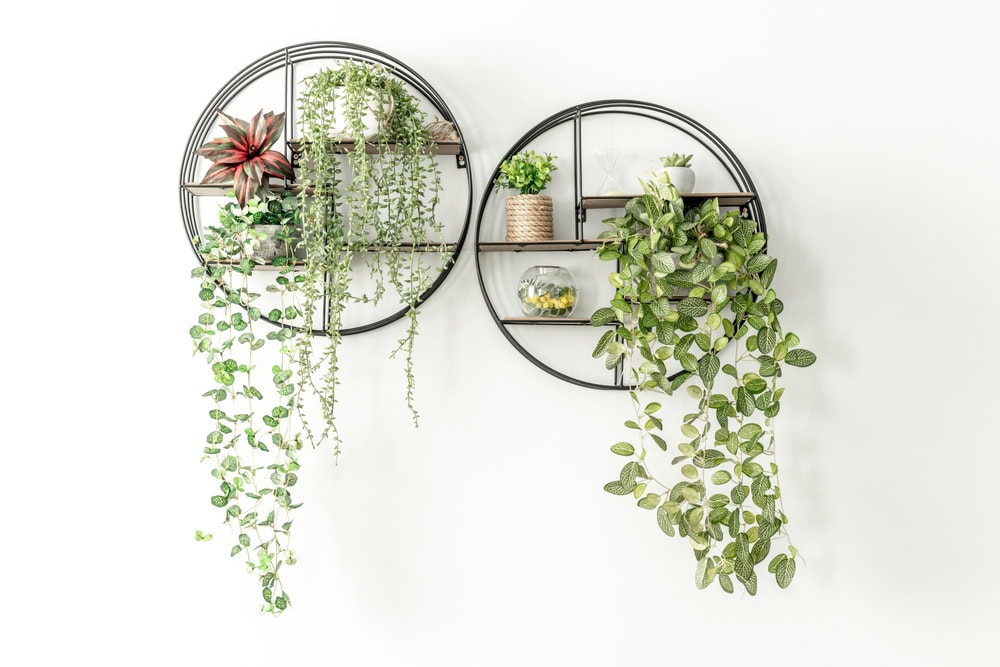
Nowadays, there are several hanging pots and displays that are easy to use to keep your plants up and out of reach of wandering paws. You may have to get a bit creative with your decorating skills, but it is definitely possible.
Be warned that cats are very athletic and can easily scale heights of up to 5–6 feet. They may use your furniture, tapestry, curtains, or tabletops as a launching pad to inspect a hanging pot. A dangling pot with the smell of a plant inside is enough to spark an interest in most cats, as they are naturally inquisitive. Never assume that your hanging pots are safe until you've thoroughly inspected your cat around them.
2. Install Cat-Proof Fences
A cat-proof fence around your plants is an excellent idea for your garden, both indoors and outdoors. This can be as simple as a screen door, or a custom-made barrier that prevents your cats from accessing your plants, keeping them and your plants safe.
3. Try Cat-Safe Deterrent Sprays
Cat-safe sprays can be tried but they may not always work, and ambitious kitties may choose to ignore them if the smell of the plants is far too enticing. These sprays should not be used around kittens, pregnant cats, or cats that are nursing. They should also not be used around cats that have respiratory ailments, such as asthma, or any other medical condition that warrants extra caution. Also, you want to make sure the product that you choose is safe for your plants.
4. Try a Spray Bottle
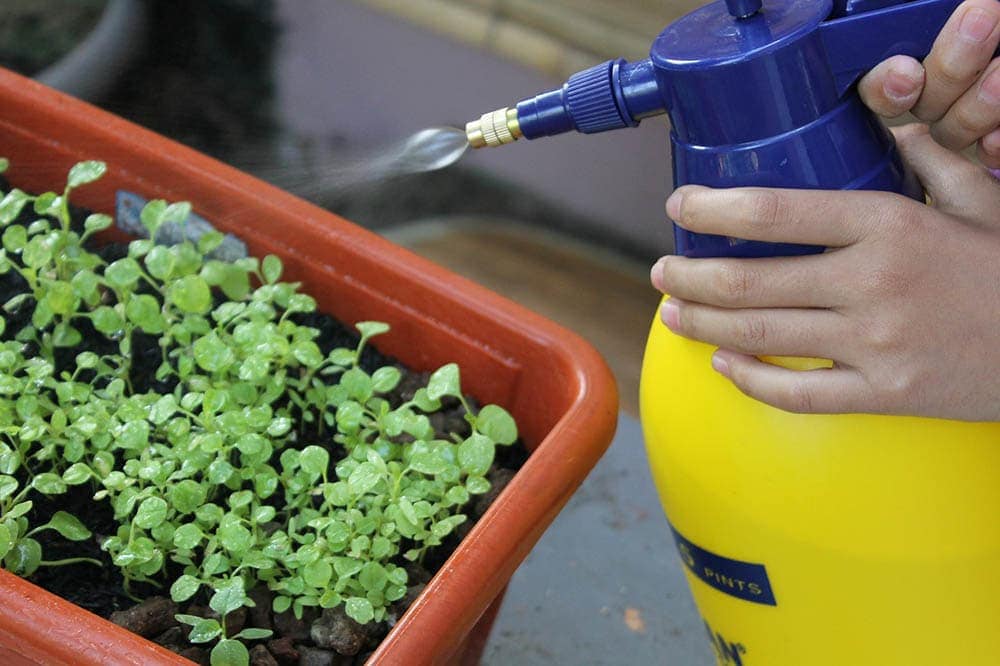
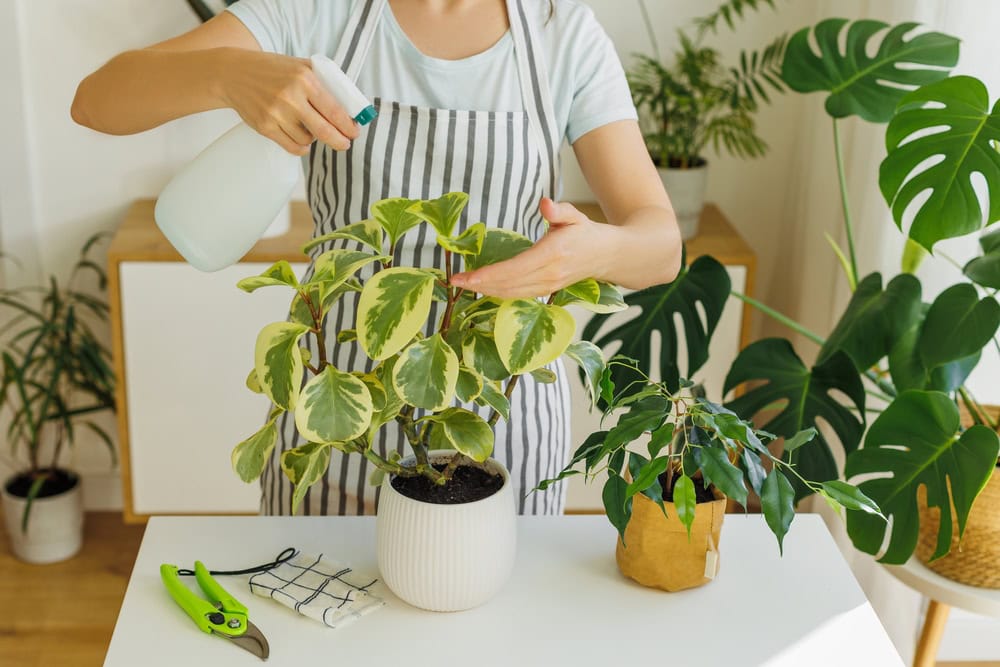
Cats may not be easy to train, but one thing you can try is the notorious spray bottle. You’ve likely heard of spraying water on a cat as a deterrent for getting on the counters or up on other surfaces you need to keep them from. Why not give it a go when they head toward the houseplants?
This may not work for all cats, but it is worth a try. The only issue with this tactic is that not everyone is always home to spray the cat each time they head for a plant. Plus, it’s not a favorable teaching approach among all cat parents, as some find it a bit mean. If cats can see you doing the spraying, they may associate you with the discomfort, which can impact your relationship.
So, motion-detection deterrent sprays could be the ultimate solution that you’ve been looking for.
5. Try Cat Grass or Catnip
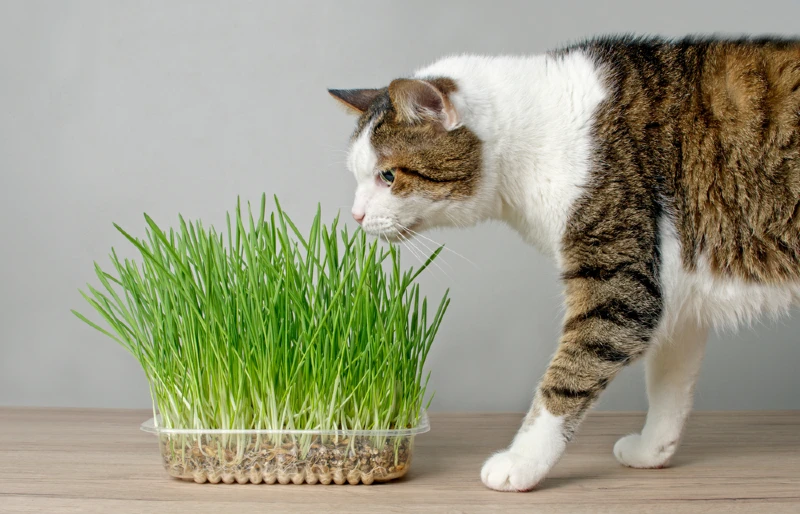
There’s nothing wrong with getting your cat their own plant, especially if they are particularly fond of houseplants. Providing your cat with a pot filled with cat grass or catnip is a great way of having the best of both worlds. Although cat grass and catnip are entirely different plants, both are safe for kitties and will provide them with enrichment and the ability to act out their natural behaviors. In addition, to be perfectly safe, these plants are also very easy to grow so you don’t have to stress about your green thumb or lack thereof.
6. Keep the Plants Trimmed
Keeping your plants properly trimmed will help keep your cat away from them. Most of the time, cats are enticed by long, flowing plants that make great play toys. Like wand toys, they like to bat around the lengthy leaves and get satisfaction out of the movement. Keeping your plants trimmed regularly will help to keep the stimulation to a minimum.
7. Create Your Own Plant Room
Who wouldn’t want their own plant sanctuary in the house? If you have the space, set aside a room that is dedicated to your plants. You can make it your own green, peaceful haven that is free of kitty teeth and claws. This is a great idea to keep your cat entirely away from your plants by never allowing them access. Unfortunately, this won’t work for everyone, as not all owners are going to have the extra space in their homes to dedicate to plants only.

8. Opt for Fake Plants Instead
One way to keep your cats out of the live house plants is to switch to fake plants. Many varieties on the market are so realistic looking, you can hardly distinguish them from live plants. The other good news about fake plants is that you cannot kill them, so no green thumb or maintenance of any kind is required. Keep in mind that not all cats will be deterred by fake plants. You will have the occasional mischievous kitty that still goes after them, but they are generally less of a hazard to your pet’s health than toxic plants—as long as they don't ingest a piece of one. You still need to supervise your cat even among fake plants.
Say "No" to Toxic Plants
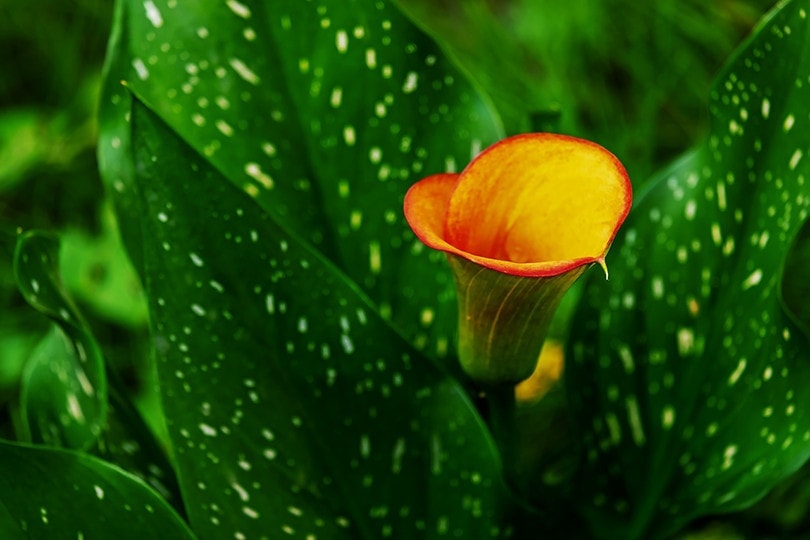
The best way to ensure your cat is safe from any potential toxicity is to keep toxic varieties out of the house entirely. While plants can vary in toxicity, some are potentially deadly to cats, and the only way to be 100% sure your cat is not at risk is to not have them at all. Any pet owner that chooses to keep toxic houseplants in their home should be well aware of the signs of toxicity and have either a Pet Poison Helpline or an emergency veterinarian’s number nearby.
Common Houseplants
Knowing the houseplants that are safe for cats and those that put your cat at risk of toxicity if chewed on or ingested is important. Here, we have listed some of the most common houseplants that have toxic effects on cats and those that do not. This is not a complete list by any means, but one can be found here.
Common Toxic Houseplants
- Aloe Vera
- Azaleas
- Chrysanthemum
- Coleus
- Dumb Canes
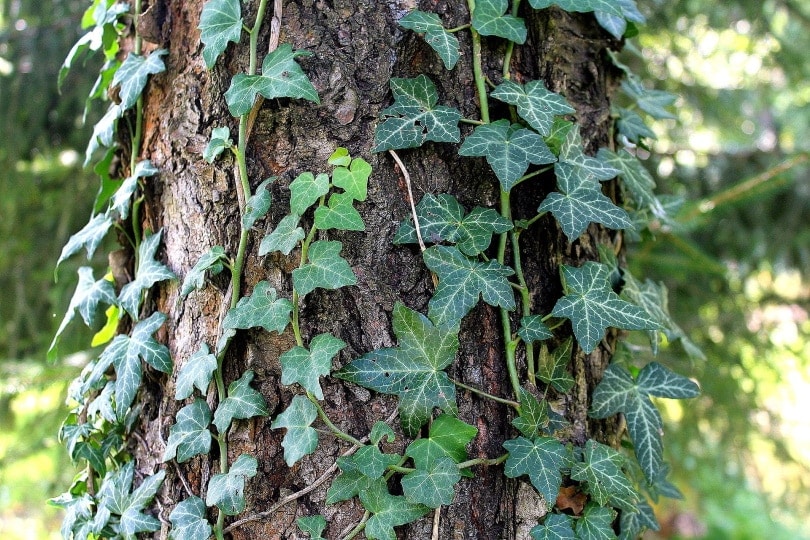
- English Ivy
- Jade
- Lilies
- Poinsettia
- Pothos
- Rhododendrons
- Sago Palm
- Swiss Cheese Plant
Common Safe Houseplants
Final Thoughts
The good news is that you do not have to choose between your cat and your houseplants. There are many different tips and tricks you can try to keep your pet away from your plants. If that does not work, there are ways you can completely separate the two.
Not only will this help reduce mess and save the lives of many plants, but it can also keep your cat from getting into any houseplants that pose the risk of poisoning them.
See Also:
Featured Photo Credit: New Africa, Shutterstock
Get Hepper In Your Inbox


Pet care tips from our vets and experts, straight to your inbox.
You may opt-out at any time. View our Privacy Policy for more information.
Misty Layne lives out in the woods in small-town Alabama with her two Siamese—Serafina and Jasper. She also has an array of stray cats, raccoons, and possums who like to call her front porch home. When she’s not writing about animals, you’ll find her writing poetry, stories, and film reviews (the animals are, by far, her favorite writing topic, though!). In her free time, Misty enjoys chilling with her cats, playing piano, watching indie and foreign films, photographing abandoned places, and catching up on her never-ending TBR list.
Join the conversation
Ask a question, share your story, or send private feedback.