Hepper is reader-supported. When you buy via links on our site, we may earn an affiliate commission at no cost to you. Learn more.
Can Cats Eat Peace Lilies? Vet-Approved Facts & Plant Safety


In this article
The peace lily, also called the Mauna loa plant (Spathiphyllum), is a common indoor houseplant that only requires moderate sunlight to grow properly. If you’re a pet owner with a peace lily in your home, you may have wondered: Can cats eat peace lilies? No, cats should not eat peace lilies, since they are toxic to them.
Although they are not as deadly as the plants in the Hemerocallis or Lilium genus,1 peace lilies can cause excessive drooling, vomiting, a burning sensation in the lips, mouth, and tongue, and problems swallowing.2 When cats consume the plant, the signs range from mild to moderate but are rarely fatal.
Peace lilies are in the Araceae family, but they’re not considered true lilies. Stargazer lilies, Asiatic lilies, fire lilies, and Japanese show lilies are true lilies that are incredibly toxic and potentially fatal to cats. Peace lilies are less harmful than true lilies, but they contain calcium oxalate crystals that can cause painful reactions if chewed or swallowed by felines.3 These insoluble microscopic crystals come into contact with your cat’s tissues when they chew a stem or leaf, and they look and feel like needles in your cat’s mouth and digestive tract.

What You Can Do If Your Pet Eats a Peace Lily
Before signs like drooling or vomiting occur, cats can start rubbing their mouths or tongues and crying out in pain. Try to stay calm while you hold your cat and remove any residual pieces of the plant from their mouth. Wipe the animal’s mouth with a clean wet rag, carefully rinse their mouth and tongue, and contact your veterinarian.
Most reactions will subside after a few hours, but it’s best to see your vet as soon as possible to ensure your cat is safe. The clinical signs will not be as severe if your cat only chews a small piece, but you should collect a sample of your plant to confirm its identity when you see your pet's doctor. You can reduce the oxalate crystal’s reaction by giving your pet a tiny amount of milk or yogurt. However, this is only a temporary solution that should be followed by a visit to the vet.

How to Prevent Your Cat From Eating Peace Lilies
If you research how to keep your cat from eating peace lilies, you’ll find several suggestions that mention adding citrus peels, coffee grounds, or hot pepper spice to the plant’s soil. These homemade deterrents may keep your cat away, but they’re not 100% effective and can even be dangerous. Most houseplant varieties will stay intact if cared for correctly, but they can still drop flower petals and leaves on the floor. Unlike other plants with different toxicity levels in the stems, flowers, and leaves, the entire peace lily has oxalate crystals, and any section can harm your pet.
Removing the plant from your home is the only way to protect your feline from an adverse reaction. Peace lilies have a light floral aroma that’s attractive to cats. Since felines are excellent climbers and leapers, you’re unlikely to protect your pet by placing the plant in an elevated location. However, if you cannot bring yourself to part with a peace lily, you can keep the plant outdoors in a shaded area. Peace lilies will thrive in warm or cool conditions, but they’ll die if the temperature drops below freezing.
Rather than risking your pet’s health with a peace lily, you can select houseplants from the ASPCA’s non-toxic list for safer alternatives.
Here is a small sample of the safe plants for your kitty:
- Boston fern
- Areca palm
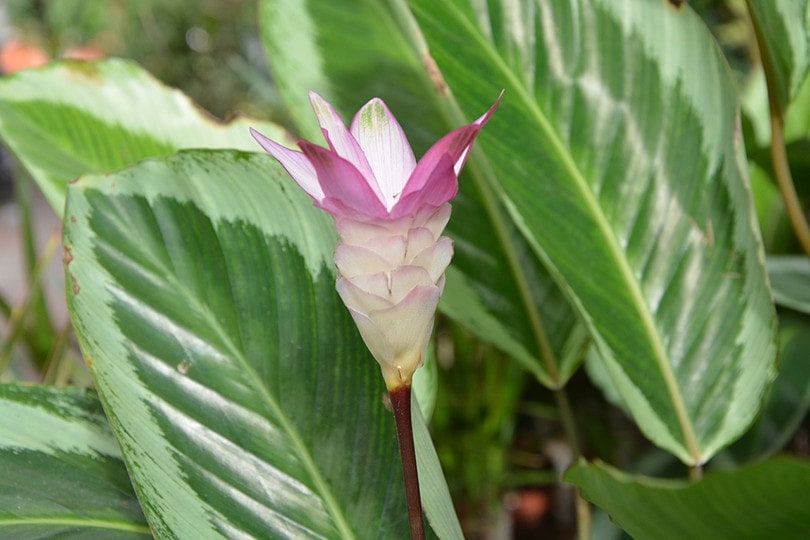
- Red prayer plant
- Bird’s nest fern
- Elegant orchid
- Money tree
- Parlor palm
- Bromeliad
- Friendship plant
- Venus fly trap
- Kimberly queen fern
- African violet
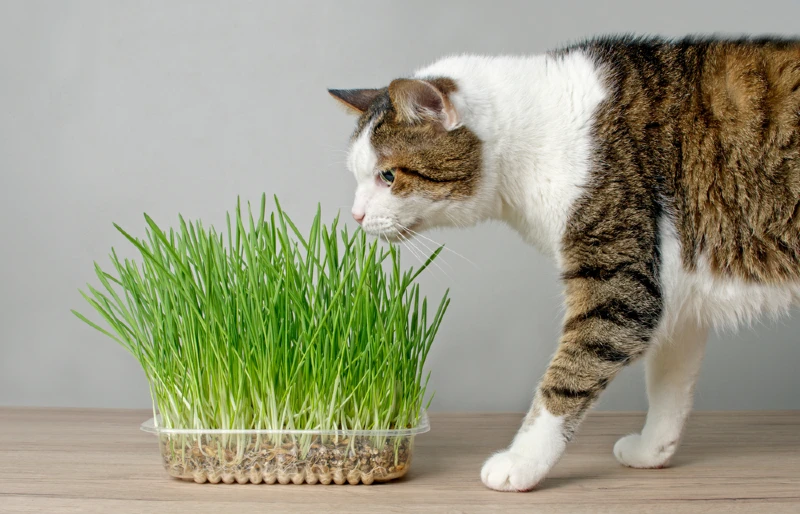
- Cat grass
Although all the plants on the ASPCA’s non-toxic are considered safe for cats, your pet can experience discomfort if they ingest too much of any plant. House cats have particular diets, and their systems are not efficient enough to process large quantities of plant material. Catnip is famous for its ability to energize your kitty, and it is safe for cats to smell and eat. However, cats that eat too much catnip may experience diarrhea or vomiting.
The 11 Poisonous Plants to Avoid Keeping in Your Home
For a complete list of toxic plants, you can view the ASPCA toxic plant list. If you scroll through it, you’ll probably be surprised how many indoor and outdoor plants are hazardous for your cat. Some of the flora species are less toxic to your cat than others, but we’ve compiled a list of the most dangerous plants to keep out of your house.
1. True Lily
Plants in the Lilium family are among the most dangerous substances for your cat. Lilies are often grown outdoors, but many homeowners clip the flowers for indoor presentations. Even a single leaf or the water from a vase holding lilies can lead to acute kidney damage
2. Tulip
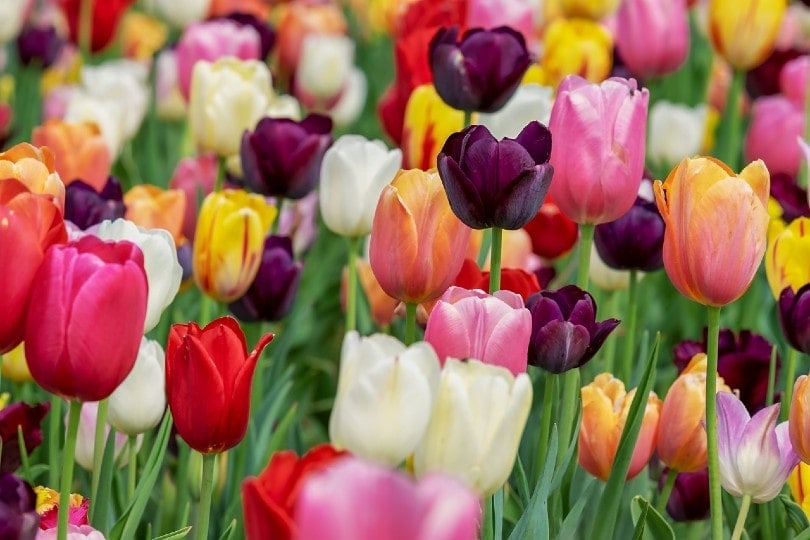
The bulbs of tulips and narcissus plants can cause drooling, loss of appetite, vomiting, diarrhea, convulsions, low blood pressure, and heart problems.
3. Sago Palm
The seeds of the sago palm contain the highest concentration of toxins, but any part of the plant can make your cat sick. Eating one or two sago palm seeds can lead to diarrhea, vomiting, seizures, depression, liver failure, and death.
4. Azalea/Rhododendron
Azaleas and rhododendrons are common outdoor plants often displayed indoors. The plants contain grayanotoxins that can cause drooling, vomiting, weakness, diarrhea, central nervous system depression, coma, and death.
5. Oleander
Each section of the oleander plant contains cardiac glycosides that can lead to drooling, abdominal pain, diarrhea, abnormal heart function, and death.
6. Cyclamen
The terpenoid saponins present in all parts of cyclamen plants are most concentrated in the plant’s tubers and roots. They can cause vomiting, diarrhea, drooling, seizures, heart problems, and death.
7. Kalanchoe
Kalanchoe plants can cause gastrointestinal problems and disrupt the cat’s heart rate.
8. Yew
Toxins called Taxine A and B and volatile oils in yew plants can result in coordination problems, breathing difficulty, trembling, gastrointestinal irritation, cardiac failure, and death.
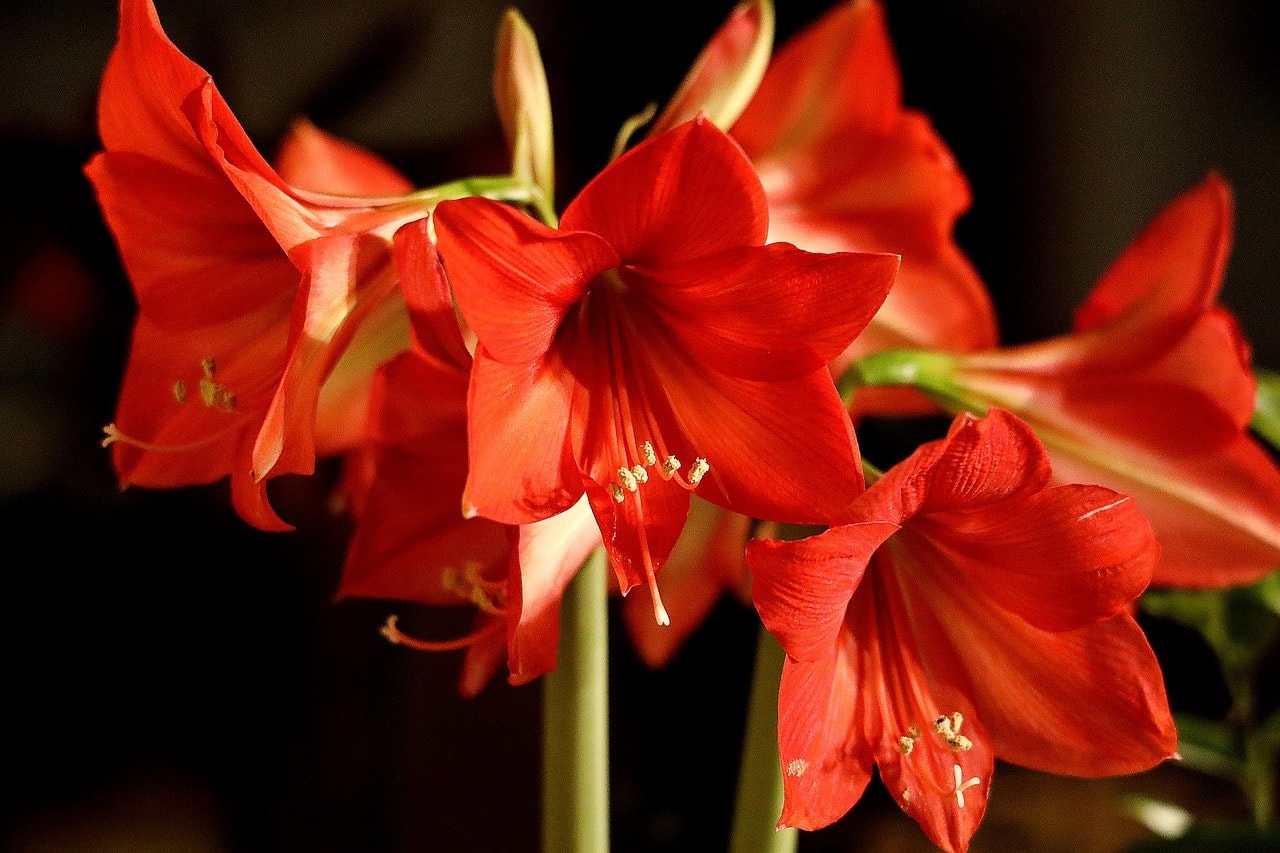
9. Amaryllis
This popular Easter decoration contains lycorine and other toxins and can cause depression, vomiting, abdominal pain, diarrhea, anorexia, hypersalivation, and tremors.
10. Autumn Crocus
Every section of chrysanthemum plants is toxic to cats. The plant’s pyrethrins toxin can cause drooling, vomiting, diarrhea, dermatitis, and loss of coordination.
11. Chrysanthemum
Every section of chrysanthemum plants is toxic to cats. The plant’s pyrethrins toxin can cause drooling, vomiting, gastrointestinal stress, diarrhea, and loss of coordination.
Conclusion
Decorating your home with houseplants adds color to your interior design and purifies the air, but some of the most attractive species are hazardous to your feline. With so many plants on the toxic list, it seems challenging to keep your pet safe. However, many beautiful plants are safe for your pet, and you can protect your furball from danger by keeping the deadly species out of your house. Avoid having any poisonous species in your garden or landscaped areas. Even if you try to keep fallen leaves, flowers, or stems under control, you can’t prevent them from being accidentally dragged inside.
Get Hepper In Your Inbox


Pet care tips from our vets and experts, straight to your inbox.
You may opt-out at any time. View our Privacy Policy for more information.
Nicole is a lover of animals of all sizes but is especially fascinated with the feline variety. She’s the proud mom of Baby, a Burmese, and works every day so he can relax in the sunshine or by the fire. She’s always had a cat in her home and has spent countless days with others, observing behaviors and softening up even the grouchiest of the lot. Nicole wants to share her kitty expertise with you so you and your cat can live happy, healthy, and care-free.
Join the conversation
Ask a question, share your story, or send private feedback.