Hepper is reader-supported. When you buy via links on our site, we may earn an affiliate commission at no cost to you. Learn more.
Polish Hunting Dog: Info, Pictures, Characteristics & Facts
Breed Overview
Height:
Weight:
Lifespan:
Colors:
Suitable for:
Temperament:
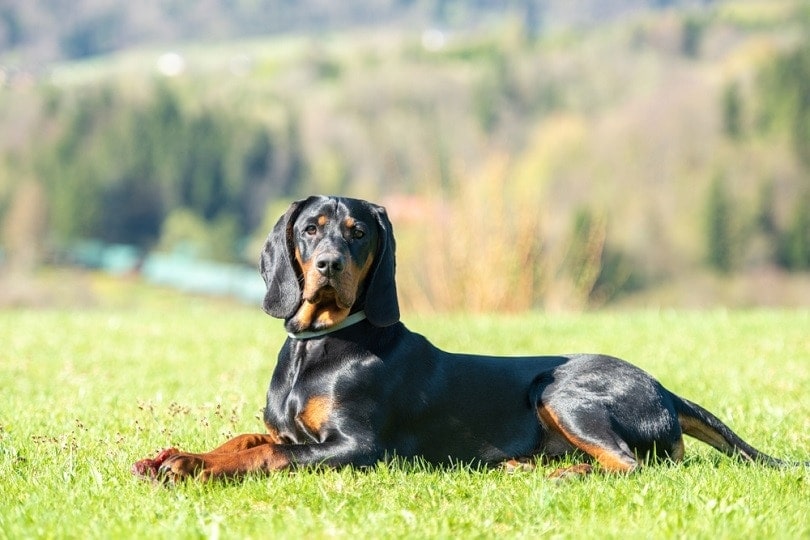
If you live an active lifestyle, an active dog breed could make for an ideal companion. And the Polish Hunting Dog is anything but lazy. Known as the Gonczy Polski in its native Poland, this pooch is a true hunter’s companion.
These scenthounds were originally bred to hunt down big game such as wild boar and deer. And they still carry the same rugged stamina and determination. These pups require a ton of exercise. So if you’re not super active and can’t dedicate time to their exercise, this black hunting dog might not be the breed for you.
However, if you’ve got what it takes to keep up with this pooch, you’ll have a loving friend for life.

Polish Hunting Puppies
Polish Hunting Dog Characteristics
Before you jump into finding a Polish Hunting Dog, there are a few things you need to consider.
First, do you have the time and energy to devote to this pup's active lifestyle? These dogs need much more exercise than your average pup. And while they love snuggling up on the sofa with you, they're still going to need to exert their energy at some point during the day.
Failure to do so can lead to very destructive behaviors. Their pent-up energy can burst like a bubble and cause them to chew up or shred through furniture, shoes, and other items.
Next, do you have the land space or yard for them? While it's entirely possible to raise these pups in an apartment if you're dedicated enough to take them out, these dogs feel best when they are provided with large tracts of land to roam and call their own. They’re patrollers and love to investigate anything and everything. A big yard will also help with their insatiable exercise requirements.
Another thing to watch for is bringing them around other smaller pets such as cats, hamsters, or rabbits. Polish Hunting Dogs are excellent hunters and have a very high prey drive. And while they may do just fine with children and other dogs, smaller pets may do little but stimulate their urge to hunt.
Lastly, these dogs are not hypoallergenic. They’re not heavy shedders, but they do shed nonetheless. If you have severe allergies, you may want to consider another breed.

3 Little-Known Facts About the Polish Hunting Dog
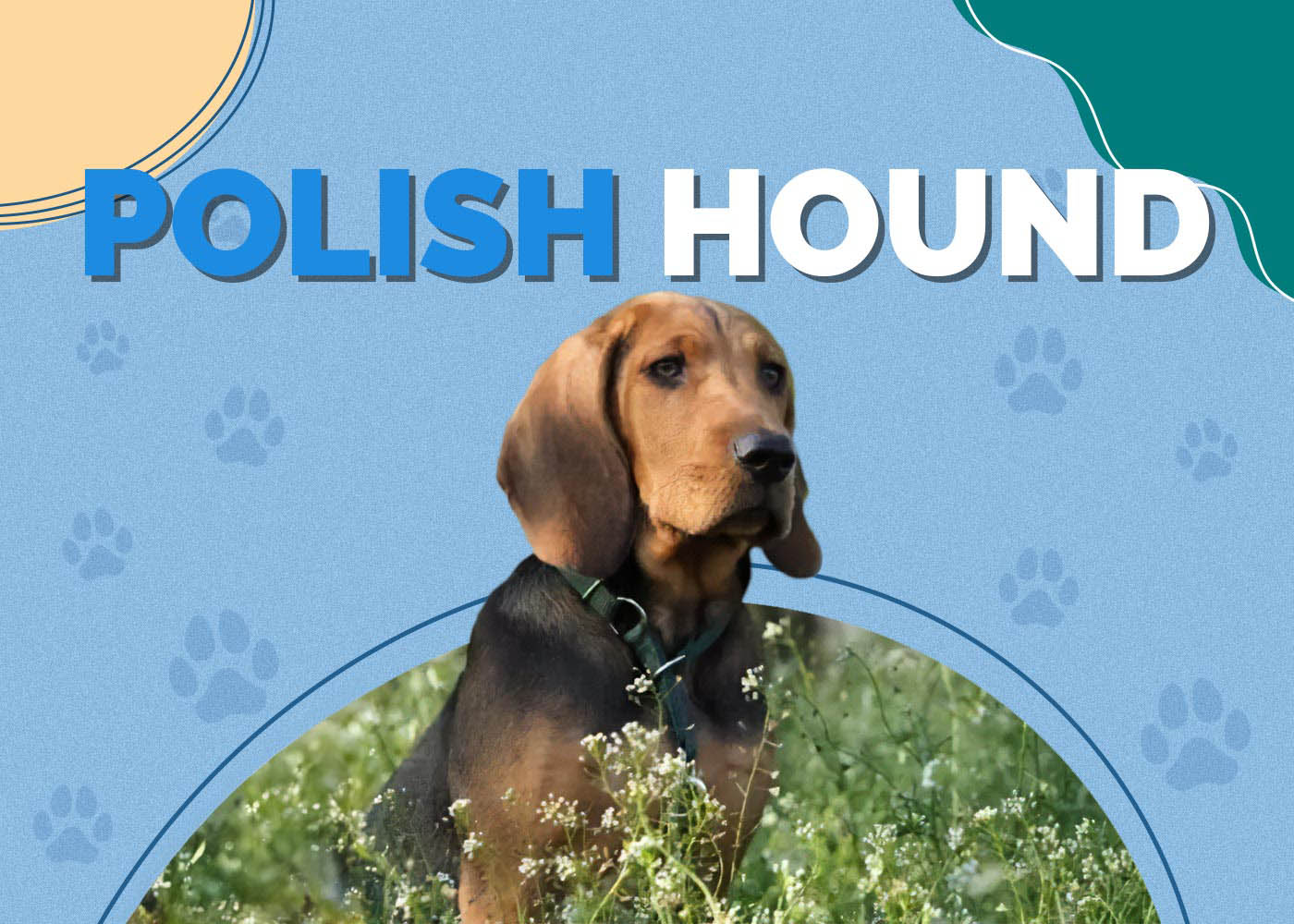
1. The Polish Hunting Dog is often confused with the Polish Hound.
These two dogs share a common ancestry and are essentially two sides of the same coin. Some key differences to note are coat colorings, temperament, and size. With the Polish Hunting Dog, coats are predominately black with tan markings. On the Polish Hound, the colors are reversed.
The Polish Hunting Dog is often the more mature of the breeds as far as temperament goes with the Polish Hound being more confrontational and defensive. However, the Polish Hunting Dog is a “lighter-boned” dog weighing 20 pounds less than the Polish Hound.
2. The Polish Hunting Dog almost went extinct after WWII.
After the First World War, numbers of the Polish Hunting Dog went into serious decline and there were very few left in Poland. And those numbers took an even more dramatic decline after the end of WWII. However, thanks to dedicated breeders, the Polish Hunting Dog was able to rebound and bolster their population. The dog still isn't as common as it was before and is still considered to be a rare dog to this day.
3. They are renowned for their beautiful voices.
The Polish Hunting Dog’s bark and voice are considered to be one of the purest and most innocent of any dog breed. Its clarity and intensity make it ideal for signaling hunters on the trail.
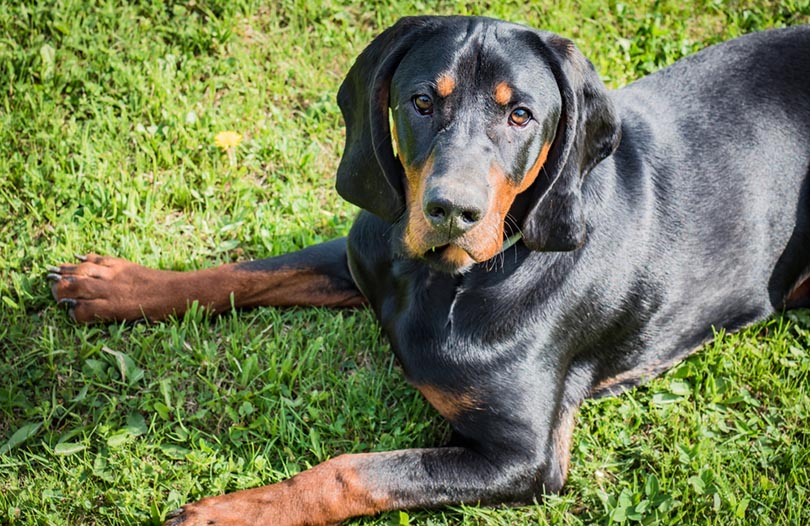

Temperament & Intelligence of the Polish Hunting Dog 🧠
The Polish Hunting Dog is a very intelligent breed and can be trained quite easily—provided the correct methods are used. They are super eager to please their masters and take pride in doing a job well done.
Are These Dogs Good for Families? 🏡
These dogs can make for good family dogs. However, we don’t necessarily recommend them for families with small kids. They can be rather sensitive and aren’t very patient when it comes to harassment that they can experience from inexperienced children.
Does This Breed Get Along with Other Pets? 🐶 😽
This black hunting dog breed gets along great with other dogs. It's every other pet you might want to worry about. The Polish Hunting Dog has an extremely high prey drive and may go after smaller pets such as cats, rabbits, or other rodents.

Things to Know When Owning a Polish Hunting Dog:
Raising a Polish Hunting Dog is very similar to raising any other highly active pup. However, there are a few tweaks you’ll need to make to parent the best pup possible.
Food & Diet Requirements
Ensuring that your Polish Hunting Dog has the right amount and type of food will be an extremely important part of raising them. Being very active dogs, their food needs to provide them with the nutrition their bodies need to keep them fueled.
We recommend a high protein diet such as Taste of the Wild High Prairie Grain-Free to get them the nutrients they require to stay happy and healthy.
A fully grown adult should consume 3 cups of food each day. However, this amount may increase in colder weather or periods of increased physical activity.
Exercise 🐕
These dogs have some serious exercise requirements. Polish Hunting Dogs were originally bred to trek the dangerous mountain ranges of Poland and chase big game across treacherous terrain. And they haven’t lost the energy required to do so over the years.
Your Polish Hunting Dog will require a minimum of 90 minutes of exercise every single day. And that's just on average. More active dogs may require a good 2 hours of intensive exercise to stay satisfied.
This may seem like a lot of time each day. However, if you can incorporate your daily exercise routine with your pup's, this requirement becomes much easier to meet.
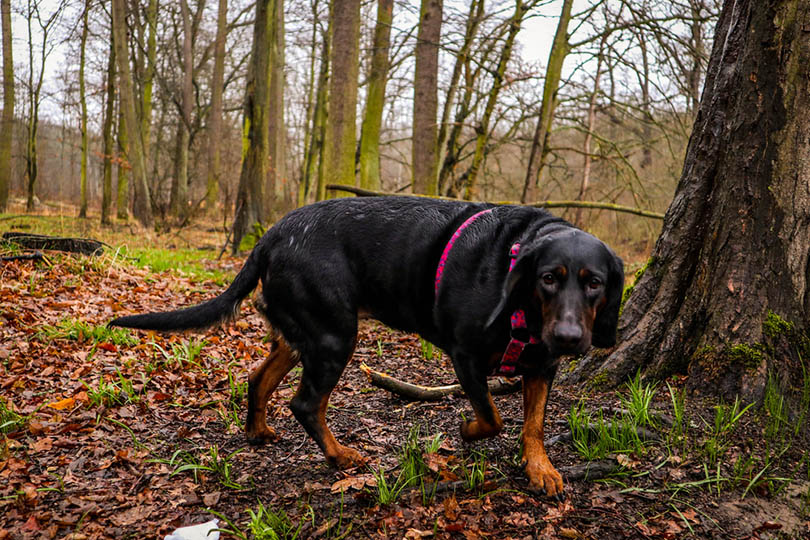
Training 🦮
Polish Hunting Dogs are extremely intelligent hounds. However, like most scent hounds, they can be quite stubborn at first—particularly when on the trail of something. Thankfully, they are also very keen on pleasing their masters and can fight through that independent streak to a degree.
When training them, you’re going to want to take a positive approach. Despite their fearsome backgrounds, these pups are rather sensitive. They respond best to praise and rewards when they accomplish a goal. Negative reinforcement will ultimately cause them to become withdrawn and aloof.
Grooming ✂️
Grooming is very easy when it comes to the Polish Hunting Dog. They only require weekly brushing to keep their coats in great form. They are shedders, but not excessively. A slicker brush should be all you need for coat grooming tools.
They're also not overly smelly dogs either. And they should only get a bath when they need it to preserve their natural oils.
Health Conditions ❤️
The Polish Hunting Dog is one of the most healthy and robust dogs out of any breed. There are very few major inherited diseases or conditions that ail them. The biggest concerns that they have to worry about are ear infections and bloat.
These two conditions can be explained via their body structure. They have floppy foldable ears that can be the perfect environment for bacteria growth. To avoid this, be sure to thoroughly clean and dry their ears once a week.
Bloat is a problem in most deep-chested dogs and the Polish Hunting Dog is no exception. To stop them from experiencing this, simply minimize their playtime and activity immediately after eating. Once the air and gas build-up settles, they'll be ready to go again.
Other than that, these are some seriously hearty and robust pups.

Male vs Female
There are some slight differences between the males and females of this breed. Male Polish Hunting Dogs are slightly larger than the females and boast a more forward temperament. Females of this breed tend to be more snuggly. But don’t mistake that to mean they are any less active than the males.
Final Thoughts
The Polish Hunting Dog might not be a breed for everyone. However, they might just be the perfect breed for you. They’re a very loyal dog that loves the great outdoors and everything that comes with it. And when properly trained, they are one of the best hunting dogs around.
So, if you’re searching for an active companion ready to brave the wilderness with you, look into adopting a Polish Hunting Dog.
See Also:
Featured Image Credit: Grzegorz Lukacijewski, Shutterstock
Get Hepper In Your Inbox


Pet care tips from our vets and experts, straight to your inbox.
You may opt-out at any time. View our Privacy Policy for more information.

Nicole is a lover of animals of all sizes but is especially fascinated with the feline variety. She’s the proud mom of Baby, a Burmese, and works every day so he can relax in the sunshine or by the fire. She’s always had a cat in her home and has spent countless days with others, observing behaviors and softening up even the grouchiest of the lot. Nicole wants to share her kitty expertise with you so you and your cat can live happy, healthy, and care-free.
Join the conversation
Ask a question, share your story, or send private feedback.