Hepper is reader-supported. When you buy via links on our site, we may earn an affiliate commission at no cost to you. Learn more.
German Longhaired Pointer: Dog Breed Info, Pictures & Facts
In this article
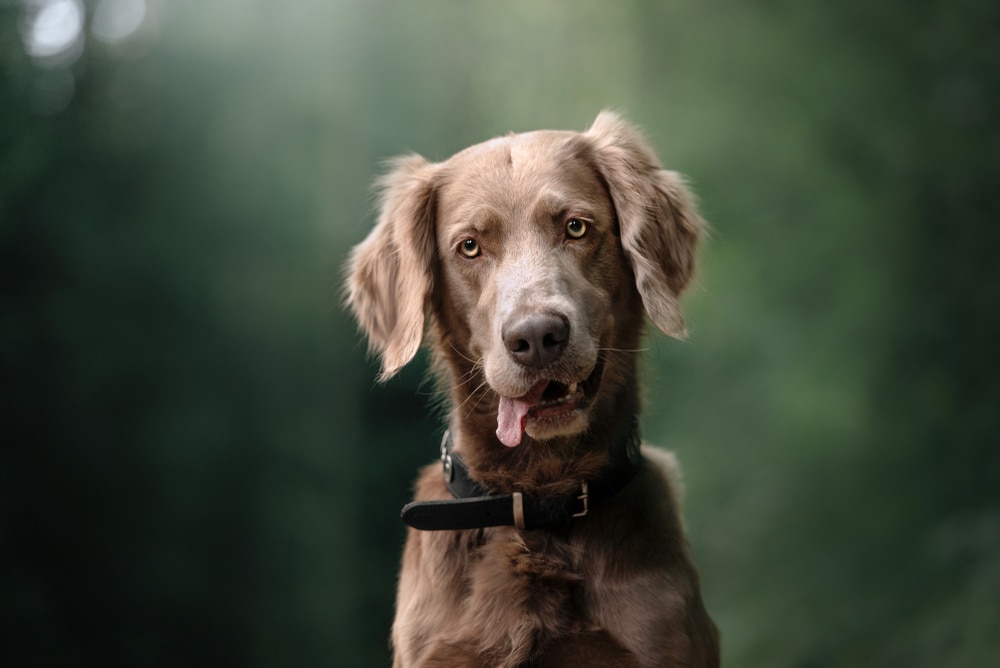
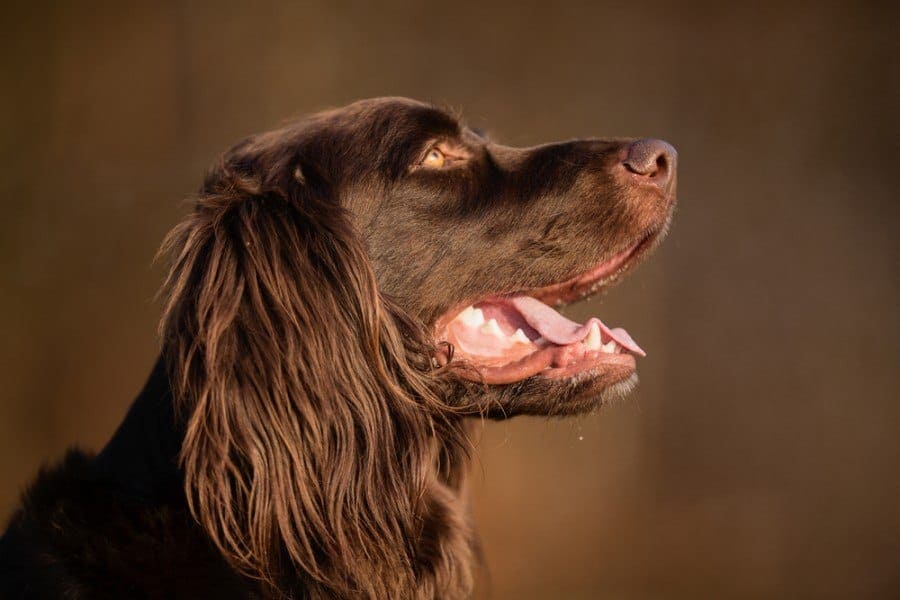
The German Longhaired Pointer is revered in the hunting community due to their unmatched ability to search, point, track, hunt, and retrieve game, namely waterfowl. They are one of the oldest breeds of Pointer, with a long history as gundogs. They make excellent working and hunting dogs and loyal and loving family pets.
Breed Overview
Height:
Weight:
Lifespan:
Colors:
Suitable for:
Temperament:
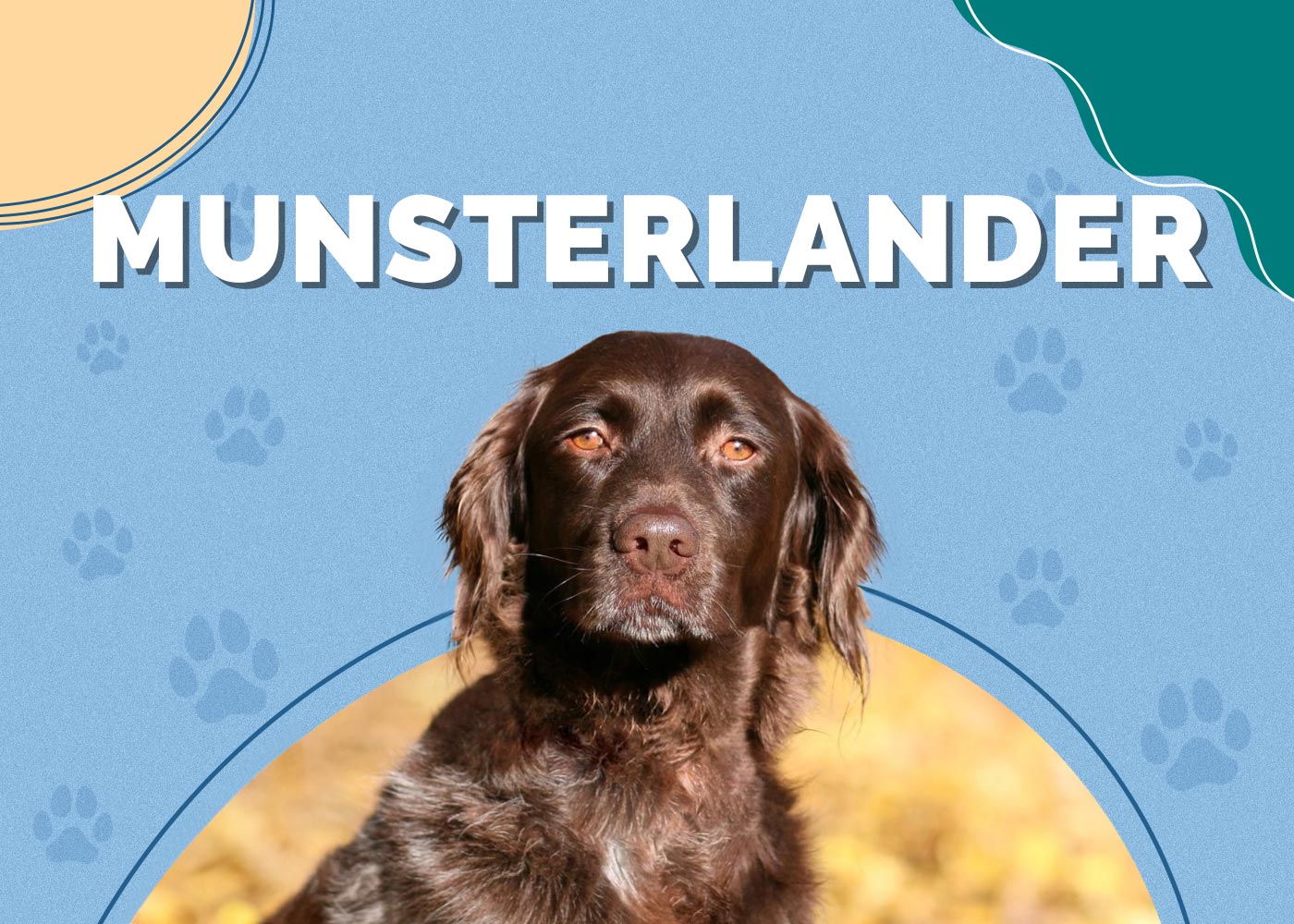
The German Longhaired Pointer originated in Germany and was initially a slow, stubborn, and temperamental breed. During the 19th century, they were crossed with Setters and English Pointers to improve their speed, and through breeding, they have since become friendly, gentle, and even-tempered animals.
They are excellent hunting dogs with plenty of energy and athletic capability, and you’d be hard-pressed to find a dog with a higher endurance threshold. If the German Longhaired Pointer sounds like the breed for you, read on for an in-depth summary.
German Longhaired Pointer Characteristics

German Longhaired Pointer Puppies
German Longhaired Pointers require regular exercise to stay happy and healthy, and they’ll need daily training. This makes them a big responsibility and time investment, and you should consider this carefully before bringing one home.
They love outdoor activities and are ideal dogs for active owners. Whether you're exploring mountains, rivers, lakes, or forests, you can be sure your Pointer will love to be by your side.

Temperament & Intelligence of the German Longhaired Pointer
German Longhaired Pointers are intelligent, gentle, and friendly dogs. Although they are primarily suited to hunting and working applications, they are even-tempered and adaptable animals that are suitable as family pets, too. They need a lot of exercise; without it, they can exhibit reactionary behaviors like chewing, barking, and possibly aggression.
Pointers have a long history of close working relationships with humans and form strong bonds with their owners. They do not like being left alone at home, even for short periods, so they are not suited for owners who are away frequently. The German Longhaired Pointer’s temperament has changed somewhat since their conception.
They were traditionally known to be stubborn and temperamental, but selective breeding has made them into loving, gentle, and easy-to-train dogs. If you are active and love to be outdoors with your dog, the German Longhaired Pointer will give you a run for your money and make a great exercise companion.
Are These Dogs Good for Families?
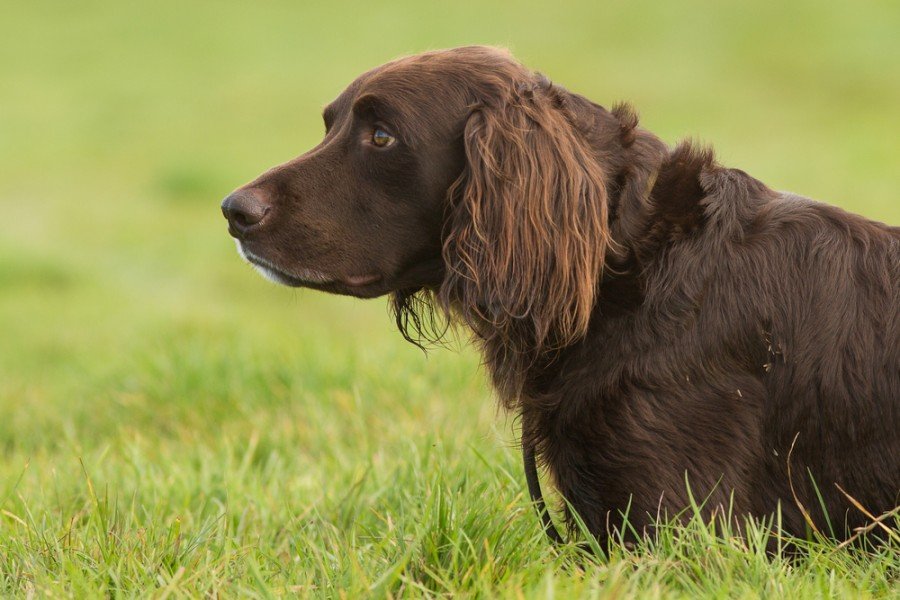
German Longhaired Pointers are great family dogs, provided that they are trained well. They are large, energetic canines and may be too boisterous for smaller children. However, they are loving and gentle dogs that bond strongly with their owners. Their high intellect, loyal bond with owners, and large size make them excellent guard dogs, too.
Does This Breed Get Along With Other Pets?
German Longhaired Pointers get along great with other dogs and pets, provided they are trained well and socialized early. Due to their history as hunting companions, they have a strong prey drive and see smaller pets as targets! However, that is usually not a problem with early socialization.

Things to Know When Owning a German Longhaired Pointer
Food & Diet Requirements
German Longhaired Pointers are high-energy dogs with a fast metabolism and need high-quality food, ideally divided into two separate meals. We recommend 2 to 3 cups of good-quality kibble daily. Whether you feed them dry kibble or wet food, the quality of the formula goes a long way. Serving high-quality, nutritious meals will reduce the chances of health risks associated with disorders resulting from inadequate diets.
Dry food is generally more convenient to serve, has a long shelf life, and aids in keeping their teeth clean. Wet food, on the other hand, will add moisture, flavor, and variety to their diet. We recommend using wet food primarily to complement their dry food staple.
Homemade meals can be expensive and time-consuming. It can also be difficult to gauge whether your dogs are getting the correct amount of nutrients, and it's best to get a recipe from a veterinary nutritionist.
We recommend feeding them two small meals a day instead of one large meal or free feeding. Pointers love to eat and will quickly become overweight if you feed them too much or give them too many treats.
Exercise
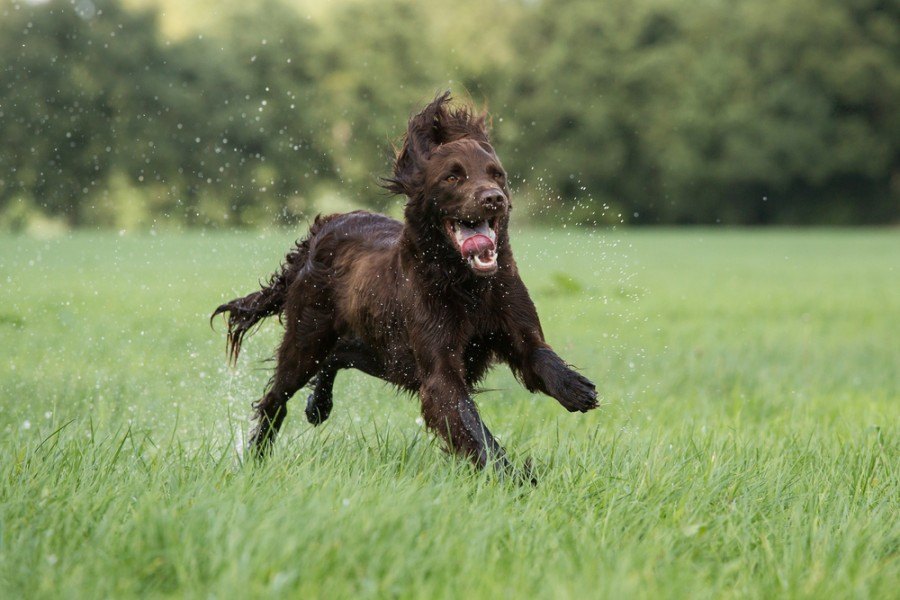
German Longhaired Pointers are high-energy pups that need daily exercise to burn off all their excess energy. They are working dogs and need to stay active to stay healthy, happy, and mischief-free. They need a large backyard to run around in and a few daily play sessions with the family.
We recommend at least 60-90 minutes a day, split up into two sessions. As intellectual animals, they’ll need physical and mental stimulation. An intense walk or run followed by games like fetch or frisbee will keep their physical and mental needs met. Their history as gundogs will likely make them love water, and a regular swim is a great way to burn off energy.
Pointers are not ideally suited for urban environments due to their high energy needs and high propensity for barking.
Training
The German Longhaired Pointer is an intelligent breed that is easy to train. They have a long and rich history of working with humans and love the mental and physical challenges of training. However, they are easily distracted and quickly lose interest, so we recommend keeping training sessions as short and entertaining as possible. A good amount is a maximum of 20 to 30 minutes per session.
Grooming
German Longhaired Pointers have a smooth, medium-length coat that requires regular brushing and grooming. They have a coarse topcoat and a fairly fine undercoat that may get matted if left unbrushed. The boisterous, energetic dogs are sure to get muddy and filthy on their daily walks as they love to investigate every smell and sound. In addition to brushing, they’ll likely need regular bathing.
We recommend a simple rinse and rub down when they get muddy. Shampooing should be kept to a minimum since too much can disrupt the natural oils on their coats, making them lose their shine and vigor.
Health and Conditions
German Longhaired Pointers are a healthy breed with few genetic health conditions. However, a few common disorders can affect them.
Hip dysplasia, allergies, heart disease, and thyroid problems are also fairly common in German Longhaired Pointers.
Male vs. Female
If the German Longhaired Pointer sounds like the right dog for you, the last decision to make is whether to get a male or female. Spaying females and neutering males will make a big difference in personality, as well as a calmer, gentler, and all-around happier dog. The dog's upbringing, genetics, and environment are more influential in their temperament than their sex.
Male German Longhaired Pointers are usually noticeably taller than females by 2 or 3 inches. They are usually heavier, too, by around 20 pounds in some cases. They are also more muscular and well-defined, with thick necks and bodies, while the females are more slender, with thinner necks and bodies.
Males are known to be more boisterous, have higher energy levels, and are generally more challenging to tire out. Females are more independent and happy to do their own thing, while males enjoy attention from their owners.
Both dogs have traditionally been used equally in terms of hunting, and gundog enthusiasts do not favor one over the other. The only issue is that females come into heat during hunting season, which can be solved by spaying.

3 Little-Known Facts About the German Longhaired Pointers
1. Their Name Comes From Their Unique Stance.
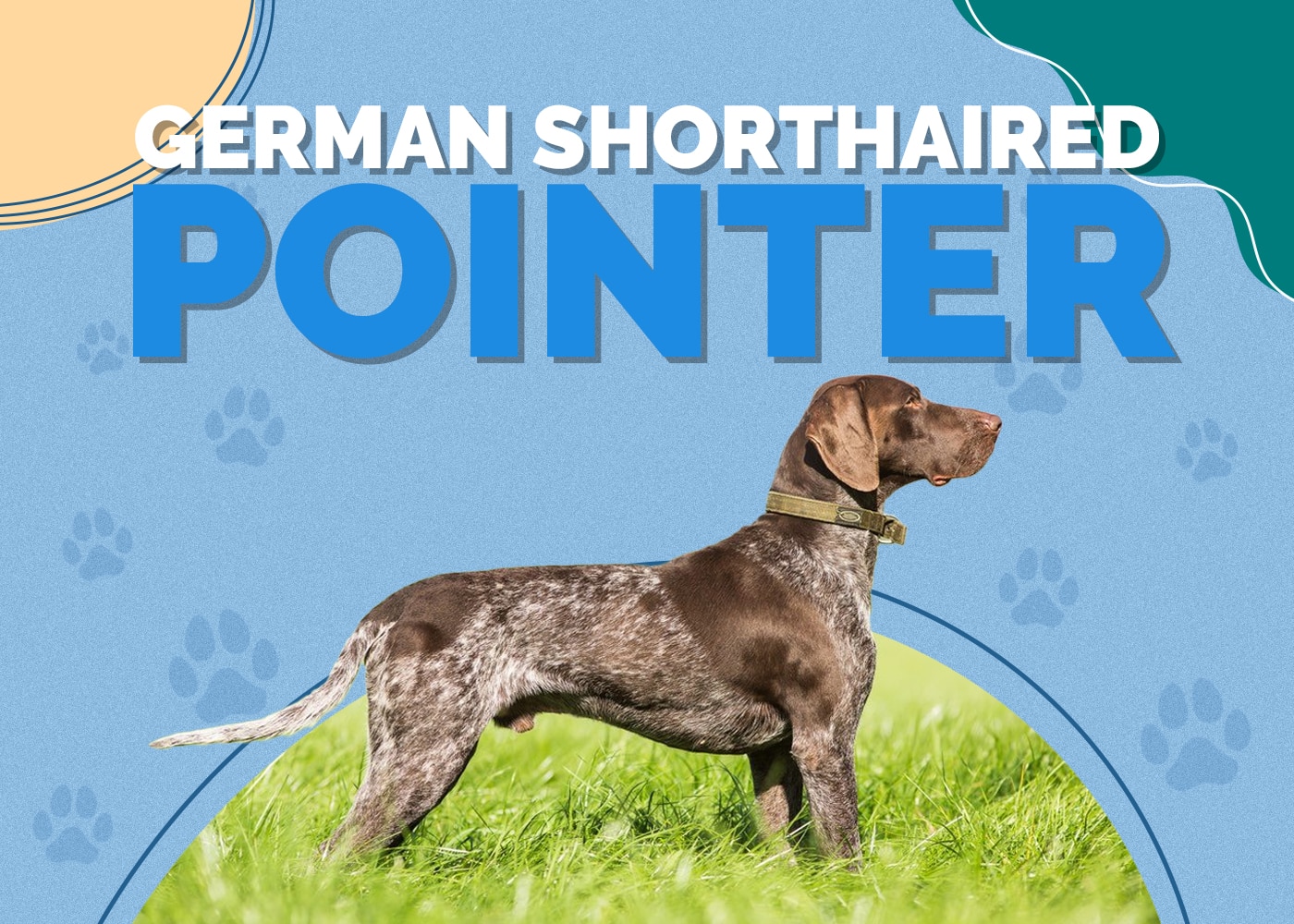
Although the “German” (they originated in Germany) and the “Longhaired” part of their name are self-explanatory, the “Pointer” part is due to their unique and characteristic stance. It comes from their instinct to stop and point at the game rather than run into the bush after it.
They will stop, lift one leg, and point their muzzle toward the prey's location. This became a particularly prized trait when gun hunting became commonplace, and the hunters were far more successful. This “pointing” trait was selectively bred and resulted in the Pointers we know and love today.
2. German Longhaired Pointers Are Skilled at More Than Just Hunting.
Although well known for their keen hunting instincts, Pointers are highly athletic and intelligent dogs, too. They are frequently used in agility competitions, and they have webbed feet for swimming and powerful noses for scenting.
Both Shorthaired and Longhaired Pointers are frequent winners in agility tournaments. If you have a love for canine sports and competitions, the German Longhaired Pointer is an ideal pet.
3. German Longhaired Pointers Have Never-ending Energy.
Pointers are not content with a brief walk around the block once a day. They have incredible endurance and seemingly inexhaustible energy reserves. There is no such thing as too much exercise, and you’ll have to work hard to tire them out.
Final Thoughts
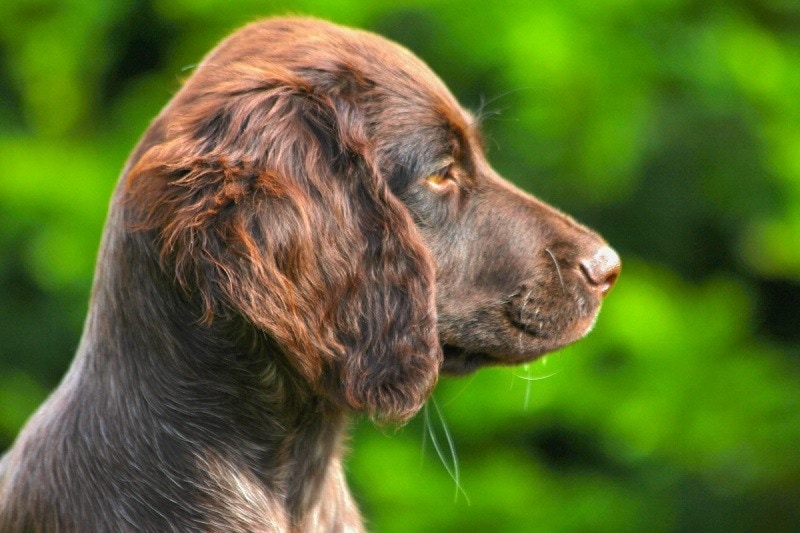
The German Longhaired Pointer is an energetic and active dog that loves the outdoors. They are ideal for active owners with large yards and make friendly and loving family dogs. They are easy to train but easily distracted, so training should start as early as possible. Pointers are not content to relax on the sofa. They need massive amounts of exercise to drain their seemingly inexhaustible energy levels. Due to their ever-present energy, large size, and propensity to bark, they are not suited to urban living.
If you are an active owner who loves trail running or a hunter in need of a loyal companion, the German Longhaired Pointer is a beautiful and loyal pup that is an ideal choice.
See Also:
Featured Image Credit: BIGANDT.COM, Shutterstock
Get Hepper In Your Inbox


Pet care tips from our vets and experts, straight to your inbox.
You may opt-out at any time. View our Privacy Policy for more information.

Nicole is a lover of animals of all sizes but is especially fascinated with the feline variety. She’s the proud mom of Baby, a Burmese, and works every day so he can relax in the sunshine or by the fire. She’s always had a cat in her home and has spent countless days with others, observing behaviors and softening up even the grouchiest of the lot. Nicole wants to share her kitty expertise with you so you and your cat can live happy, healthy, and care-free.
Join the conversation
Ask a question, share your story, or send private feedback.