Hepper is reader-supported. When you buy via links on our site, we may earn an affiliate commission at no cost to you. Learn more.
Why Won't My Dog Poop? 11 Vet-Reviewed Reasons

Dogs poop, a fact that we doggy owners have long since accepted. Since one of our responsibilities is to clean up after our canine companions, our dog's bowel movements are familiar and part of our routine. When there's a disruption to this routine, it's easy to think the worst.
There are several reasons that your dog won't poop, and they range from serious medical conditions to minor fussiness. The following list can explain why your dog won't poop and how to fix the issue.

The 11 Reasons Dogs Won't Poop
1. Age
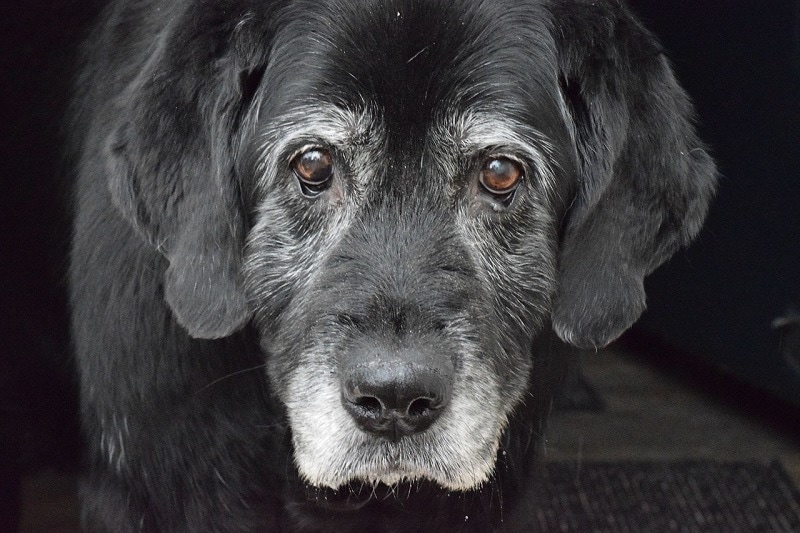
Many health issues are age-related, and arthritis is one of the most common ones. It affects one in five canines and can lead to other issues. As a degenerative joint disease, arthritis causes swelling and pain in your dog's body and can be caused by past injuries or just wear and tear as your dog ages.
This joint pain can make it difficult for your dog to squat when they want to go to the toilet. Due to this discomfort, they'll be more likely to put off pooping for as long as possible.
Arthritis isn't curable, but you can help your dog by managing their symptoms. Speak with your veterinarian to see what options are available.
2. Dehydration
Not drinking enough water can lead to constipation. The body needs water to operate smoothly, and if your dog doesn’t have access to clean water, their bodies will draw moisture from other sources to compensate, including their digestive system. Not only does this make it harder for them to digest food properly, but it also dries out their poop and can make using the toilet difficult and painful.
Make sure your dog always has access to fresh, clean water, especially on hot days or after strenuous activity, like a game of fetch or a long walk. The dryness of their food can impact their hydration level too. If your pooch only eats kibble, make sure they have access to water at all times.
3. Blockage
Your dog's digestive system can become blocked for a range of reasons, from tumors to ingesting inedible items. With their tendency to chew things, it's no surprise that dogs can suffer from issues caused by swallowing corn cobs or part of their favorite chew toy. Dogs that suffer from pica, a condition where they compulsively eat inedible objects, can also inadvertently block their digestive systems.
A blockage can interfere with your dog's toilet habits. If nothing can pass through their system, your dog will suffer from constipation and stomach aches. You'll need to visit a veterinarian if you suspect that your dog has eaten something that they shouldn't have and fear that it might cause a blockage.
4. Dietary Fiber
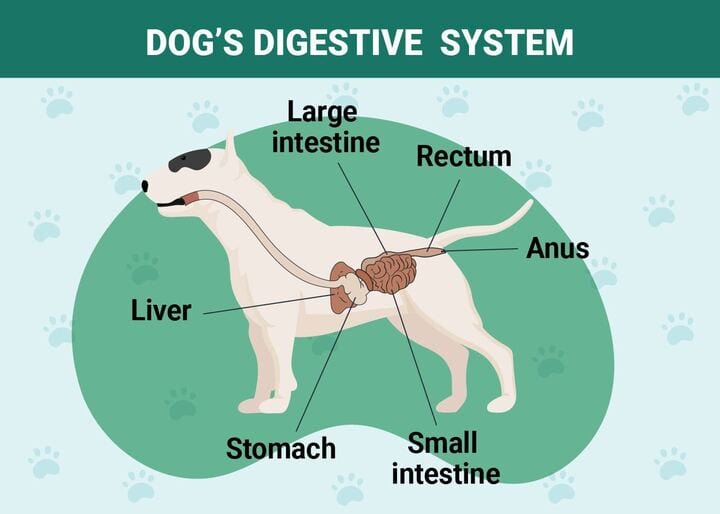
The digestive system is easily interrupted, and your dog's diet has a big impact on how their food gets digested. Fiber is an essential part of the digestive process, and finding the right balance will help ensure that your dog doesn't suffer from constipation. Too much fiber in their diet can be just as bad as none at all.
Your dog needs both insoluble and soluble fibers in their diet, without going overboard. Good sources of fiber include:
5. Doesn't Need to Go
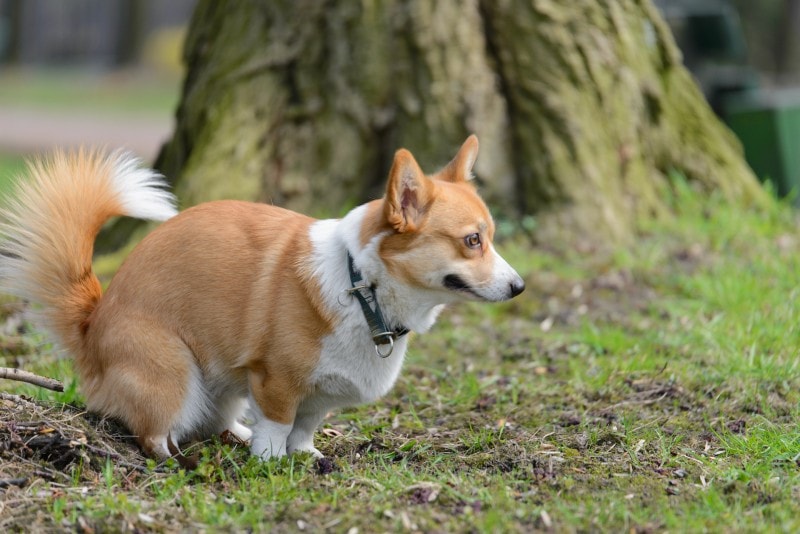
When you've got to go, you've got to go. The same is true for your dog. Sometimes they're not pooping because they don't need to, even if pooping on their morning walk is a usual part of their routine. Maybe they went in the garden before you left, or they didn't find the right spot on the walk.
If they skip pooping every once in a while, it's nothing to be concerned about. Some dogs poop more than others, and it depends on how much they eat during the day, too. Provided that their poop looks normal, it doesn't matter how often they go in a day. The concerns come when your pooch hasn't pooped in over 24 hours.

6. Inactivity
While exercise immediately after eating can lead to stomach aches, moving around is important for your dog's digestion. If your pooch is the type to laze about on the couch all day and barely bothers getting up, they're more likely to suffer from constipation.
Playing fetch or tug, doing training sessions, or going on regular walks are all good ways to get your dog moving. This movement will help their digestive system get to work too. Not only does regular exercise promote regular bowel movements, but it'll also help manage your dog's weight.
7. Health Issues
Constipation can be caused by many things, from those that are easily solved to those that are more severe. Lack of exercise, diet, and hydration can have a great impact on your dog's bowel movements, and all of these are relatively simple to correct. Sometimes, however, your dog is struggling to poop due to an underlying medical condition.
Health conditions that can affect your dog's bowel movements include:
This list isn't all-inclusive, and many health issues need to be diagnosed by a veterinarian. If your dog isn't pooping at all, talk to your veterinarian to decide on treatment.
8. Medication
Medication used to treat health conditions can cause constipation. Not all of them will, but some treatments have negative side effects like interfering with your dog's bowel movements, which include both constipation and diarrhea.
Discussing the symptoms with your veterinarian will help them properly adjust your dog's treatment. They'll be able to determine whether the medication that your dog is on is the right one for them or if they need a different treatment to allow them to use the bathroom more regularly.
9. Pickiness
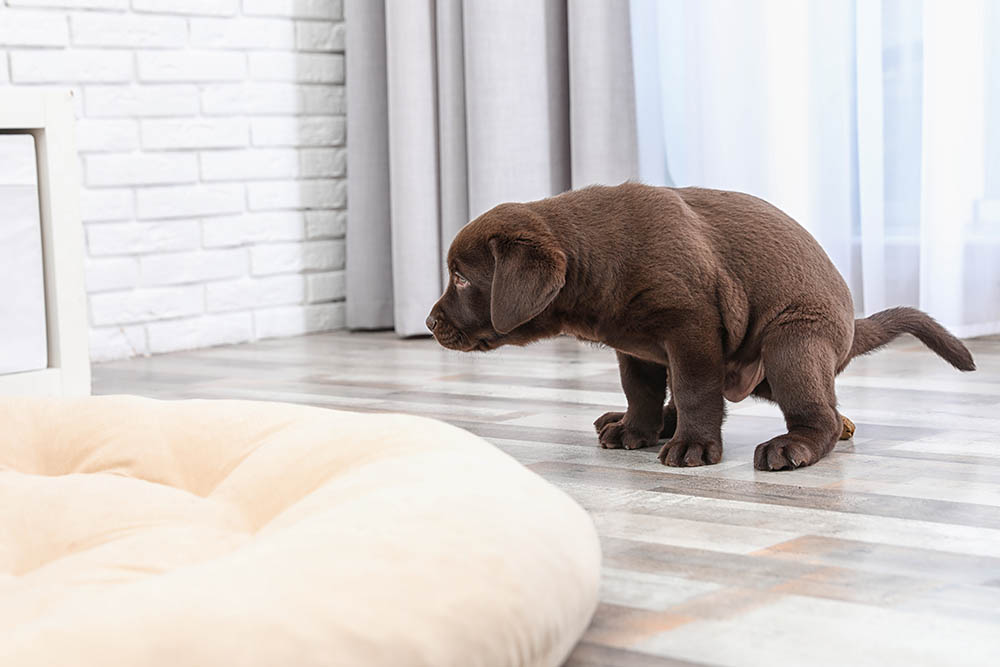
Dogs can be incredibly picky about where they poop. If the location isn't just right, they won't go at all. This can be for several reasons: For example, the smell isn't quite right or there are too many distractions. If they're not comfortable, your dog will forego their usual poop in favor of finding a better spot to do their business in.
Pickiness can also be a result of not feeling safe. If you've suddenly changed your walking route, all the new sights and smells can be off-putting to your dog. Certain places and situations can be intimidating to your pooch too. Too many strangers around or too much noise can scare your dog into waiting to go.
10. Stress
As big fans of routine, dogs aren't fond of sudden changes. A house move, strangers visiting, or you arriving home from work later than usual can all disrupt your dog's day. Separation anxiety or loud noises, like fireworks, are also common causes of stress in dogs.
While we can keep them company and show through body language that everything will be fine, they still won't completely understand. It's that lack of understanding and fearful uncertainty that causes their stress. In turn, stress can affect your dog's eating habits and their toilet trips. Try to keep your dog's routine as predictable as possible, and reassure them calmly when things go a little awry.
11. Surgery
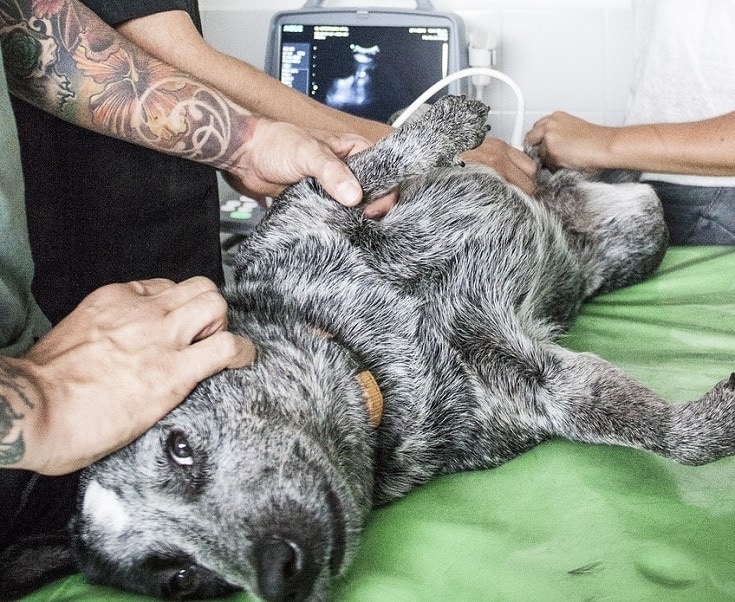
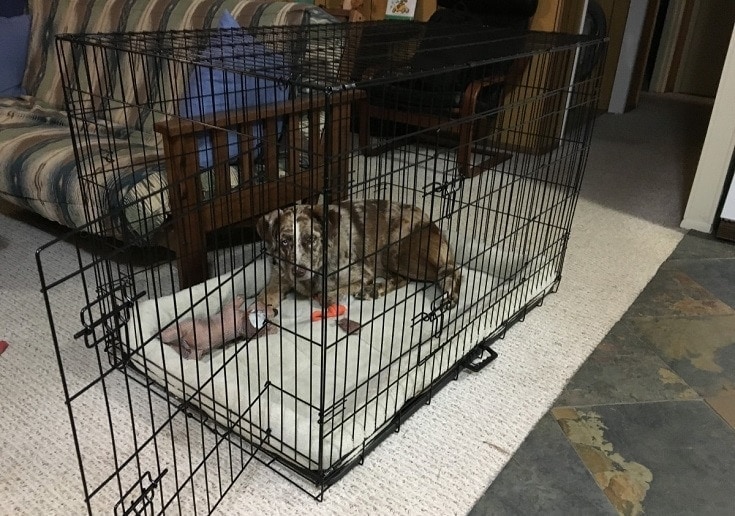
A common side effect of the anesthesia used in surgery is constipation. If your dog has recently been spayed, neutered, or gone under anesthesia for another medical reason, it can interfere with their pooping schedule.
Usually, the effects of the anesthesia will wear off within the first 24 hours following surgery, but it's important to keep an eye on your dog during this time. If they don't urinate or poop at all after they're back home, you'll need to contact your veterinarian.

What Are the Signs of Constipation in Dogs?
Constipation in dogs can vary in severity depending on the cause. It's important to determine how severe your dog's case is to figure out what caused the issue and how to fix it. In this case, learning and remembering the signs can help you judge when to visit a veterinarian.
The signs of constipation in dogs include:
Depending on your dog and their eating habits, they might not poop every day. But as long as their poop looks normal and they don't have trouble passing it, you don't have to worry.
Conclusion
It can be concerning when you finish your routine morning walk without your dog pooping somewhere along the way. The causes aren't always worrisome. Sometimes it's simply a case of your dog not needing to go or them being unable to find the right spot. Constipation and a blockage may be more of a cause for concern.
Keep an eye on your dog, especially if they haven't pooped in several days or show signs of discomfort or bloody stools. If your dog shows any of these signs, it's time to talk to your veterinarian.
Related Articles:
Sources
Featured Image Credit: UfaBizPhoto, Shutterstock
Get Hepper In Your Inbox


Pet care tips from our vets and experts, straight to your inbox.
You may opt-out at any time. View our Privacy Policy for more information.
Nicole is a lover of animals of all sizes but is especially fascinated with the feline variety. She’s the proud mom of Baby, a Burmese, and works every day so he can relax in the sunshine or by the fire. She’s always had a cat in her home and has spent countless days with others, observing behaviors and softening up even the grouchiest of the lot. Nicole wants to share her kitty expertise with you so you and your cat can live happy, healthy, and care-free.
Join the conversation
Ask a question, share your story, or send private feedback.