Hepper is reader-supported. When you buy via links on our site, we may earn an affiliate commission at no cost to you. Learn more.
Why is My Cat Suddenly a Picky Eater? 9 Vet-Reviewed Reasons


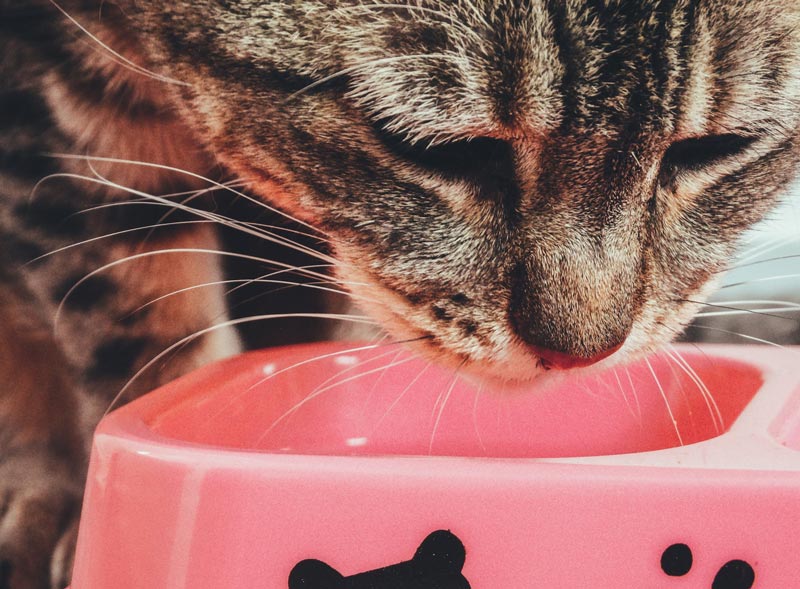
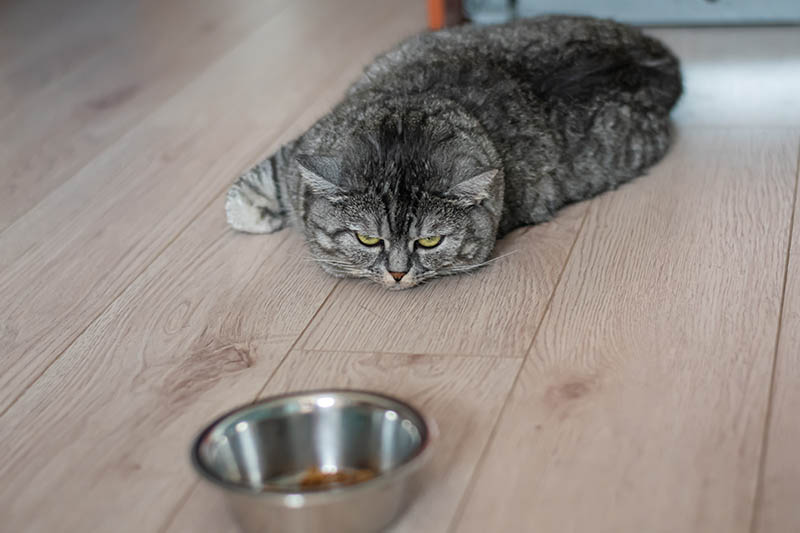
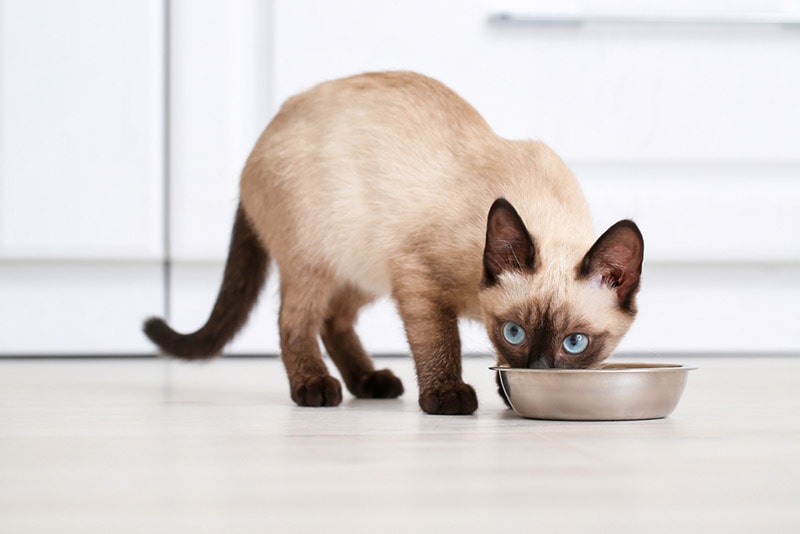
You've been feeding your cat the same food for years with no issues. You can predict what's going to happen when you pour their bowl every morning and night—they'll come running, purring with anticipation, and be ready to gobble it all up.
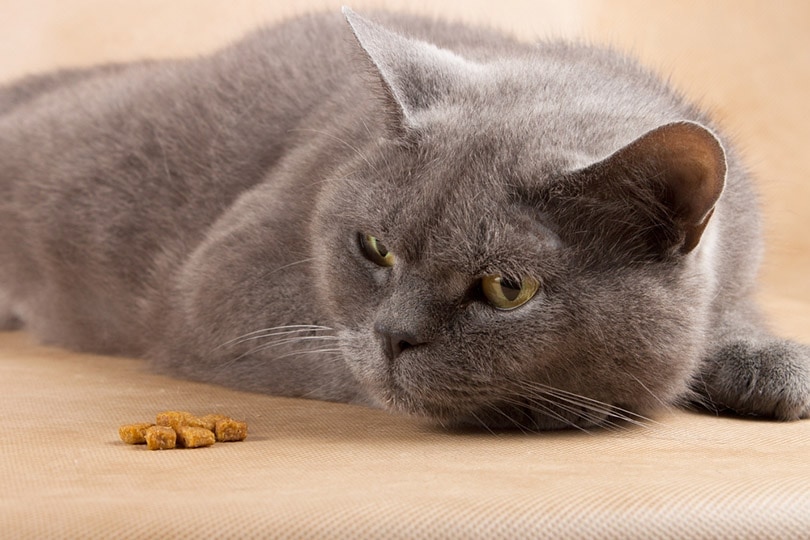
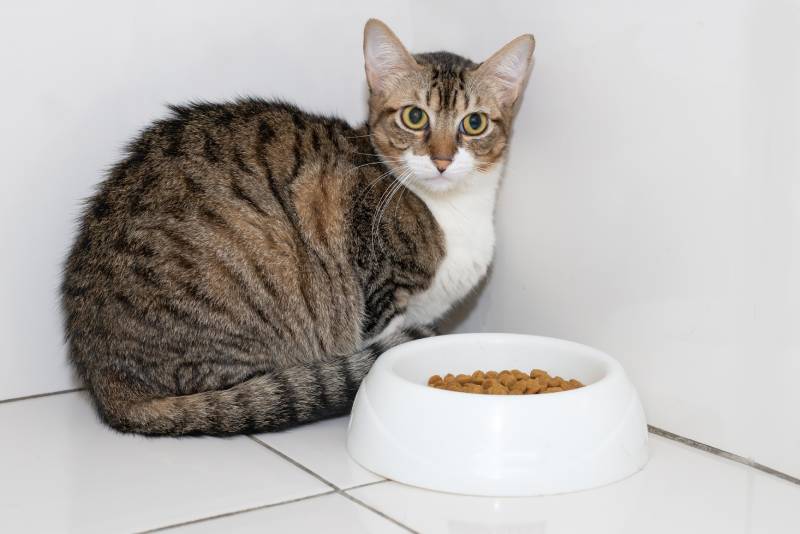
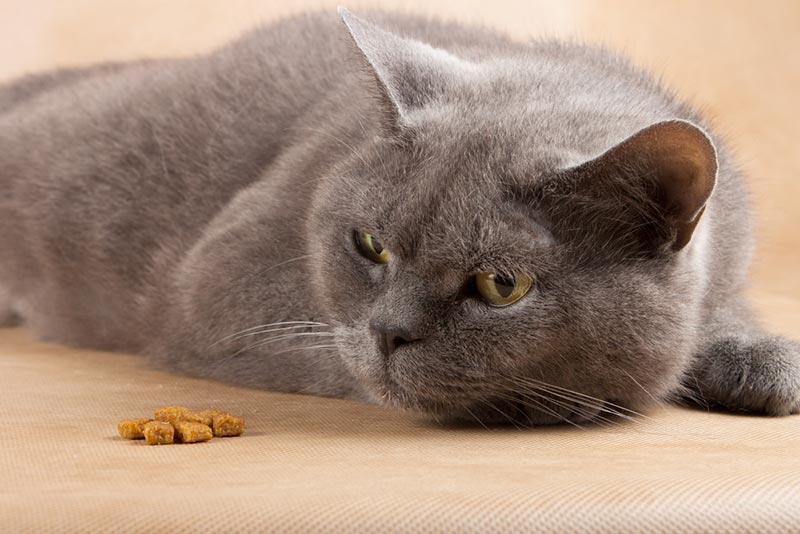
But now, all of a sudden, your cat is being a picky eater and refusing to eat their food. What gives? If you're struggling to figure out why your once-reliable kitty has turned into a finicky feline, read on for nine possible explanations.

Top 9 Reasons Your Cat Is a Picky Eater Suddenly
1. Stress or Anxiety
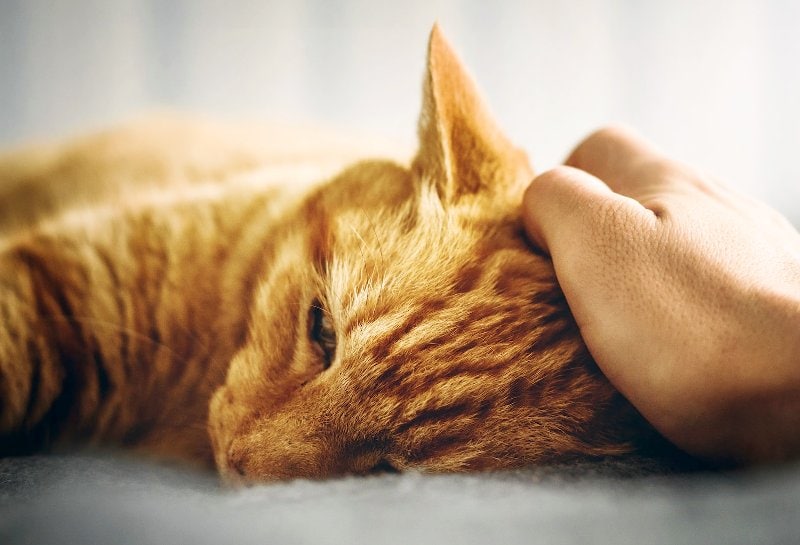
Just like humans, cats can experience stress and anxiety that manifests in a loss of appetite. If you've recently moved homes, introduced a new pet into the family, or had a baby, your cat may be feeling insecure and anxious. All of these can lead to a decrease in appetite.
The first step here is to try and determine why your cat may be feeling anxious. For instance, if you just welcomed a new kitten into the home, consider keeping them apart until your cat has had some time to adjust. If you think a change in routine may be the problem, try to stick to as much of a schedule as possible.
In addition, don't force them to eat or punish them for not eating because that will only make the problem worse. Focus on making them feel safe and comfortable, and their appetite should return in time.
2. Dental Problems
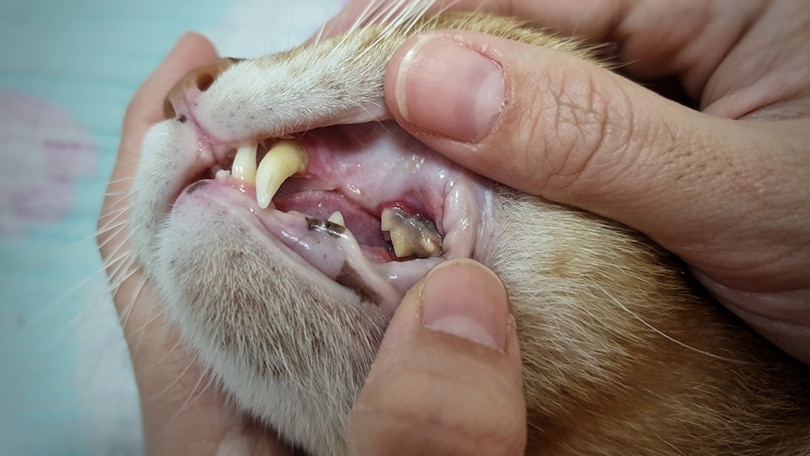
Does your cat seem to be in pain when eating? If so, it's possible that he or she is dealing with dental issues like gingivitis, tooth resorption, or even periodontal disease. Any of these conditions can make it difficult and even painful for your cat to eat, leading to a decrease in appetite.
Pay close attention to your cat's behavior during their next meal. Are they chewing on just one side of their mouth? Are they drooling more than usual? Do they make uncomfortable sounds or faces while eating? Aside from these, symptoms of cat dental disease also include:
- Bad breath
- Tartar
- Bleeding or inflamed gums
- Swelling around the face or jaw
If you notice any of these symptoms, have your vet take a look. They may recommend a professional cleaning, antibiotics, or even tooth extraction. In the mean, consider feeding your cat soft, wet cat food to make eating easier on them.
3. Illness
A sudden change in appetite can also be a sign of an underlying health condition like viral disease, kidney disease, liver disease, diabetes, or cancer.
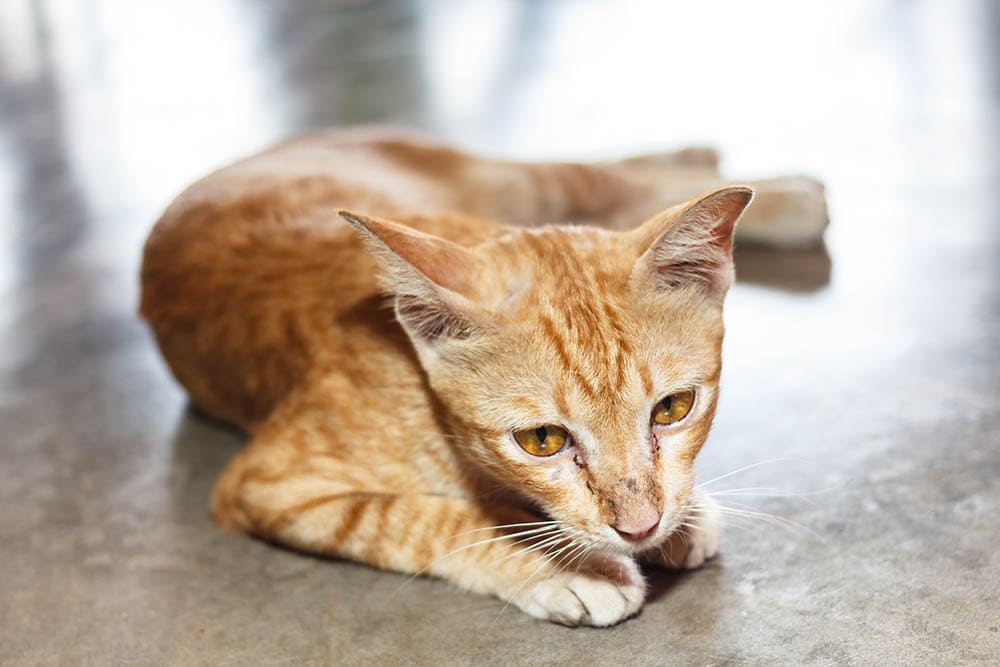
Cats are experts at hiding pain and illness, so a decrease in appetite is often one of the first and only symptoms you'll notice. That's why it's so important to take a sudden change in eating habits seriously and bring your cat to the vet as soon as possible.
Aside from the loss of appetite, other common symptoms of illness in cats include:
- Weight loss
- Vomiting
- Diarrhea
- Lethargy
- Excessive thirst or urination
- Changes in behavior
If your cat is showing any of these symptoms, don't wait to see if they go away on their own. Make an appointment with your veterinarian right away.
4. Medication Side Effects
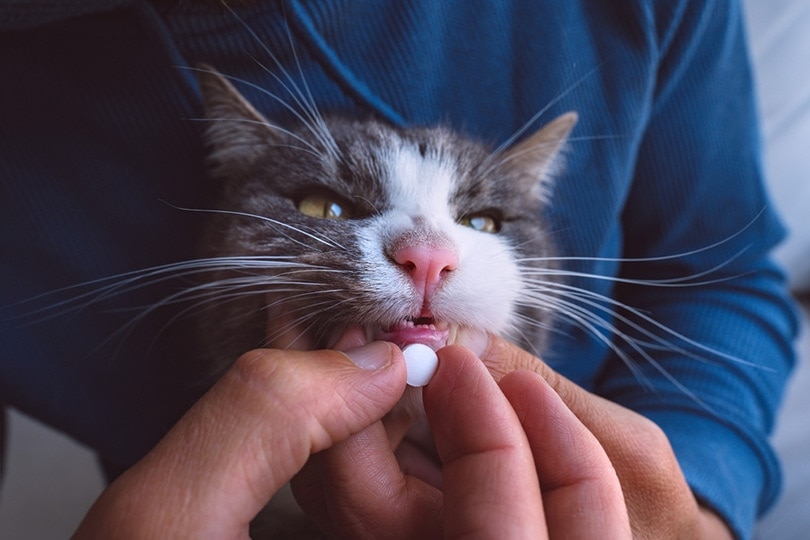
If your cat is on medication, there's a chance that appetite suppression is a side effect. This can happen with medications used to treat conditions like cancer. It may also not be a side effect of the medication but the effect of there being medication in the food putting your cat off eating.
Of course, you shouldn't stop giving your cat their medication without talking to your vet first. They may be able to adjust the dosage or switch to a different medication that doesn't have the same side effect or make suggestions on ways to medicate your cat.
5. Poor Nutrition
Just like humans, cats need certain vitamins and minerals to function properly. Specifically, cats are obligate carnivores. Their diet requires essential minerals for cats like taurine, arginine, and lysine so they can stay healthy.
If they're not getting them from their diet, they may become picky eaters as their bodies search for ways to get the nutrients they need elsewhere.
Poor nutrition can also lead to other health problems like weight gain or loss, digestive issues, and even joint pain—all of which can also cause cats to eventually lose their appetite.
To see if your kibble is up to snuff, check the label for the Association of American Feed Control Officials (AAFCO) statement. If it meets the nutritional requirements for "all life stages," you're good to go. Check the ingredients as well. Protein should be the first ingredient, followed by fat, and then carbohydrates. If not, it might be time to switch to a higher-quality food.
6. Aging
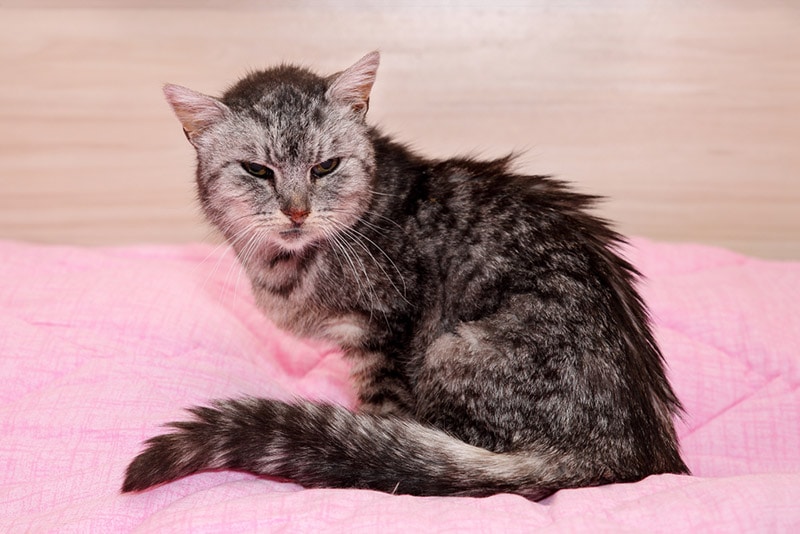
As cats age, they often experience changes in their appetites due to changes in their metabolism and energy levels.
For instance, older cats who are less active may need fewer calories than they did when they were younger. This is natural and nothing to be concerned about as long as your cat is otherwise healthy.
7. Being Fed Table Scraps
Feeding your pet table scraps isn't just unhealthy; it can also turn them into a picky eater. After all, why settle for kibble if they can get what's on their human's plate?
If you want to avoid this problem, it's important to be consistent with your cat's diet and only give them the food that's specifically designed for them.
8. Boredom or Lack of Stimulation
Boredom is another reason why your cat is refusing to eat their regular food. If their food bowl is the only thing that's ever placed in front of them, they may start to lose interest.
A bored cat is often a sedentary cat, too. If everything your cat does all day is nap, they're not going to work up much of an appetite come mealtime.
Some cats will only eat a new food for a few days and then stop eating it. Or similarly seem to need their foods rotated every few weeks to a new flavor.
To keep your cat from getting bored, try investing in some new toys or puzzle feeders that will stimulate their minds and make mealtime more fun. Play with them as much as you can.
9. They're Tired of Their Food
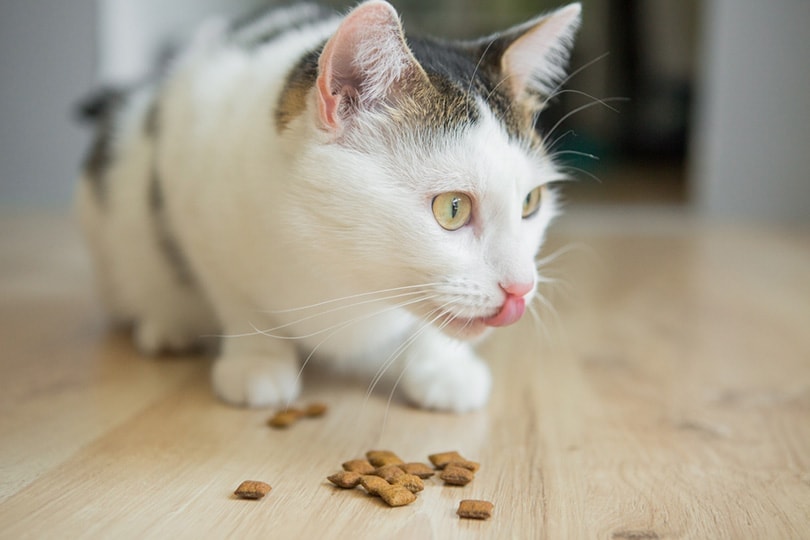
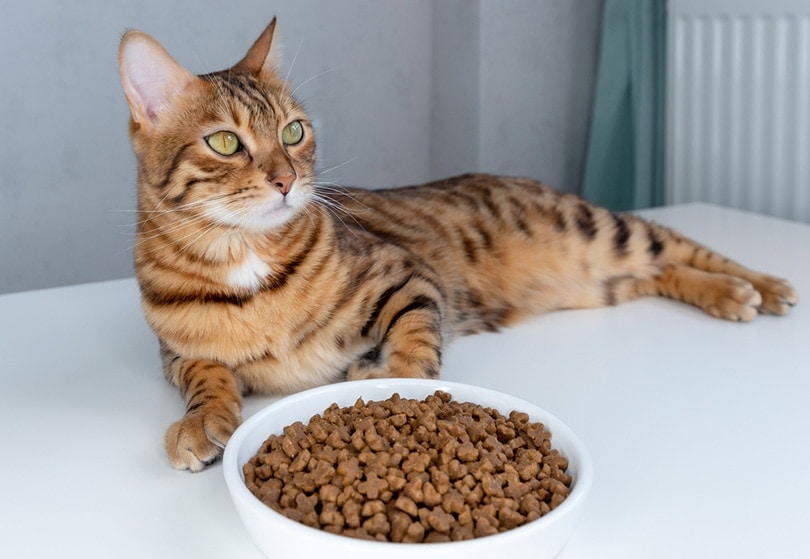
Cats can be creatures of habit, but that doesn't mean they don't get bored with their food from time to time. Imagine if you had to eat the same thing for breakfast, lunch, and dinner every day. Eventually, even your favorite food would start to lose its appeal.
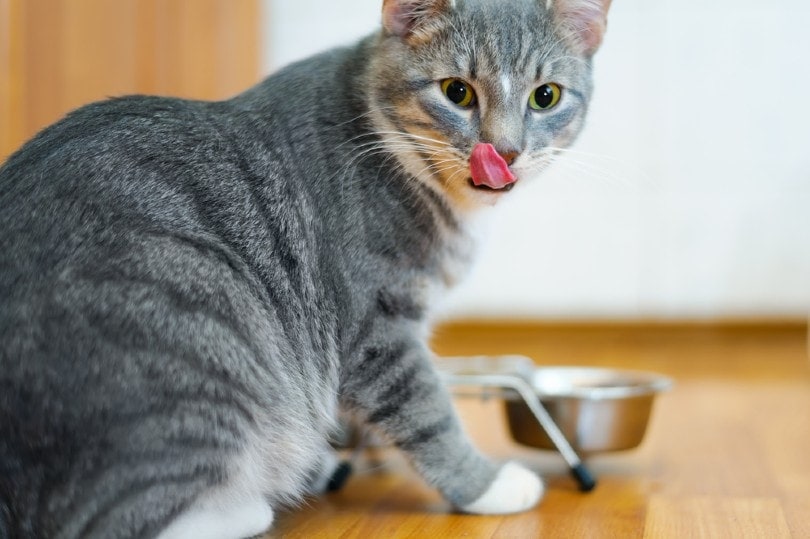
The solution is simple: switch things up!
Use these tips to make mealtime more fun and exciting for your cat again:
No matter which method you choose, just be sure to do it gradually. Sudden changes to their diet can lead to gastrointestinal upset, so it's important to introduce new foods slowly over a period of several weeks and to make sure they are not over eating.
Conclusion
Sudden pickiness in cats can be frustrating, but it's often nothing to worry about. In most cases, it's simply a matter of finding out what's causing the problem and making some simple changes.
This includes helping them burn off more energy, switching up their meals, and making sure they're getting the right nutrients.
If your cat is showing other signs of illness, such as weight loss, lethargy, diarrhea, or vomiting, then it's a good idea to take them to the vet to rule out any potential health problems and get them the treatment they need.
Otherwise, there's no need to panic. With a little patience and some trial and error, you should be able to get your finicky feline back on track in no time.
See also:
Featured Image Credit: RominaBM, Pexels
Get Hepper In Your Inbox


Pet care tips from our vets and experts, straight to your inbox.
You may opt-out at any time. View our Privacy Policy for more information.
Nicole is a lover of animals of all sizes but is especially fascinated with the feline variety. She’s the proud mom of Baby, a Burmese, and works every day so he can relax in the sunshine or by the fire. She’s always had a cat in her home and has spent countless days with others, observing behaviors and softening up even the grouchiest of the lot. Nicole wants to share her kitty expertise with you so you and your cat can live happy, healthy, and care-free.
Join the conversation
Ask a question, share your story, or send private feedback.