Hepper is reader-supported. When you buy via links on our site, we may earn an affiliate commission at no cost to you. Learn more.
Red Tri-Australian Shepherd: 8 Interesting Facts (With Pictures)
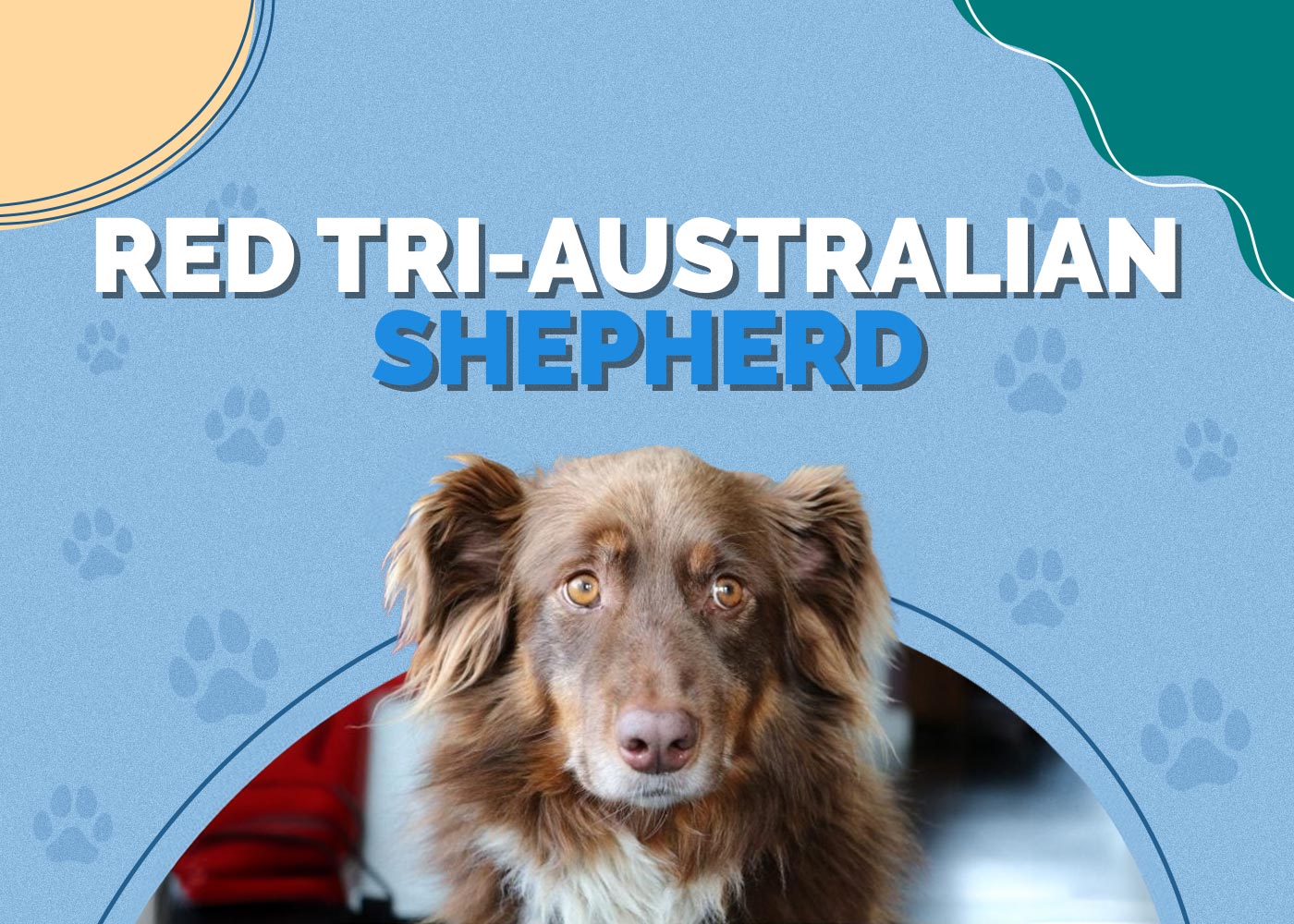
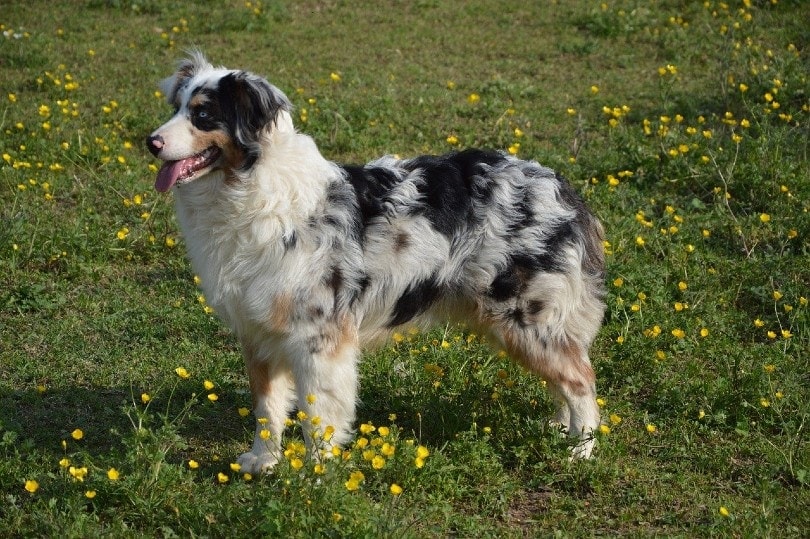
Red Australian Shepherds are generally rarer than black ones, but that doesn’t mean they’re impossible to find. Australian Shepherds are widely available in a variety of colors, including red tri-color.
However, this color is not accepted by the AKC or any other major kennel club. Red Merle and different tri-colors are. However, red tri-color is not. Still, you may even be able to find puppies available from some breeders.
Here are interesting facts about these rare canines.

The 12 Most Interesting Red Tri-Australian Shepherd Facts
1. Red Tri-Australian Shepherds Can Be Used for Various Jobs
Initially, these canines were bred as herding dogs. That was their primary purpose and their eventual claim to fame. Today, they are still utilized as herding dogs in many different areas.
However, they have also been used for many other purposes. For instance, they have been utilized as seeing-eye dogs, search-and-rescue dogs, and drug-sniffing dogs. They are not regularly used by police or military institutions because they are not naturally territorial.
2. They Shed Frequently.
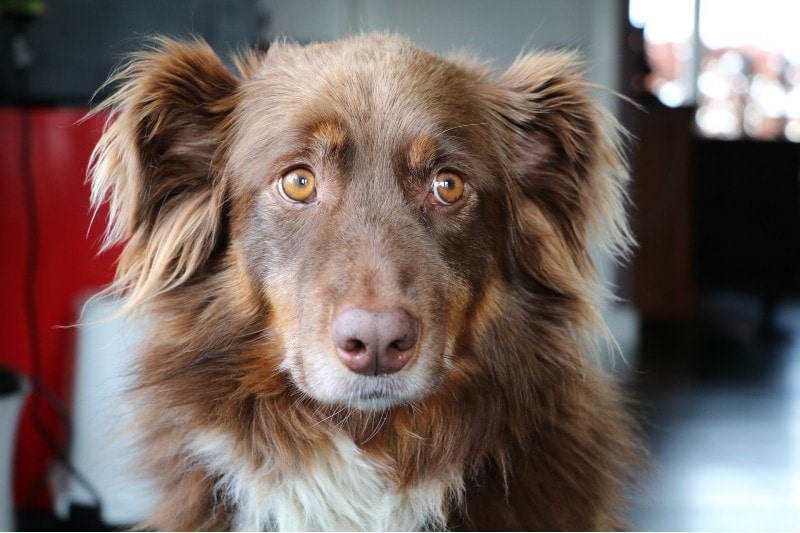
This breed sheds far more than most dogs. Luckily, red fur doesn’t show up that much on clothing or furniture. However, the white fur on their bellies and undersides will. Most Australian Shepherds also have a lighter-colored undercoat, which is where the shedding fur comes from.
You’ll need to brush this dog frequently to keep their coat in tip-top condition. Many owners brush their dogs every day, especially around the shedding season, which sometimes lasts 6 months.
Grooming isn’t just crucial for reducing shedding; it also helps keep their coat clean. The brush can help remove dirt, dust, and other debris, elongating the time that they can go between baths.
Due to their white underside, these dogs tend to start looking dirtier faster than other breeds.
3. Red Tri-Australian Shepherds Sometimes Have Short Tails.
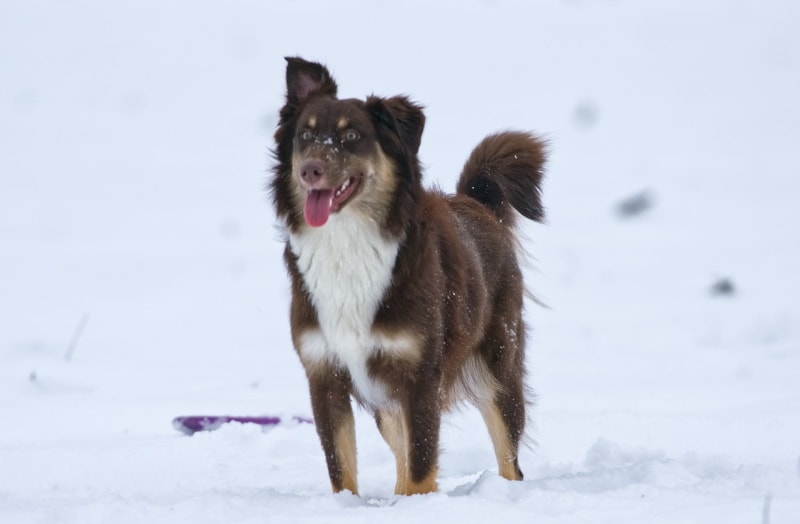
About one in every five red tri-color Australian Shepherds will have a naturally bobbed tail. This is not the result of tail-docking, though this sometimes does take place with working dogs. Instead, these dogs have a naturally docked tail.
Initially, dogs with this predisposition were sought after, preventing injuries while the dog was herding. When a dog spends a great deal of time out and about outside, their tail can get stuck on things or trampled on.
For this reason, dogs with shorter tails are sometimes more expensive, especially in working lines.
4. They Aren’t Australian.
Despite their name, this breed doesn’t come from Australia. No one knows where they came from. Their popularity first took off in California, but they were likely imported from some other area.
The most popular theory was that they came from the Basque region of Spain and were then taken to Australia and the United States.
This breed existed in both the United States and Australia at about the same time. For one reason or another, the name Australian Shepherd stuck.
Today, the breed that we know as the Australian Shepherd developed solely in the United States, mainly in the West. They were used for herding and were bred for this purpose for decades. They are still used for herding in some areas, though they are also used as companion animals. Red tri-color dogs are usually companion animals.
5. They Are Extremely Intelligent.
To herd dogs properly, these dogs need to be intelligent. It takes a great deal of mental power to get a herd of cows to go in the direction that you want them to or to figure out where the cows need to go in the first place, especially since the dogs cannot speak to humans either.
Often, these dogs work together, which requires even more mental prowess.
When these dogs are kept solely as companion animals, they tend to get bored. Boredom often leads to destruction. Everyone wants an intelligent dog until they realize how much work it requires.
You should not adopt one of these dogs unless you’re sure that you can meet their entertainment needs. They thrive the most when you give them a job to do.
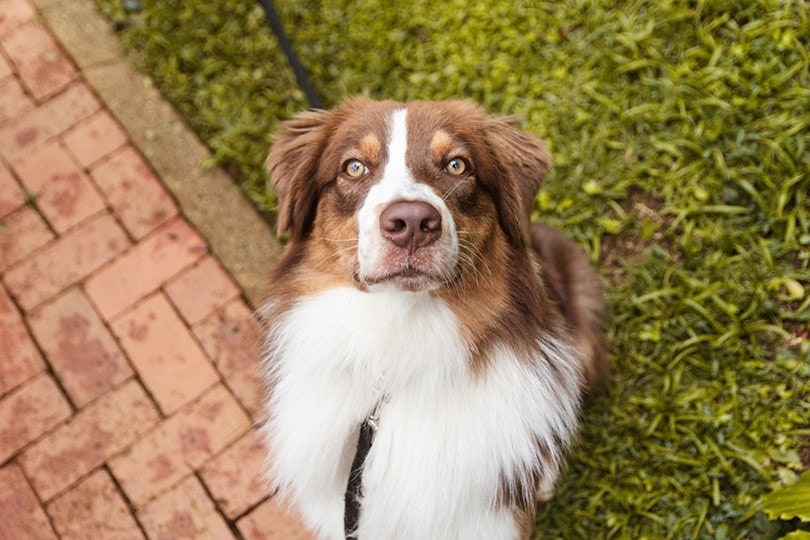
6. They May Try to Herd Anything.
Red tri-color Australian Shepherds have profound herding instincts. Their color does not affect their ability to herd, which is a common misconception. They can herd just as well as their black tri-color cousins.
However, these dogs are often so good at herding that they attempt to herd just about anything. If it moves quickly, these dogs may try to herd it, including children, cars, and other dogs.
Sadly, these canines often get hit by cars after attempting to “herd” them. They will jump out in front of a car and bark at it, thinking they can herd it like a cow.
A red Australian Shepherd attempting to herd children is similarly troublesome. Often, children don’t react the same way that cows do. They may attempt to run away from the dog and run erratically, which prompts the herding instincts further. Eventually, what was just intense staring and barking turns into snapping.
For this reason, we generally don’t recommend these dogs in homes with children. Their herding instincts aren’t compatible.
7. Red Tri-Color Isn’t a Recognized Color.
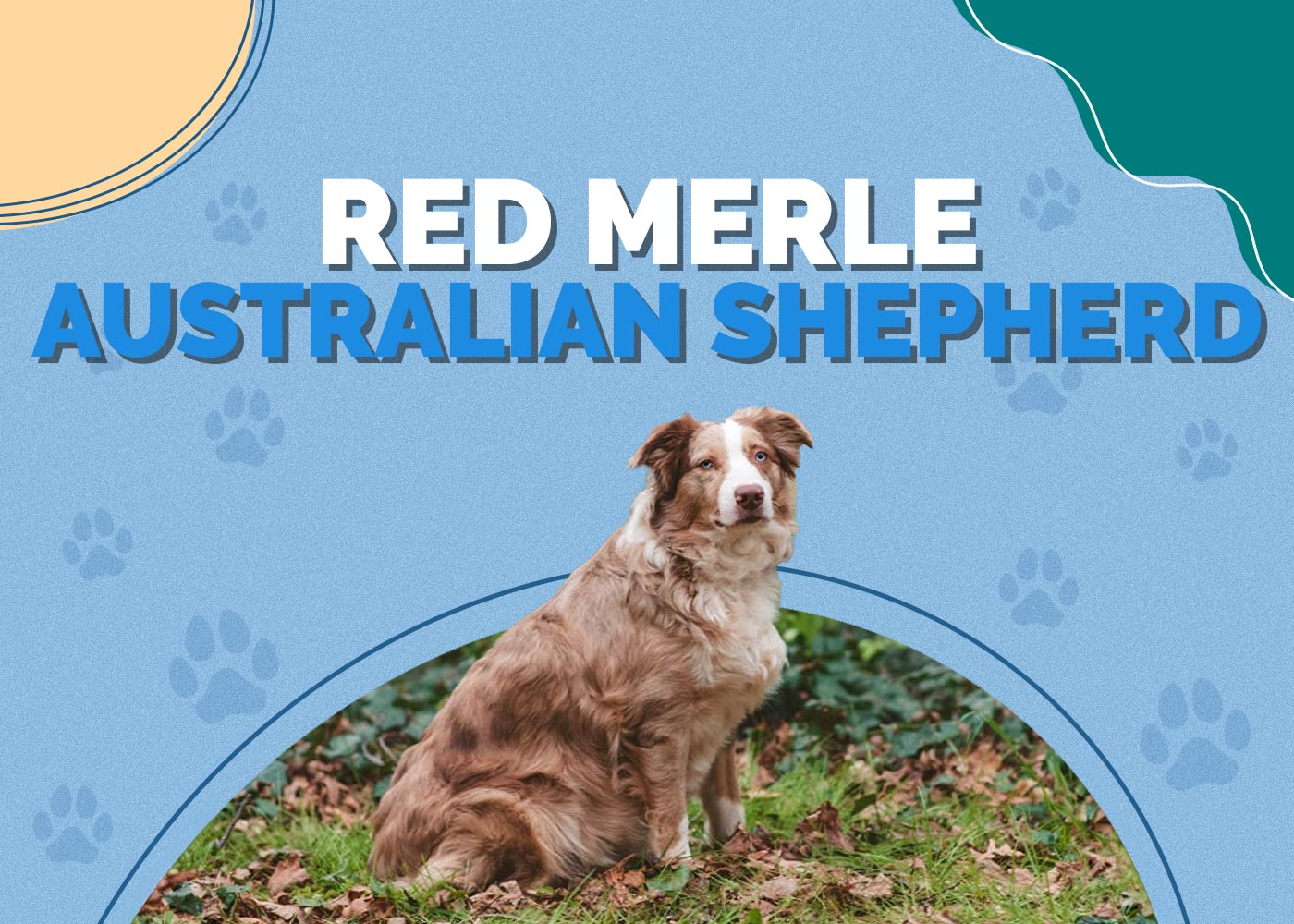
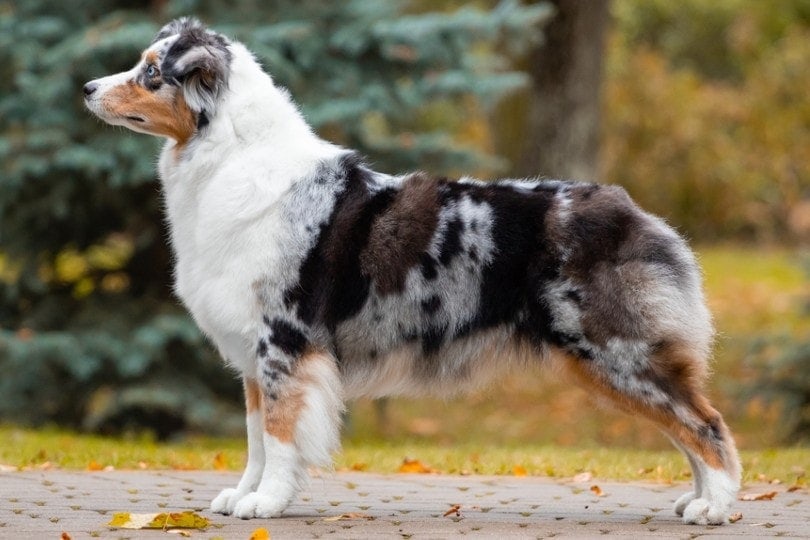
Other Australian Shepherd tri-colors are accepted by most kennel clubs, like black and tan. However, red does not fall into this category. You can have a red merle dog, but not a red tri-color one!
While most kennel clubs don’t recognize this coloration, that doesn’t mean it doesn’t exist. Pictures of these dogs exist all over the internet, and they sometimes pop up in litters.
However, since they are not recognized, they tend to be rarer. Fewer breeders are trying to create this coloration, which leads to fewer puppies with it. We don’t recommend setting your heart on getting a dog with this exact coloration, as you’ll probably spend a long time trying to find one.
Also, these dogs cannot be shown in shows, as they aren’t technically Australian Shepherds. It’s considered a disqualifying defect.
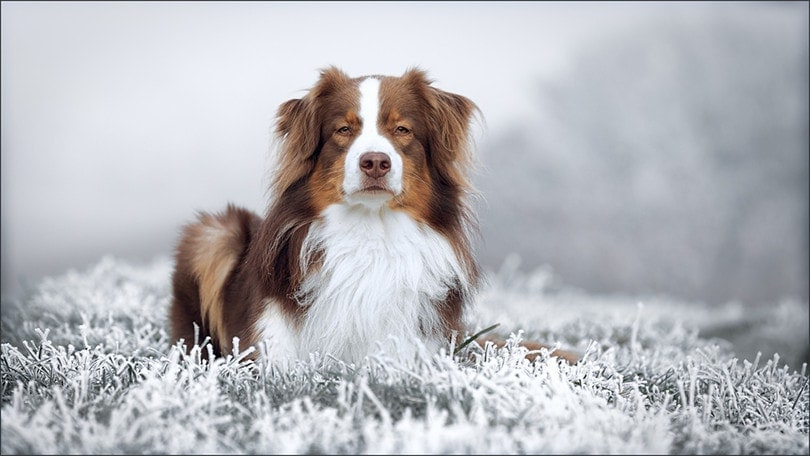
8. They May Have Differently Colored Eyes.
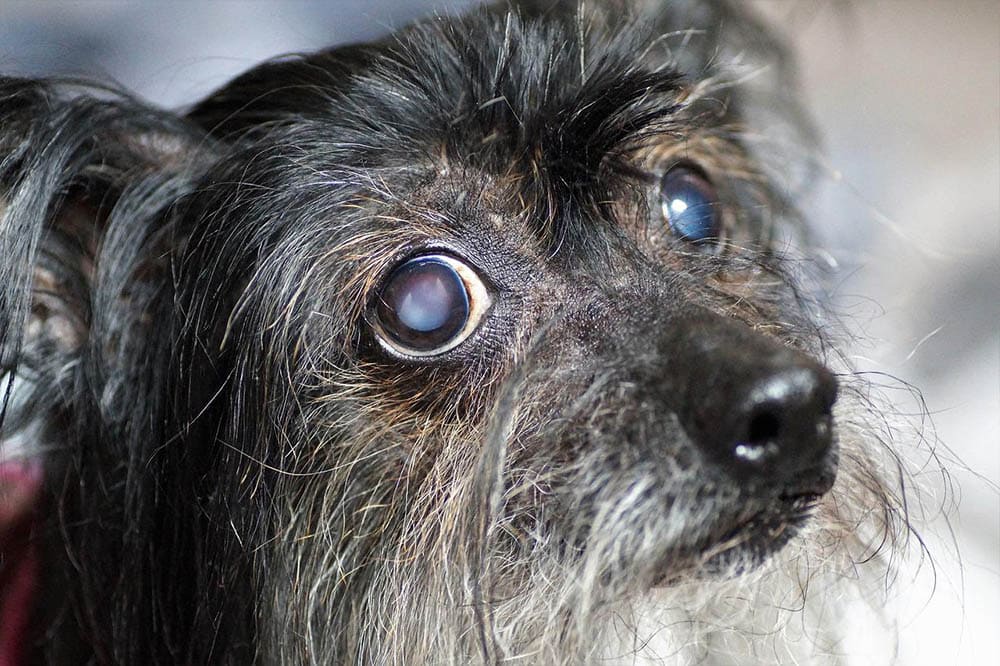
Australian Shepherds as a whole are prone to differing color eyes. It isn’t odd for one eye to be a different color than the other. Some dogs may even have split eye colors, where one eye is two different colors.
Not all dogs experience this genetic trait, but many do, more so than in other breeds.
Many people set out to purchase an Australian Shepherd puppy with this trait in mind. However, it is nearly impossible to know what a puppy’s eyes will look like until they are fully grown. A puppy’s eyes will change over time. In many cases, they will end up with darker eyes than what they started with.
Sometimes, puppies are born with differing eye colors, which usually sticks around to adulthood. However, others will develop differing eye colors as they age. You may get a puppy with two blue eyes, only for one of the eyes to turn brown later.
When it comes to eye color, you don’t know what you’re going to get.
Final Thoughts
Australian Shepherds are standard in the United States. Many breeders specialize in them, and it usually isn’t too difficult to find an available puppy. However, the red tri-Australian Shepherd is a different story.
No major kennel clubs officially recognize these dogs because they are not the “right color.” For this reason, they are not commonly bred by breeders.
Still, you may be able to find one by looking hard enough. They do show up in some litters, though few breeders are actively producing them.
Related Read:
Featured Image By: Fotoschauer, Shutterstock
Get Hepper In Your Inbox


Pet care tips from our vets and experts, straight to your inbox.
You may opt-out at any time. View our Privacy Policy for more information.

Kristin is passionate about helping pet parents create a fulfilling life with their pets by informing them on the latest scientific research and helping them choose the best products for their pets. She currently resides in Tennessee with four dogs, three cats, two fish, and a lizard, though she has dreams of owning chickens one-day!
Join the conversation
Ask a question, share your story, or send private feedback.